





After designer Lauren Behfarin became a parent, she began to see the beautifully appointed homes she helped create while working at a New York firm in a whole new way. Despite their installation-day perfection, those pristine visions were destined to crumble under the realities of parenthood.
“That’s just where my mom brain always went,” says Behfarin. “We’d be doing fancy living rooms, and [I would think,] ‘Your kids are going to destroy this.’”
In contrast, there was the dismal reality of children’s design: brightly colored plastic furniture and toys that seemed antithetical to high-end spaces. Seeing a gap in the market, in 2014 she launched her own firm specializing in kids spaces, and just last month followed up with the debut of an e-commerce site called Little Room Supply, which carries a curated mix of children’s design accessories.
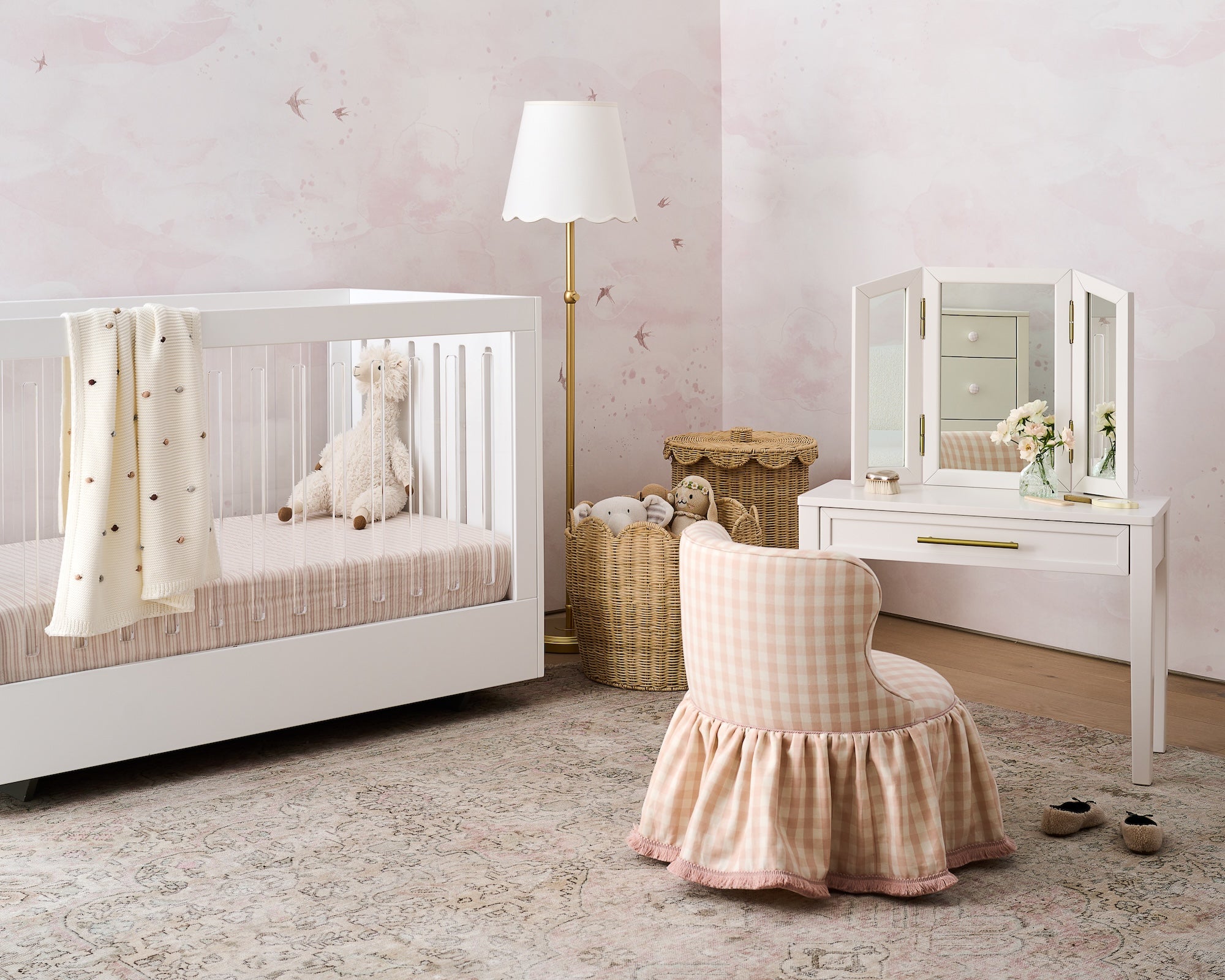
Behfarin wasn’t the only one to spot an opportunity in the category. In recent years, a wave of new brands, including Lalo and Nestig, have entered the market with the goal of providing parents with more stylish options for children’s spaces. As they continue to evolve, they’re falling closer in step with aesthetic trends in the world of high-end design—and giving parents a new lease on life at home.
At least since the invention of plastic, design for children has been dominated by brands that produced cheap, disposable products. Lora Appleton—founder of New York–based design gallery and studio Kinder Modern, which specializes in children’s furniture, rugs and objects—points out that before the era of social media, kids rooms weren’t usually depicted in editorial coverage. When celebrities and influencers began showcasing their own spaces and family lives, interest in children’s design began to tick upward. Dovetailing with the pandemic-era home boom, the market was primed for a new generation of brands to emerge.
“There has absolutely been a strong upturn in interest in attractive and functional kids furniture in the last six or so years,” says Appleton. “I think Covid and the shift to remote work [also] helped families and working mothers realize the importance of having attractive furniture and decor in all areas of the home—not just the kids room or playroom, but also the living room, dining room and even the kitchen.”
To meet the demand, many of the newest players in the category came armed with the same mission: to provide children’s decor that aligned more closely with adult aesthetics. At the very beginning of that curve were Greg Davidson and Michael Wieder, who founded direct-to-consumer baby and toddler brand Lalo in 2019, with the goal of creating products that provided a visually appealing alternative to the brash offerings that had dominated the market in decades past.
“Everything was bright-green plastic, and cartoonish pandas and whales; everything was shaped like an animal,” says Wieder. “There were a lot of big, bulky, ugly things that were really offensive from a design standpoint. They overindexed on comfort and performance. We said, ‘How do we not give up those things, but make it look better?’”
For Lalo’s product development process, that meant mood boards filled with beautiful design elements from outside of the kids category, including art, iconic furniture items, and high-end materials popular in Europe and Scandinavia. “To this day, my designers know that when we start with the aesthetic piece, there is never a baby product present,” says Wieder. The strategy has been successful for them: The brand’s debut high chair—a sleek design consisting of a plastic seat available in soft, neutral colors and perched on beechwood legs—sold out in six hours and became a favorite among celebrity parents like Blake Lively and Khloé Kardashian.
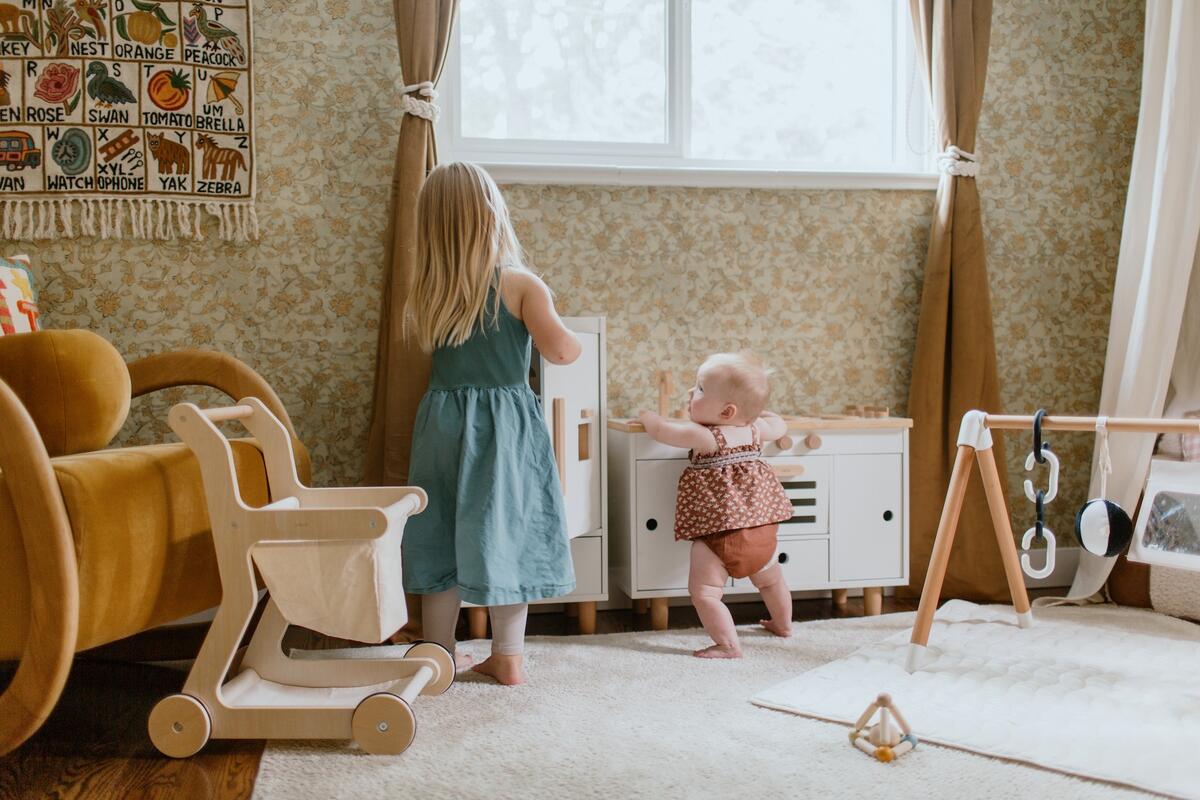
Since the category serves children, products on the market must meet rigorous compliance standards and adhere to strict safety regulations—but for Lalo, there’s no reason style shouldn’t also have a place in that equation, an ethos that the company has embedded into its messaging.
“Everything was so grounded in fear-based marketing: ‘You have to buy this or your kid’s not going to sleep, or they’re not going to eat,’” says Wieder. “We said, ‘We’ve got to create a brand that’s about love and connection—put it online, make things look better—where the identity of the parent is just as important, and that identity doesn’t go away just because you become a parent. You can still maintain that sense of self, that sense of who you are through your products.’”
Children’s design brands have also begun to more closely follow trends dictated by the broader furnishings industry—perhaps to a fault. In an overcorrection to existing brightly colored offerings, brands began leaning into the minimalist, muted approach that found widespread popularity among designers and homeowners several years ago, leading to some online outcry over “sad beige” decor for children.
But as color makes its way back in the design zeitgeist, children’s brands have followed suit. According to Behfarin, the days of gendered hues in children’s rooms, popular in the 1980s and ’90s, are quickly fading into the background. In their place, a new aesthetic is emerging. “When I started, we were trying to make [children’s spaces] an extension of other parts of our homes or apartments, so there were a lot of grays and creams,” she says. “In the past year, I’m really seeing a resurgence in color. It’s not baby pink and baby blue. People are going to reds and eggplants and deep oranges, marigolds, mustards.”
Designers and brands are also adopting other contemporary design trends through a more child-friendly lens. Alex Spielman, founder and lead designer of The Little Things, a firm specializing in family-friendly spaces, is helping clients shift out of the themed-room mindset and embrace layered, collected designs like those found in other areas of the home.
“Back in the day, people would be like, ‘I want a hot-air balloon theme,’ or people would say, ‘I don’t know what theme to do.’ And I’m like, ‘We don’t do themes anymore,’” says Spielman. “People want something that’s whimsical, but also elevated—something that matches the aesthetic of their home, but also feels like it’s fun, because it’s for children.”
Spielman created that effect in her daughter’s nursery through a gallery wall with playful touches like a painting of a fox, a needlepoint of a dog and a framed piece of her grandpa’s initialed leather suitcase. In other spaces, she has incorporated products from high-end design brands—sturdy Ernesta rugs for kids bedrooms, for example, or House of Hackney’s Plantasia wallpaper to bring a tree-house feel to a child’s space in a home she recently completed in Montecito, California.
The category is not without its challenges—one of the biggest is cost. Because children don’t stay children forever, parents have historically been reluctant to spend more on high-quality furniture for their rooms. Brands, meanwhile, don’t have a ton of wiggle room. “It costs the same amount to make a mini chair as it does an adult-size chair, so as a manufacturer there is a lot of loss of time and materials, unless you are mass manufacturing,” says Appleton. (And with the tariff roller coaster of the past year, even overseas manufacturing isn’t as affordable as it used to be.)
To give customers more bang for their buck, many brands try to find a way to make their kids products outlive their first use. Lalo’s high chair, for example, can be reconfigured as a booster seat and then a play chair, while the brand’s baby bathtub can be transformed into a storage bin.
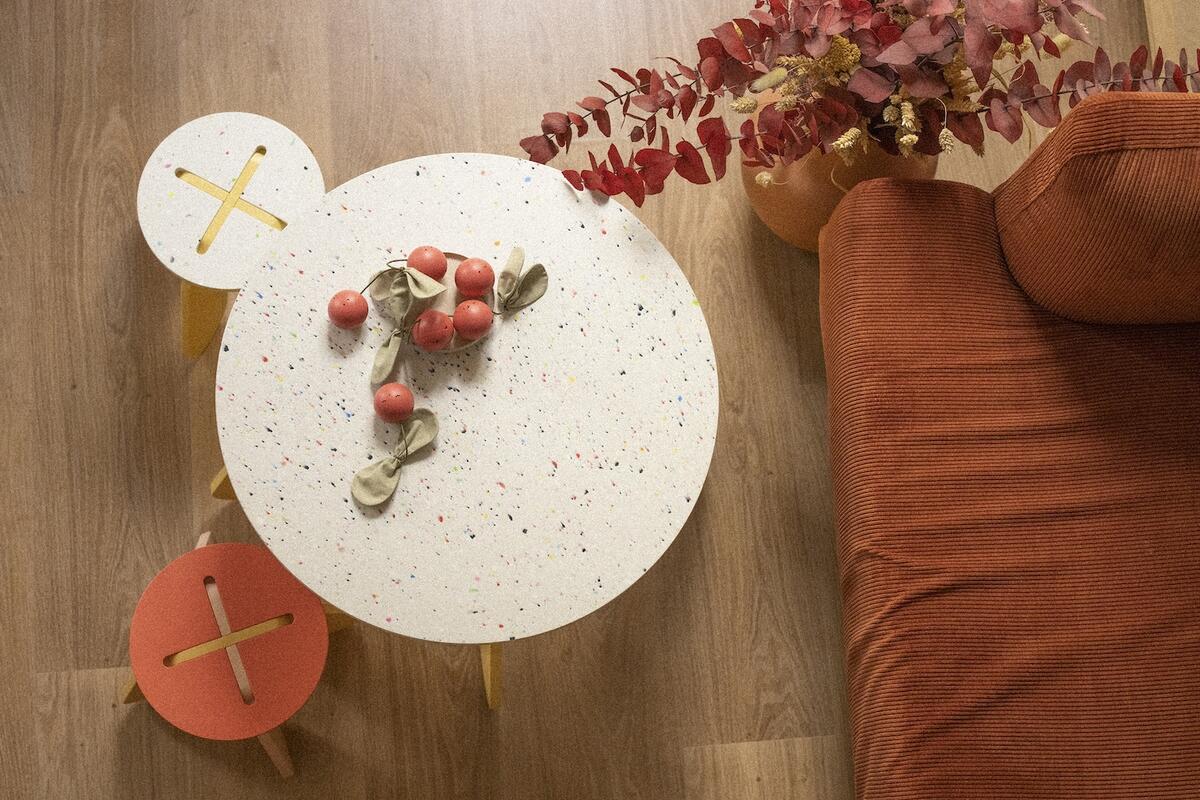
According to Viktoriia Moskalenko, who co-founded Ukrainian design brand Babai in 2016, the trend toward children’s products that can be repurposed or placed in other parts of the home has fueled interest in pieces with an even longer lifespan.
“Buyers from concept stores or kids boutiques have started asking us not only about materials, but ‘How long can it be used? Do you have photos of this product in the main area?’” she says. “Before, we never heard this. It was just, ‘Do you have photos of kids using it?’ Or, ‘How do kids use it at this age?’ [Now we’re hearing,] ‘How will it be used—not just in two years, but in five years?’”
For Babai, the solution was crafting products that straddle the line between decor and play—pieces like the Peony balancer or the modular, 8-inch birch dollhouses, which function as both toys and design objects.
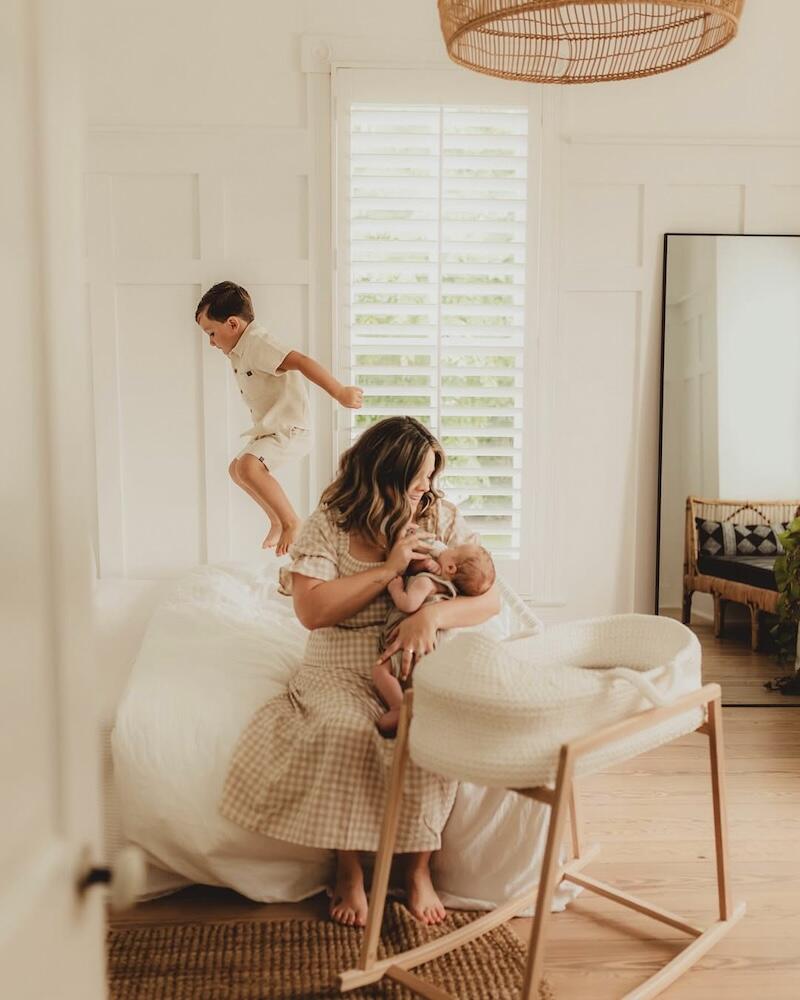
Fellow Ukrainian children’s company Anzy Home took a similar tact, designing products like the woven Moses basket, a bassinet that becomes a simple storage item. “All our products are created with the idea that they should live in the home long-term, not just serve a short ‘baby phase,’” says founder Anna Zmiievska. “People are becoming more conscious about what they bring into their homes. There is less interest in buying many short-term, plastic, or very bright and ‘loud’ items that are used for a short period then thrown away.”
In the struggle between a home taken over by kid-coded objects and one that remains stubbornly adult, these new products offer a middle ground. As Moskalenko adds, it’s impossible to contain kids—and play—to one room in the house, but that doesn’t mean that the children’s decor of years past (“so bright, so messy, so loud”) needs to infiltrate the whole home. With a new approach, the design items can be integrated as needed while maintaining parents’ sense of style, ushering in a new era for family life at home.
“We’ve stopped pretending that it’s this different part of the home, a different part of life,” says Moskalenko. “In some way, we avoid the problem—‘It’s the kid’s room, I just close the door.’ Everyone [is starting] to realize parenthood is not just some non-interesting part of life. It’s very bright, it’s interesting, even fashionable. It’s just life.”





 Withdraw Consent / Manage Privacy Preferences