






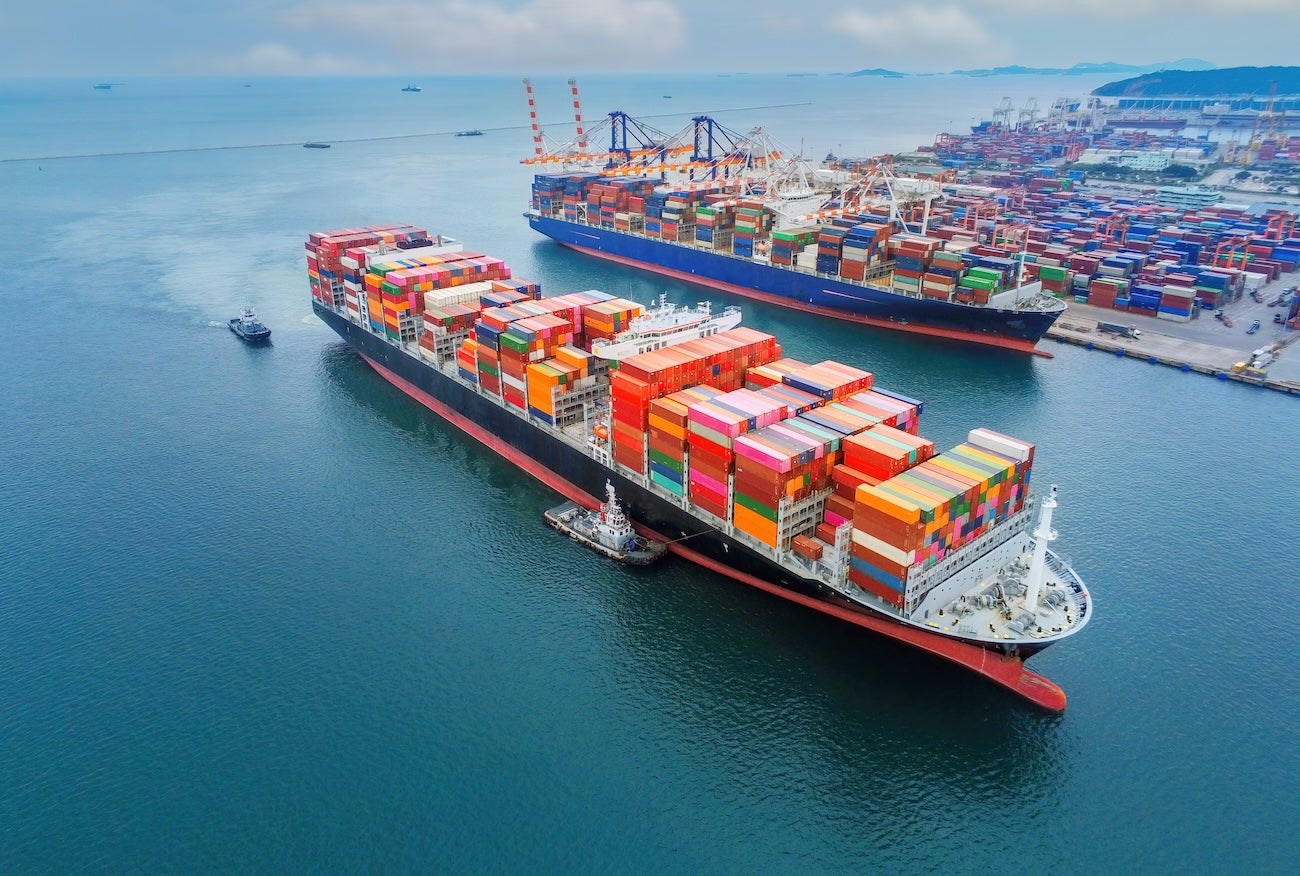

On Friday, the Supreme Court issued a major rebuke to President Trump’s tariff policy. Though the news was not entirely unexpected, it has dramatically changed the landscape of global trade overnight. Here’s what designers need to know.
What just happened?
To put most of his global tariffs in place last year, Trump used a 1977 law called the International Emergency Economic Powers Act, or IEEPA, which allows the president to declare a national emergency and regulate international commerce in response to an “unusual or extraordinary” foreign threat. In its Friday decision, the Supreme Court ruled that IEEPA cannot in fact be used to levy tariffs. In simple terms: Most of Trump’s tariffs were invalidated as illegal.
Does this ruling impact all tariffs?
No. Trump’s tariffs on specific categories (as opposed to specific countries) were put in place using a different law, Section 232, and are still in effect. That includes levies on furniture, cabinets and vanities; as well as imported steel and aluminum.
Does this mean all of the global tariffs go away overnight?
Not exactly. Over the past year, the president has made individual trade deals with several nations—including India, Vietnam, and the United Kingdom—in which they agreed to be tariffed at individual rates. Those agreements are not wiped out by the Supreme Court ruling. However, those countries may look to renegotiate their deals.
Will there be new tariffs?
Yes. The president has already vowed to implement a global tariff of 15 percent on all imported goods under a different law, Section 122 of the Trade Act of 1974. However these tariffs are temporary, and will only last 150 days unless ratified by Congress. Trump has also promised to conduct further investigations under the auspices of Section 232. Similar investigations were the precursor to tariffs on categories like steel and furniture, which means additional tariffs on specific economic sectors are likely if those investigations move forward.
What about refunds?
The landscape here is extremely murky. In its ruling, the Supreme Court did not lay out a process to return the more than $133 billion that has been collected under IEEPA. The prevailing wisdom is that companies and individuals (that includes designers) would have to sue the government to get a refund—a process that will likely be messy and stretch on for years. (In the home category, McGee & Co. has already filed its suit.)
Will brands lower their prices or remove tariff surcharges?
In the short term, almost certainly not. The situation is chaotic, and it will likely take several weeks for brands to get clarity on their new tariff bills—and if the president’s 15 percent global tariff goes into effect, some companies might even end up owing more. In the longer term, it’s hard to say. Some companies may remove tariff-specific surcharges if they are no longer impacted by those duties. But if list pricing has gone up and the market has tolerated it, it’s unlikely that brands will push prices in the other direction.







 Withdraw Consent / Manage Privacy Preferences