







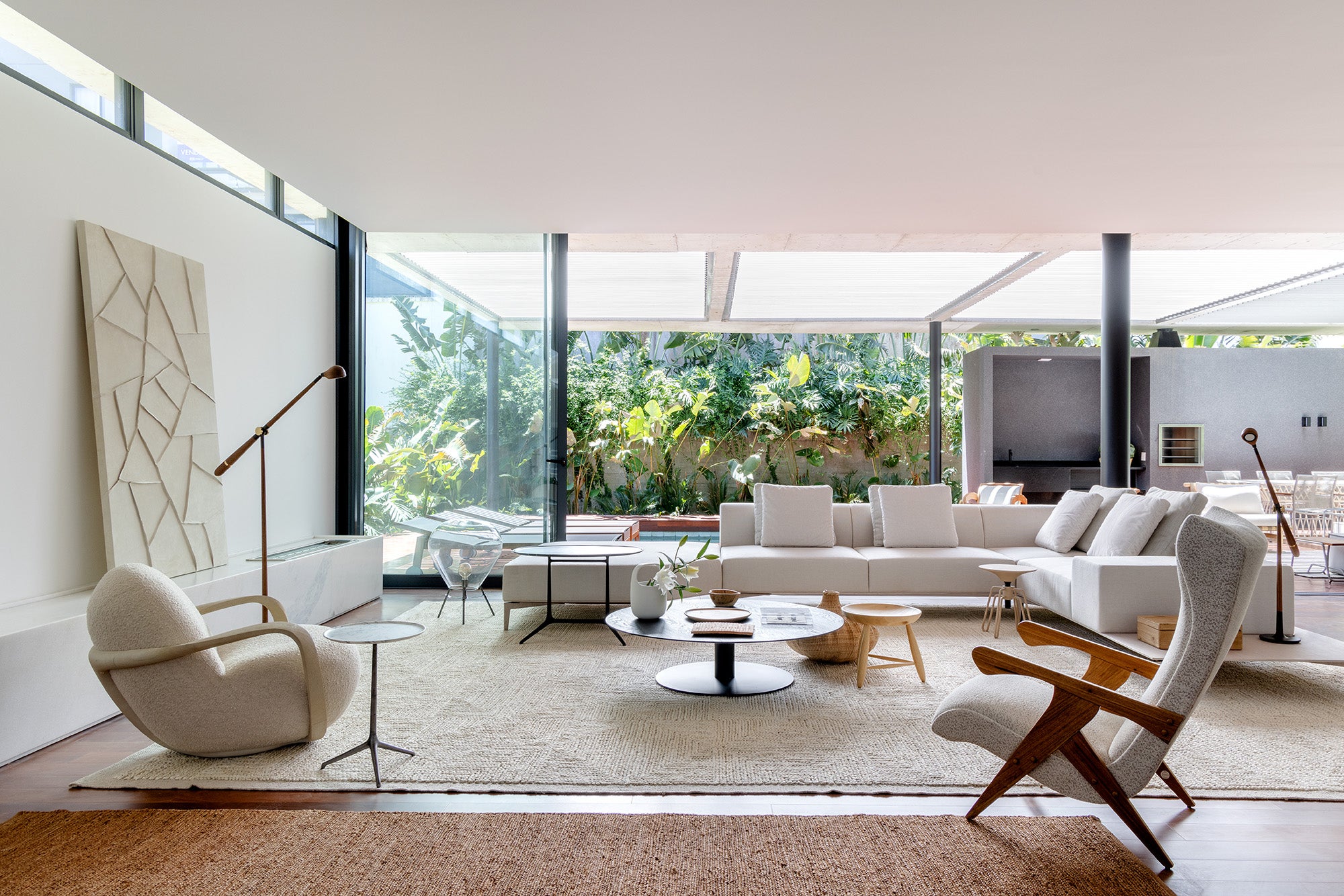

An intake form is one of your first introductions to a client, so it’s important to ask the right questions. This week, we asked six designers—Kylie K. Bass, Bianca Blanco-Jimenez, Lindsey Herod, Anita Lang, Simara Mello and Emily Tucker—what they include on these important surveys.

Start on the Right Foot
“Our intake form was designed to make the initial stage of each project more efficient and focused. Since our work is highly personal, we need to quickly understand not only the basic project parameters, such as type, location and scope, but also how the client lives and what they expect from the space. We include questions that help us identify their routine, priorities and [preferred] level of involvement in the process. This gives us a clearer sense of timeline, decision-making dynamics, and how familiar they are with working with an interior architect. At the same time, we keep the form concise. The goal is not to replace conversation, but to streamline the first contact, especially when handling multiple inquiries. It allows us to start each project with greater clarity and alignment, making the following steps more productive for both sides.” —Simara Mello, Balneário Camboriú, Brazil

Realistic Expectations
“Sadly, the biggest barrier to entry is budget and house. The clients obviously make a huge difference to the success of a project, but if they don’t have the budget to support good work, then it’s just not as successful. We always make sure to get the project address and a budget range along with a desired scope of work so we can make sure the realities of building or renovating a house align with the client’s capacity.” —Emily Tucker, Emily Tucker Design, Boulder, Colorado

Personal Preferences
“Over the decades, I have expanded our intake form well beyond the obvious survey of lifestyle and aesthetic questions, though those remain very detailed. I have also included preferences around how clients like to receive information, what criteria is most important when allocating monetary resources, and how much involvement they prefer in the design process. These glimpses into how they think allow me to tailor our deliverables and presentations so they can better absorb and respond to the many decisions involved in the process.” —Anita Lang, IMI Design Studio, Scottsdale, Arizona

Holistic Approach
“My intake form has evolved into a tool for alignment as much as gathering foundational details like budget and scope. Initially, my focus was primarily on logistics, but over time I’ve expanded to take a more holistic view. While I still ask direct questions around investment and project details, I’m also looking for alignment in how we’ll work together. These projects often span months or years, so it’s important that the relationship feels collaborative, respectful and grounded in trust. Working with kind clients who value the process allows us to do our best work. This is a core value here at BBD. The goal isn’t to gatekeep, but to ensure the right fit from the start.” —Bianca Blanco-Jimenez, Bianca Blanco Design, West Orange, New Jersey

The Big Picture
“The initial form is designed to gather the basics. What they’re looking for, where they are in the process, and who else is already involved—where we fit into the puzzle of the overall project and scope. We’ve learned from a decade-plus of trial and error what information we should ask for at what stage, and simple questions that shed light on if potential clients are a good fit. One of the most telling questions we ask early on is whether they’ve worked with a designer before. If they have, they typically understand the process and what to expect. If they haven’t, it gives us an opportunity to be more thoughtful in how we guide those early conversations and clearly communicate the value we bring. From there, we move into a more in-depth questionnaire. That’s where we really get into how they live. Questions about their family, how they use their spaces, how they entertain, their sense of style, and even how their family may evolve over time. We also ask where they like to shop! It sounds simple, but it tells you a lot. If someone is sourcing from antique stores, for example, it often signals an appreciation for quality and craftsmanship, and where their taste level is from their previous experience with or without a designer.” —Lindsey Herod, Lindsey Herod Interiors, Houston

Brass Tacks
“Early on, I spent a lot of time on long consultation calls, only to realize at the very end that the client’s budget expectations didn’t align with the scope of work they were envisioning. My intake form helps streamline that process. It allows me to pre-vet projects, understand key details upfront, and make sure there’s alignment before we even get on a call. At the end of the day, it’s about respecting everyone’s time and setting the foundation for a strong, collaborative partnership from the start.” —Kylie K. Bass, KKB Interiors, New York




 Withdraw Consent / Manage Privacy Preferences