







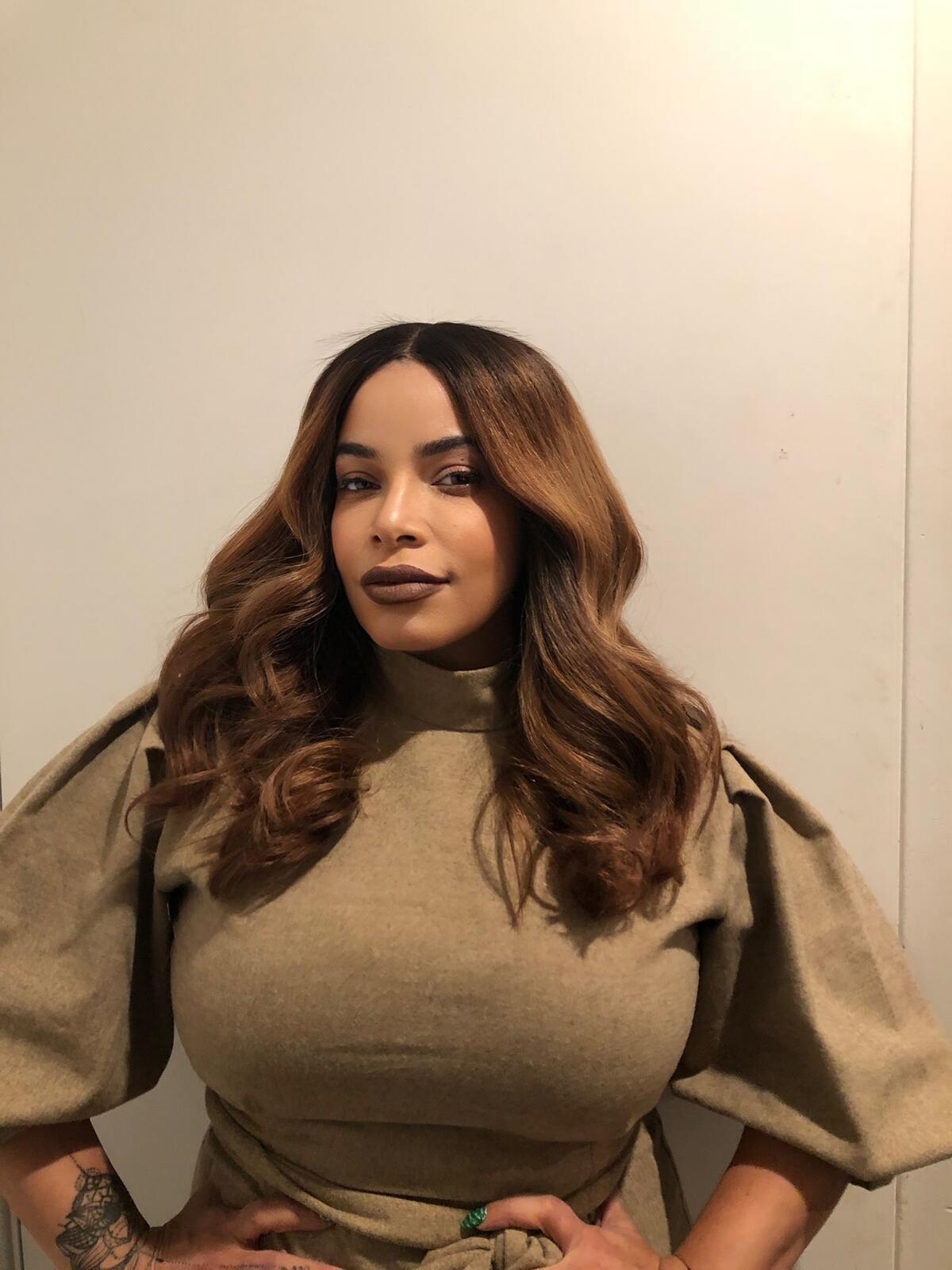
In Business of Home’s series Shop Talk, we chat with owners of home furnishings stores across the country to hear about their hard-won lessons and challenges, big and small. This week, we spoke with Neffi Walker, an interior designer and the owner of the Philadelphia store The Black Home.
Avowed Manhattanite though she is—having grown up and launched her career in Harlem—Walker has found tremendous success off the island, operating locations of her store in Jersey City, Newark and Brooklyn. She has since closed those outposts and this summer opened her Philadelphia flagship. The City of Brotherly Love provided the Afro-Latina designer the (literal) space to fulfill her vision of a home store that’s also a cultural center and a place to break bread. She is already at work on her next space in the city, a former bank, for which she also has major multipurpose goals. Ahead, she discusses the decision to move her life and business to Philly, her struggles with e-commerce, and trying to balance it all.
What was your career like before retail?
My professional background is in PR, especially around sports. Prior to interior design, I was controlling sports camps and sports agencies for NBA hopefuls. It was a totally different scene than what I’m doing now.
How did you break into design?
When I was having my fourth child, Nile, we were living in New York, in SoHo, and we decided to move to New Jersey. Being a New Yorker, I didn’t realize how shocking that would be. We had this beautiful midcentury modern home, and I just felt like it was The Shining. It was so far from everything I loved. But I went through it room by room, designing the space. Once I realized that it was kind of therapeutic for me, and something I had a knack for, I started redesigning a couple of friends’ homes as well. The fifth friend sat me down and said, “I think that you have something here. This could be a career.” I was a bit shy about it, because I don’t have any formal background. I have certificates now, but back then, it just felt good. It made sense. I leaned into that.
Why was retail the next move?
Again, living in The Shining, I felt like I needed to talk to adults, because at that time, I had four children. I was trying to figure out how to get into a space where I can have a conversation and be of service. I got a storefront, but I didn’t actually know exactly what I wanted to do with it. The storefront was a couple of blocks away from my daughter’s school, and it took me about an hour from where we lived every morning to drop her off. So I figured, “Well, this is great. I can have something right here. She’s close by, and it works.” As we were shaping up the store, I started putting home goods and home items inside—things that were reupholstered, or lovely vintage items. That was my first store, in Jersey City.
Why move to Newark when you did?
The Jersey City [space] was a small footprint, about 700 square feet, and my daughter graduated out of high school, so there was no [longer a] need for me to drive an hour away. Newark is closer. I had a conversation with the mayor of Newark, who ushered me into the city. We signed a lease 20 days after Covid hit. When we opened, about 3,000 people came. It happened to be the first day that restrictions were lifted to have large crowds. It all worked out well.
What is the general aesthetic of the store, and how different is it from your design aesthetic?
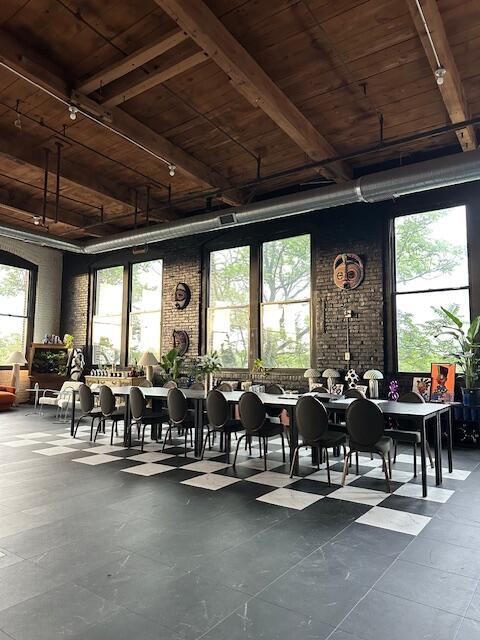
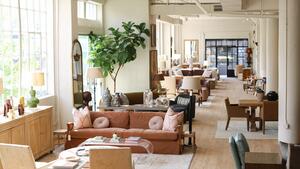
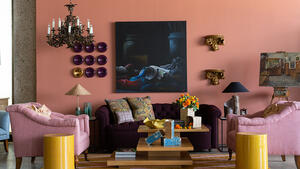
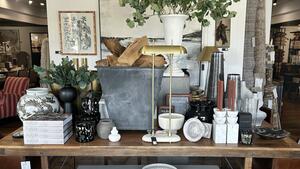
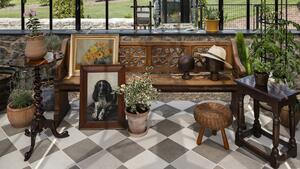
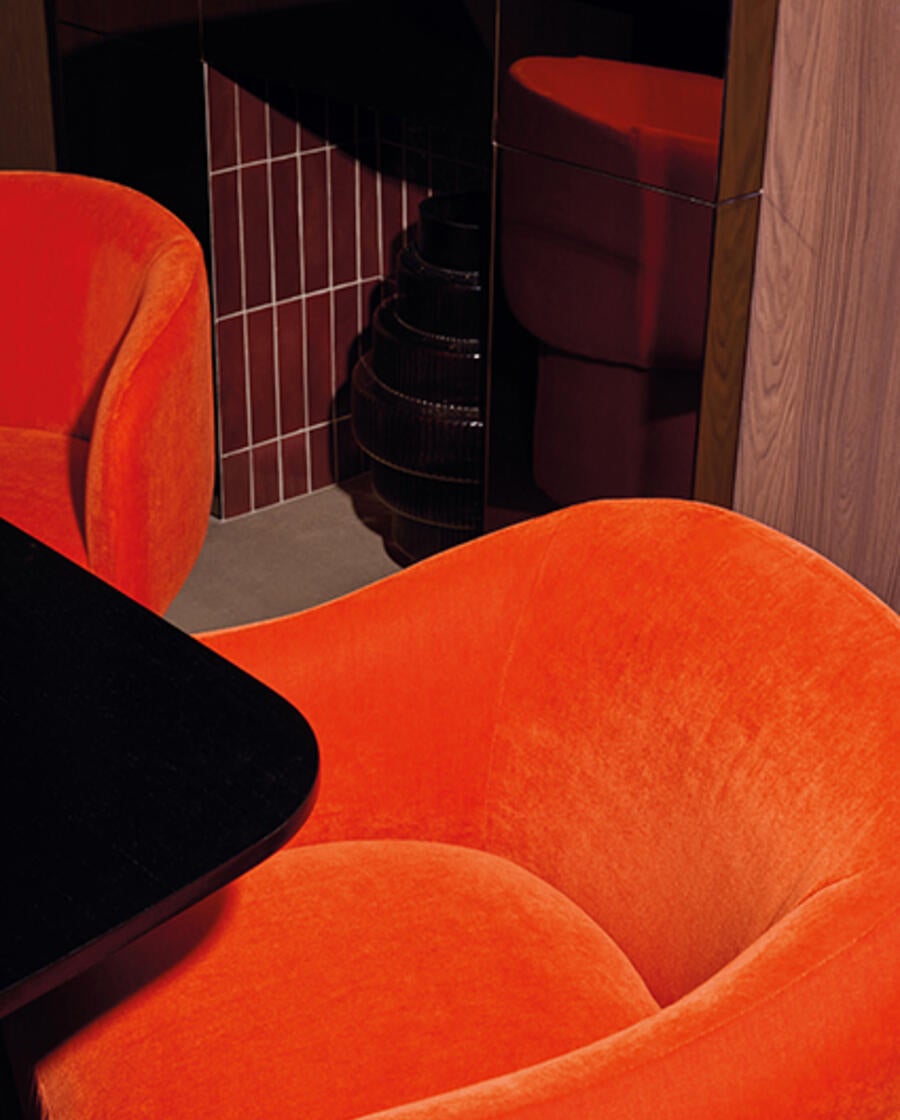
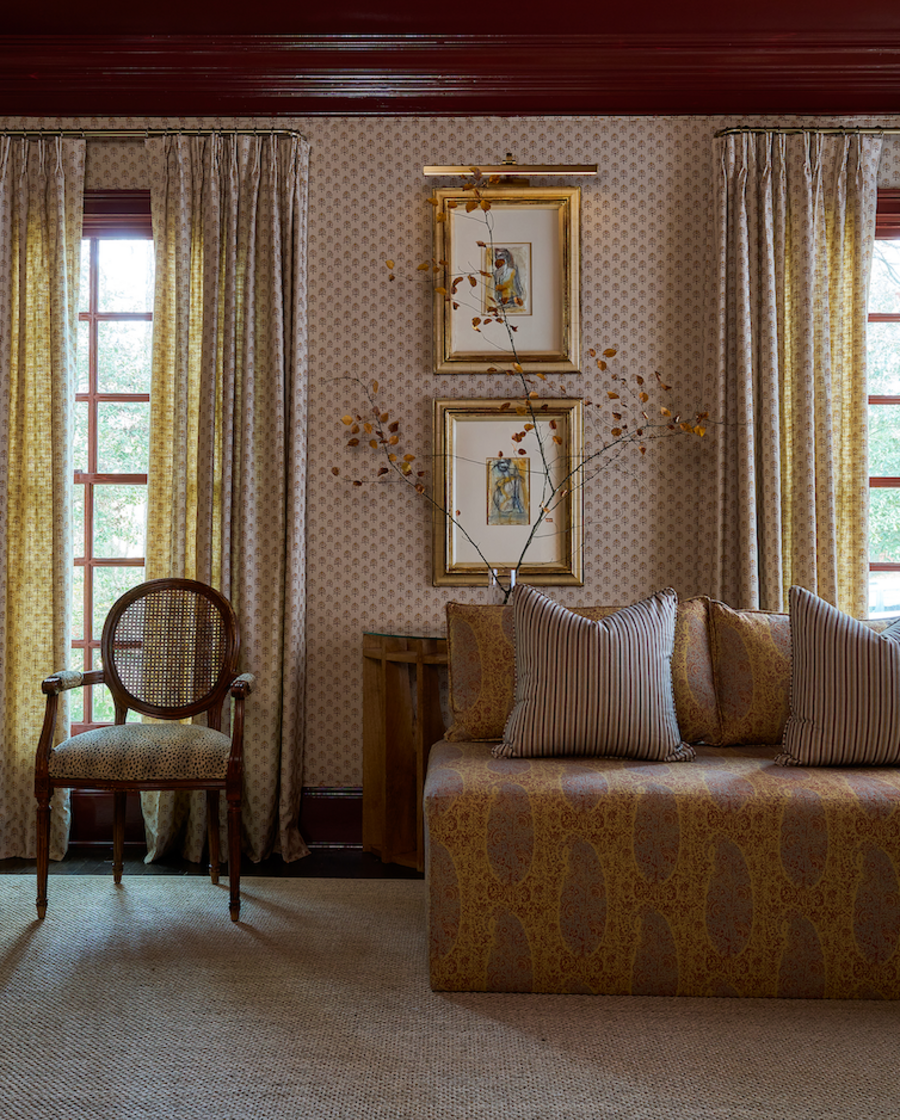
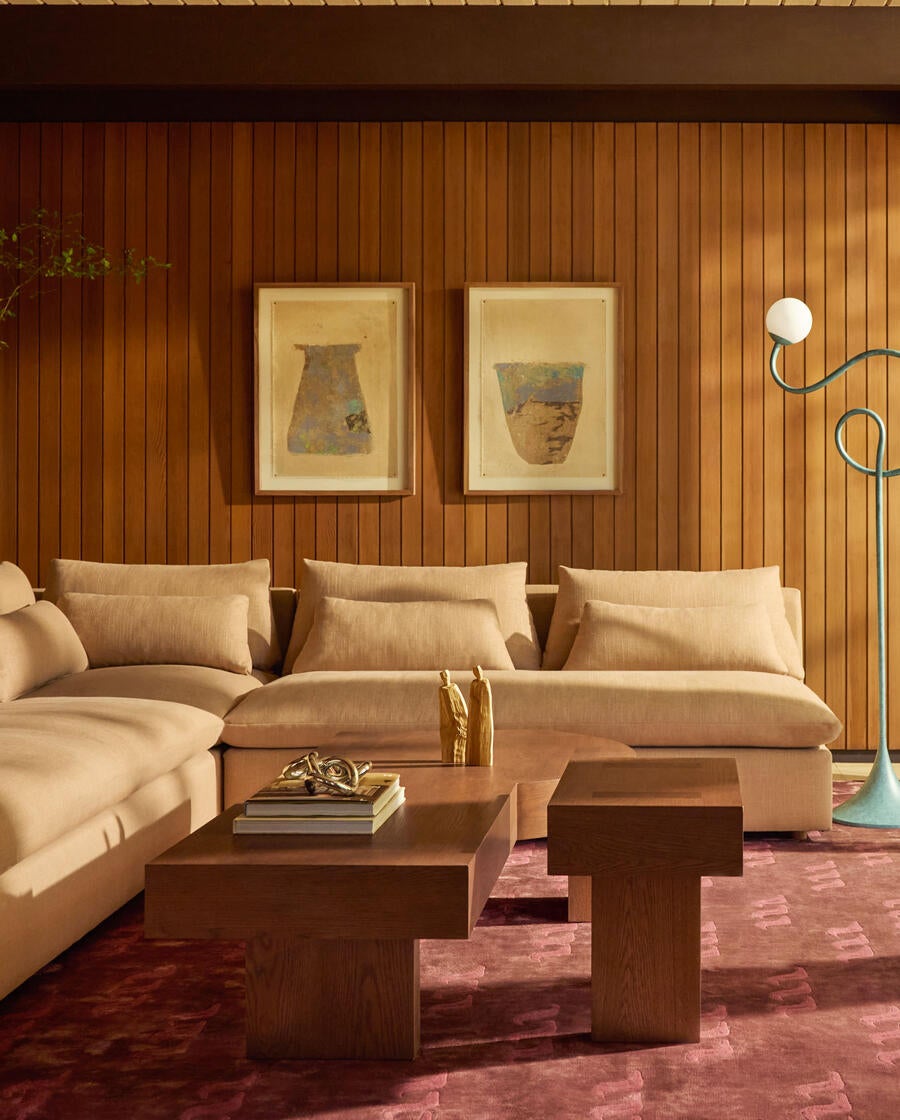
It’s very similar. It is just vibes. When you come inside, it’s dark, moody, sexy. Loads of plants, a lot of good vintage items, and new items as well, especially in the furniture section. It makes you feel something familiar, but you can’t quite put your finger on it. People tell me all the time that it makes them feel calm. They come in to buy something, but [stay] for a long time, because the music is playing, and it’s a feel-good space.
How do you choose your vendors?
I know a lot of people in the creative field, so the vendors and how I curate them are close to my heart. I gave a lot of vendors the chance to come inside the space, and then I used my network to amplify them. Every single vendor that I’ve had has [eventually] gone into Neiman Marcus or Nordstrom—they have all advanced. The Black Home has been a starting block for them. Every single vendor [is someone] I’ve had long conversations with, just to see their background and the love for what they do.
And it’s almost entirely Black-owned businesses, right?
For the most part. I would say Black and brown. Also women-owned, women of any color—that’s just where we land.
Tell me about a favorite vendor of yours, or a vendor you’re really proud to carry.
I’ll say two. We have these plates by Hebru Brantley, an amazing artist from Chicago. They’re kind of cartoonish, but it’s one of the number-one sellers that we have. There are four or five plates inside of a box that costs about $300, and people eat them up. They’re lovely. From the furniture side, we partner with Tov for a lot of furniture inside of the space. I enjoy the founder, I enjoy all the people who work there—this [family-owned], women-led business. Their furnishings are very aligned with The Black Home.
Is there something that you were known for with that location, or an item that was really successful?
Our candles were the first [proprietary] product we put out. Our candles float everything. Although we had so many things to choose from, people zoomed in on the candles, and they’ve made many rounds on social media. When we first started, it was just candles, and now we have our own furniture too.
What is your approach to e-commerce and social media?
My e-commerce sucks. I am really analog. With all the other things that I’m doing, I realized recently that I need to offload that part and let someone who knows how to do it, do it. I hired an agency to handle that. One of the problems we were having is that a lot of our items are one-offs, so if I show it on social media, someone’s DMing me, “I want that.” We’re trying to figure out: How do we keep that sort of product stocked? I do all the social myself. There’s nothing preconceived. If I like it, I take a picture and I post it. But I do understand that there’s a rhyme and a reason to it, so the agency will be taking that over as well. Hopefully, by the holidays, we’ll be rolling out a full site with all the offerings, but right now, it’s so tired and sad.
OK, so why Philly, and why now?
First of all, I love Philly, which is crazy because I’m really, really a New Yorker. But Philly allowed us to have the square footage that we needed at an extremely reasonable price, and with a built-out kitchen, which New York was not allowing at all. I wanted people to be able to come in, sit—like a cafe situation—and be able to shop. I wanted people to linger a little bit longer in this space. And then I purchased a bank, which is 10 minutes away from our Philly shop, an old-school industrial bank in Fishtown, and I’m in the process of building that out into [the brand’s] forever home.
And the dreams for the cafe area are for there to also be dinners and entertaining, right?
There is a supper club embedded inside of the showroom. We started programming this past Saturday, with dinner and a show, and it was magical. The acoustics are phenomenal. We have a music veteran doing all the programming, and the supper club will be twice a month, holding about 40 people comfortably. It’s six courses, and people just eat, talk, listen to music, have the time of their life. It’s beautiful to watch. The background is, of course, a beautifully curated store, so even when they come for dinner, they can shop at the same time.
Who is handling the food?
I'm working with Chef Tammy Lewis, a celebrity chef. She’s Kyrie Irving’s chef.
The supper club is called Paladar. Will you tell me about that name, and how it connects to what you want to accomplish with the space?
A couple of years back, my daughter and I took a trip to Cuba, and we realized pretty quickly that there were no real restaurants, except in Havana. The “restaurants” were located inside of someone’s home, and those spaces are called paladars. So it’s just a welcoming space, typically family owned, very small, quaint—and it’s normally a grandma or a mom cooking the food for you. I wanted to integrate that into all our space: It’s not a large restaurant, but more like you’re sitting down at a family meal.
How have you handled staffing, considering you need food staff now, and in a city that’s new to you?
Word-of-mouth. People knew that we were coming, so they were offering their cousins and their aunts. We also went on Indeed, and we put out an ad in Creatively as well, for senior-level positions. I have to say, staffing in Philly has been a little difficult. I didn’t realize the difference in salary. Coming with the New York state of mind, I want to make sure that everyone who works for us has certain benefits: childcare, paid menstrual leave two days out of the month, yoga and meditation sessions. I want everyone who works for us to feel they are taken care of.
I don’t think I’ve ever heard the phrase “paid menstrual leave” before!
I don’t understand how we as women even operate sometimes during our menstrual [cycles]! So if [my employees] need a moment, or if they need to take some time out, they can. If they don’t, then that time accumulates and they can add it to their vacation.
You’ve just opened this new space. But what do you hope is next for your business?
The bank is a large undertaking. The first floor of the bank is a steakhouse. The second floor will be like RH. It’s taking a lot of time and effort, which I love. I’m in the middle of doing a small-concept furniture line, which is so dear to my heart. That should be launching next year. And literally I’m now in one of my [design] client’s homes, so that part hasn’t stopped at all. It’s actually magnified, to the point where I can only take five clients at a time, and I only work in the celebrity realm. I’m trying to find the balance between the interior design and making sure the shop is just as nurtured.
Tell me about the furniture.
One of my clients recently took me to China, because TikTok was telling everybody, “This is where things are made.” My client, being so brilliant and inquisitive, was like: “I think we should go just see if this is real.” We went there, and because of who he is, we had the opportunity to walk through some of the most amazing warehouses and manufacturing plants I’ve ever seen. China is beautiful—we went to Guangzhou and Foshan—and I instantly fell in love. Working closely with the owners of these manufacturing plants, I was like, “Hey, I think I want to do this for myself.” That’s how it started.
What does your favorite day as a shop owner look like right now?
Saturdays. That’s when people have time to come in. I’m typically there on a Saturday, just so I can meet people and talk to ’em. Saturdays are totally my vibe. And then Saturdays are now the dinners, so during shop hours, I’m planning the table and cutting flowers. It feels like I am at home, about to host Friendsgiving dinner.

 Withdraw Consent / Manage Privacy Preferences