





In Business of Home’s series Shop Talk, we chat with owners of home furnishings stores across the country to hear about their hard-won lessons and challenges, big and small. This week, we spoke with Charlotte Smith, owner of the Raleigh, North Carolina, showroom Union Camp Collective.
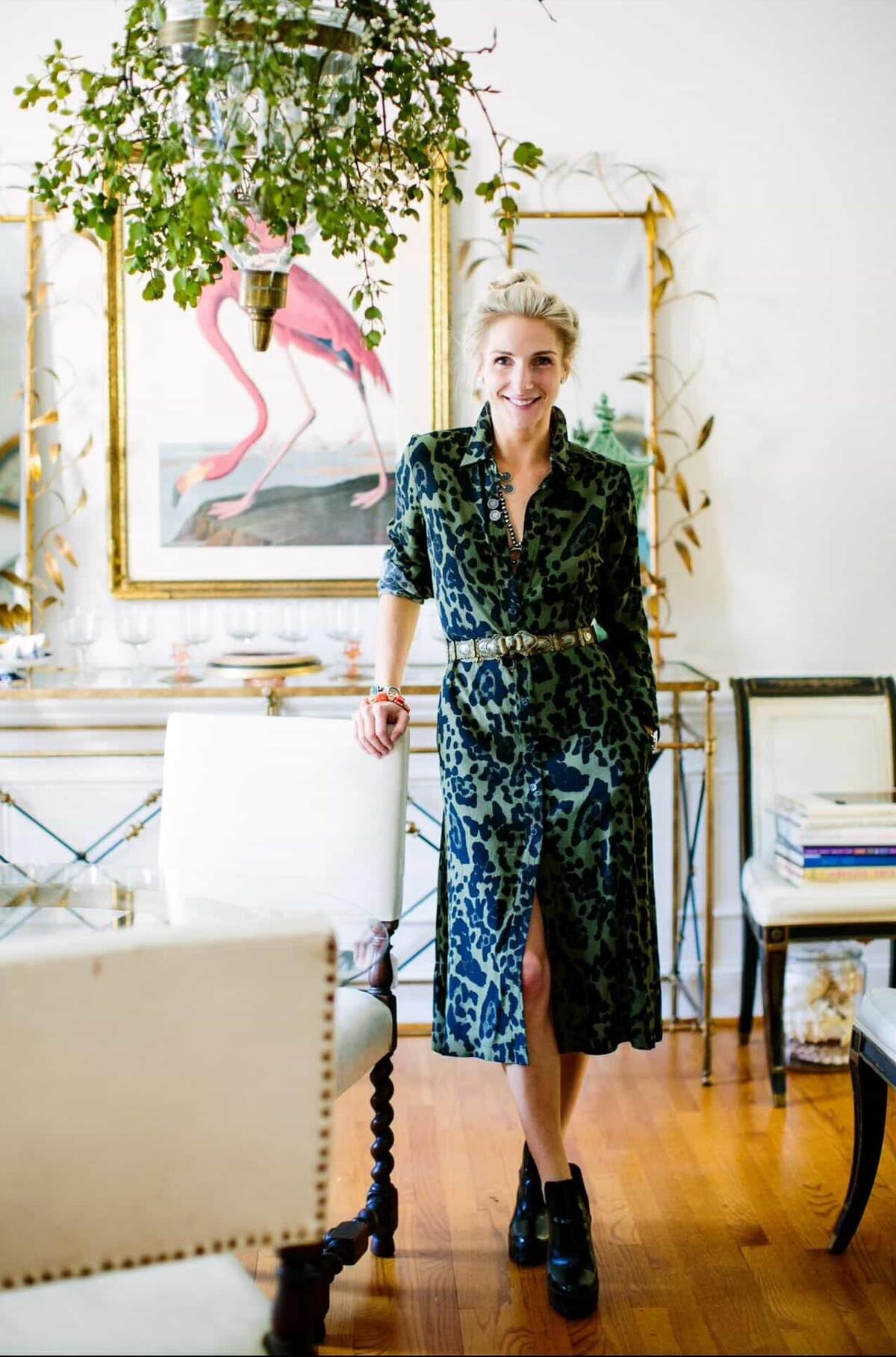
“How much time you got?” asks Smith as she reminisces about how her business began just over a decade ago. Her career took a winding path, starting with a few jobs in New York before she returned to her hometown, and to her mother’s vintage and antiques shop, where she eventually became a partner alongside her parents. “[When] they wanted to retire, I was either going to buy them out or start my own thing, and I started my own thing,” Smith says—though spotting a gigantic old auto garage for rent also played a major role. Ahead, the delightfully candid retailer chats about trying to nail down her aesthetic, inadvertently creating bad customers, and why spending more money is usually the right decision.
What’s your background in design?
I come by it honestly. My dad is a collector; my mom is a collector and an artist. They [went antiquing] for fun together. I graduated from NC State in 2008, and then the economy tanked, and I did whatever I could do to afford the rent I had signed on for in New York City. I sold wedding dresses at Kleinfeld Bridal. I was babysitting. I worked for Elisa Goodkind of StyleLikeU. She has an incredible business on Instagram now, but it didn’t start out that way. I worked for Johnson & Johnson in their global strategic design office, on their beauty team. I worked for the Kushners, as in Jared. I did a lot of different things.
I love New York City, but I got to a point where I was just working and working to pay rent. I would look around, and everybody seemed like they loved their jobs or their partner or their clique of friends, and I didn’t ever find my groove. That’s not New York City’s fault! It’s a magical place. But I moved back [to Raleigh in 2012] because I was not sure what I wanted to do. And I found that the successes I had with my mom—and watching my mom work and be in a creative flow state over long periods of time—was more rewarding than almost all of the professional experiences I’d had in New York. When you watch a wildly creative person finally hit it in their late 50s? There was something so holy about that, and really inspirational.
So how did Union Camp Collective start?
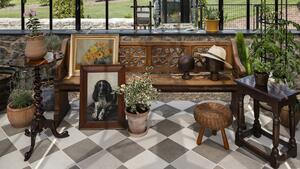
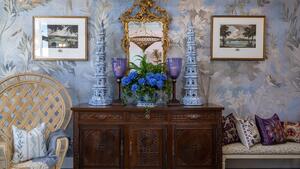
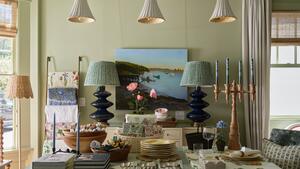
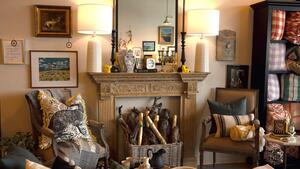
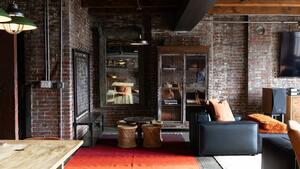
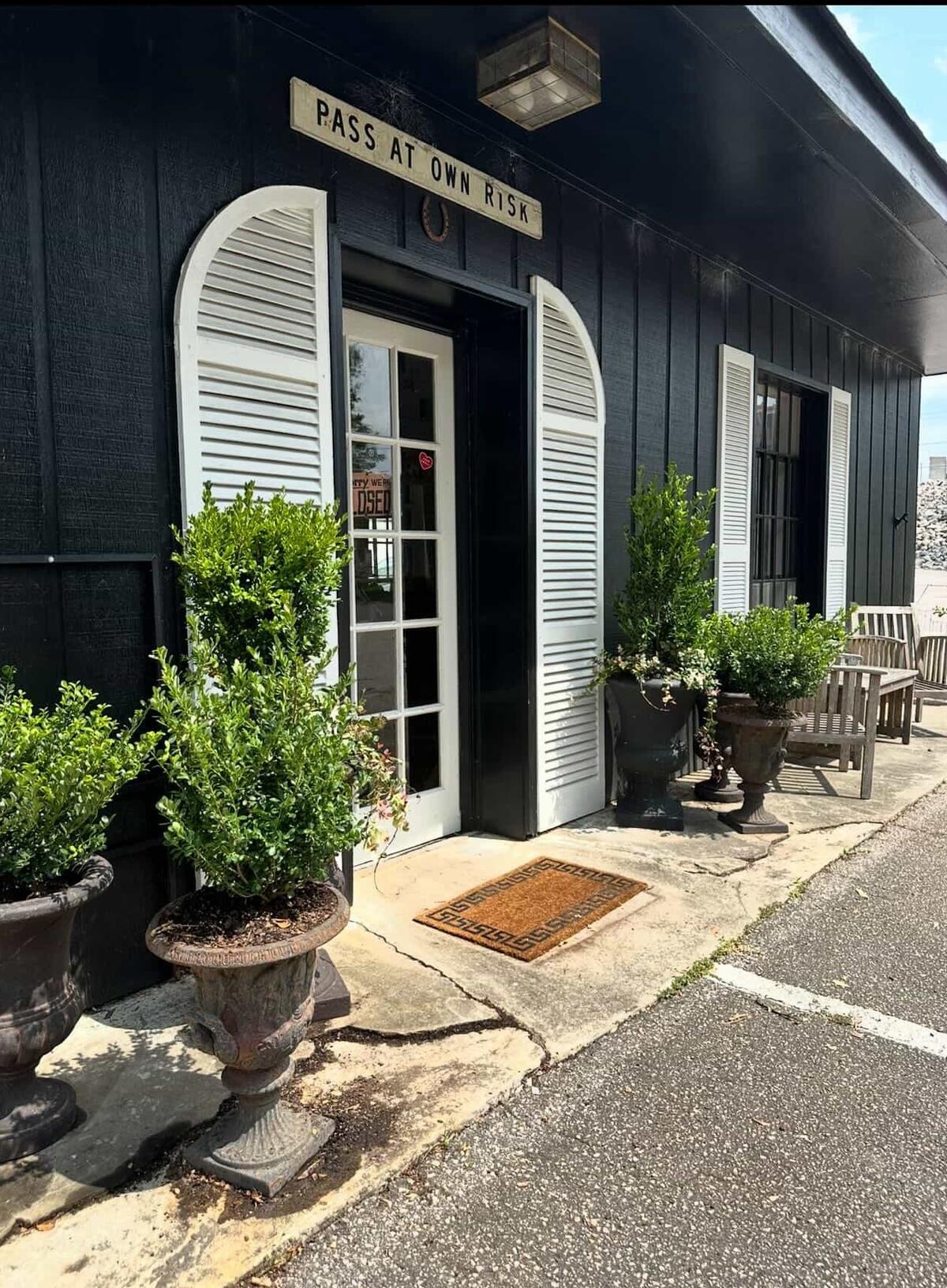
It started with the building. We got ourselves into a bad deal with a lease—so many business lessons in the past 13 years, I swear!—and we had to pivot to this random storage unit in the basement of a random building off a random street downtown-ish. One day, I was driving and spotted a “for lease” sign on an old auto garage with a great arched ceiling. I immediately thought, “I’m going to get that building and figure it out.” I certainly didn’t know how to fill 13,000 feet. It was the most delusional thing I’ve ever done. I was there for five and a half years, in a huge building chock-full of inventory. I moved over to a new spot three years ago. The look has changed over the years: It used to be more cheap and cheerful; now it’s a little bossier, in a great way. In the beginning, it was like, here’s a $300 sofa. Now it’s slower, more expensive, and more grown-up.
What has your sourcing process been like?
Get in my van and go north. I still have family in [New York,] and I’ve got family around Boston and Connecticut. I would just drive my van and spend the night with family and just pick around, whether that was thrifting or antique shops or consignment shops. [Early on,] I did not have kids, a husband, a boyfriend, a dog. I was completely free. There have been more auction items this year and last year, just because I did get married and have a kid, and it’s harder for me to get out and go. The hours are different now.
Who are your customers?
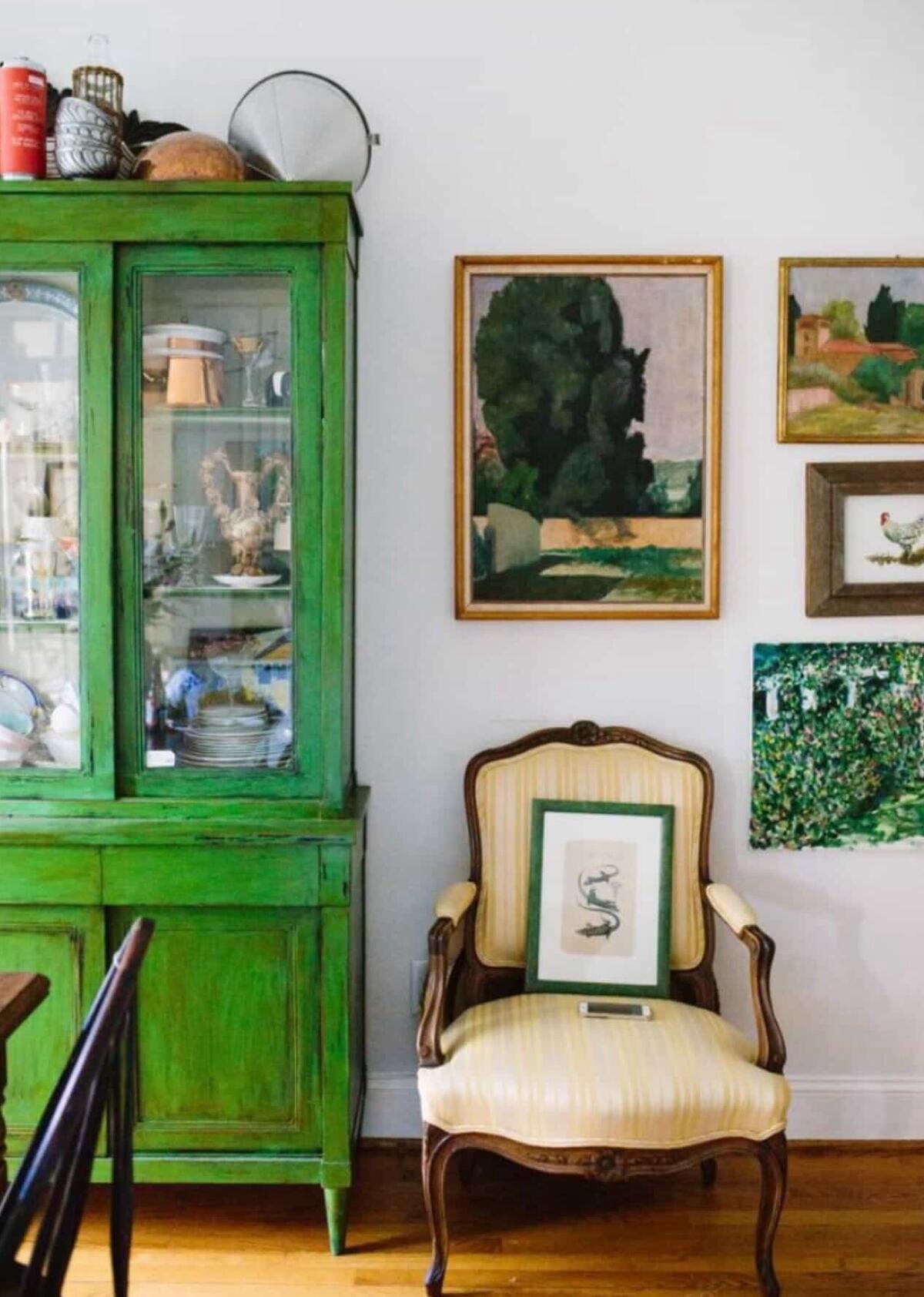
My customer is sustainably minded, maybe a little weird, with a great sense of humor. I like to say that my customer is a well-traveled person—they’re either traveling in their mind or traveling in real life. A lot of the game of selling vintage and antiques is a game of nostalgia, and I think that is more appreciated by people who have been out in the world. It’s weird aunts all day long. And young kids! I’m so surprised by young kids and their wallets. We get boomers too. It’s everyone. I’m so grateful to have designer friends and contacts, but I wouldn’t say I’m just for designers. I will say it’s mostly women, and I love that. There’s nobody that I can better relate to than women.
How did you arrive at your current hours and arrangement? You’re only open to the public on Saturdays, and most sales happen on Instagram, right?
Most sales actually happen in-store, but some people will slip into my DMs and say, “I can't be there for another two weeks. Here’s a Venmo.” I used to do a lot more sales through Chairish, and that stuff would go everywhere. That was really fun. But when I moved my business from the old auto garage, I realized that I needed to focus on selling everything immediately. Waiting for a customer to bite and then waiting for them to pick it up and then waiting for it to ship out—I couldn't afford that wait. So I sold everything for much less money to locals. That was a yearlong game when I knew I had to clear out of the building. I needed to rid myself of the inventory.
I got so burned out as I was moving that I stopped doing any of the stuff I didn’t really love doing around the business. That is computer stuff. I don’t even own a computer. It just stayed that way, but it’s slowing me down. I need to put way more time and energy into an online presence and selling stuff to people everywhere, because the locals are not enough. I need to sell way more to make this business make sense for my family. My landlord put two other dealers back here beside me. At first, I was really pissed about it; now it’s fine. They’re great people, and they have interesting things. Their only retail hours are Saturdays and Sundays, so I kind of just fell into their [schedule]. When people DM me and say, “Hey, can I come in Tuesday at 9 a.m.? I live seven minutes away,” I'll do it. And this month, we’re trying out Fridays. It is flexible, and I continue to learn so many lessons all the time. I’m not going to tell you that I’m an incredible businessperson or that I’m laughing all the way to the bank. It’s a tough season. I think selling right now is just hard for a lot of creatives.
Is there a product or category flying out the door for you right now?
I feel like English pine is having a moment. I mean, it’s never going out. It’s charming. It’s forever. But right now, I feel like people are yearning for warmth and charm and feeling. Even if you haven’t been to the Cotswolds, we know what it feels like from movies. You can’t go through a Nancy Meyers movie and not see some beautiful English pine. Also, scorched bamboo! Scorched bamboo is forever.
You’ve mentioned a lot of hard-won business lessons. What were some of them?
You can always make money back. I have had some really sad lessons when I was too cheap to buy stuff, where my wallet felt really thin—and it was! But I wouldn’t buy something because it was $100 to $500 off from what I felt OK with, and in hindsight, some of that is inventory I will never see again. It’s what sets you apart from other dealers: what you’re able to bring to people. All we’re doing is showing you things, and the weirder and more fabulous it gets, [the better]. So not buying stuff because I wanted to keep it in budget—what a stupid thing.
Oh, and realizing how small the world is, and that I don’t exist in a vacuum. Selling things too cheaply, just because I was hungry. It ends up creating a bad customer, and then they bring more bad customers in. Like, “Hey, you can chew this girl to bits, and she’ll take it.” As an owner, you start resenting them, but you created them!
What are some of your dreams for the future of the business?
I almost hate to say them out loud, but I have really big dreams. I would love to be buying abroad, and that’s really tough when you have a 2-year-old. I would love to purchase abroad and have some record of it. I don’t want a TV show, but I want a record of the people I meet and where I’m buying and where I’m staying. I would love to be the kind of shop where eventually, someone could say, “This is such a Union Camp piece.” I would love to have created a name for whatever aesthetic it is. It’s not shabby chic, boho chic, English cottage, mid mod, post mod, organic mod, folk mod. I can’t name it now, but I want to have established myself in a nice way. It would be really cool to be the one person sourcing all these incredible things that bring people so much joy. I’d love to travel more, and be open even less. I’d love to be open quarterly, after getting back from abroad, and it’s a free-for-all. But you’ve got to make tons of money to do that, and right now, I’m just making ends meet. Daycare is so expensive. Freedom is expensive.
What’s your favorite day as a shop owner?
My favorite days right now are Fridays. It’s nice to see designers, who are not going to come in on a Saturday. Most designers I know are clocking out after Friday. Saturdays are great because you see everybody, but Fridays are a new favorite. I really like connecting with people.