









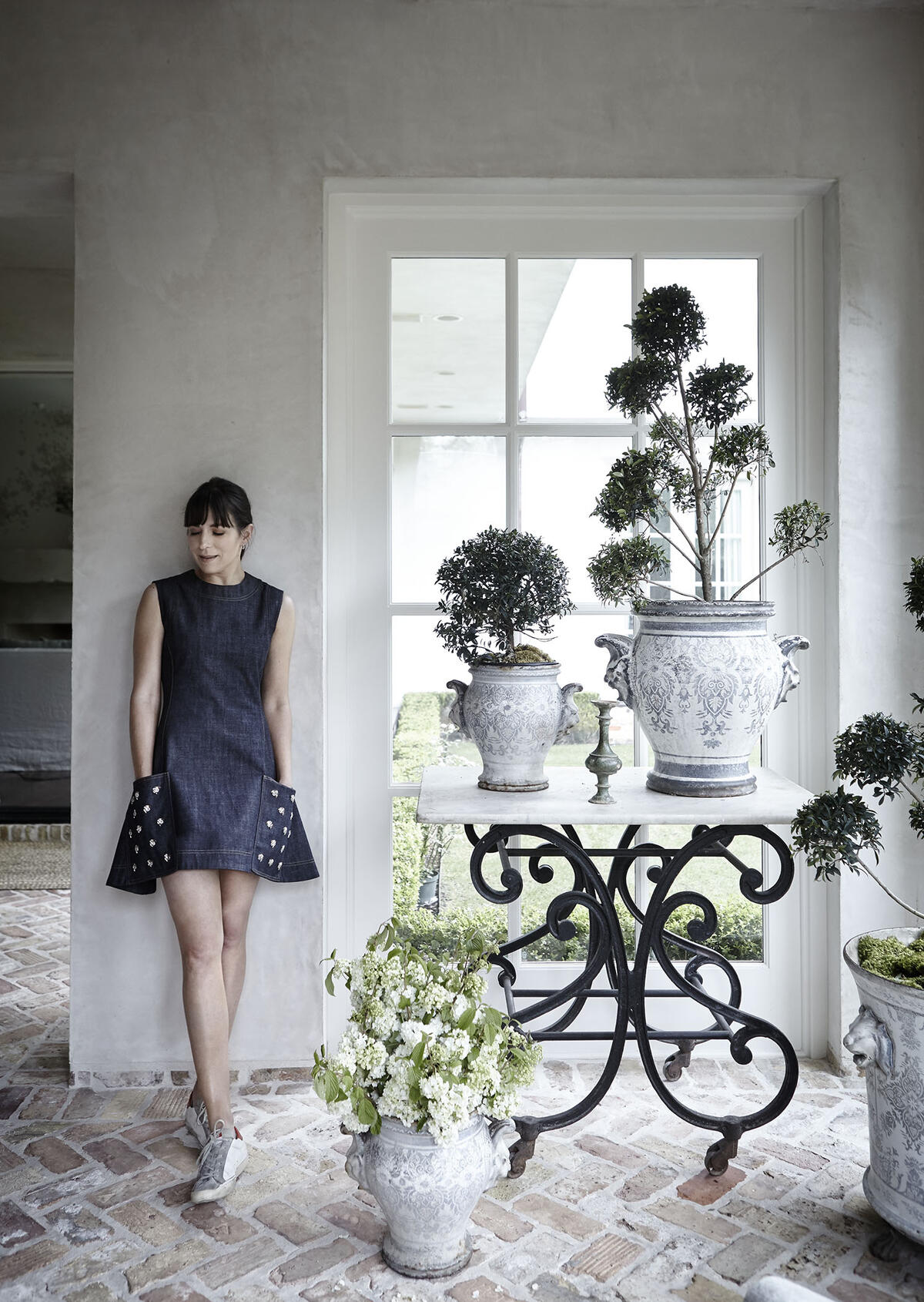
In Business of Home’s series Shop Talk, we chat with owners of home furnishings stores across the country to hear about their hard-won lessons and challenges, big and small. This week, we spoke with Margaret Naeve Parker, an interior designer and the owner of Houston home boutique M.Naeve.
Parker’s path to interior design is flipped from the typical arc: She started with a shop far before launching design services, and in recent years has looked to expand that retail foundation via e-commerce efforts, social media and a presence at Round Top. Ahead, she discusses taking the leap to buy a business when just out of school; navigating the language barrier with her most beloved vendor; and why she’s always been a “chair person.”
When did you decide to go into retail?
I have a funny story. I actually have no formal training in interior design or in furniture. It was always a passion of mine. In my early 20s, I interned for this lovely store, and [the owner] was looking to sell her business. She randomly mentioned this one day: “Margaret, I’m thinking about selling my business.” It was a small antique store with a really great reputation, and she in no way thought, “Oh, do you want to buy it?” I mean, I was 23 years old. I was trying to figure out what I was going to do with my life, really. But I went to my parents, and they helped me buy the shop. She took me on two buying trips to France to learn the ropes, and meeting her vendors was such an incredible experience. That was my education: Annette, whom I bought the shop from.
I bought the shop in 2006. At that point, the store was tiny. It was some vintage, but mostly antiques. We’ve grown it over the years to carry five contemporary lines as well, and I’ve traveled [and sourced] more than in just the South of France. I was so lucky—and a little naive—but I worked my butt off, and that’s how we got this. She had such a great following, so we were able to take that audience and grow it beyond just Houston. Five to seven years after that, I started my interior design career.
Were you always hoping to go in the design direction?
I had always wanted to do it, but the store came first because it was something I was so lucky to jump into. I learned so much through that. It helped build up that momentum to start that part of my career. I had a client who totally took a chance on me. It’s so hard for a young designer to get work, unless you have referrals and a portfolio, which at that point I didn’t have. I just had this really cool store. She hired me to do her bedroom, and she’s since become literally my second mother. We ended up redoing her entire house, and it was published on the cover of Luxe. She really started my career in interior design.
You’ve had a series of mentors/fairy godmothers.
A hundred percent. And a lot of hard work and a little luck.
Since you were inheriting this business, how did you begin to develop your own style?
The store was mostly 18th and 19th century French and Italian antiques. I think any designer, or any creative, you start following—I hate to say trends, but you see how things are evolving. You’re immersed in this creative world, and your eye starts [noticing] more things, especially when traveling to Europe and seeing many different styles and periods and vibes. I’ve definitely grown my eye from [those] antiques to, now, the early 20th century. I love Danish furniture. Art deco is having such a moment right now, and I’m really intrigued by that. So I think it’s constantly seeing things and traveling.
What’s the aesthetic of the store, and how is it laid out?
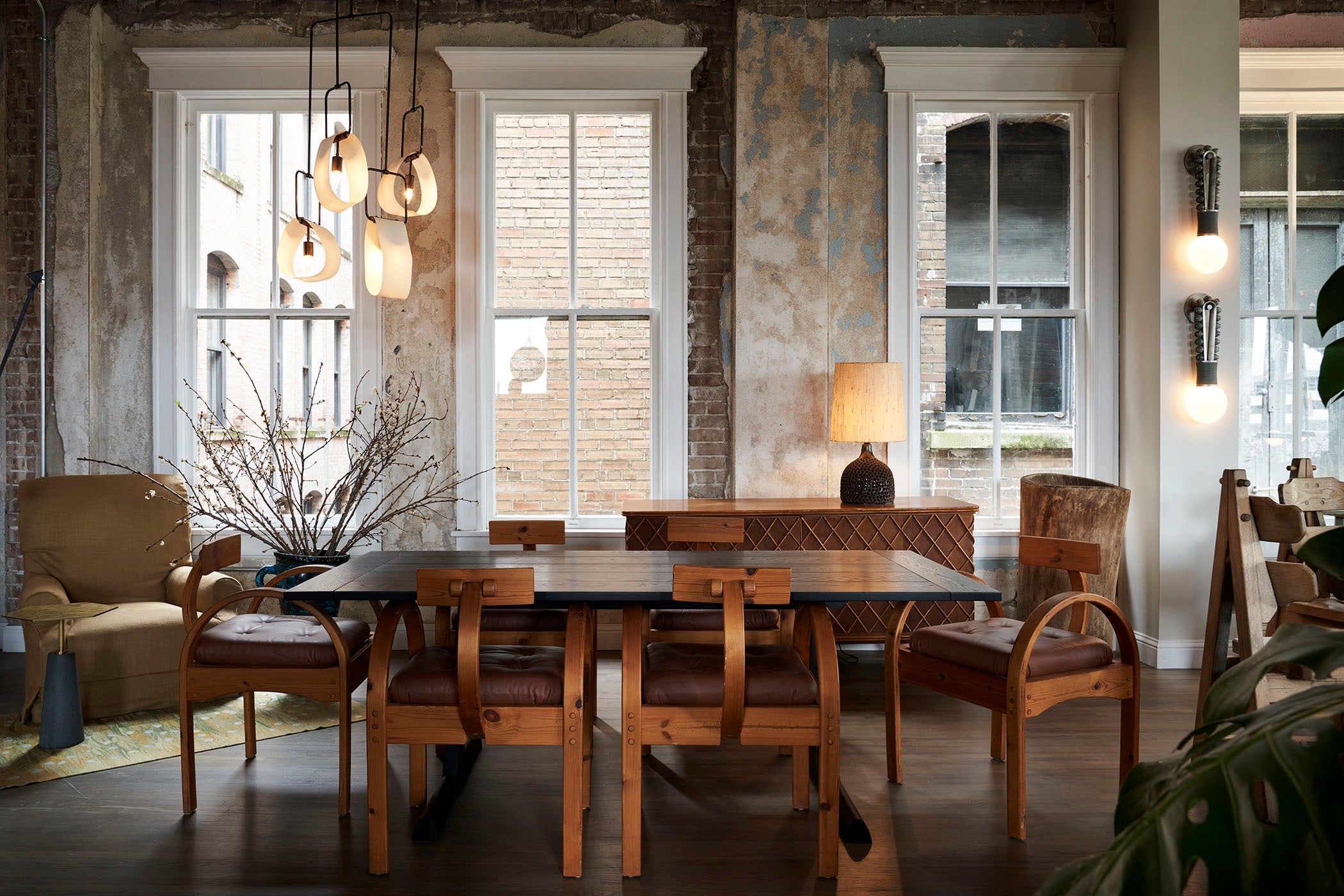
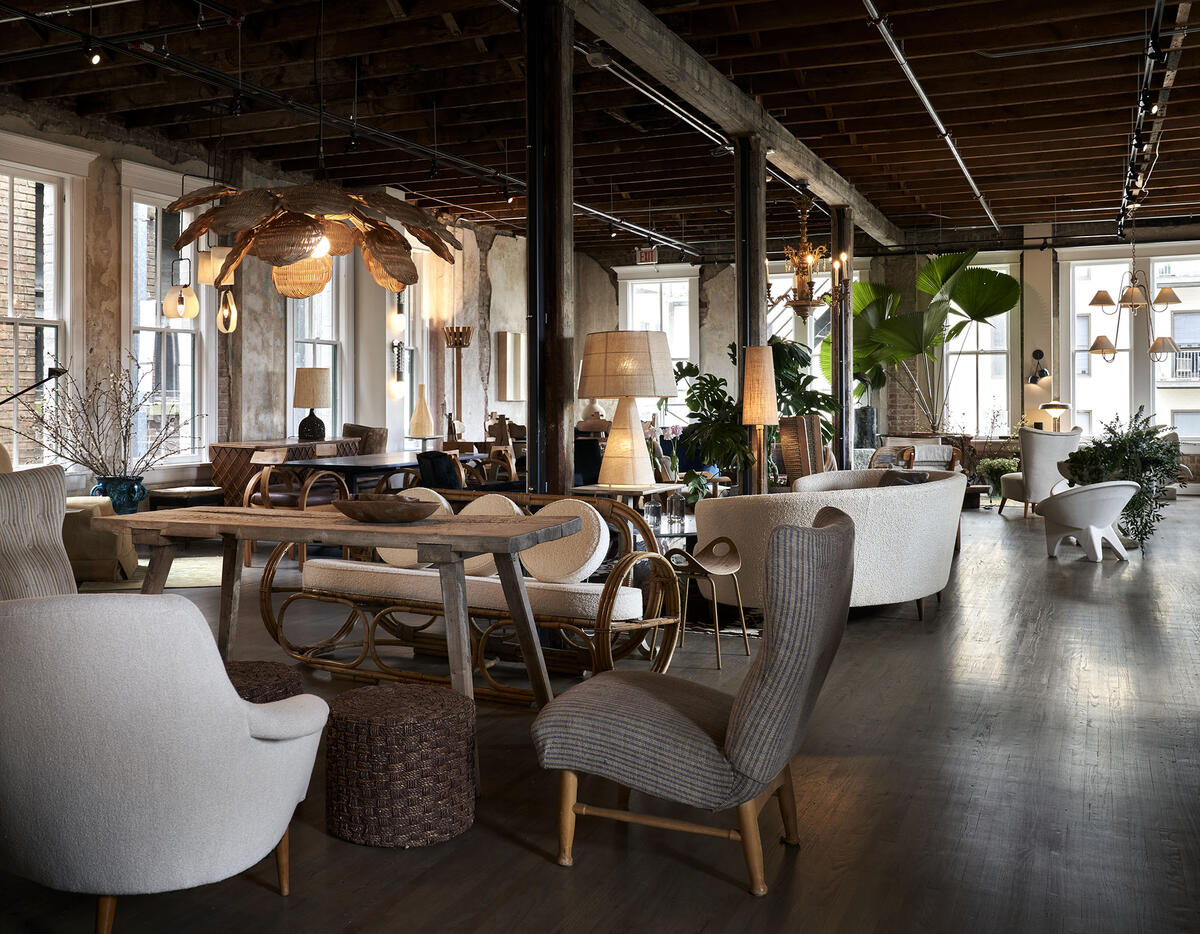
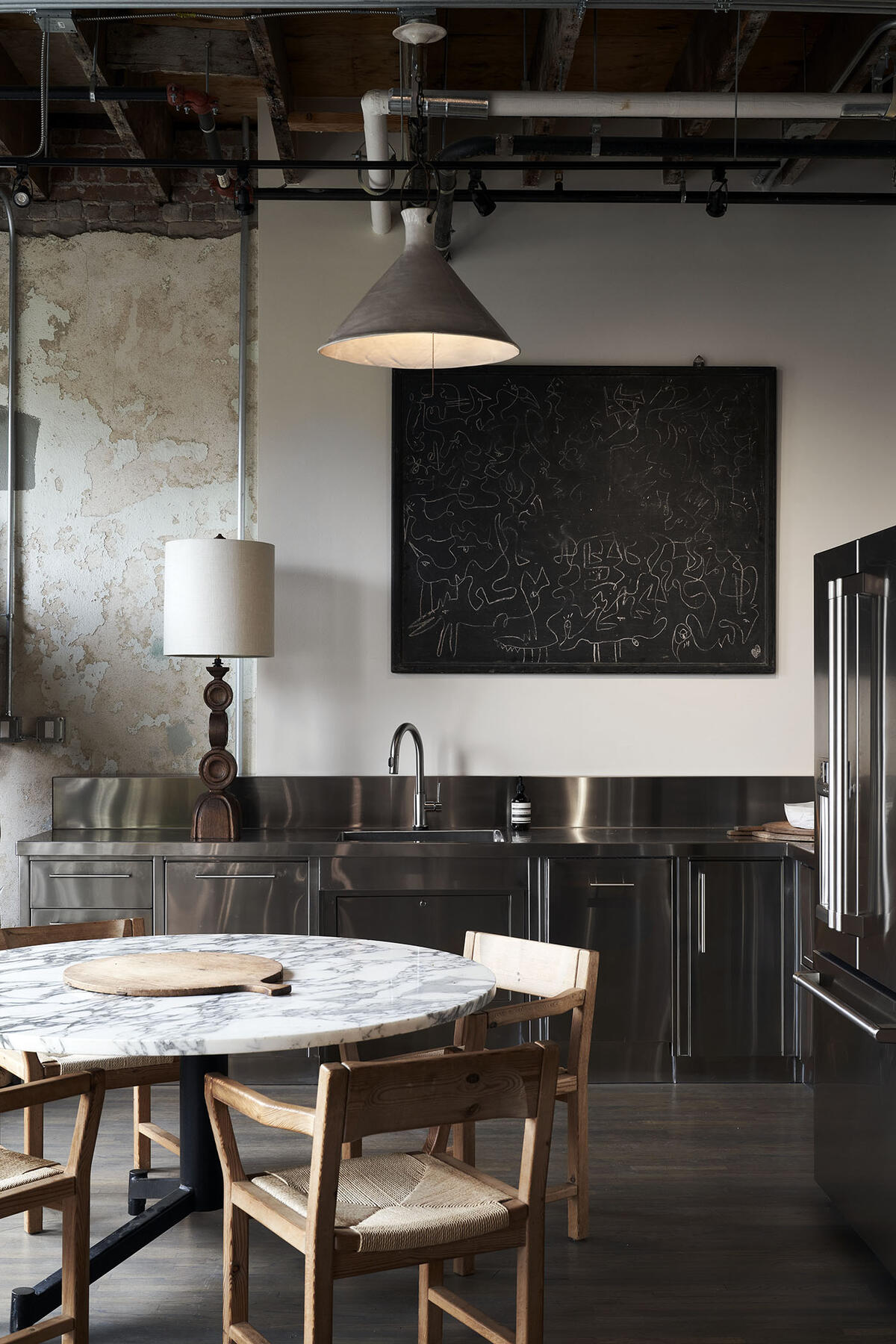
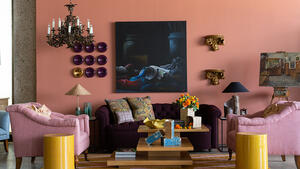
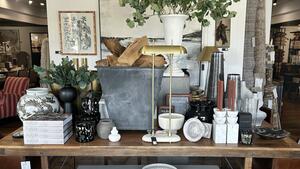
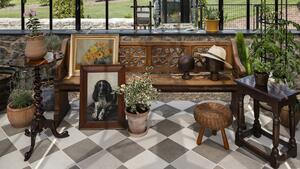
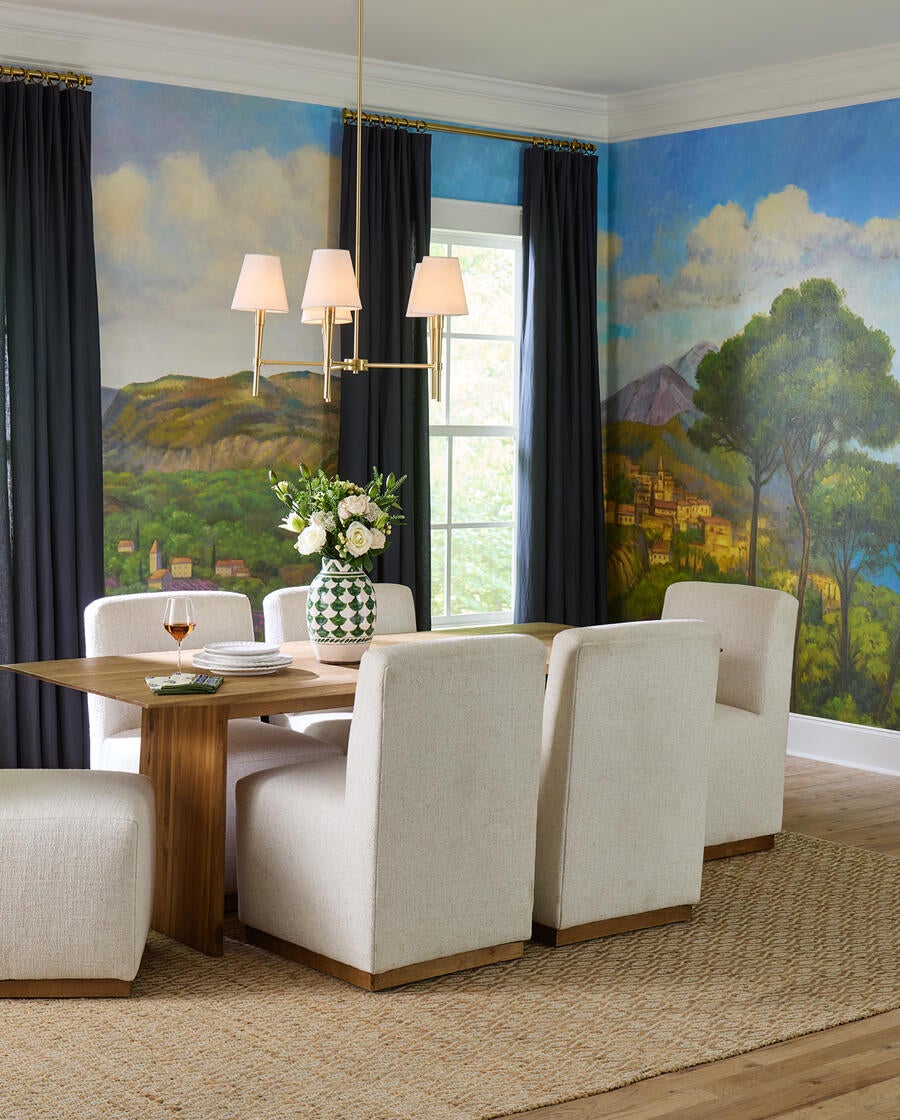
It is a mix of antiques, and then a lot of early-20th-century and vintage European pieces, sprinkled with our contemporary lines. It’s set up in vignettes, so the client—designer or non-trade—can see how to live with these pieces. I’m very much known for mixing different periods and styles in a way that’s cohesive.
Who is your typical customer?
It’s mostly to the trade, because we’ve been so lucky to develop relationships not just in Houston but nationally. We also have a spot in Round Top, which has become a huge part of the business. We show there at the antique fair twice a year, about three-week periods each. It’s typically designers from all over the world, so it’s the best marketing dollars I could ever spend. You meet this one client, and maybe they buy something that first time you meet, but even if they don’t, they get a sense of M.Naeve and the collection. From there, you start talking. They’ll ping you, “Hey, I’m looking for this set of 10 chairs,” or whatever they’re after, and it’s this amazing relationship that you can build on. It’s your first touchpoint. We have Round Top, and we just went [back] on 1stDibs.
How did you find all your vendors?
We’re always looking, but this whole business is all about relationships. When you meet so-and-so who sells this amazing piece, well maybe that leads to a dinner in France, and they have friends. I’ve been so lucky to have a handful of core vendors over the years, but I’m always looking for new people. Who is the next new contemporary line? Apparatus has done such a great job, but I’m always trying to have a pulse on what is next, who is next.
Tell me about a great vendor of yours.
I have a friend based in the South of France whom I met in ’06, and we became so close that he actually attended my wedding. He doesn’t have a website, he doesn’t have an Instagram. He’s just someone who has incredible taste, and we became best friends. He knows my taste, and he puts pieces aside for me. We go to dinner in France, and he hardly speaks any English! I have to try to speak a little French! I mean, communication is hilarious, but we’ve developed such a special bond that I’m forever grateful.
What’s your own favorite category?
I am a chair person. We were styling the Round Top space the other day, and one of my senior designers said, “Margaret, it’s like chair city in here.” I love an iconic chair. A pair, a single—it’s just a piece that I’m always drawn to. It’s a way to make a statement.
Tell me more about your e-comm. What’s your general approach?
Online has just become such a mainstay for the industry, especially since Covid. We can document our antique and vintage finds really well, so that the shoppers can get a feel for the item. We try to keep the website updated for current inventory; as a designer myself, we’re sitting there all day long sometimes, searching websites of people we know well. But since Covid, e-comm and keeping it updated is imperative. And I just got back on 1stDibs. We were one of the first Houston [shops] to be on 1stDibs, and then, I don’t know, I just decided I didn’t need it. In the last two months, we jumped back on.
What about social media? How much effort have you put there?
I love to use social media as a way to open the conversation about a piece, which often leads to forming a connection with repeat customers. We’ll post a piece, and then someone might ask about it, and that leads to them going on the website and creating this conversation. We’ll post sneak peeks of a container arrival, for example, and a lot of times that can lead to a request for a tear sheet, and chatting about other pieces people are looking for. It’s a starting point.
Is there an object or category that you can barely keep in stock?
Really good lighting, especially floor lamps. A really good vintage floor lamp is something that we can’t keep.
How has the Houston market changed over the course of your career?
When I started, people wanted more 18th and 19th century antiques. Painted furniture was very in. People love midcentury right now, a little more contemporary. I think that people have gotten more interested in all of these incredible new lighting lines that have emerged within the last 10 years. When I started in ’06, there wasn’t a Materia or Apparatus or Workstead, right? Lindsey Adelman started then. There’s just been so much growth.
What are some of your dreams for the future of the business?
I just want to continue introducing people to all these incredible makers and artisans, and continue developing my eye to offer the best pieces we can. Maybe one day M.Naeve does a furniture collection. I think that could be incredible. We’ve toyed with it, introducing a line based on pieces I’ve found over the years. I’ve been saving up some prototypes, if we have time to tackle something like that.
What’s your best day as a shop owner?
It’s the best feeling in the world when a client sends a post or a photo of a piece that they sourced in my store. It’s so gratifying to get that message saying, “Thank you so much for finding this!” Or seeing a piece of ours published in AD, or something from a client that sourced it from the shop. That’s the most rewarding—just a happy client.


 Withdraw Consent / Manage Privacy Preferences