







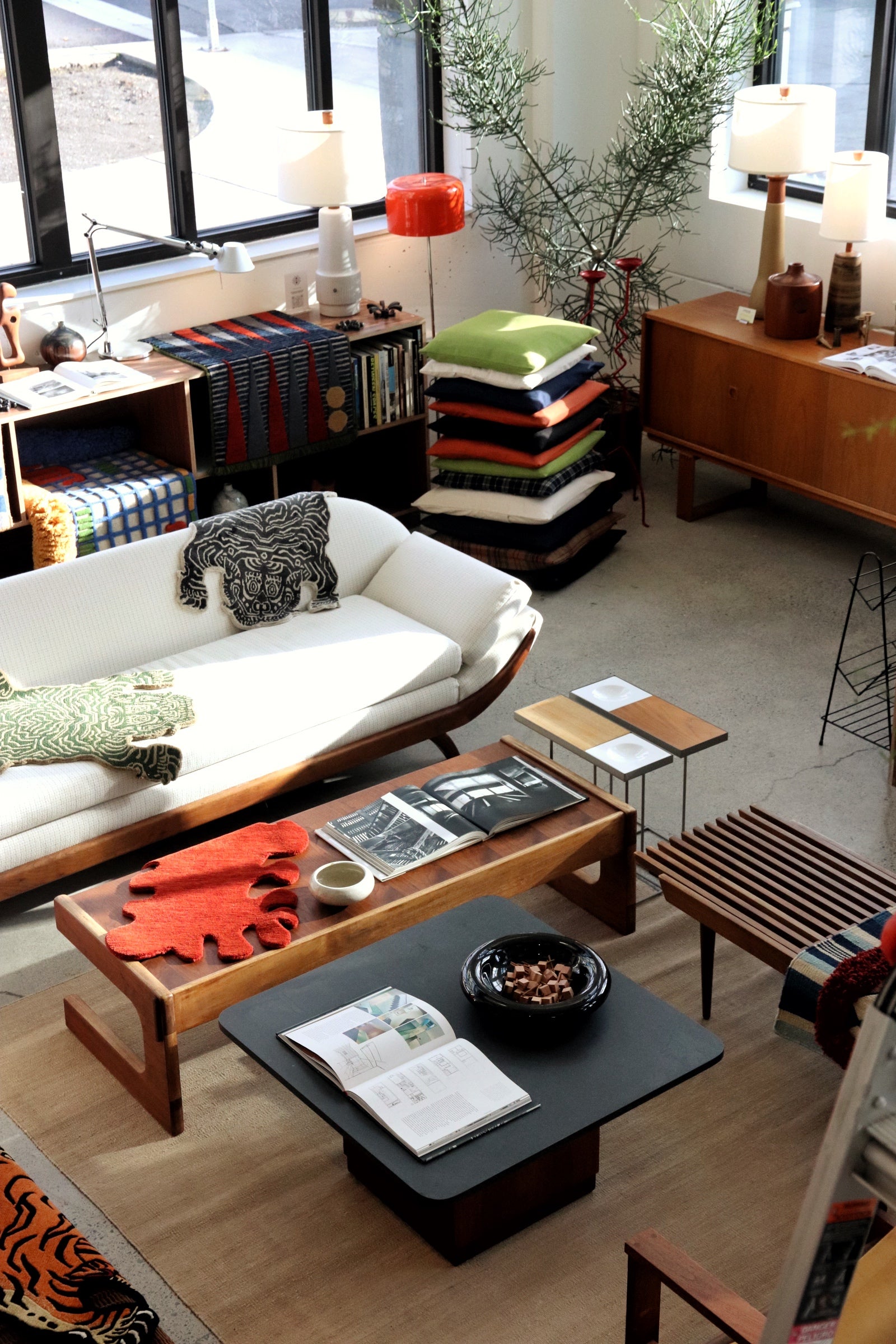

In Business of Home’s series Shop Talk, we chat with owners of home furnishings stores across the country to hear about their hard-won lessons and challenges, big and small. This week, we spoke with Alana Tang, the owner of the Seattle vintage home store In the Comfort Of.
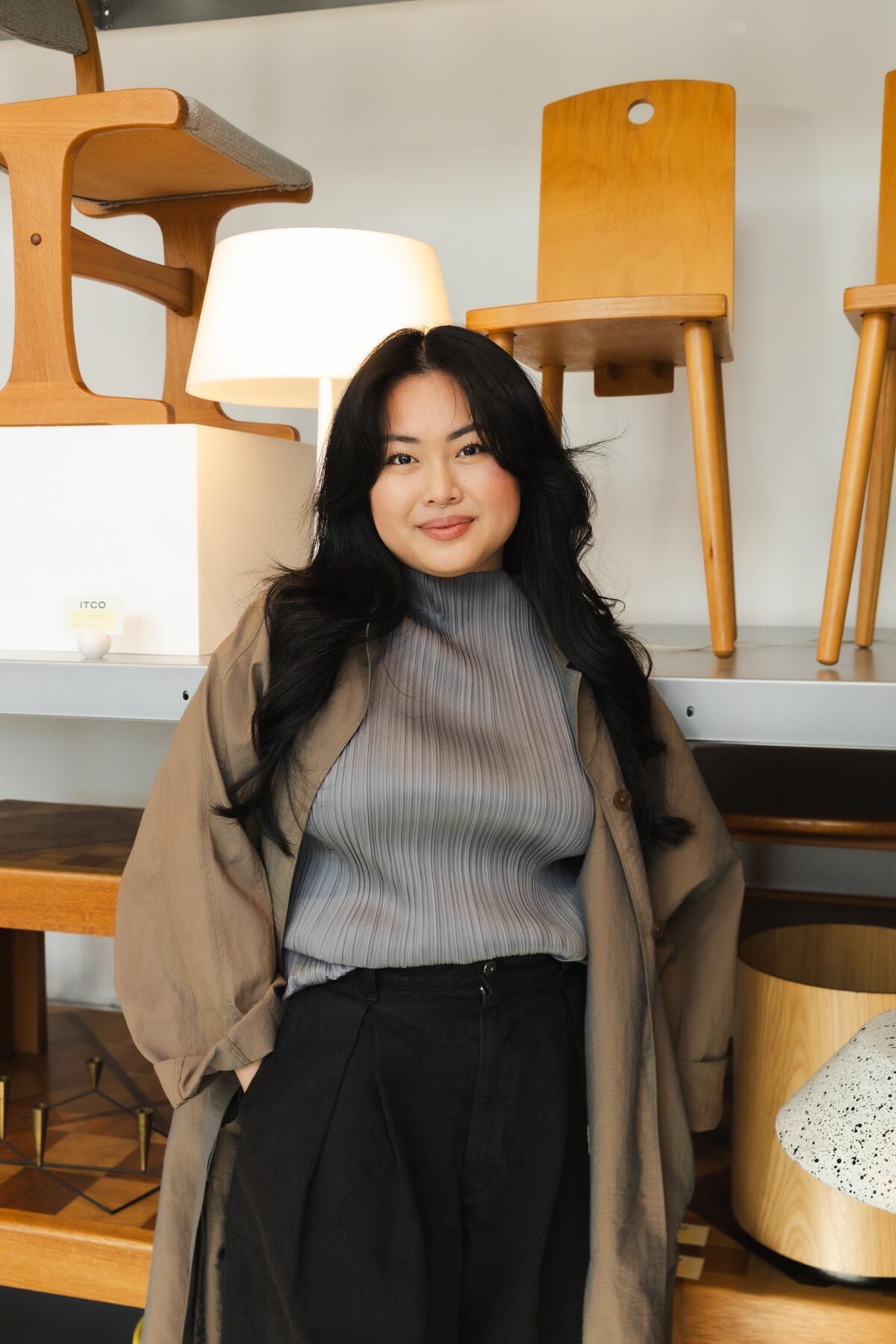
After five years operating a studio and appointment-only showroom in the Queen Anne neighborhood of Seattle, Alana Tang moved her business into a more curated store in 2024, establishing set hours that would make her vintage furnishings and home wares more accessible to more people. That she chose to open in the Chinatown-International District was no coincidence: She spent precious years of her childhood in the neighborhood, where her father had also run a store. But owning a shop is very different from running a studio, and while business has been booming, the last year has also brought challenges. A big one: the birth of her first child, which has driven shifts in schedules and priorities. Ahead, she reflects on the major professional and personal developments of 2025, how working from Chinatown has galvanized her bigger-picture goals for the store, and what it’s like gently steering Gen Z shoppers away from dupes and toward quality.
How did you come up with the store’s name?
A producer named Sango [released] an album called In the Comfort Of [about] 10 years ago. I really loved the open interpretation of the name. When I started the business, I thought it could be interchangeable: “in the comfort of Alana’s home” or “in the comfort of a business’s [items].” And so hopefully in the future—it’s probably going to be very far in the future—I’d love to start a series where I can write about somebody’s home or workshop or studio space. The series could be called “In the Comfort Of Blank’s So and So.”
What was your career like before the shop?
I worked in retail, and I was going to school for apparel design over at Seattle Central [College]. It was a pretty rigorous program, and in my final year, I ended up quitting school to pursue In the Comfort Of full-time.
When did the store open, and why did you want to go into retail when you did?
The store opened in November last year, but before that I had a studio that operated more as an appointment-only showroom. I wanted to open the store because I really believed in more accessibility than just the showroom. And I love the neighborhood that I’m in. It’s a pretty significant neighborhood to me and my life story: My dad had a shop here, and I grew up here. It’s a neighborhood that needs a lot of love. So it felt like a full-circle moment for me to choose Chinatown.
What is the vibe of the store? What’s the customer experience?
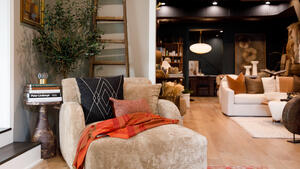
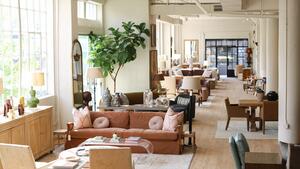
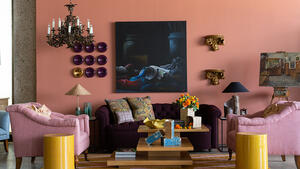
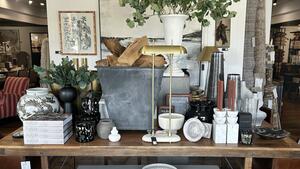
I’ve heard folks really love how curated it is. I think it is different from going to an antiques mall. It is more of a tailored vibe. I try to keep it fun too, and not too serious. Playful, but clean and inviting.
Who are your typical customers?
I have some regulars, but since opening the store, it’s a pretty good mix. There are some trade people, but mostly it’s just folks shopping for their home. It could be somebody who is still renting, or somebody looking for something more special as a first-time homebuyer.
Tell me about your sourcing process.
I’ve gone to shows in the past, but right now it’s going anywhere and everywhere [to] find something: everywhere in Washington, Oregon quite often, and in the past, California quite a bit—to flea markets and things like that. Before I had my baby, it was really just hitting the road and seeing what I could find out there, as well as sourcing online on the local platforms.
Is there a category or a time period that you specialize in?
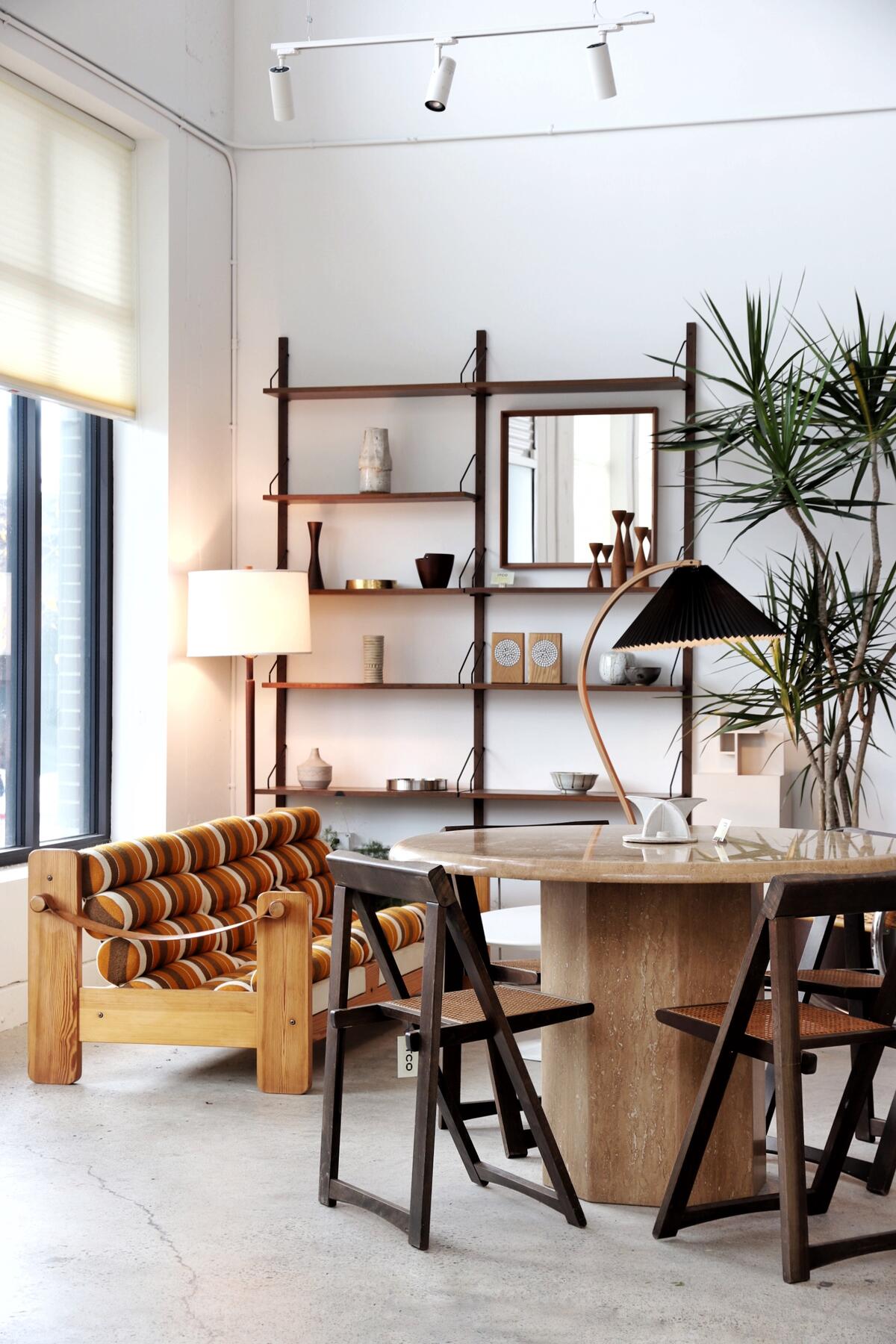
I really love midcentury, specifically Japanese midcentury and Brazilian midcentury design. But I also love the space age, and something I’d like more of is postmodern design. Those are my inspirations.
Is there a certain object or category that you can barely keep in stock?
I would say Italian art carts—those plastic trolleys. Those are really hard to source nowadays. When I get them in, they’re out the door immediately.
Have you seen demand change for a certain thing over the years you’ve been operating?
I think people are shopping a bit differently now. Coming out of Covid, people were so excited to get their homes in order. There has been a significant slowdown in the last few years for many serious shoppers, but there’s still great opportunity out there. I think the people who are still shopping for their homes today, whether by themselves or working with a designer, more or less share the same philosophy as me: that loving your home paves the groundwork for solid routines and rest. When your home feels good, you feel good.
Have you noticed the market reacting to economic changes like the tariffs?
Although tariffs thankfully don’t affect my cost of goods, they’ve affected other things we rely on as a business, like supplies and tools. It’s made our expenses a little less predictable, and that much harder when it comes to budgeting.
What is your favorite product in the store right now?
Something that just left the shop—which I would have a million of them if I could—was a Brazilian leather sofa. Something [currently] available is this floor lamp that’s canvas-wrapped and kind of playful because of these four black rubber wheels, so it can be rolled around. I think it was made in the 1990s.
What is your e-commerce like, and has your platform or strategy changed over time?
My e-comm is good, but I’d like it to be better. Before I had the store, when it was just the studio, most of the business was online. Now, wearing all the hats, my priorities have shifted a bit to in-person. Something I’d like to work on is a newsletter to bring back more e-commerce business again.
What is your staffing setup like?
I have two wonderful employees. We’re a very tight-knit team of three. They help me with things in the shop and are my photo assistants when we need to shoot some product. I handle the managing, admin, photography and sourcing, and then my staff helps with assisting customers in person and over the phone during store hours.
Having your own business and having a child can be difficult. How did you prepare yourself (and your business) to be on leave?
I really lean on my team for that support, and they have been so wonderful. These women were my friends first, so I have a deeper connection [to them]. They stay quite involved, in the business and outside. It feels really wonderful to be held by community in that way.
Is there a business challenge specific to operating in Seattle?
The neighborhood I’m in comes with challenges. I went into the location knowing these challenges, and I pursued it anyhow, because I think the Chinatown-International District is such a wonderful, lovely, vibrant community. I wanted to be somebody who poured back into the neighborhood.
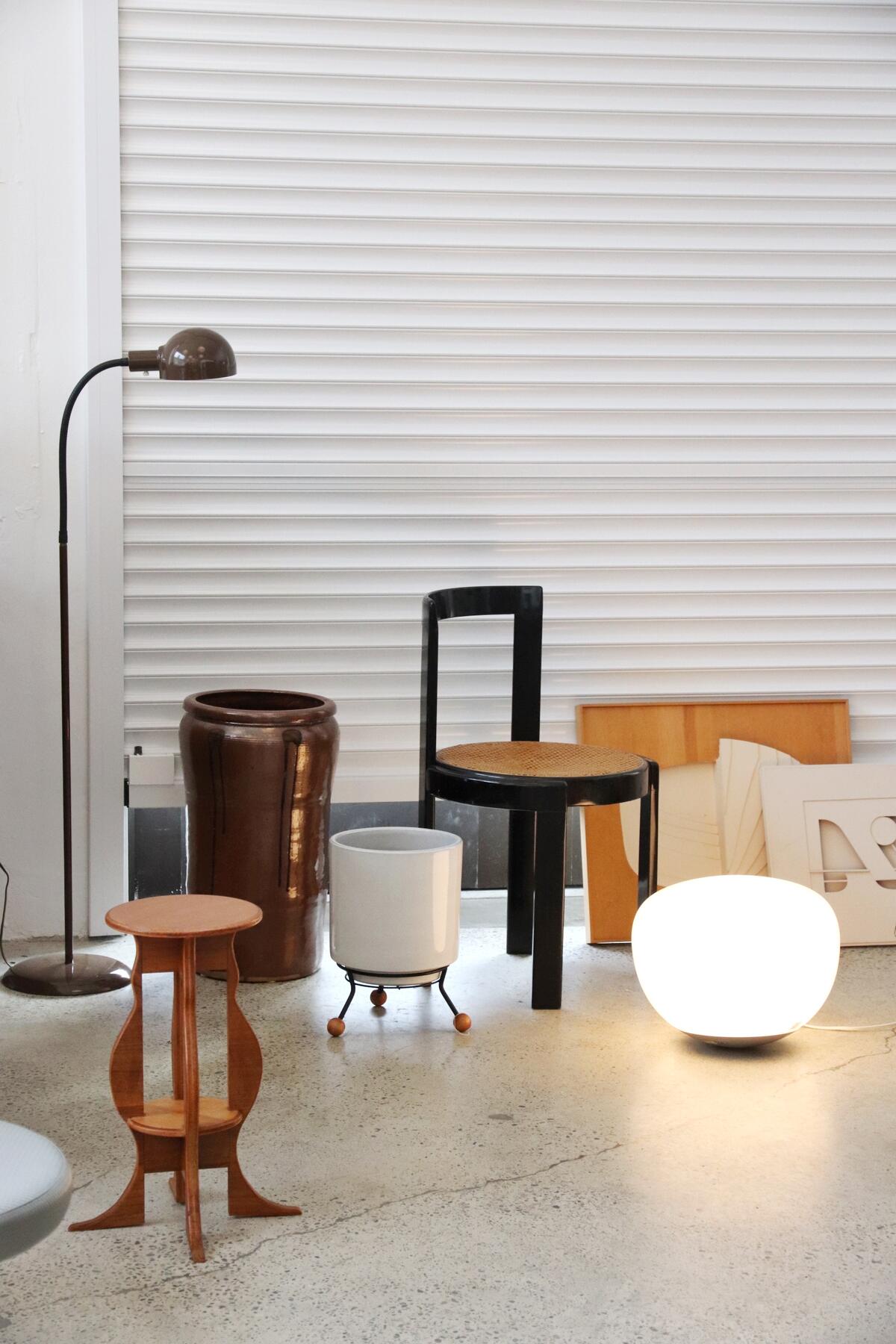
Years ago, I spoke with another Seattle retailer who expressed that one challenge to the city is that Seattle people aren’t especially flashy so don’t necessarily want to deck out their homes; that there’s a lot of wealth but it’s a low-key place aesthetically. Is that a characterization that you recognize?
I don’t think I recognize that. People care about their homes and what they put in them. Selling vintage furniture, I can speak to the timelessness and longevity of it. But I think for the newer, younger consumer, they’re so used to buying things new that introducing vintage is where I [need to] use that language, [and speak to] the longevity. It’s fun to introduce something to somebody. I’ve found you have to educate the younger crowd on what it is that they’re buying or looking at.
Right, like how do you convince people who are used to buying particleboard everything, or cheap things on the internet, that buying furniture of quality is worthwhile?
I always encourage people to buy what they like. We have a Kasala outlet here, and usually when somebody [moves] into their first apartment, they’re going to stop by all these different stores, the Kasala outlet [being] one of them. It’s a contemporary showroom outlet, so you’re getting something new, and it’s on sale. I tell people, “If you like the dupe, there’s no shame.” But if they’re going to ask me my opinion, which happens quite often, I say that I’m kind of a purist, so I would take my time to find what it is that I want to find—the original design of something, or the original manufacturer: “There is no shame if you like something and you want it now, but once you start to care about design more, you will find yourself thinking, ‘Well, I really do want the legitimate version of this.’ If it’s something you care about, it’s something you’ll take the time to try to source yourself.”
What are your hopes for the future of the business?
It’s outside of the business, but I really hope to see Chinatown thrive and prosper—when it comes to public safety, businesses staying open, businesses staying busy, and reclaiming its reputation. There are folks [who find] it so wonderful and beautiful and colorful and vibrant, and then there are others who can be a little bit scared to come visit the neighborhood. I’d love to see the neighborhood be revitalized.
What is your favorite day as a shop owner?
Hitting the road with a pretty loose plan, making a bunch of stops, and seeing what I find.

 Withdraw Consent / Manage Privacy Preferences