


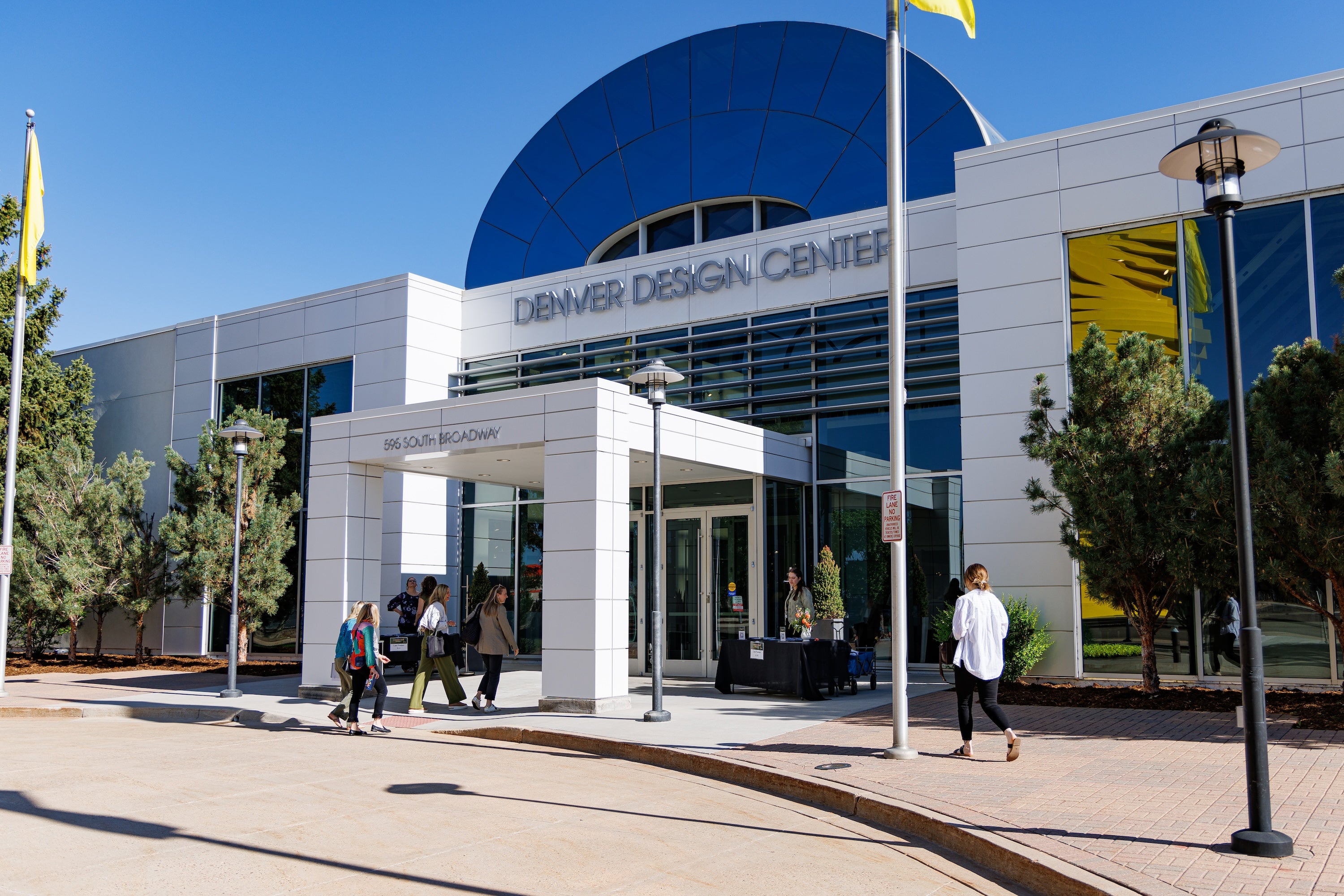

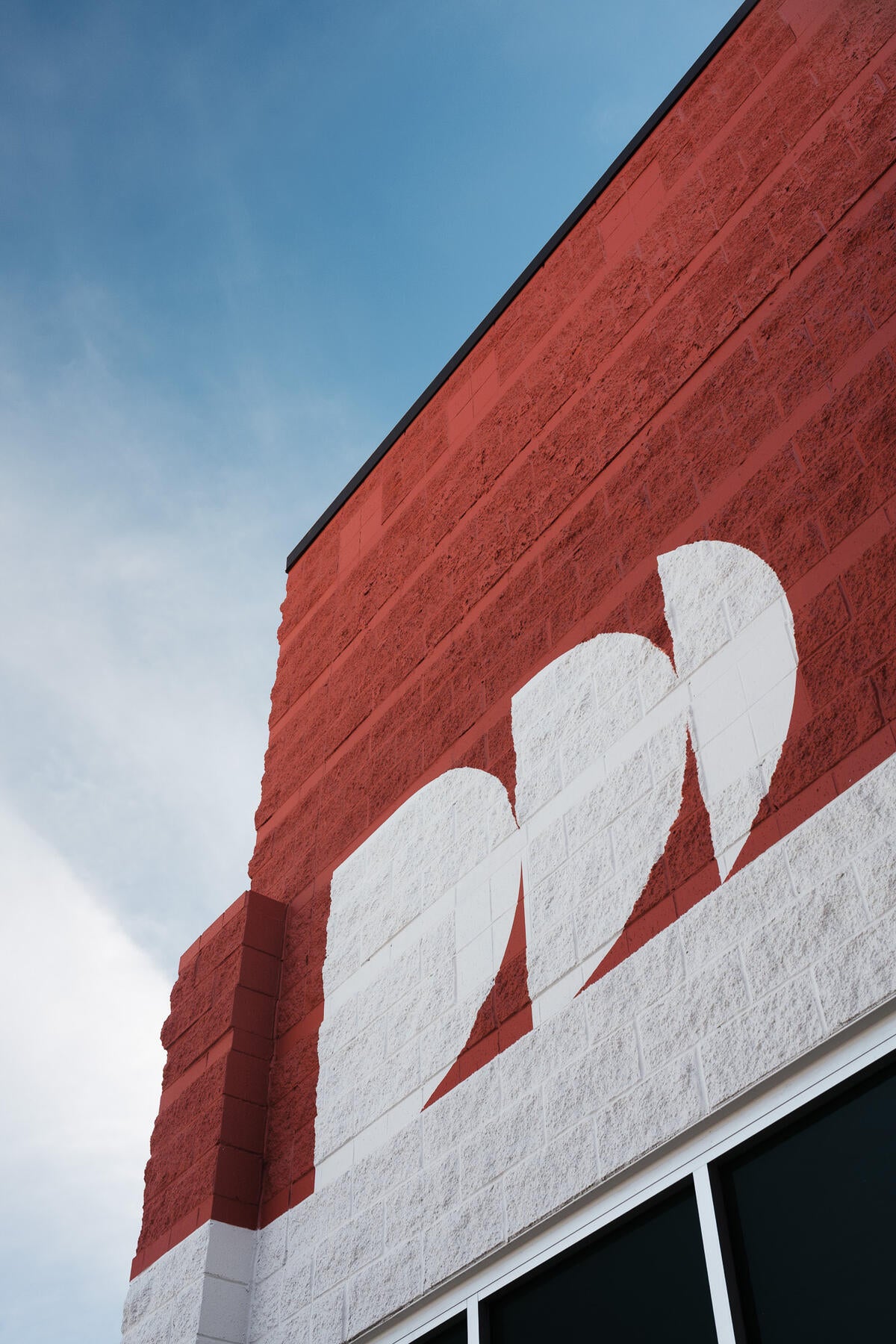
The complex formerly known as the Denver Design Center is getting a makeover. Now called the Denver Design District, the five buildings spanning 300,000 square feet are relaunching with new showrooms, culinary experiences and art installations—and a refreshed brand identity. The goal is to better serve the Rocky Mountain region’s growing design industry.
“A lot of times when you do a rebrand, it’s just a logo on paper and a new font,” says Denver Design District CEO Dan Cohen. “What we’ve committed to with this is a physical transformation of the built environment. We’re adding sidewalks and better connectivity between some of the buildings, [including] a new pedestrian promenade that will incorporate a bunch of outdoor seating areas and an all-day café and marketplace concept. That space will become more of a community hub where designers and their clients can sit and eat and have a glass of wine.”
Over the next few years, the goal is to expand the center’s 45 showrooms to about 55 that range from trade only to regular retail. “One of the things with the repositioning is that we really have taken the attitude of, ‘We’re open to everyone,’” says Amy Gagliano, the district’s director of marketing. “Anyone can come in and browse the showrooms, eat at the restaurants that we have coming. We’ve got art galleries. It’s just a very broad design neighborhood.”
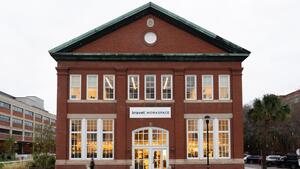
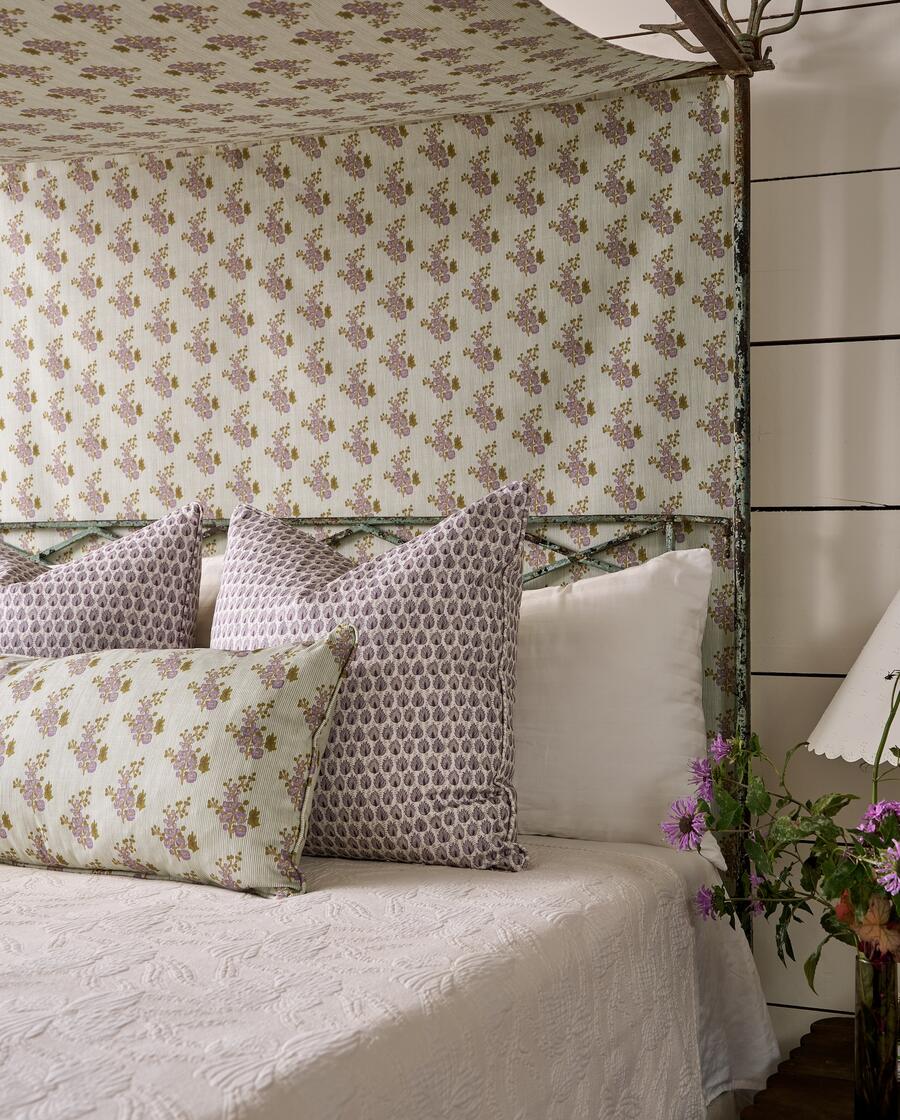
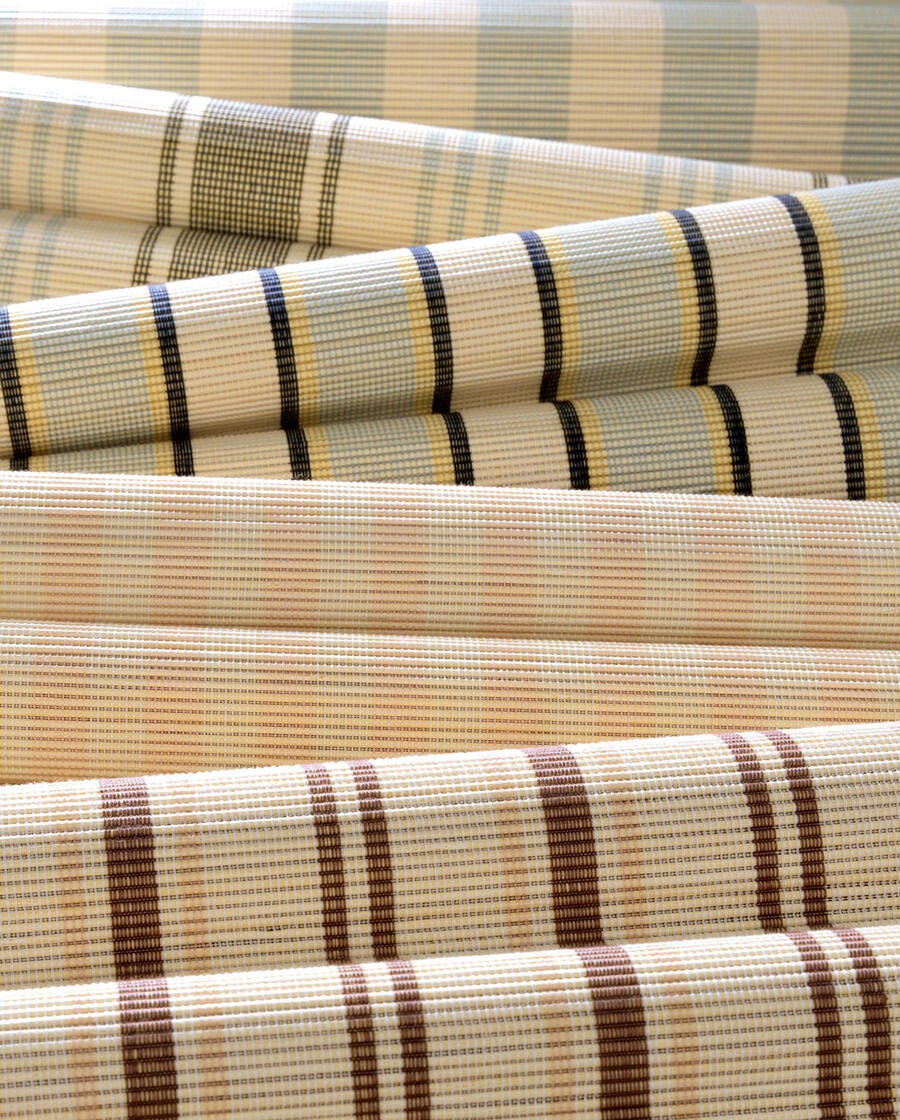
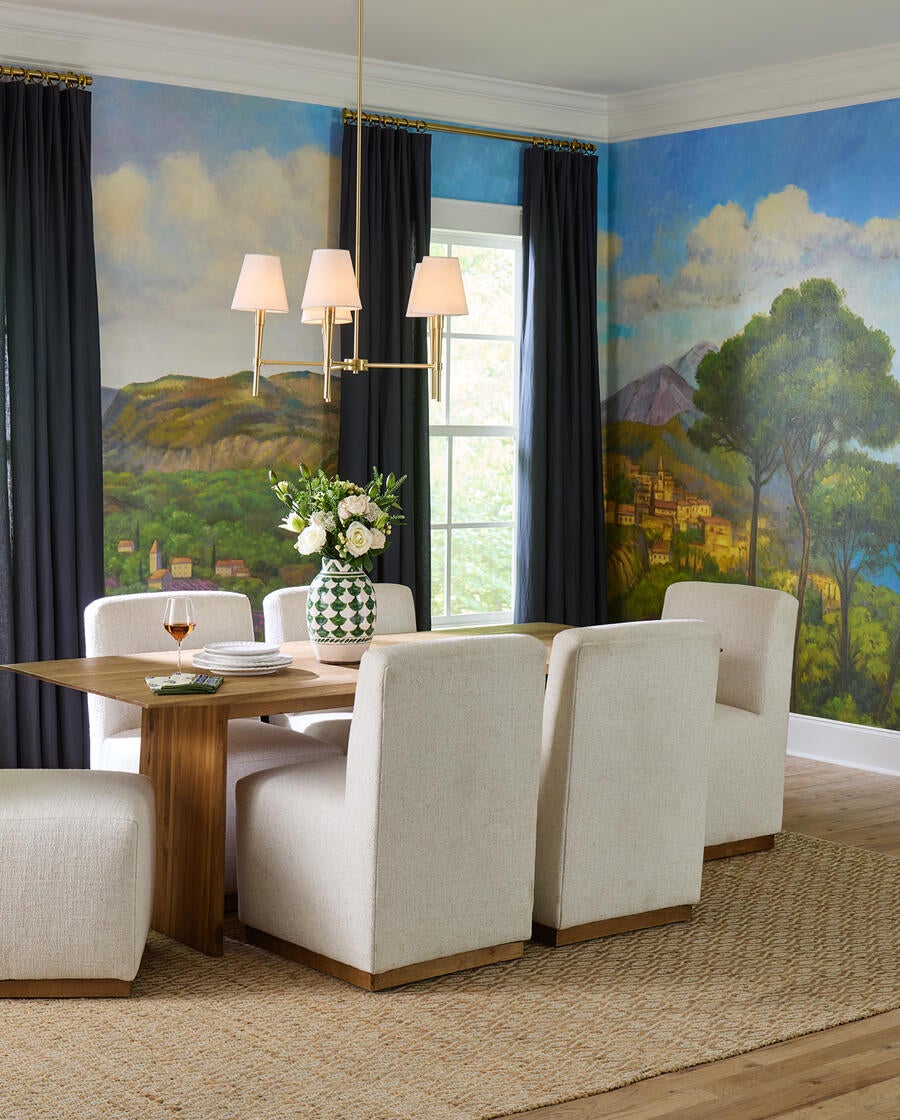
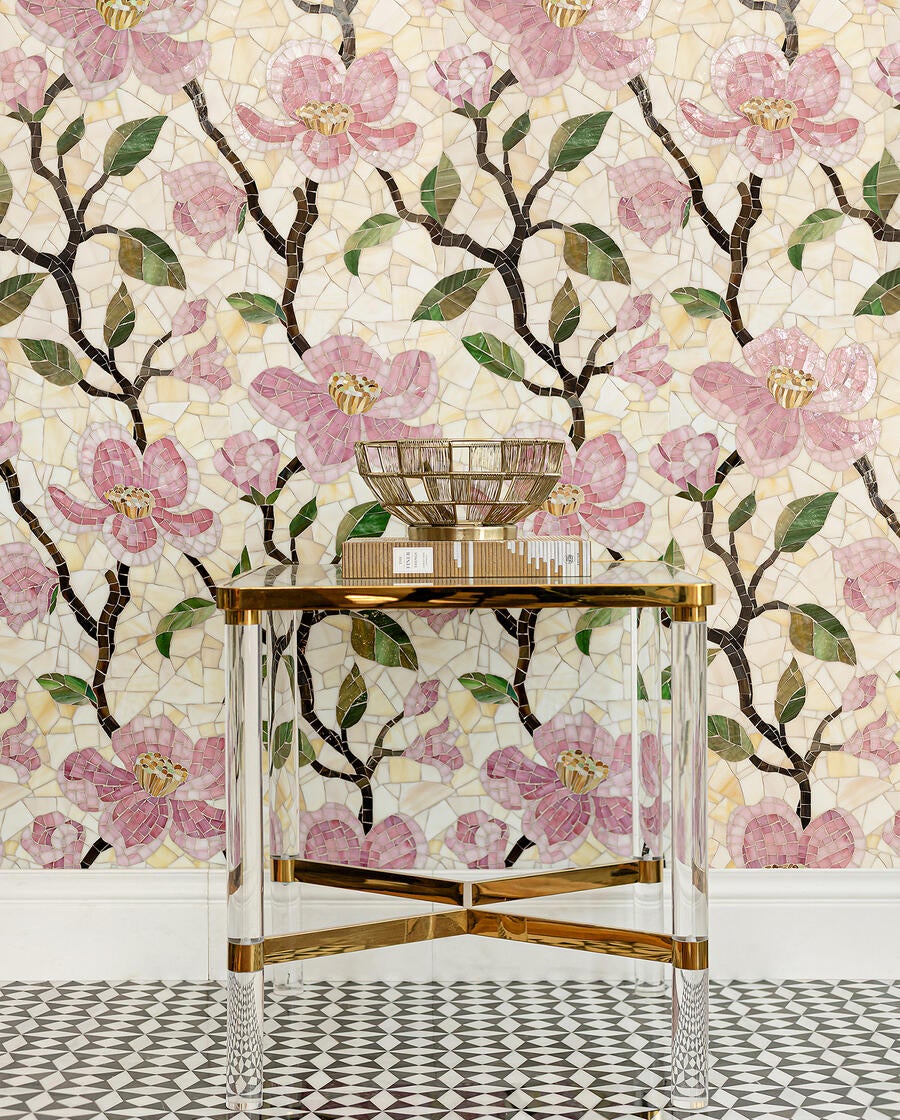
While the pedestrian promenade is estimated to be completed next year, a bakery café recently opened, and a new restaurant will open next month. More importantly, brands are moving in. Phillip Jeffries and Verellen unveiled DDD showrooms this month, and British fabric brand Romo will be coming soon, joining longstanding tenants Kravet, Holland & Sherry, Schumacher and Waterworks. Local companies are signing leases too: Retailer Rogala Design, Fascination St. Fine Art Gallery and Tharp Custom Cabinetry are all set to join the growing district.
“There is a real sense of reinvestment and reinvigoration happening there, which makes it an inspiring place to be,” says Veronique Verellen, the vice president of marketing and branding for Verellen. “For us, it felt like a wonderful opportunity to be part of that momentum and contribute to a community that values thoughtful design and shared creativity.”
So far, designers are responding positively to the changes. “I always found the Design Center to be kind of depressing,” says Denver designer Jodi Cook Monts of Cook Design House. “It felt half-abandoned. There were a lot of empty showrooms. It was always really quiet in there. I knew that [it] could be so much more, so I’m excited about somebody coming in and breathing some fresh life into it.”
The rebrand comes on the heels of growth for the region’s design industry, which boomed during Covid. The Denver metropolitan area alone has seen a nearly 6 percent growth in population over the last five years. “I think a lot of people are choosing quality of life and coming to Colorado, and Denver specifically, because we have easy access to outdoor activities, yet we have a really good restaurant scene in the city itself,” says local designer Katie Schroder of Atelier Interior Design, who got her start working at a Denver Design Center showroom more than 25 years ago.
The DDD is also targeted at designers operating in nearby states like Montana, Wyoming and New Mexico: “Between Big Sky and Santa Fe, there are a solid 15 or 20 resort markets that have just continued to grow,” says Cohen. “Those markets are driven by second and third homes that are being developed, where typically those require designers. There’s a very large market here. A lot of the national groups have realized that if you just have a showroom in New York, Los Angeles, Dallas or Atlanta, you’re missing the entire Rocky Mountain region.”
The reinvestment in the district model is also proving that the showroom model is far from dead. “There’s something to be said about touching fabrics, looking at finish colors and looking at the quality of case goods,” says Schroder. “It is invaluable in this business.” There’s also the promise of camaraderie and shared resources. “We are a community, and I think we’re all stronger together,” says Monts. “It’s nice to see your fellow designers, especially when there’s enough work for everybody. There’s not that sense of competition necessarily. I think it can be a fantastic meeting place, and a lot of us are really excited about that.”



 Withdraw Consent / Manage Privacy Preferences