





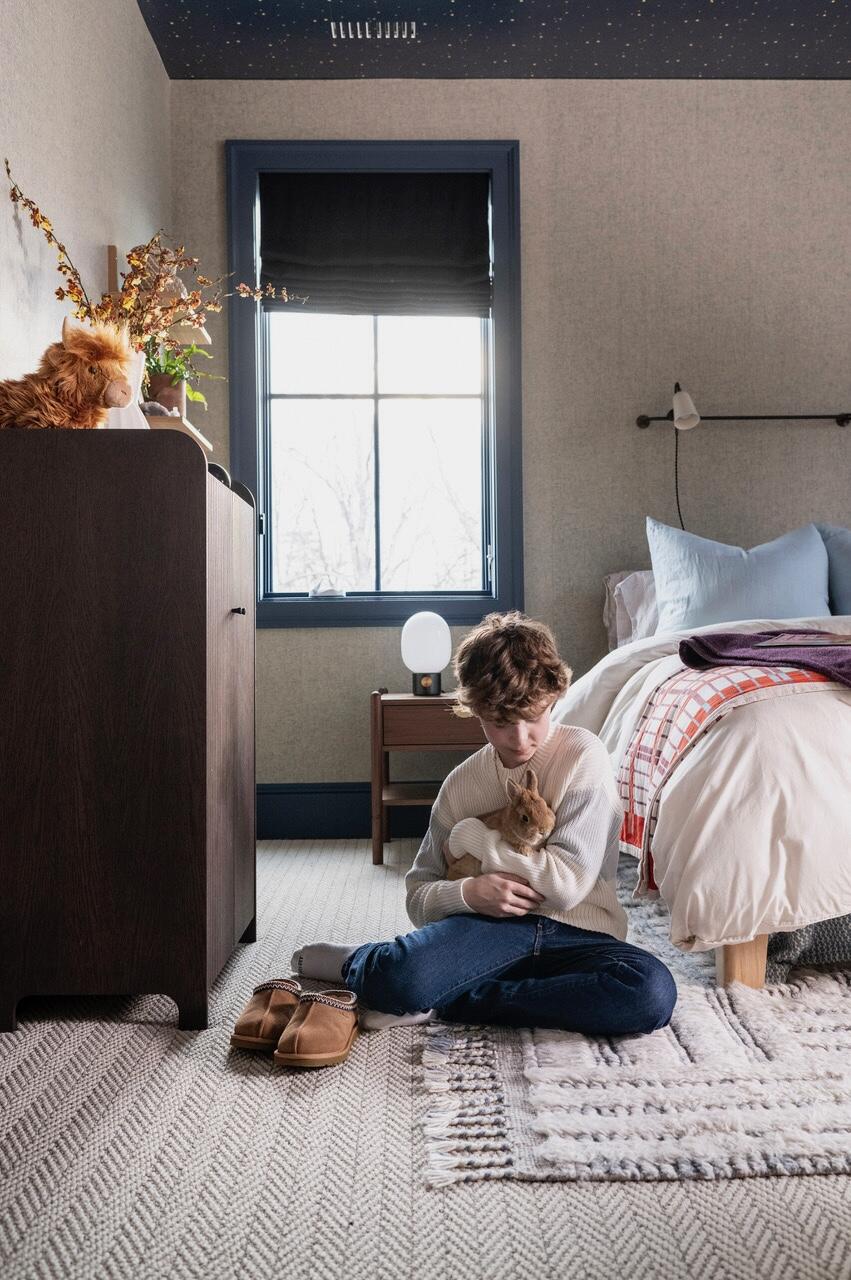
Designer Carrie Moore’s recent project photo shoot had something few others do: on-camera talent. The session starred the client’s family—and that included an extensive troupe of animal actors: the dog posing in his new entryway shower; a chicken delicately ushered into the mudroom; a bunny cradled in an upstairs bedroom; and a horse led back and forth across the front lawn at sunset 10 times before the photographer got the perfect shot.
In the end, the menagerie was worth it: The portfolio images secured the North Carolina designer a placement in a national shelter magazine. Plus, the publication wanted the original cast back for its own shoot—horses, chickens, dogs, rabbits and all.
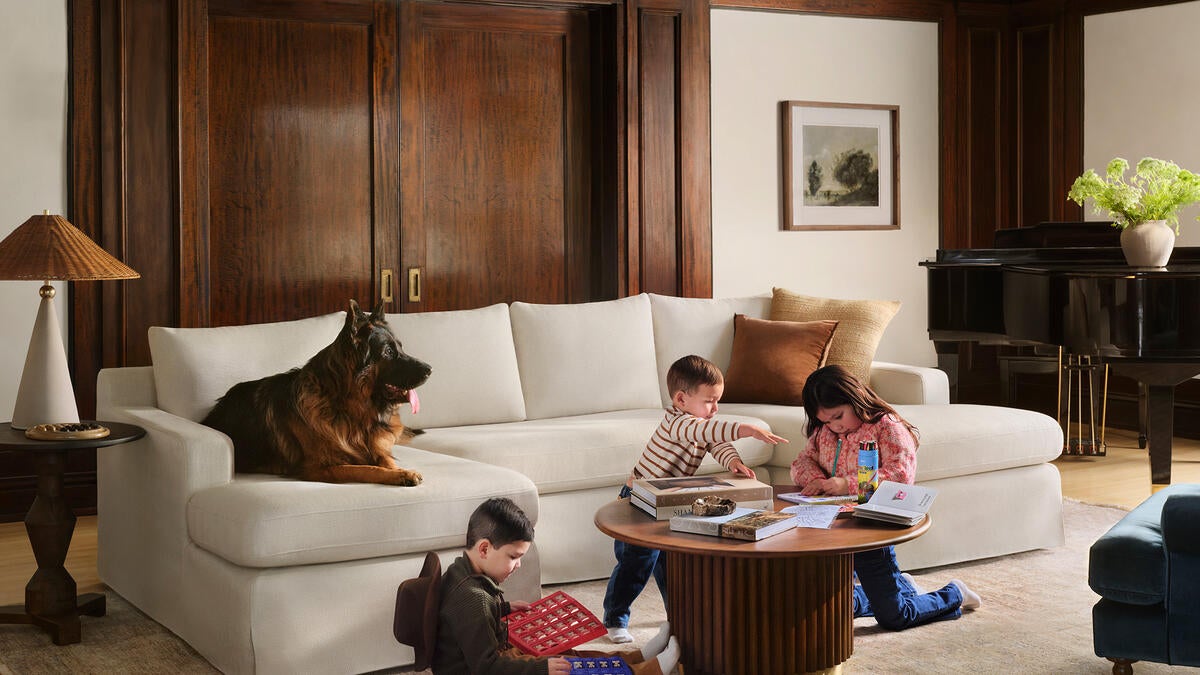
Moore’s shoot is a one example of a broader shift, a departure from home decor imagery from years past—the bulk of which presented a world without people. Brands and designers alike say that’s been changing in recent years as the industry adapts to a consumer base transformed by social media, e-commerce and the advent of AI. People (and their pets) are in.
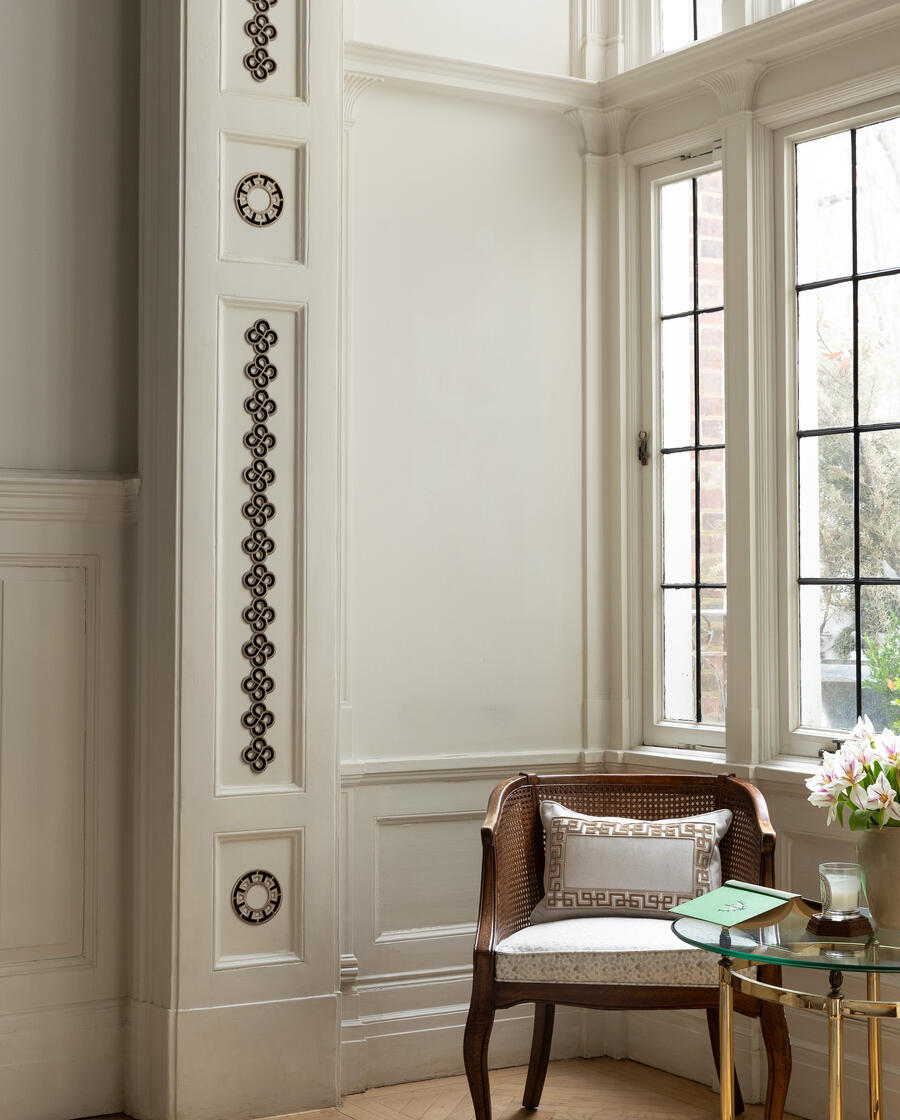
Empty Rooms
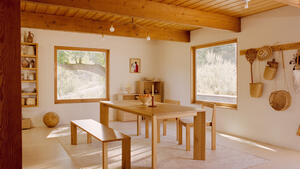
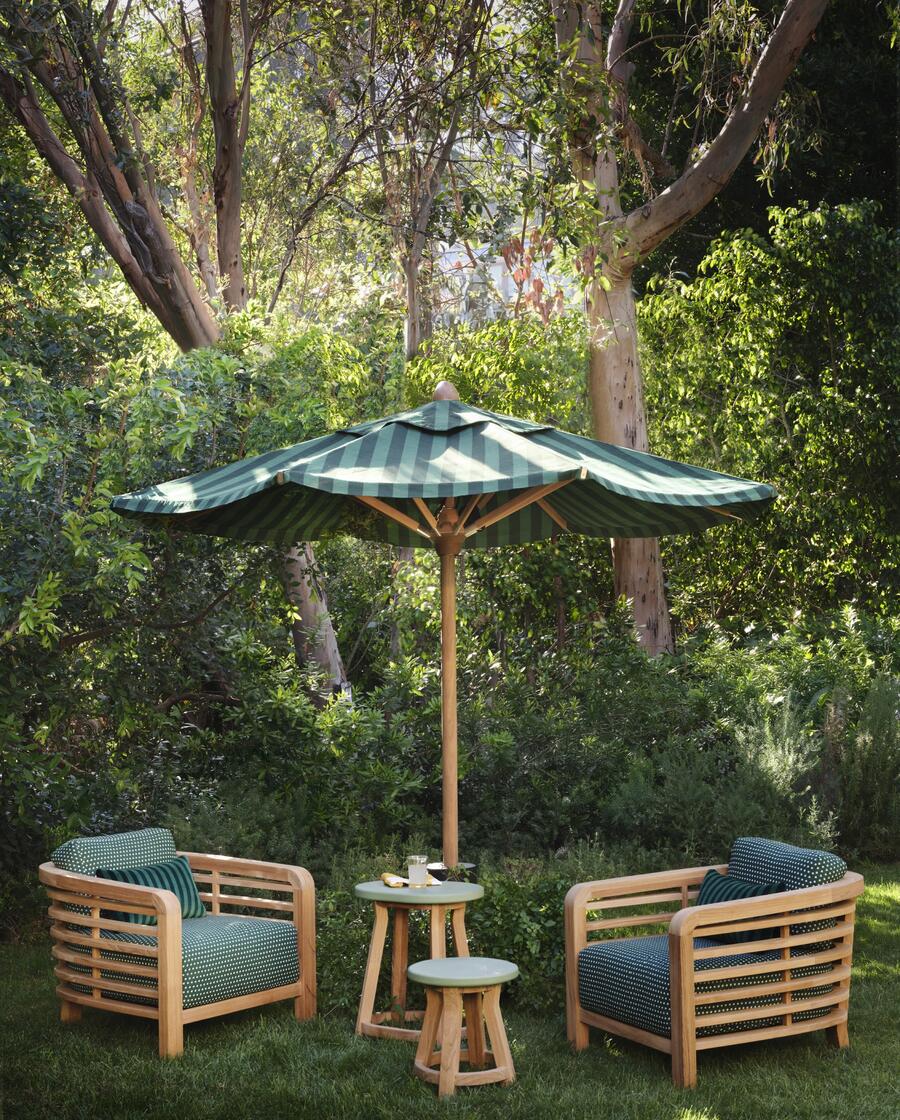
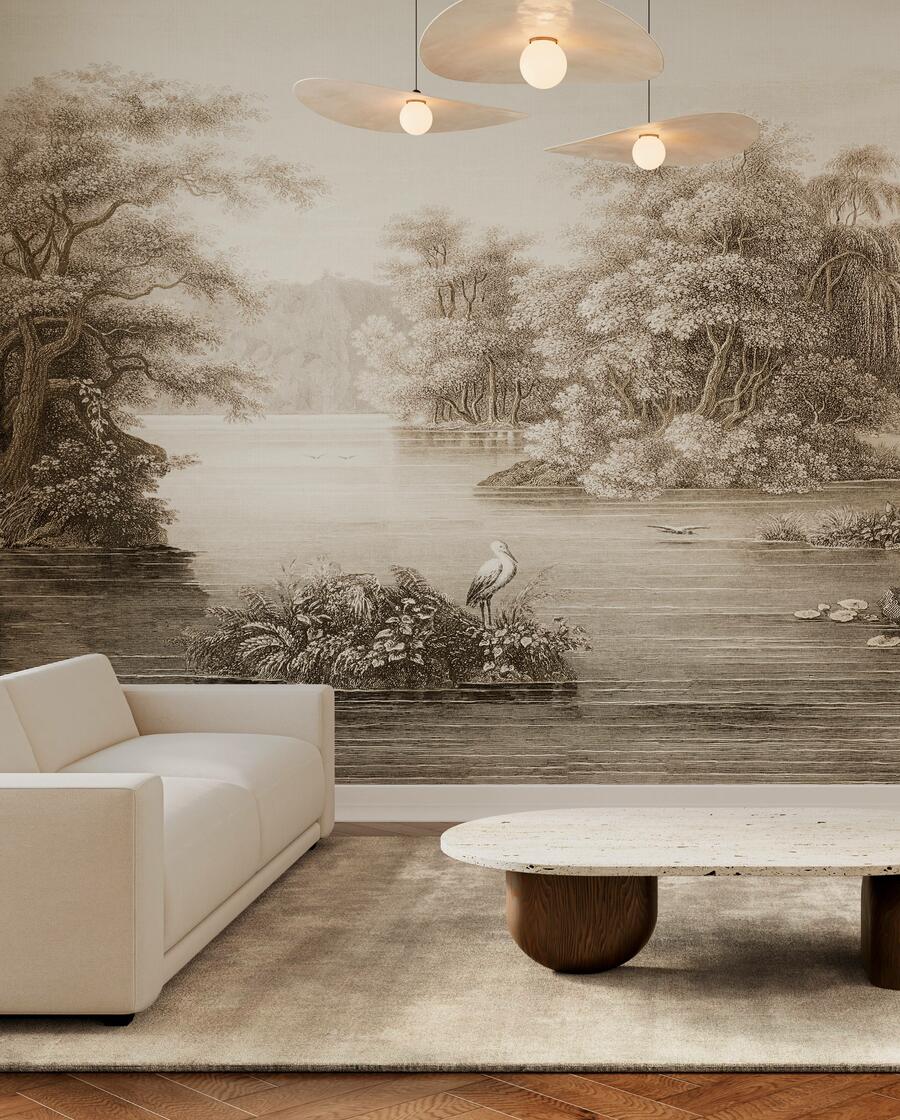
The home industry has historically shied away from populating its pictures, for both aesthetic and logistical reasons. The most obvious deterrent is cost. Hiring professional models is expensive, and home brands already struggle with the high cost of shoots.
“Photography in general is more expensive in home furnishings than in apparel,” according to Polly Wong, president of direct marketing firm Belardi Wong. “If you’re on location somewhere [shooting apparel,] you’re going to send a couple boxes of clothes. If you’re on location somewhere and you’re setting up a whole house, it’s a lot more money to ship dining chairs and couches.”
Plus, when choosing a certain model, a brand can run the risk of opening their product up to the wrong interpretation from consumers. Alex Back, the founder and CEO of online furniture platform Couch, points out that for the design industry’s highest-end brands, it’s tricky to select a model who matches the quality of a piece without inviting a potential sense of dissonance.
“Picture a beautiful $14,000 sofa,” he explains. “The people actually sitting on it are not going to be dressed in suits and ball gowns, but to match that product, you kind of need to show a gorgeous runway model in a gown—versus a rich guy sitting in his underwear, which is likely the way it’s going to be used. La-Z-Boy has a grandpa sitting in that recliner looking like he’s the most comfortable guy in the world, because they’re selling comfort. It’s a little easier to sell comfort with people than it is to sell great design.”
A New Perspective
In recent years changes in online consumer behavior have forced the design industry’s hand. For one, amateur images featuring both furniture and people have proliferated across the internet, whether brands like it or not, setting a new aesthetic default.
“The extreme magnification of user-generated content is part of this—you couldn’t stop it if you tried,” says Wong. “[If I’m a customer,] I’m going to take a picture of my new Room & Board sofa in my family room, I’m going to post it, and I’m going to [tag] Room & Board. You can’t back away from it. Having sterile, cold imagery, where everything is perfect—there are no people, no pets, no rumpled blankets, no empty coffee cups—that’s not what the world is responding to.”
As Wong points out, the proof is in the data. According to the performance of social ads, digital ads and influencer content, consumers react more positively to “real-life people and real-life situations.” Back adds that the flood of influencer partnerships and sponsored content ensures that every product category is now marketed with a human element. Without that, the furniture industry could get left behind.
“People have so much access to so many influencers and personalities, every product that we buy has been humanized by the internet,” says Back. “Advertising has moved to this place of needing people; we can’t just have inanimate objects. With our scrollable lifestyle, the [home] industry has had to follow suit. To have visual content that’s relevant, you almost need people and pets to be part of it so that it can actually come to life, because that’s what the consumer is used to.”
For furniture brands, there’s also a functional element to putting people in imagery. When Wong was recently shopping for a sofa, she was delighted to find that one company included a feature on its site that allows users to view photos of models of varying heights seated on its products—particularly helpful for 5-foot-4 Wong, who wanted a piece that could also accommodate her 6-foot-3 husband.
“So much creative [advertising] is a small digital ad,” she says. “It can be hard to see: ‘How big is that piece of art? How big is that dining table? How big is that sofa?’ When you put a person or a dog next to it, it gives you some context.” It can also help a brand make their voice heard in a crowded online marketplace where countless products are vying for consumers’ attention. “We’re in a really competitive period where you can buy [comparable] sectionals at Quince for $2,800, or Crate & Barrel for $5,000, or Room & Board for $7,000,” says Wong. “Because everything is looking the same right now, reintroducing people and pets in order to have more compelling storytelling is one of the reasons why we’re beginning to see this trend.”
That’s the case for the Havenly group of brands. The company employs people in photography to varying degrees among its different labels: While they’re hardly ever present in imagery for The Citizenry (which highlights craftsmanship), they’re often captured in playful and relaxed scenes for Burrow, while Interior Define adopts a more upscale, elevated take on the same approach. According to Peter Salathe, Havenly’s head of creative, this reflects an evolution in the conglomerate’s marketing strategy.
“In older and past imagery, it felt a little more like a sit test—studio-driven and [centering] functionality. This is what we’ve evolved into: It’s more like, ‘This is your home. This is the way it would really be.’ You can picture yourself a little better,” says Salathe. “That’s why we use people, that’s why we use dogs. You want it to feel like, ‘I can see this being my home.’”
Proof of Life
Interior design brand strategist Ericka Saurit recommends all of her clients get at least a few images featuring people during their photo shoots—not only to appease the Instagram algorithm, but also to appeal to potential clients.
“You don’t have to hire a [typical] model; you can hire people who represent the type of clients you want to serve,” says Saurit. “If you serve multigenerational clients, I want to see people across different generations in those photos. Do they need to look like models? No, and that’s even better, because most of us don’t look like models. We want to see ourselves in the photography.”
One of her clients, Atlantic City, New Jersey–based designer Samantha Cury, followed that game plan and immediately saw a surge in business. Recruiting friends and family, she organized a shoot in which every generation was accounted for—children, parents, grandparents—and photographed each room as a scene straight out of a Sunday night down the shore.
“Somebody is walking over serving a plate or handing somebody a glass of wine, the mom is cutting flowers, and the dad is nuzzling up to her. [It’s] a little bit more dynamic,” says Cury. “There are a million designers out there, and everyone can do a pretty room. I think it’s setting you apart—being able to speak to emotion as much as possible, rather than just a flat image.”
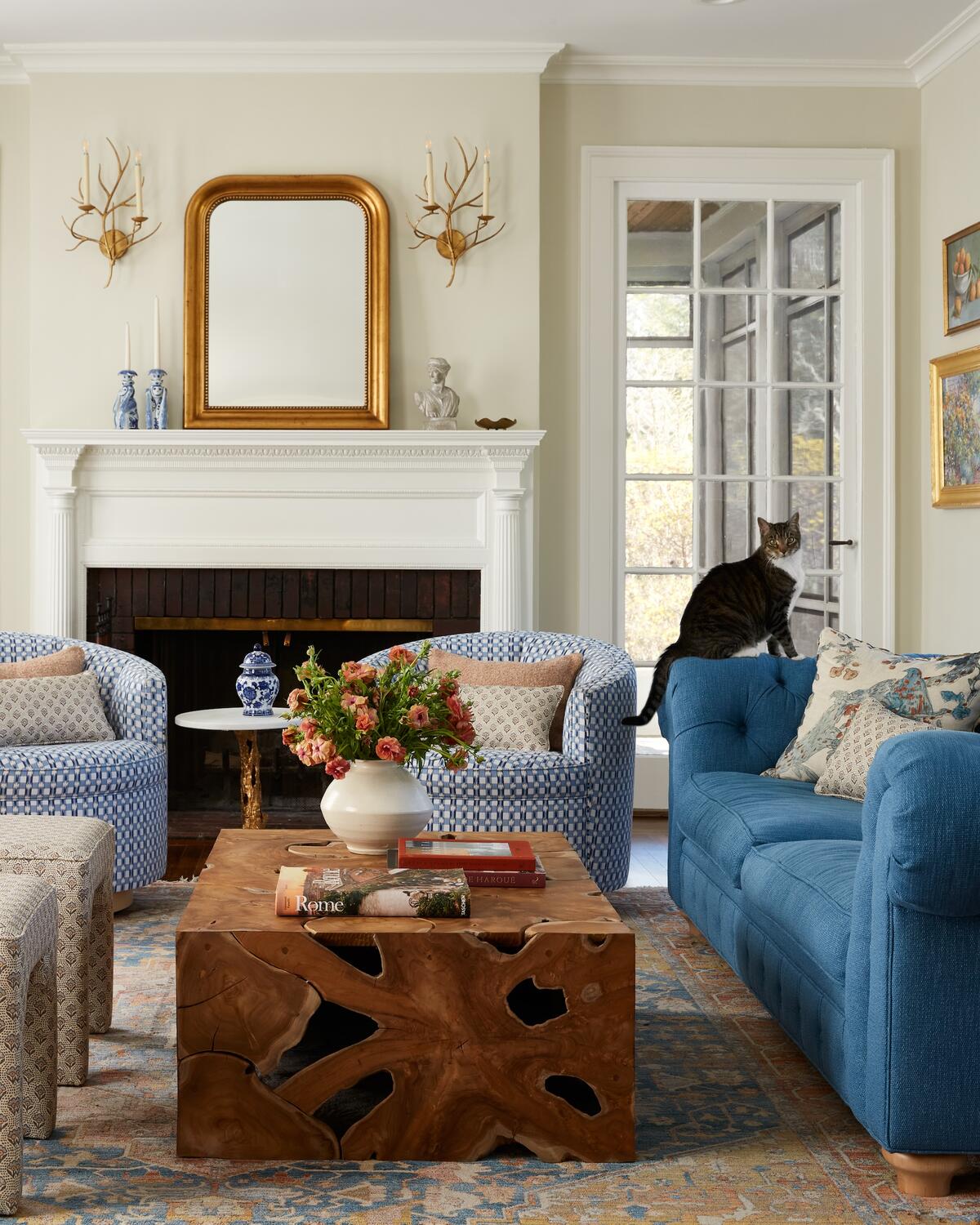
Traditional design media, too, is warming to photos that showcase these human touches, according to Jennifer Weaver, vice president of brand strategy at The Storied Group. “Previously, they were looking for these absolutely pristine, sterile environments—photo perfection. Nothing was out of place. The pillows were karate-chopped, the bed was perfectly made, no visual clutter, perfect florals. Now we are turning that whole notion on its head,” she says. “As we embrace AI, people are really looking for authenticity and proof of life.”
For Weaver, a number of recent examples come to mind—like Douglas Friedman’s shot of jewelry designer Irene Neuwirth feeding a carrot to a horse through the window of her California home for the cover of Town and Country. Even more evidence: an uptick in shots featuring unmade beds, a Cheerios box on the counter of an upscale kitchen (another Friedman credit), and a live goat posing in a mudroom by Boston-area designer Katie Rosenfeld.
“We had this age of Pinterest perfection. We had the all-white, modern-farmhouse aesthetic and the birth of design influencers, when everything was so beautifully curated and perfect,” says Weaver. “Post-pandemic, I think everyone was ready to light that on fire. We’re just in a much more visually interesting space right now, where people are embracing imperfection and color and quirk.”
Of course, many high-end clients prize confidentiality and privacy, and don’t want to step in front of the camera for portfolio photos, let alone a magazine shoot. For a greater sense of anonymity while still injecting a sign of life into a shot, some designers opt for long-exposure, motion-blurred images of people walking through a room—or they do as New Jersey designer Sarah Storms does, by relying on a client’s furry counterpart.
“It’s almost like you’re peeking into a life, but you don’t really see who that person is,” says Storms. “The only real risk for people is that you don’t want to get too invasive into their personal life. Especially in luxury design, so many people are very private. The confidentiality clause is a real thing; whereas when it comes to animals, that doesn’t really apply. People are like, ‘Oh yeah, look at my cute dog.’”
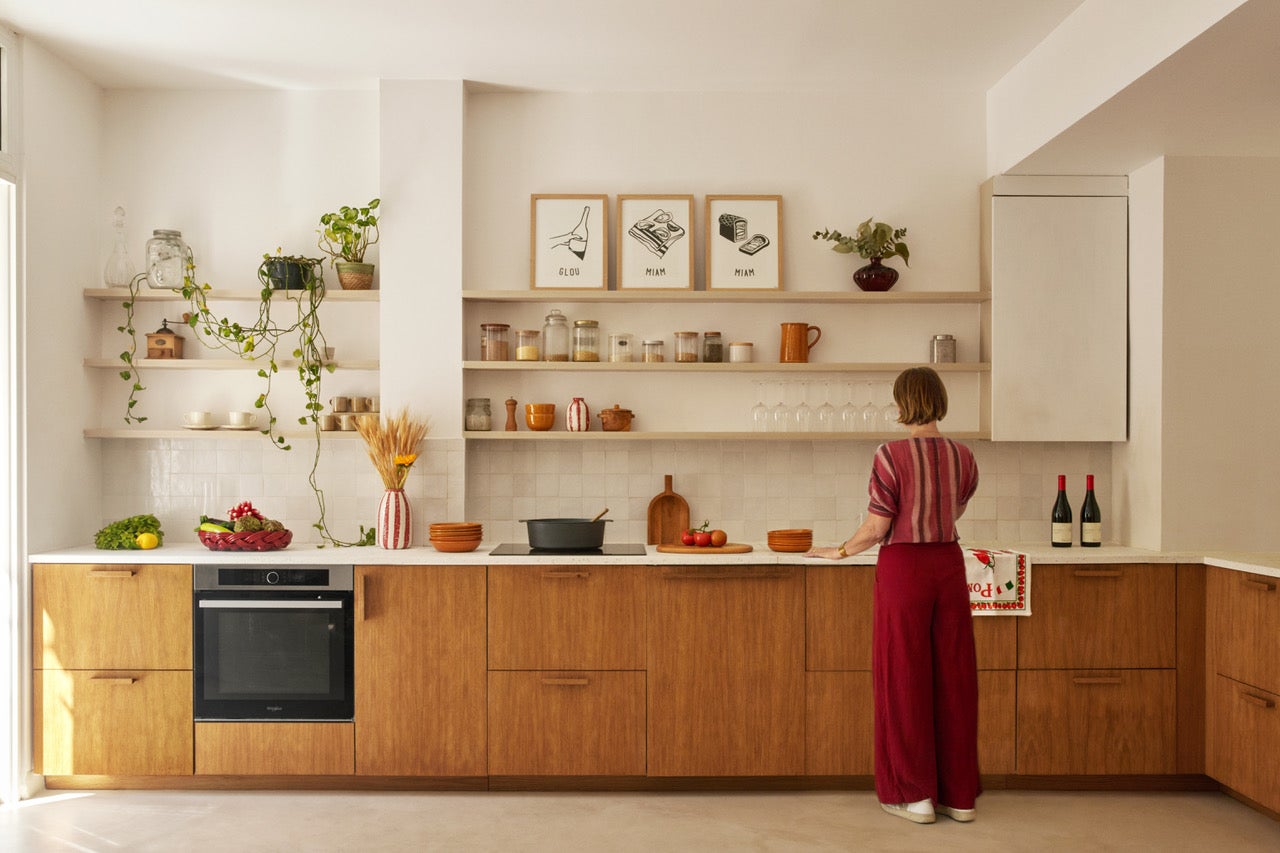
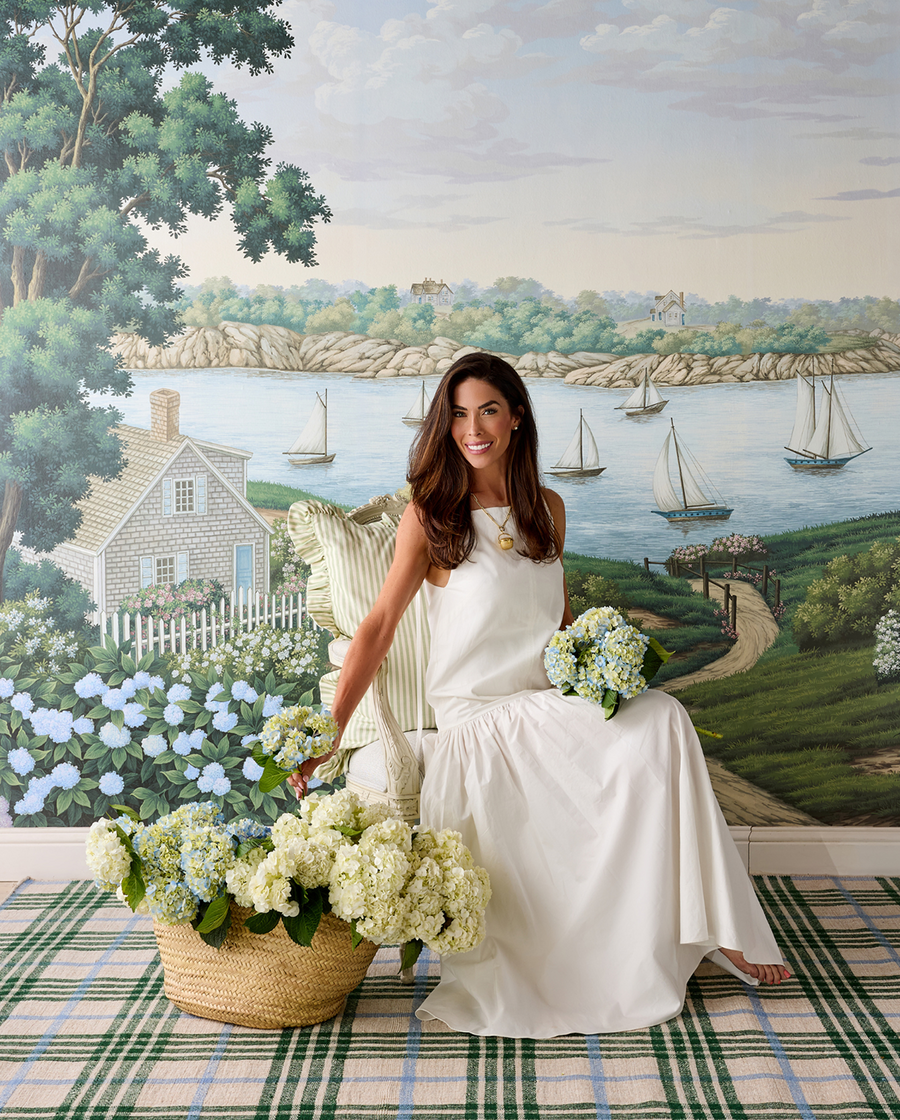
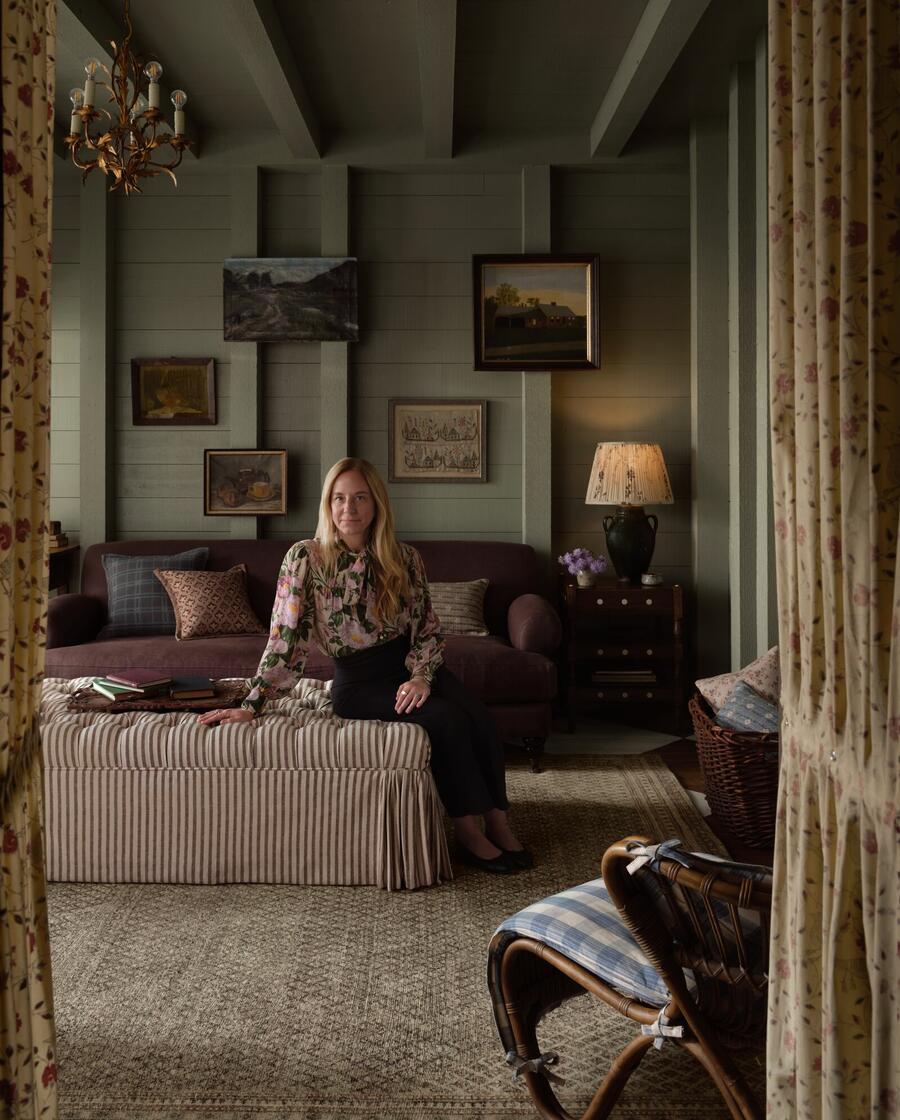
Others, like Parisian designer Stéphanie Le Rouzic, simply cast themselves in the shoot. For her, this approach offers the ultimate creative control—she has even coordinated her outfits to complement touches of color in a space, and posed her children in a comfortably staged shot in which her son is watching cartoons and her daughter is painting her nails. It’s a strategy that cuts to the heart of her firm’s messaging.
“My tagline is ‘Happy places, happy people,’ so I couldn’t just show happy places if there [were no] happy people in it,” says Le Rouzic. “People [have been] so stressed about doing the pictures that they forgot to put the most important thing in the picture: people who are living it.”



 Withdraw Consent / Manage Privacy Preferences