







In Business of Home’s series Shop Talk, we chat with owners of home furnishings stores across the country to hear about their hard-won lessons and challenges, big and small. This week, we spoke with Anna Franklin, founder and creative director of Milwaukee-area design firm and store Stone House Collective.

Franklin’s story is one of being in the right place at the right time—with the right attitude. After moving to Milwaukee from Chicago around 2018 to raise a family, the Wisconsin native began staging homes to help out a friend. That led to design work, which led to her starting her own firm amid the pandemic boom and ultimately opening a store just blocks from Lake Michigan two years ago. The shock of these waves of success doesn’t seem to have worn off for Franklin, who frequently marvels at the joy of getting paid to be a creative person surrounded by upholstery samples.
Ahead, she talks about why she thinks customers and clients have connected so strongly with Stone House Collective; her investments in social media and PR; and finding staff who fill in all the gaps (and get paid well in the process).
What was your career background before pivoting to design?
I spent a decade in major giving and fundraising [in Chicago], then we moved to Milwaukee to start a family. I started staging homes for a Realtor friend, and it just took off. I was staging 10 houses at one time when the pandemic hit. As we all know, people started to stay in their homes and wanted to love them. A lot of people were asking, “Hey, I want to use Stone House, but do you do this type of thing?” It was a great layup to get into design.
Some of my biggest clients right out of the gate were local celebrities, which was also a good springboard. I was quite self-taught and self-made. I’m a big believer that there are a lot of parts of design you just can’t teach. It was a natural skill set that I didn’t know, as a young person, that you could do for a living. I grew up in a very small town. I didn’t think you could just be an interior designer or creative director. I wake up every day and I’m like, Oh, my God, I can’t wait to go to work.
When did you feel ready to launch a design firm, officially?
In 2020, we were “Stone House Staging,” then “Stone House Stage and Design.” The design [side] was booming, and I kept getting requests like, “Can I get a sofa from you?” I started to understand the wholesale side of design. We have the store now, but we also have a pretty big warehouse, and service other designers, and we have a growing trade program. But getting these same questions in 2020 is what sparked the idea. I also wanted people to see what we’re capable of. At the time, we worked out of this rad warehouse where we hung chandeliers and painted and had a glass garage door, but it did not give you that same emotion as when you walked into a store. The transition from design to retail happened much quicker than I thought, though, primarily because I found a space that was it.
What was that space?
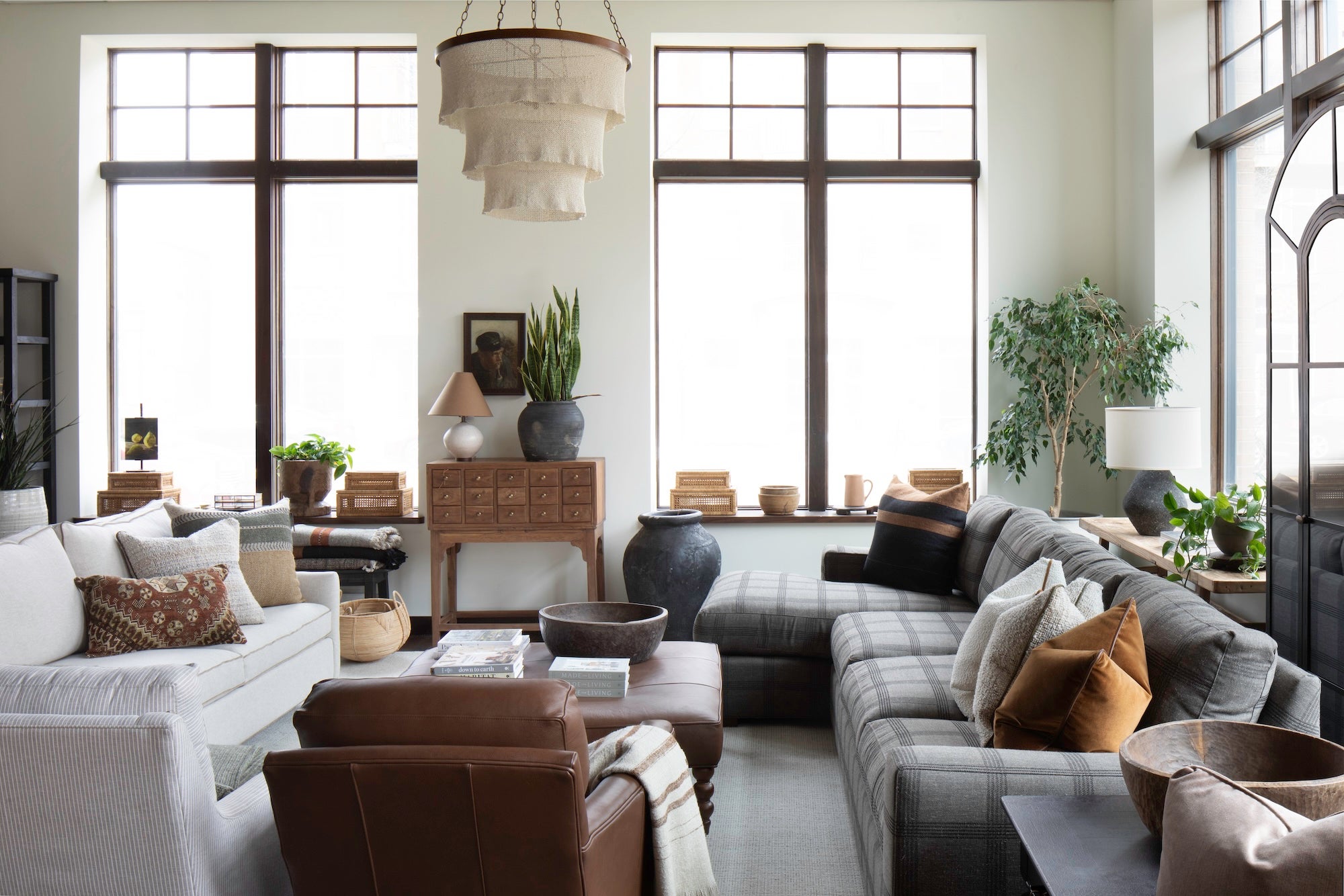
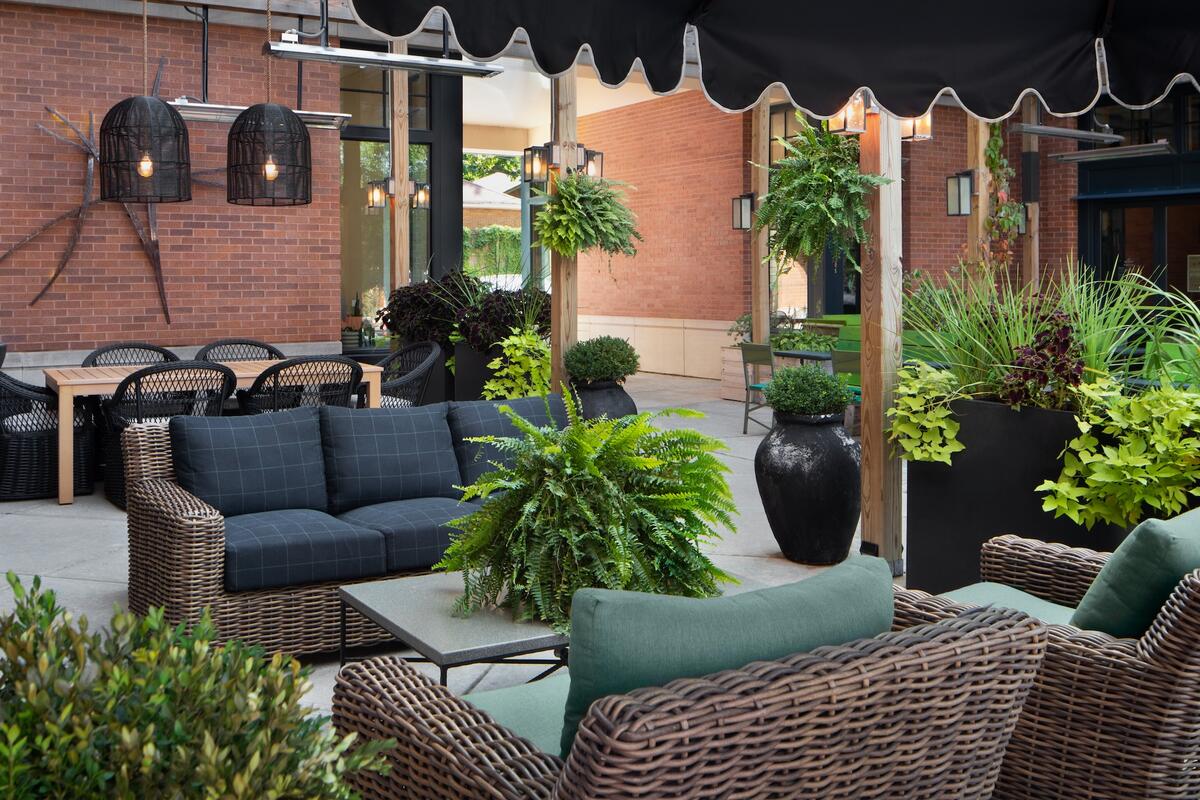
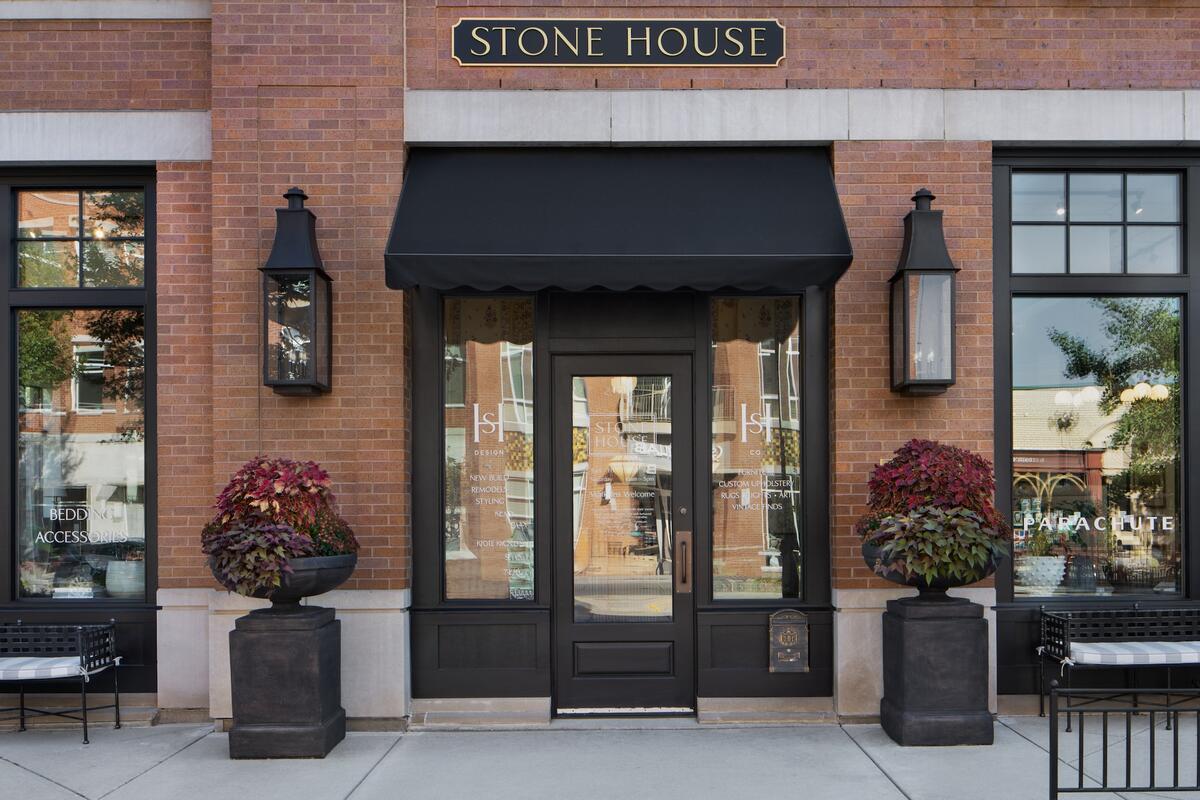
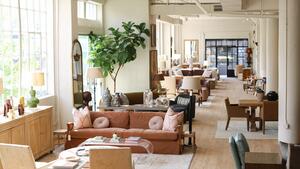
It was in this charming little town, Shorewood, right along Lake Michigan. It’s a hustling, bustling community with restaurants and other home shops, coffee shops and clothing boutiques. This space has some character to it, but it was new. A lot of the buildings here are old, and it was very attractive that I didn’t have to deal with the problems of an old building, but it still gave the look I wanted: high ceilings, lots of natural light. It’s a cornerstone of the block. It has a great outdoor patio, so we sell outdoor furniture. Especially coming out of Covid, I wanted to create an experience. We want the community to come hang out. We just celebrated our second year, and our business has exploded since moving into retail. Putting our name on the block legitimized us. It made people feel as though we’re a staple. It was truthfully the best thing we could have done.
What is the store’s general aesthetic, and is it similar to your design firm’s?
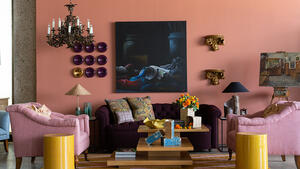
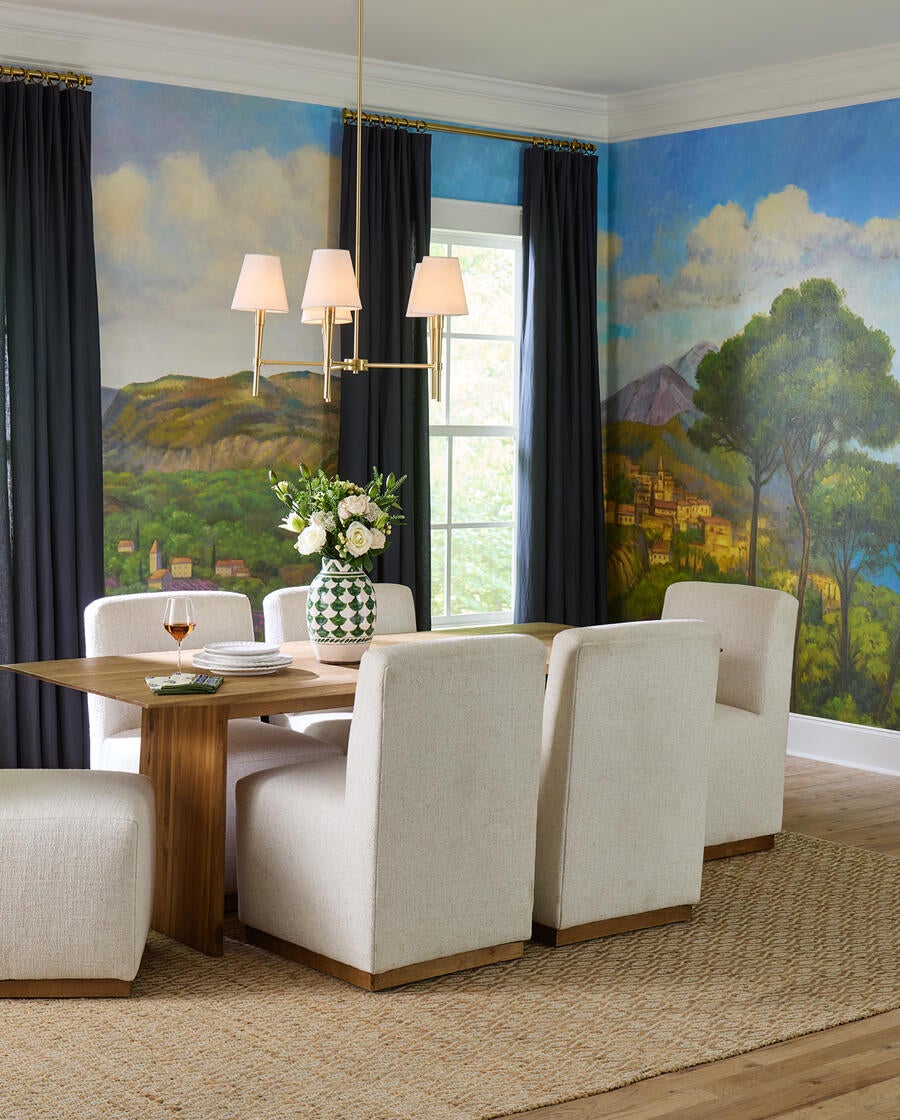
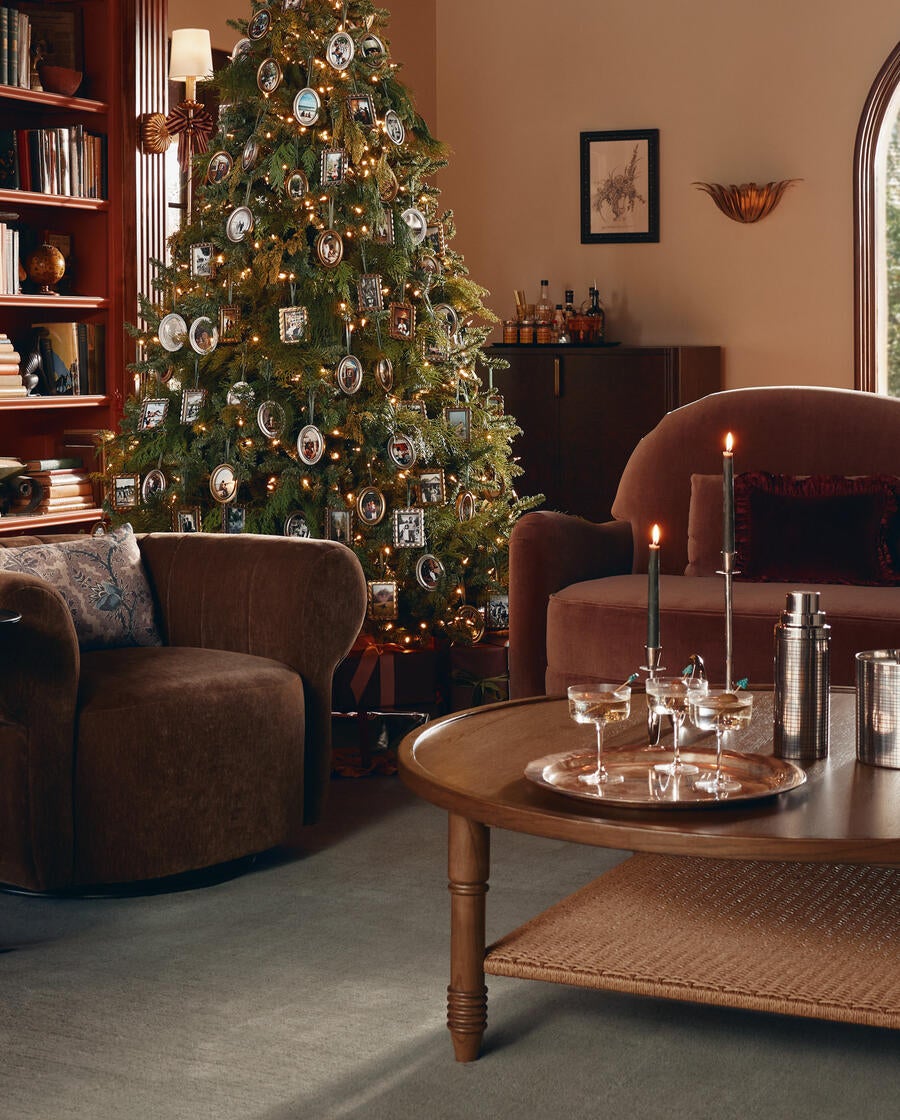
Yes, it is similar. We are “new traditional,” but a little more playful with color. Lake Michigan is called the “third coast,” so there is a bit of coastal flair. People have said it to me, unsolicited, “It feels like a big, warm hug. I just want to sit down and have a cup of coffee and relax.” I want to hit all five senses within the first five seconds of someone walking in the store: We curated our own signature scent. We have a playlist that changes seasonally. Touch speaks for itself. The last is taste; we offer everyone who walks in a fresh cup of coffee or sparkling water, and at night, a glass of wine. And we have a strict policy [for team members] that you need to stand up to greet someone. You can’t just stay behind [the counter], you have to go to the door and ask how they’re doing.
Who is your typical customer?
As I wrote my business plan for the store, I wanted to create these three different brand personas. “Catherine” is the young gal who needs a housewarming gift. She’s not buying furniture right now because she isn’t ready or [can’t handle] the cost. Then we have “Charlotte,” who is mid-level. We focus on furnishings for that client. She’s someone who comes in and says, “I have three rooms and have never bought big-girl furniture. I need someone to help me get a cohesive look.” It’s not construction, remodeling or new build; it’s honing their space. Then we have our ideal client, “Charlie.” She is chic, she could be living anywhere, and she probably has multiple homes. She says, “I want you to do my lake house.”
Our Instagram has almost 11,000 followers, which is not that high, but we have a strong following in terms of engagement. So we’ll get a lot of people who [travel in], and once they come into the store it’s a done deal. We just hired a new marketing director and PR firm [to focus on this even more]. Before they even step foot in the store, I want people to get the [Stone House] feeling online.
Tell me about a beloved vendor.
We love Taylor King. Their furniture is just so well done. We’ve been to their North Carolina factory on a tour. They’re very family-oriented. We love their fabrics. They’ve invested a lot in us, and we’ve done the same for them. Woodbridge is a wonderful client, and we do a lot of Four Hands for that middle-tier client. Our tagline is “lived-in luxury,” and we want people to feel as though [we provide] a luxurious service when they get a piece.
What is your general approach to sourcing?
A good five or six of us—everyone from a design assistant to retail associate to our lead designers—go to every High Point Market. We truly believe in our warehouse, our people, our procurement. We invest in the team and want them to understand how things are made. I have also made great connections attending other markets, like the show in Atlanta, and I just went to the Nashville Antiques & Garden Show. We try to source locally, too, and I am headed to France in the fall, so we’ll see what that lends itself to.
What’s the object or category that gets snapped up the fastest at the store?
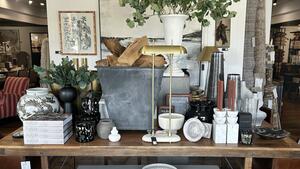
Smaller vintage items, like a side table, or even a found vessel or vase or tray—anything that’s unique. Whatever people don’t find at Pottery Barn or HomeGoods.
What is the design scene like in the greater Milwaukee area?
It’s very underrated. We have a lot of talent here, from our restaurant scene to art and museums, but we can get overshadowed by Chicago. In terms of the design community, [there] is an opportunity that I feel a conviction to make better, especially now that I have a storefront. In the fall, we’re hoping to pair up with Midwest Design Retreat and do a little pop-up here. Everyone’s so hush-hush here. I feel like in other markets, or even other industries, people are very much, “Let’s swap stories. Let’s work together. Here’s my pricing model.” I don’t think I’ve felt that here yet.
Maybe because it’s a smaller market, it’s more competitive.
That could be. With that said, there really are enough customers to go around!
What sets your inventory apart?
I have to remind myself that I have very expensive taste, just by nature. My team kindly reminds me, “But Anna, someone here is not going to buy that.” I say, “I know, but you can aspire to buy it.” We often get people who come in and say, "Oh, I [only] bought a hand soap, but I just come in for inspiration.” I think that’s a win, because they’re going to tell five other people about it, and maybe one of those people is going to come back and buy a sofa.
One really important thing to note, and I think it’s a bit different: All our employees are paid a fair and competitive wage, and do not work on commission. I will incentivize you in terms of year-end bonuses, but we don’t work on commission, because I never want people to feel as though they are forced to buy, and we’re very open about that. We share it with prospective clients and walk-ins: “We’re all happy to help you.” We feel strongly that everyone should be treated the same. If you don’t buy that sofa today, you know what? Come back next week, or come in a year. We’ll still be here.
Since you were new to many aspects of the business, did you hire people with experience you lacked?
At first, no. I was just hiring because I needed bodies to help me. Three years ago was a pivotal time at Stone House, where we had some major turnover. A lot of our team left, and we were able to be super strategic about how we rehired. That’s when I was like, “What do I hate doing? What do I suck at?” That’s when [I brought in] a director of operations, which I should have hired much earlier. I’m not an operations person. I don’t like it. We’ve always had a bookkeeper. She’s been with us the longest. I have three babies—well, not babies anymore, but I had three at the time—and I hired for things I didn’t have the bandwidth to do. Now my role is owner and creative director, which is exactly where I’m supposed to be.
What’s your favorite category?
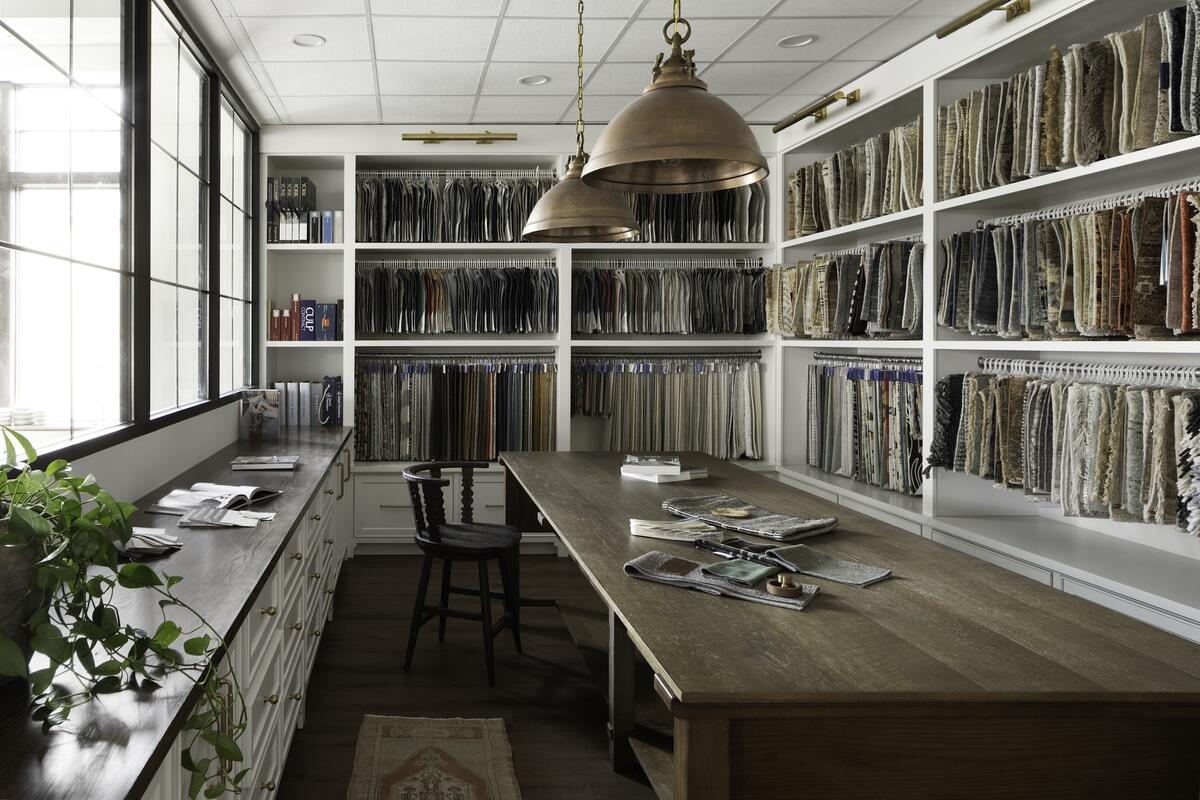
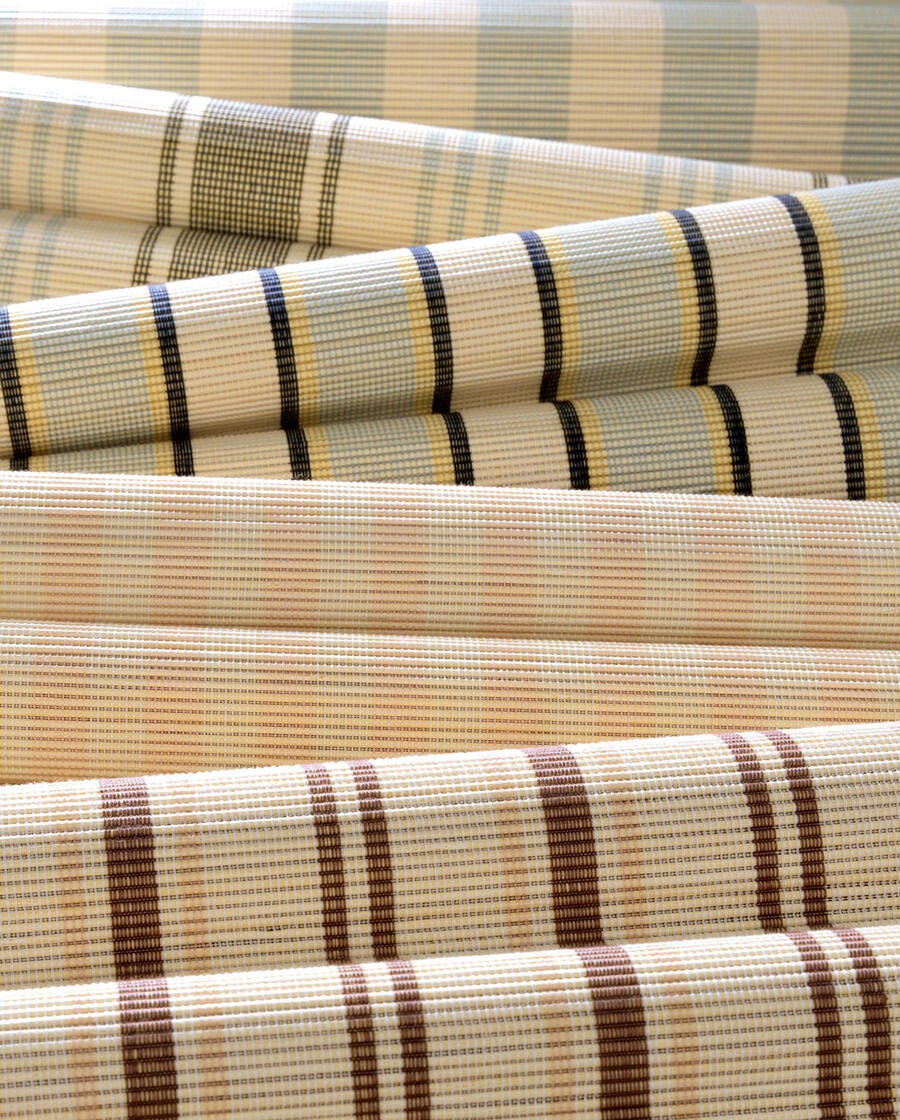
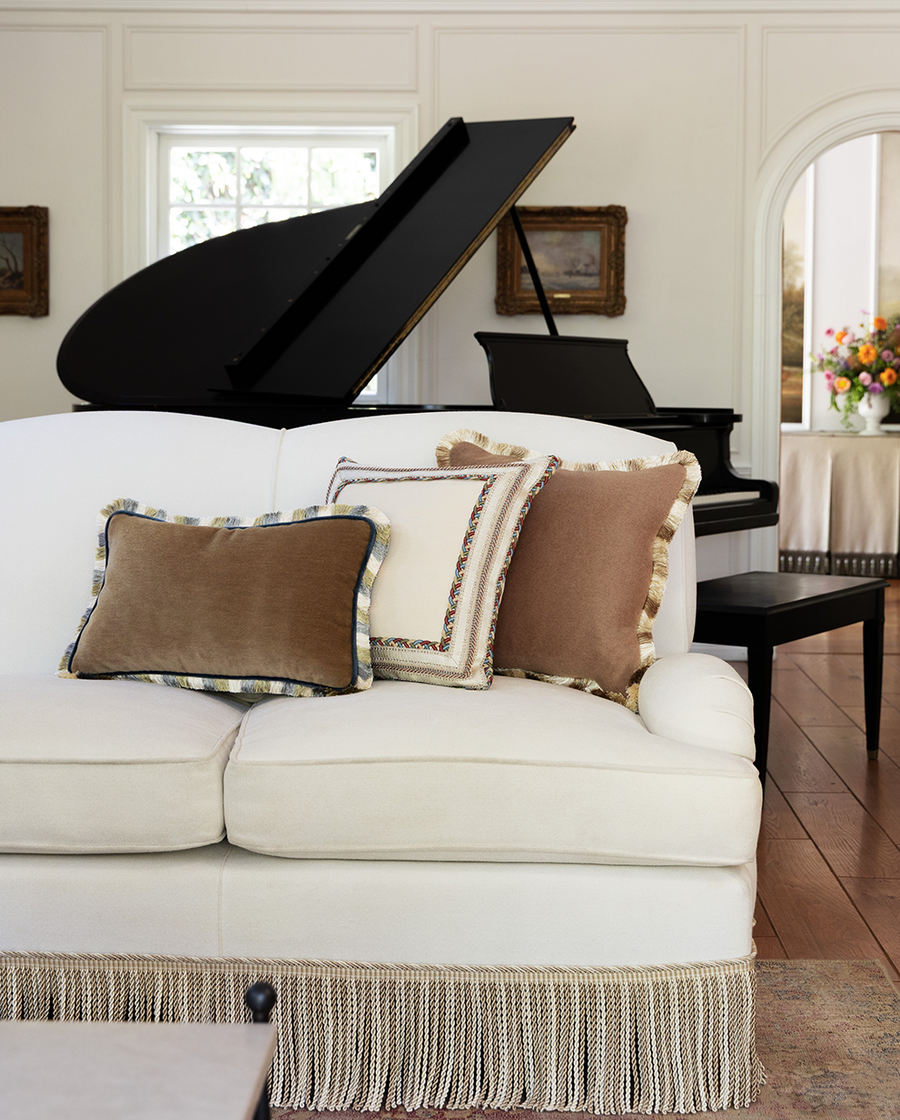
Custom upholstery. It’s just so fun to pick a fabric, do all the trims and details, and imagine it a million different ways. Our store has a whole library, so we like to walk people through the journey of, “OK, this is the sofa, but you can have it 20 different ways with 5,000 different fabrics. Let us help you identify what you want.” It’s fun to design, and fun for the clients.
What’s your e-commerce strategy?
We just launched a new website, and I want to hire a new person. My hesitation is to go up against the big dogs, knowing they eat up all the ad space and marketing space and SEO. I just don’t foresee it being overly successful. That said, my strategy in the next year is to get my new marketing hire up and running, then do some limited drops and releases on really unique things that feel more one of a kind—not the same stuff as Amber Lewis and Shea McGee, where you can Google Image it. I’ve been dragging my feet, but we get asked every day, “Can I get this online?” And I say, “Nope, not yet! You have to buy it right here!” The strategy is getting some of those bespoke items that feel special to Stone House.
Your social media is really robust, though, with these well-produced videos announcing sales or introducing staff. Why did you want to put effort there?
I think it goes back to humanizing the brand, making people feel as though they already know us before they do. We live in an age where people scroll and make their decision before they ever step foot in our store. It was trying to hit the masses and give an essence of our brand. There are a lot of designers people can choose from. I mean, I think we’re special. But to the outside individual who doesn’t know how to work with a designer? OK, let’s educate them. We’ve seen the most success in our Instagram analytics when people see people.
In terms of production, that kind of fell in my lap. When we moved here, one of my best friends was starting her media business when I was starting my business. We used [each other] as launching pads. We can’t go back now; we need to make sure all [of our videos] look good. So it’s been a nonnegotiable in terms of video quality. Not everything is done by her, but you can definitely tell when it is.
What are some of your hopes and dreams for the future of the business?
I would love to have my own line, whether it’s furniture, upholstery or lighting. When I think about our pain points, it’s sometimes “I can’t find that right thing I’m looking for.” As for more current things, we just got another warehouse. Our store here is 5,000 square feet. I’d probably open another store somewhere. I was just trying to get our solid, core team, and I think we have it now. Get e-commerce up and running in the next year. And in the next few years, I’d like to be positioned to start to pay it back, and by that I mean help other people starting out, whether that’s being on panels or just giving hope to those who feel so lost trying to raise a family and have a business, because it was so hard. That’s the PR, too, just starting to get my name out there as an—I hate the word expert. I guess I could call myself an expert in about 10 years. But I want to be a resource for people, sharing my journey if it might help them in some capacity.
It is inspiring. You figured out what you love, and then people responded.
For the first probably five years, I told myself, “If it all fails, I can sell everything and break even.” That was my mantra: I haven’t gotten so big that I can’t get out of it. After five years, I was like, “OK, but it’s working.” Then I just wasn’t afraid. Now, I feel like I’ve [hit] my stride. I think, “Let’s just keep going, bigger and bigger and bigger. How do we become a $30 million business?” I’m a big pie-in-the-sky dreamer.
What’s your best day as a shop owner?
I love a day where I just get to be in the design library. When we hired our director of operations, I was like, “Listen, I want you to get me to a place where all I have to do is just sit in the design library and pick out things with people—where I can play with textiles, or work on details of cabinet drawings or floor plans.” I feel so blessed because I get those days now, and it’s been so energizing.

 Withdraw Consent / Manage Privacy Preferences