














A little over a year ago, members of F. Schumacher & Co.’s team traveled to southern Belgium, just over the French border, to visit a defunct textile mill. The site had only been abandoned for seven years, but the disuse had already become visible, evidenced by broken windows and plants sprouting through cracks in the factory floor. The trek was worth it, however, because what remained inside reflected a pivotal era in design history—and for Schumacher in particular, provided a vital link to the origins of the storied American design house.
Last week, Schumacher revealed the results of that visit: The company has acquired the vast majority of archival materials recovered from the Vanoutryve mill, a textile producer that was active for more than 150 years. (The terms of the deal were not disclosed.) Founded in 1860 by Felix Vanoutryve, the company began in Roubaix, France, and later expanded to encompass an additional manufacturing site in Belgium. Over the course of its operation, it provided vital contributions to the European textile industry, particularly through the art nouveau and art deco periods. During that time, the mill introduced cutting-edge French designs to the masses and collaborated with important figures like Paul Poiret, the first fashion designer to launch a lifestyle brand offering home fabrics. At its height, the company exported as much as 60 percent of its product abroad, fueled by a workforce exceeding 4,500.
Long after Felix Vanoutryve passed away in 1912, the mill remained in the family, before eventually changing hands in 2013 and closing its doors in 2019. A year and a half ago, the mill’s new owner (a friend of the founding family) reached out to Schumacher about the potential sale, bolstered by a perhaps long-forgotten thread connecting the two companies—Frederic Schumacher had gotten his start working as a textile agent for Vanoutryve in the United States and France before launching his eponymous design house in New York in 1889. Traces of that relationship remain discernible in Schumacher today—for example, the company still produces Parrots Moderne, a fabric originally woven by Vanoutryve.
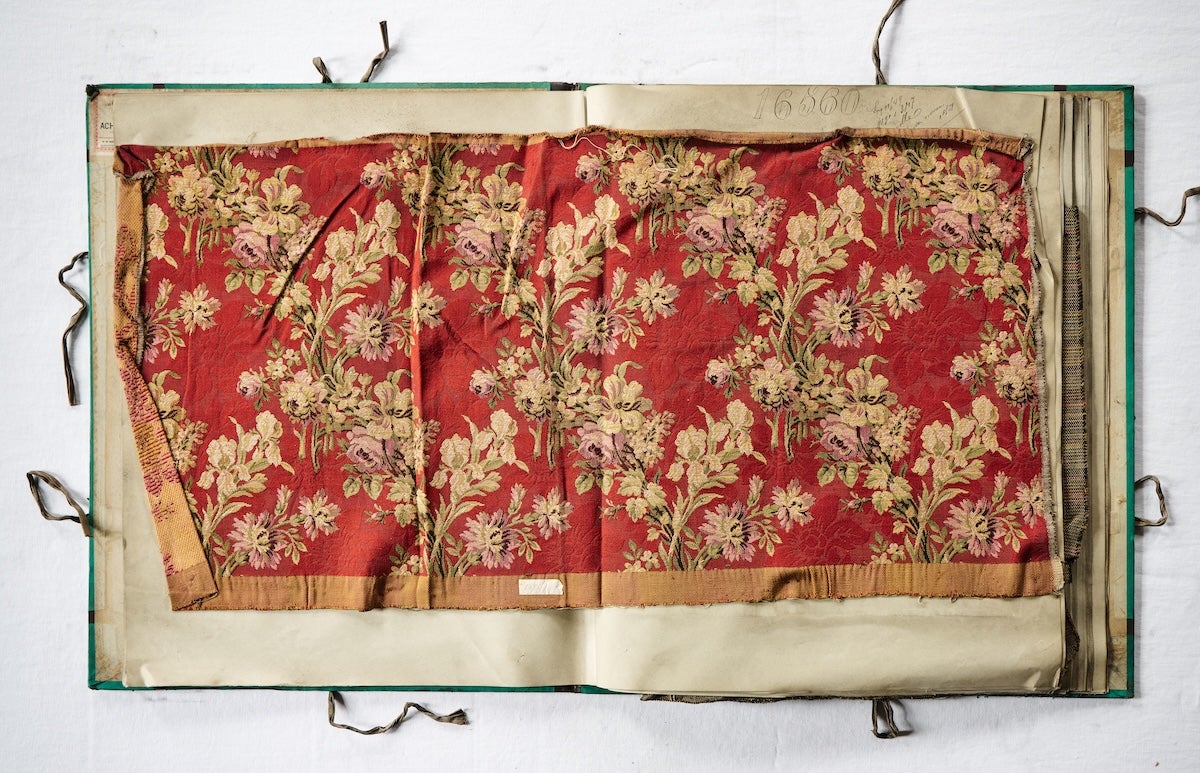
When Dara Caponigro, Schumacher’s chief creative officer, visited the mill for the first time (“romantically derelict,” she described it), she was struck by the sheer breadth of its output. “I was blown away by the place, the ambiance, and the books—there were rows and rows of these beautiful [fabric] books that were over 100 years old, and filled with really magical things,” she recalls.
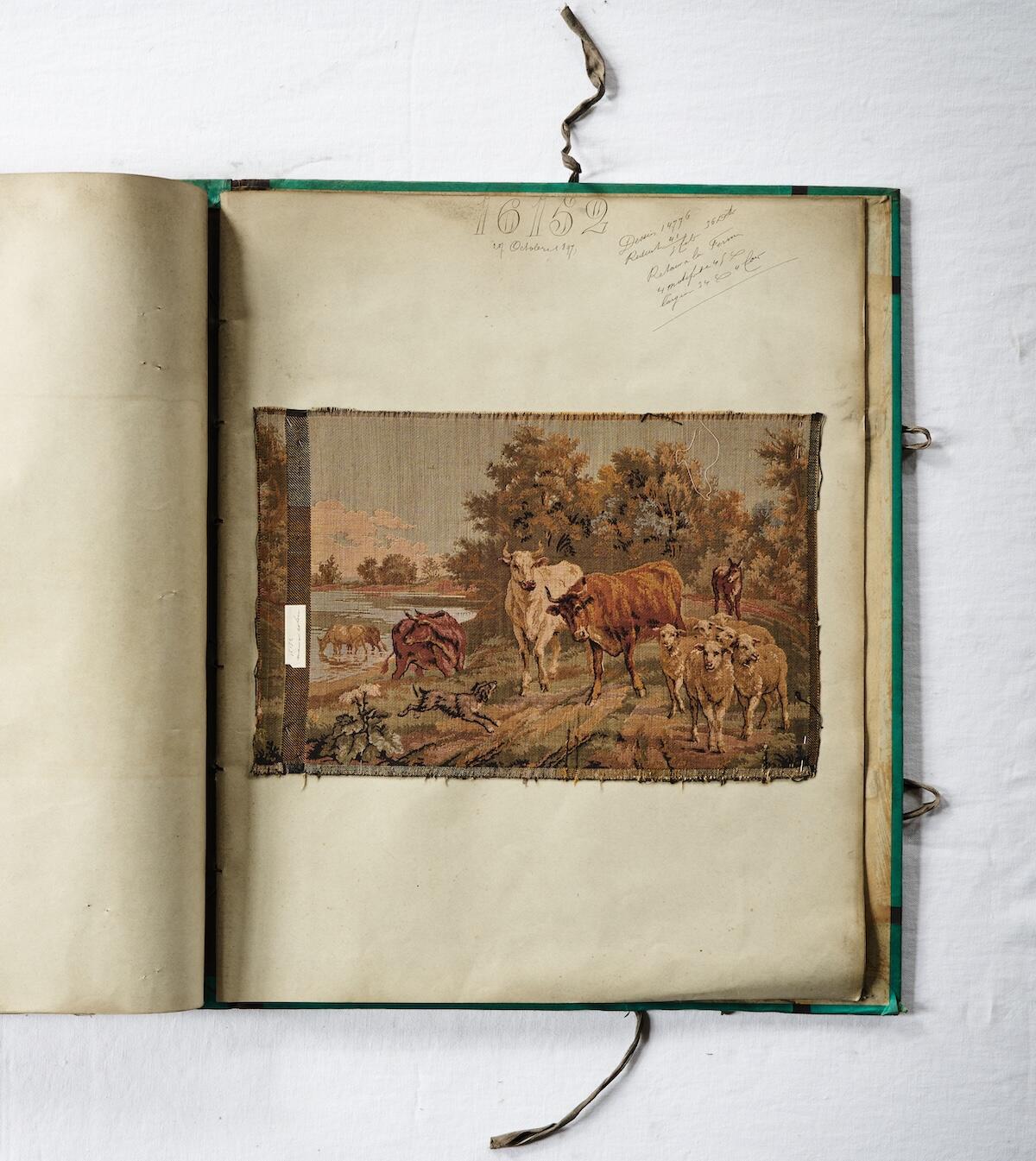
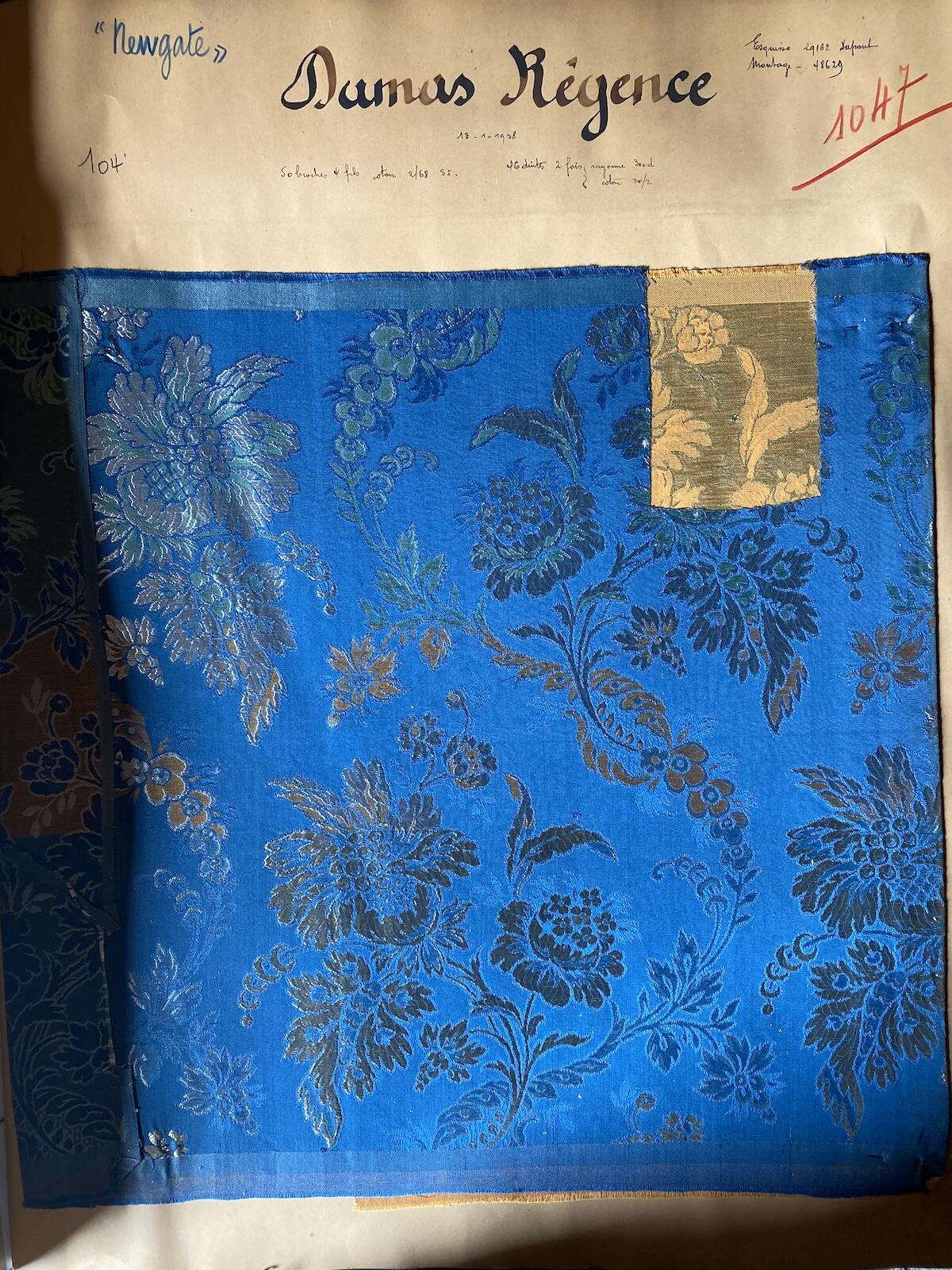
Between the Belgian mill and a barn in the Bordeaux region of France that contained the other half of the mill’s archive, the Schumacher team recovered a vast fabric compilation—more than 75,000 textile samples from 1,500 swatch books, including original fabrics and drawings dating from 1870 to 1960. Stylistically, the assortment runs the gamut: modernist art deco motifs, classic Persian designs and traditional florals, rendered in materials ranging from fine silks and brocades to heavily textured fabrics like tapestries and jacquards. Conveniently, the volumes were organized by year, providing a time capsule for the textile tastes of each era, and a reference for how those preferences evolved over time.
“For example, there could be this very avant-garde design from the 1920s, and you turn the page, and it could be a 19th century–looking brocade,” says Caponigro. “What struck me most was the variety of the decorative appetite of the consumer.”
What’s more, the quality of the Vanoutryve archive featured craft techniques that have in some ways been lost to time. For Schumacher CEO Timur Yumusaklar, the mill’s slower approach to weaving quickly became clear in the level of detail found in each recovered textile. It offered a refreshing reminder of the merits of painstaking production—easy to forget in an age of rapid technological advancement and time-saving methods like digital printing.
“It goes back to [concepts like] slow food or slow weaving—you have to celebrate and be really interested in it, and you can’t rush it,” says Yumusaklar. “We already have a lot of that in our archive, but that, in its expansiveness, was very reassuring, and gives us a lot of energy and vision on how to explore [that idea] even more.”
Transporting the archive to the U.S. came with its own set of challenges. The entire collection filled two shipping containers, and many documents had to be frozen for 30 days upon arrival to ensure there were no moths or pests that survived the journey. Now, Schumacher’s archivists will begin the restoration process, which the company expects to take two to three years. Still, Caponigro says, those efforts are worthwhile to honor the legacy of the place that served a pivotal role in textile history.
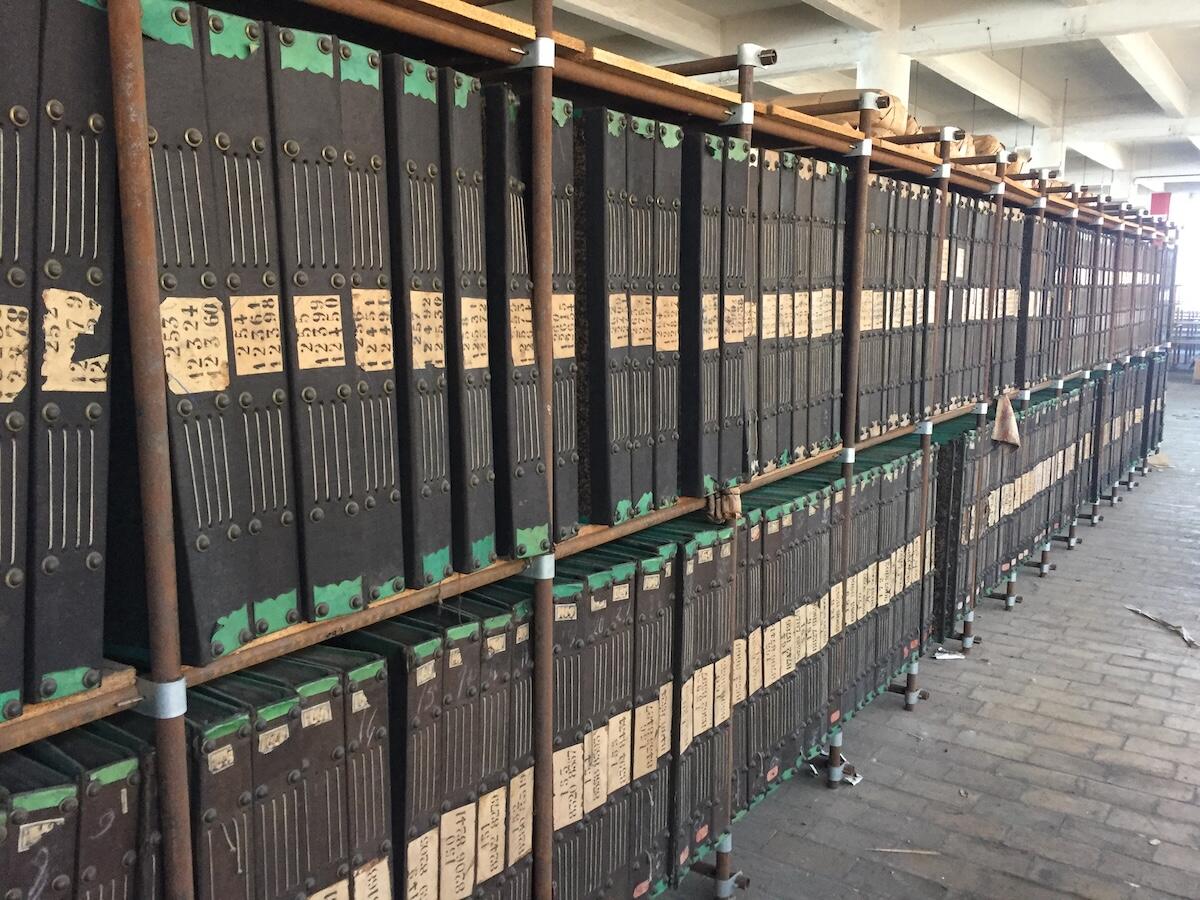
“Vanoutryve was one of the largest textile mills in the world, and they were selling all over the world,” she says. “It just felt like the right thing to do to keep this group of books together. They were an indication of the tastes of the time, and really a lesson in decorative arts.”
The mill’s collection will be integrated with Schumacher’s existing archive, which is currently housed in a space at the Brooklyn Navy Yard. The goal is to use the assortment as an industry resource for education and inspiration—which could include traveling museum exhibitions, site tours for designers and students, and maybe even a collection reviving some of the archival designs. For Schumacher, the acquisition represents both an acknowledgement of the company’s roots and a desire to share that evolution with the design community for years to come.
“It’s part of our soul and our spirit, in the sense that we’re so passionate about textiles, like all the generations that come before us have been,” says Yumusaklar. “It was very important for us to preserve the heritage, restore it and make it accessible.”










 Withdraw Consent / Manage Privacy Preferences