











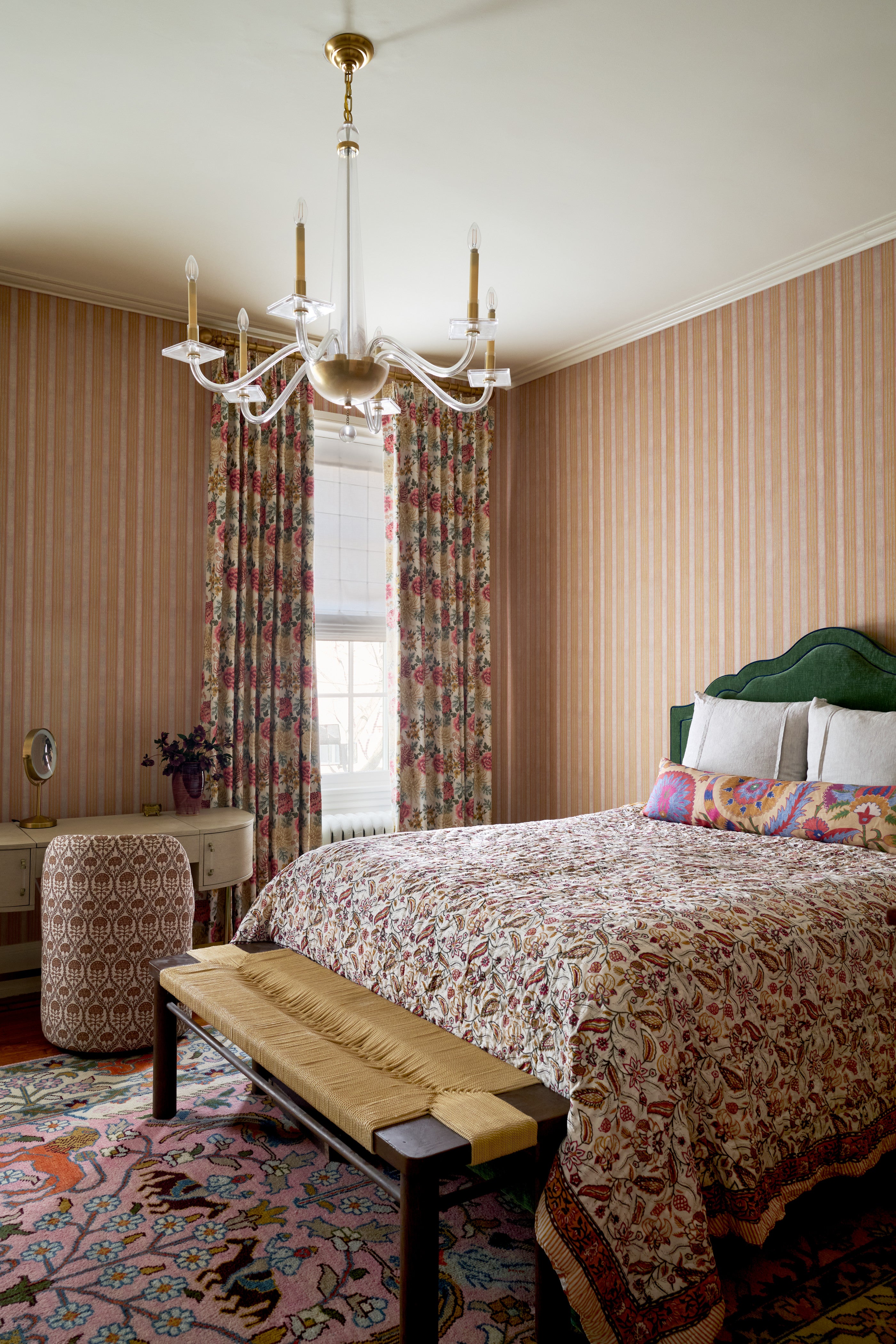

Layering different patterns and textures harmoniously can seem like a daunting task. This week, we asked seven designers—Michelle Gage, Jessica Katz, Ruben Marquez, Derek Miller, Zoe Pinksa, Ushi Schick and Jordan Sholem—how they mastered the art of stacking textiles.

Ensemble Cast
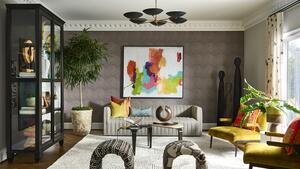
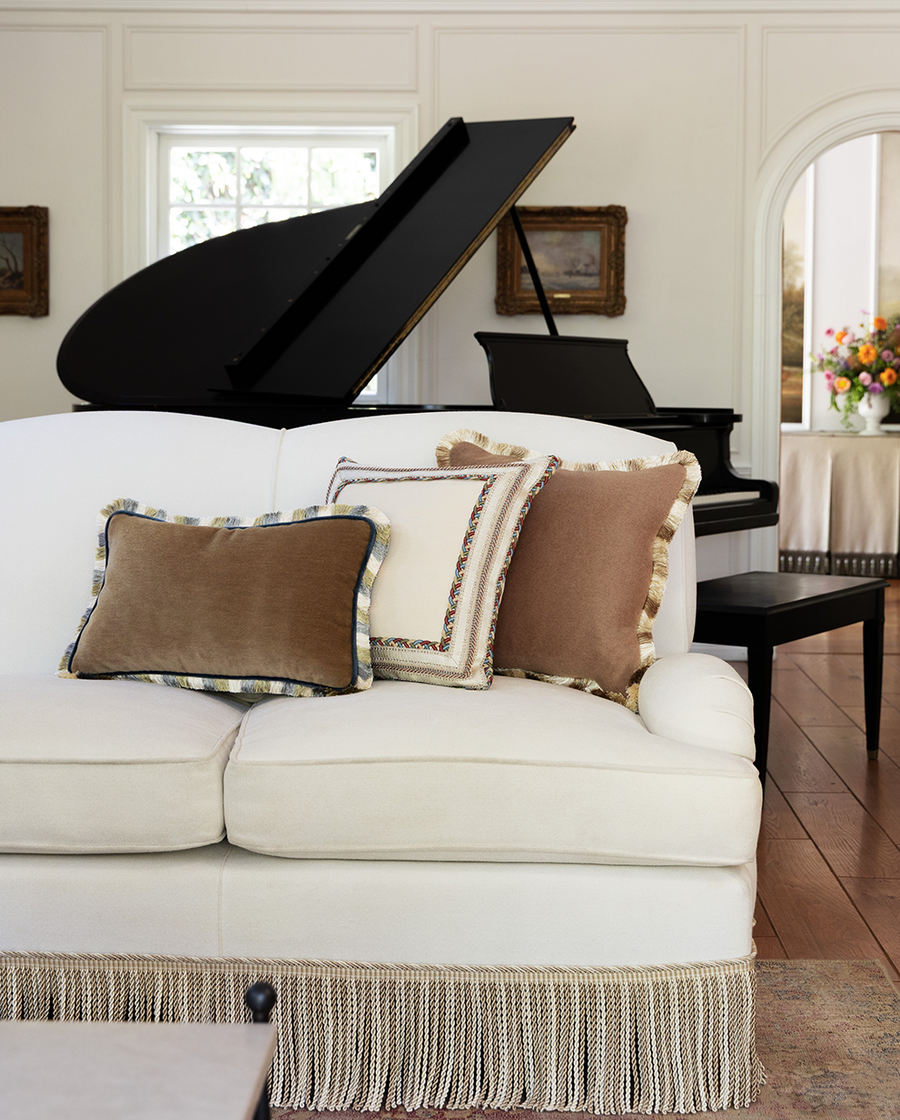
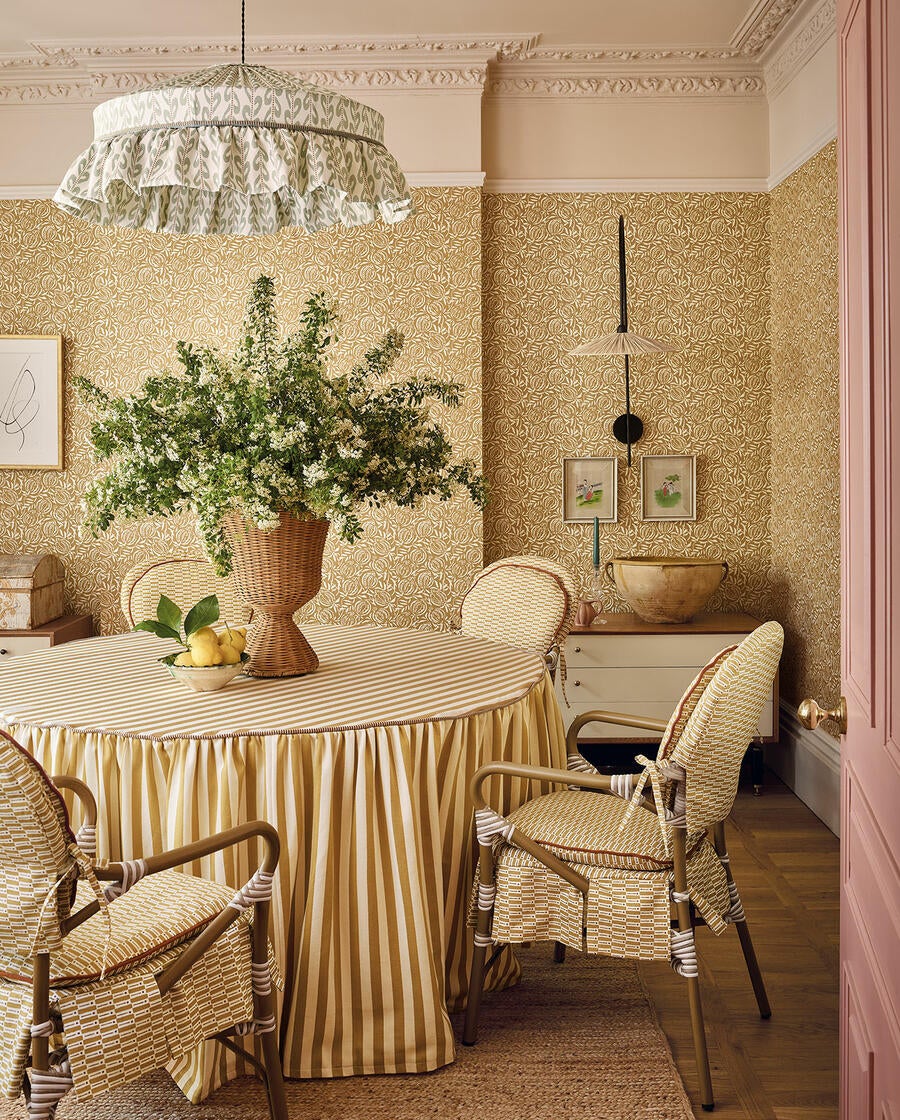
“We like to vary the scale and type of pattern so that nothing feels like it’s competing for attention. We generally avoid layering patterns that speak the same language, such as two stripes or two florals. If we’re using a larger-scale pattern on a rug or drapery, we balance it with something smaller on an upholstered piece or pillow. We also [seek] some cohesiveness in the color palette to tie everything together. Most importantly, we try not to overthink it. The best rooms feel collected and layered over time rather than perfectly coordinated.” —Jordan Sholem and Jessica Katz, J2 Interiors, Los Angeles

Find the Balance
“The layering needs to sing from not only a color perspective but also a balance of proportions. You need to consider scale. Study historic interiors to understand the balance needed, even if you’re using more contemporary and colorful wallpaper and fabric prints. From a color standpoint, the undertones matter: You can choose to pull out colors from a bold print and mix that way or think about what contrasts or complements that shade. There are many ways to get it right—it just takes practice!” —Michelle Gage, Michelle Gage Interiors, Philadelphia

Common Thread
“My advice is to focus more on the scale and tone of the patterns than on what the pattern actually is. The relationship of each pattern to everything else in the room is what’s most important. If you want to use a lot of patterns while keeping a space calm and relaxed, consistency in scale, color family or tone can help achieve that. The opposite is true if you want a space to feel loud, energetic and unexpected; then, vary the scale, color and intensity. I also think it’s important to have a ‘red thread’ running through the patterns so there is still a sense of connection. That could be one color that appears throughout, a shared materiality, a similar subject matter, or even just a similar feeling. The patterns don’t need to literally match; in fact, I think it’s more interesting when they don’t. The goal is to make everything feel like it belongs.”—Derek Miller, Lauren Thomsen Design, Philadelphia

Expect the Unexpected
“When layering patterns, we always start by varying the scale. Choose one hero pattern and let the others support it—a large floral with a small stripe, check or tight geometric. When too many patterns compete at the same scale, a room can quickly feel busy rather than layered. We also like to create a common thread without making everything match. It might be a color that repeats, or simply patterns that share a similar warmth or mood. That little bit of continuity gives you permission to introduce something unexpected. And we think the unexpected piece is essential. Mixing a traditional floral with a graphic stripe, antique textile or something slightly quirky creates tension and keeps a room from feeling too coordinated. The goal is [to feel] collected over time, not chosen from one collection. We’re also loving the return of patterns used more expansively—taking a print beyond a pillow and onto drapery, upholstery or even wallpaper. Done intentionally, more of one pattern can actually feel calmer and more immersive than lots of unrelated small prints scattered throughout a room.” —Zoe Pinksa and Ushi Schick, Sidemark Studio, Mill Valley, California

Breathing Room
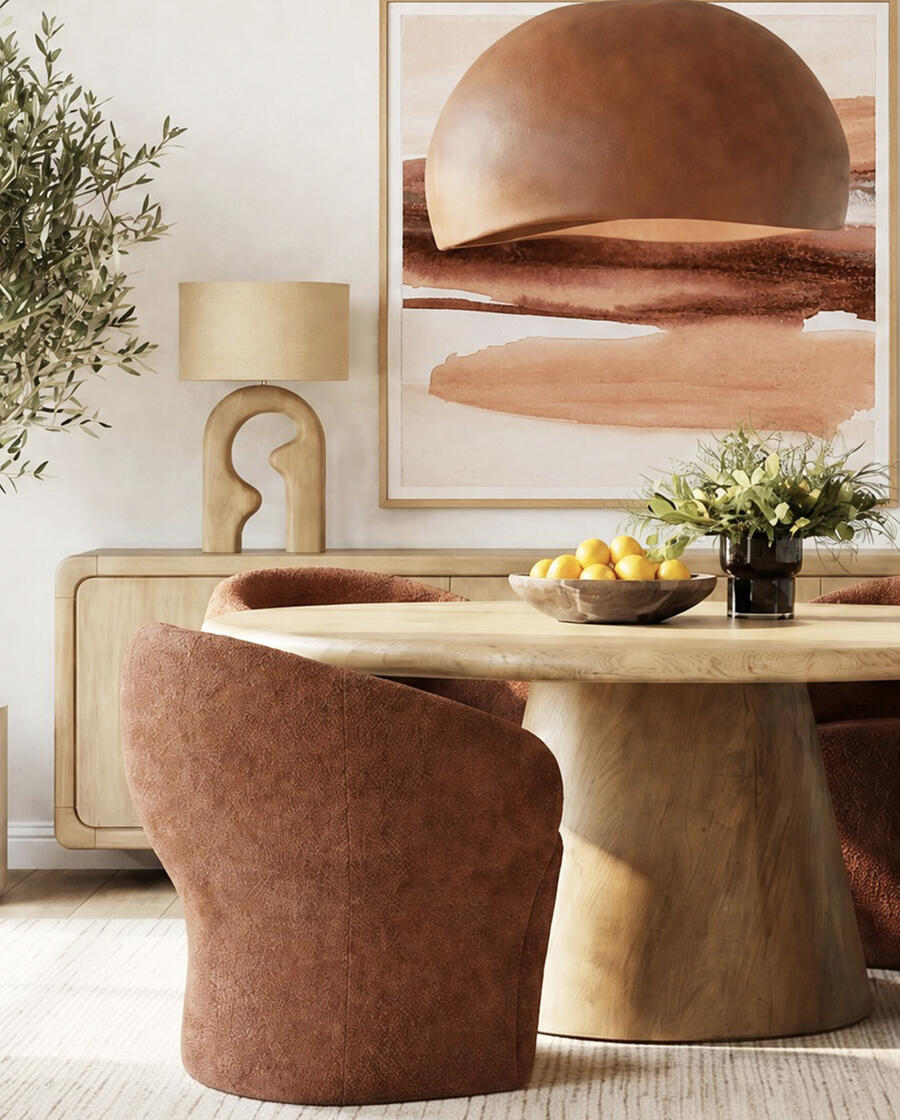
“My work is known for feeling polished, balanced and timeless, so [I] always start with something strong that sets the tone for the space. I vary the scale and make sure there’s a common color connecting everything. I like to let one pattern take the lead and use the others more quietly. Most importantly, I leave plenty of breathing room [through] solids and texture. Pattern should add depth to a room, not make it feel busy.” —Ruben Marquez, Ruben Marquez Interior Design, Los Angeles



 Withdraw Consent / Manage Privacy Preferences