















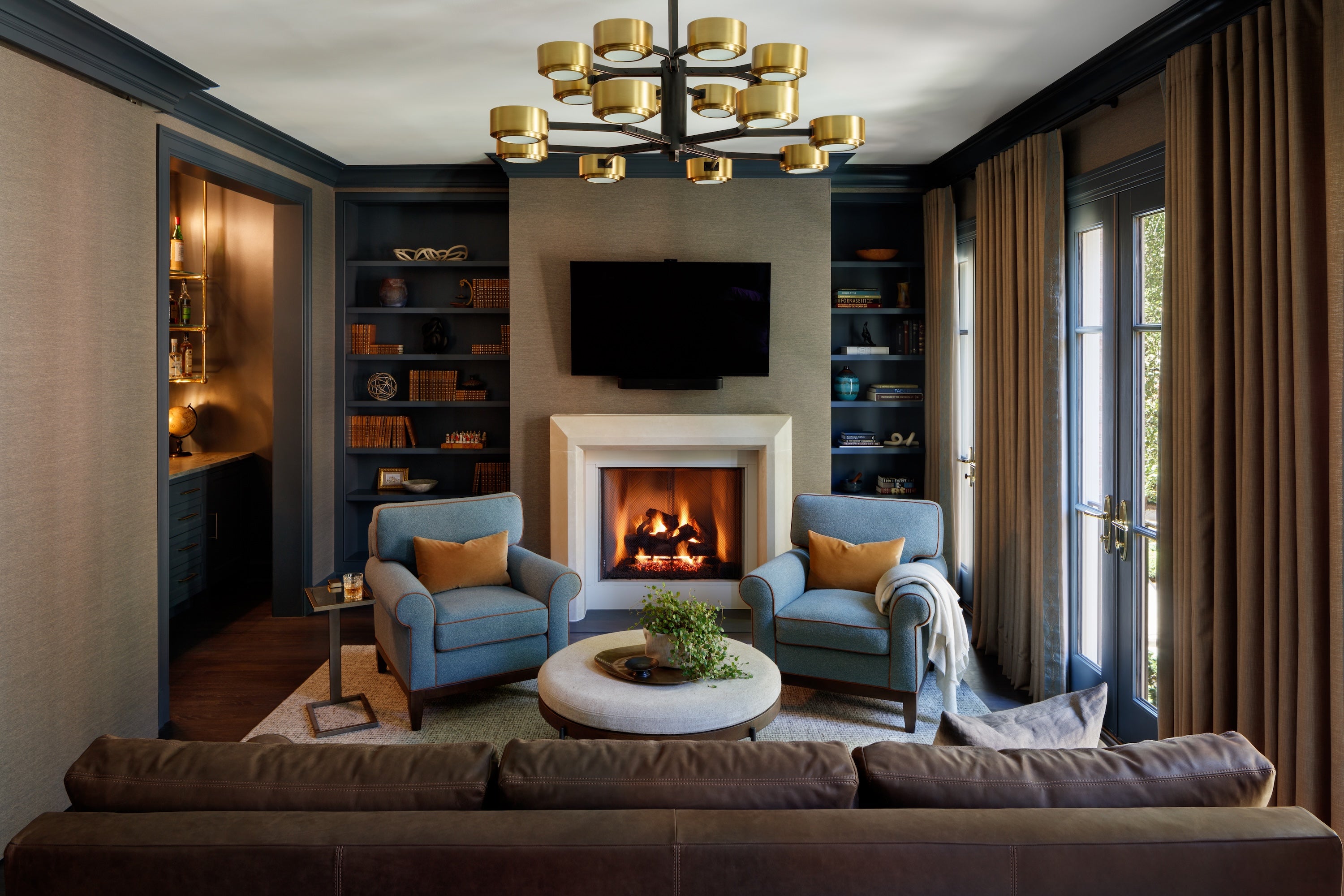

Depending on where you are in your career, you may accept a project another firm would pass on, and vice versa. This week, we asked four designers—Dylan Gould, Lauren Lerner, Tracy Morris and Amy Pariser—whether they have a budget threshold for accepting new clients.

Clear Expectations
“[We have a project minimum] and we’re clear about it because it saves everyone time. Our minimum to start is $75,000 in furnishings, and most of our projects land well above that once you account for full furnishings across several rooms—artwork, drapery, lighting, all of it. Most people underestimate what it takes to furnish a home well, so part of our job is helping clients understand the real investment without the sticker shock. We’re a full-service design firm and a licensed general contractor, which means the same team carries a project from concept through construction. We don’t take construction-only work, and any construction costs sits above and beyond the furnishings minimum. When someone comes to us under that range, I’d rather point them toward the right fit than stretch a project thin. A clear minimum isn’t about turning people away. It’s about making sure the work we take on gets the attention it deserves.” —Lauren Lerner, Living With Lolo, Scottsdale, Arizona

Making Meaningful Change
“We don’t have a minimum project budget, but we do look for projects with a substantial enough scope that our team can really make a difference. After more than 25 years working on custom homes and large-scale renovations, our firm is structured around projects that require a significant level of design, planning and project management. That means we’re probably not the right fit for someone who simply wants to refresh a powder room or rearrange the furniture they already own—and that’s completely OK. We’re looking for clients who are ready to make a meaningful change to their home, whether a major renovation, a new build or rethinking several spaces together. I think every design firm eventually learns where it can bring the most value, and for us, that’s when we’re involved deeply enough to consider how the entire home works and feels. It’s less about reaching a particular dollar amount and more about having the scope necessary for us to do our best work.” —Tracy Morris, Tracy Morris Design, McLean, Virginia

Different Scope for Different Folks
“[We have a project minimum] but it’s dependent on the specific project. We look at our projects through the lens of our relationships and what it will take to deliver the outcome our clients want. For example, our minimum fee for a 12-week coffee shop project is different from our minimum fee for an 18-month townhouse renovation. We are upfront and honest about budgets with our clients. Through these conversations, we’ve realized that some of the projects we would’ve historically lowered our price to get would shortchange the human factor required to achieve the desired outcome.” —Dylan Gould, Cargo Workshop, New York

Lead With Intention
“We don’t necessarily have a minimum overall project or construction budget, but we generally require a minimum design fee. Over time, we’ve learned that establishing a minimum scope allows us to devote the level of thought, creativity, collaboration and attention to detail that our best work requires. We occasionally make exceptions, particularly for local entrepreneurs launching a small business or for philanthropic projects we feel strongly about. If we believe in the people behind something, the mission or the community impact, we’re always open to a conversation. On the residential side, we’ve also become much more intentional about taking on whole-home projects, whether they’re completed all at once or thoughtfully phased over time. We’ve found that a one- or two-room project can require nearly the same level of communication, coordination and creative energy as a much broader engagement. Working across an entire home allows us to think more holistically, build a deeper relationship with the client, and create spaces that feel cohesive rather than designed in isolation.” —Amy Pariser, Parini, Detroit






 Withdraw Consent / Manage Privacy Preferences