







Install day can be the most gratifying, but also the most taxing, part of the design process. This week, we asked four designers—Chad Dorsey, Ryann Swan Hackett, Dana Wolter and Nicole Zarr—how they manage the final phase of a project.

Master Plan
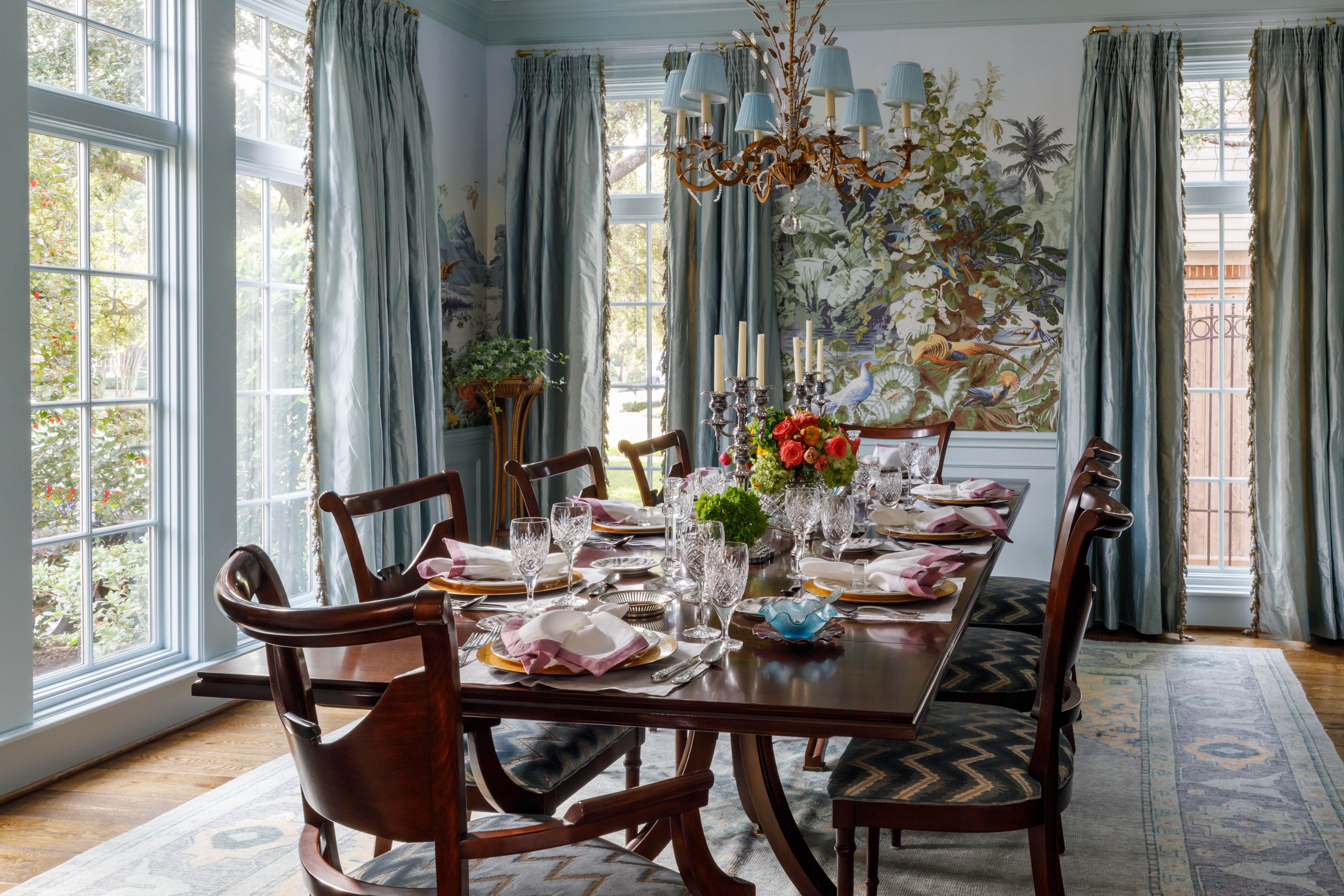
“We love to make install days fun, but you must be super organized on the back end with a master printout of inventory by room that you share with your moving company. Tape the room number or name on each door so you can direct movers without having to lead the way for each item. Schedule picture hangers to arrive later in the day (or on the second day) so you can thoughtfully position everything and mark placements with painter’s tape prior to installation. Bring extra accessories—no matter how much you preplan, they always seem to get gobbled up. Have access to the owner’s sound system and play good music to set the mood. We always have our clients take a trip or leave for the day, then return to a big reveal with champagne, lit candles and fresh flowers. Things go much smoother without the client watching, and it is really fun for them to arrive—sometimes with the whole family—to a magazine-ready home.” —Nicole Zarr, Nicole Zarr Interiors, Houston

On the Record
“We have client installations down to a science. Most recently, we completed a full install of a 10,000-square-foot home, including art and florals, in just five days. The key to efficiency is clear organization and defined roles, so every team member knows their exact responsibilities. Documentation is also essential. We photograph everything, especially furniture pieces, to keep a detailed visual record. In each room, we tape a sheet to the floor plan outlining every item and its placement (using painter’s tape, of course), along with an internal item number for quick and easy reference. One logistical tip we always swear by: Load rugs onto the truck last. They are usually the first pieces placed in a room, so having them easily accessible makes the installation process move much more smoothly.” —Dana Wolter, Dana Wolter Interiors, Mountain Brook, Alabama

Pack the Essentials
“Install day isn’t just about the final styling touches; it is a high-stakes logistical handoff of a living collection. If you want a space to feel effortless the second the client walks through the door, your back-of-house must be flawless. For my team, that means eliminating friction before it can even happen. We don’t just show up with the curated books, raw textures, art, and custom furniture and accessories; we pack the oftentimes forgotten essentials required for a seamless install. Our kits always include everything from precise, warm-spec lightbulbs to industrial moving blankets, cleaning supplies, and floor booties. If a single element is missing, the illusion of ease is broken. My biggest tip is to treat styling as the final structural layer of the architecture, not an afterthought. You have to anticipate every variable, big and small, so that when the homeowners step inside, they aren’t looking at a showroom—they are immediately living inside their own collection, without compromise.” —Chad Dorsey, Chad Dorsey Design, Dallas

Set Your Expectations
“We go into install days with a very clear plan. Every project has detailed checklists of incoming furniture, printed floor plans with icons of each item taped in the corresponding rooms for installers, and a printed packet for the lead installer. We have shoe covers ready for everyone, and extra floor protection if needed. But the reality is, no amount of preparation completely saves you from install-day logistics. You’re still going to get asked where every piece goes as it comes off the truck. You’ll still remind someone about shoe covers. And somehow, despite warehouse inspections, something always arrives damaged. I think having an expectation of a small bit of chaos helps you handle the day better. We also never show up without our install bag. It goes to every install, big or small, with Magic Erasers, furniture touch-up pens, fabric gloves, a suede brush, lint rollers, fabric scissors, tip kits, felt pads, brown and black duct tape for cord management, and a Snickers bar.” —Ryann Swan Hackett, Ryann Swan Design, Greenwich, Connecticut