



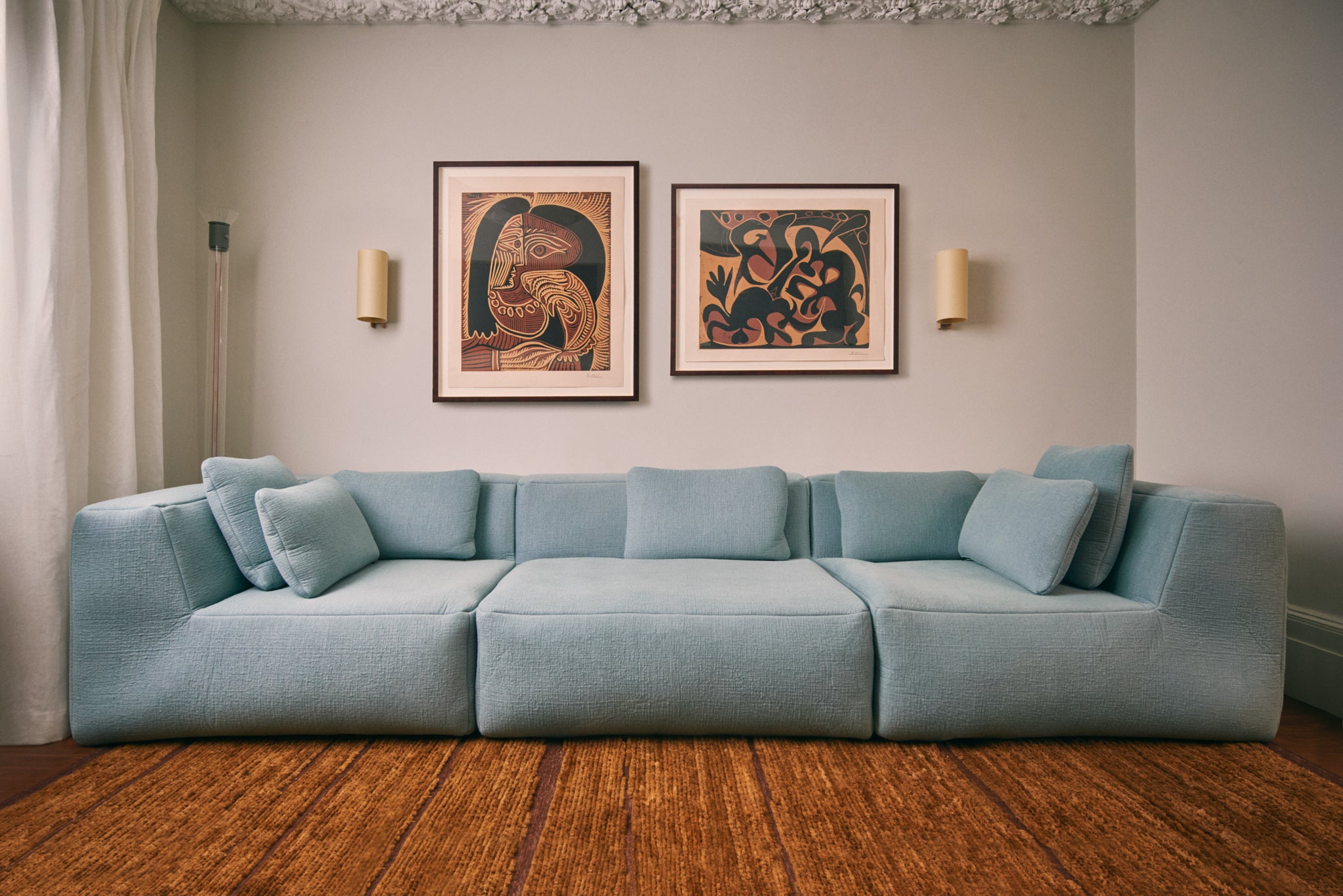

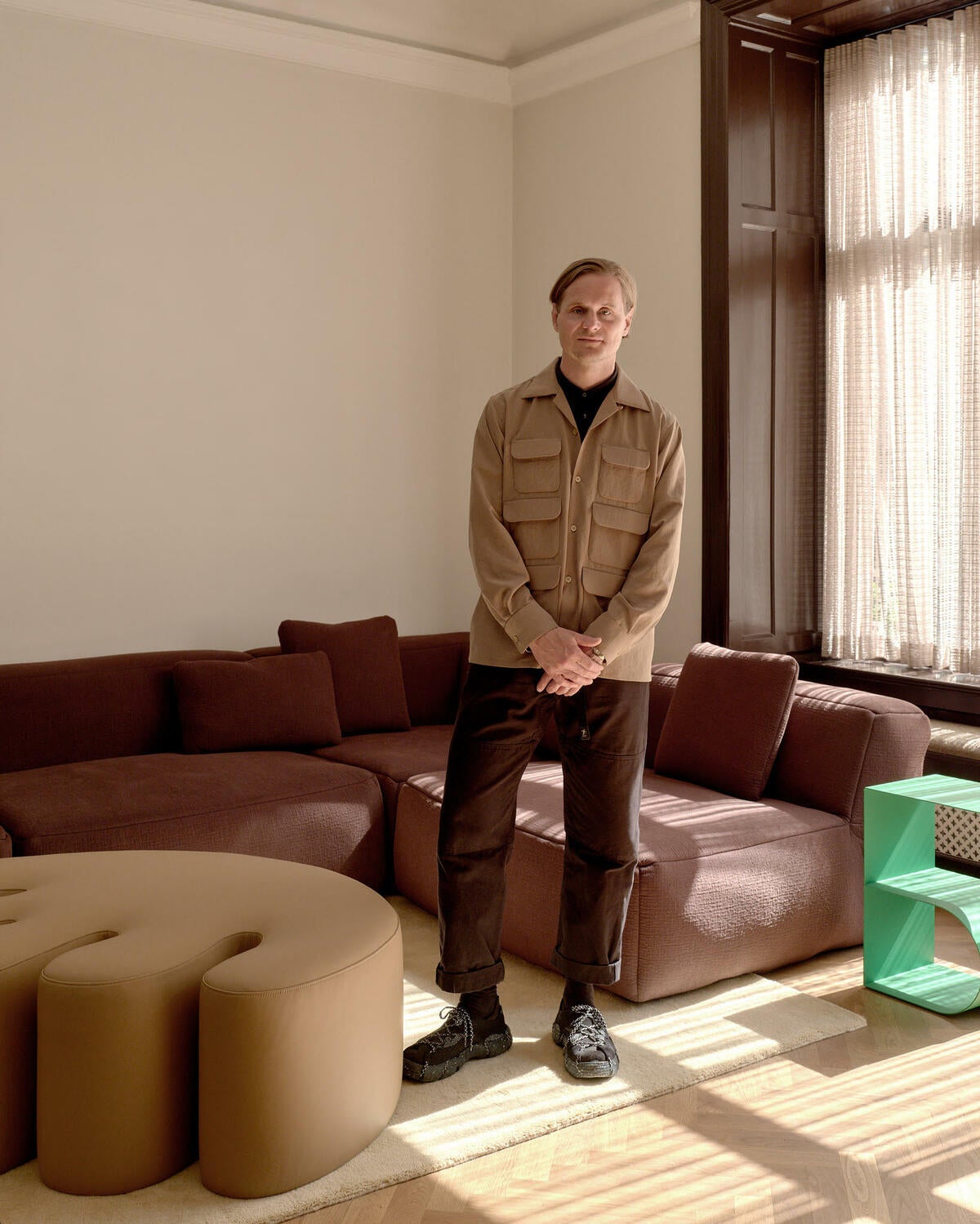
Like most addictions, it started innocently enough. During the pandemic, Swedish furniture brand Hem needed to move units, so it began holding small sales, offering 10 percent off here and there. They worked, almost like magic. and so Hem kept going: 15, 20 percent. “I don’t think there’s anything like it. It has this allure—you see a direct conversion,” says founder and CEO Petrus Palmér. “Getting a taste of that, wow, it was something else. It works.”
Then things started to get out of hand. The company cut deeper and more frequently. Sales went to 30 percent, and then 40. “It was also getting into the tactic of—not deceiving customers, but being a little dishonest about it. [There would be] a big poster for 40 percent off, and some items were, but a lot of items were maybe 15 or 20,” says Palmér. “So it also felt like: Really? Do we need to do this?”
No more. Earlier this month, Palmér made an announcement on LinkedIn, proclaiming that Hem was quitting discounts cold turkey. “From now on, full price is the standard. Not as a tactic, but as a reflection of what we believe our work represents,” he wrote. The move was cheered by fellow home furnishings executives, many of whom have likely had their own rides on the promotional roller coaster. But will it work?
For the average consumer, sales barely register. But for brands, they can be a special kind of hell. The problem is not so much that discounts cut into margin—though that is painful—but the way they add so much complexity and risk to a business. Sales concentrate activity around a very short window, which puts strain on staff and supply chains. If you bet your quarter around one weekend and something goes wrong, it’s a disaster.
That’s true in any category. But promotions come with another downside in the home industry, which is that they make life harder for the trade. Designers rely on some level of price consistency to protect their margin—for them, there’s nothing worse than specifying a sofa at one price, only to have a client see it on sale over Labor Day for 40 percent off.
That dynamic is a key factor behind Palmér’s decision. When Hem launched in 2014, roughly 70 percent of its business was direct to consumer, with 30 percent to the trade—a fairly typical mix for a high-end DTC home brand. A dozen years later, the company is bigger (Palmér says it does roughly $10 million in annual sales), but those numbers have flipped, with the trade now making up 70 percent of its revenue. Hem also has a significant wholesale business to consider as well.
“As architects and designers have been an increasing part of our business, these kinds of [discounting] tactics have been more difficult,” says Palmér. “There are quite a few people that we rely on, and their businesses get a lot harder when all of a sudden things are on sale in an aggressive way.”
In other words, Palmér’s move is practical. But in speaking about the corrosive effects of discounting, it’s clear that his position is deeply felt. “I think it has to do with design commerce being more global,” he says. “Online retailers have pricing engines, and they’re monitoring each other, [so if] someone puts in a Flos light at a certain price—or a Vitra chair, or a Muuto or Hay product—it’s almost automatic that others follow. It’s a race to the bottom, and it’s dangerous for the whole industry.”
That’s precisely the thinking that was applauded by other home world executives on Palmér’s LinkedIn post. But while everyone knows the dangers, discounting remains a difficult drug to quit—especially for classic retail businesses. In 2019, Ethan Allen announced an ambitious plan to eliminate discounts altogether and replace them with a membership program not unlike RH’s. It didn’t last.
Even RH Chairman and CEO Gary Friedman, who has railed against the negative effect of constant promotional messaging, has recently nodded to the realities of a challenging business landscape. “Furniture is an industry that, at the highest level, does not sell at full price,” he told analysts on RH’s second-quarter earnings call last September. “Unless you just want to f---ing go bankrupt—excuse my language—in a market like this and stand there and be righteous and saying ‘I’m not promoting,’ good luck.”
Of course, Hem’s business is radically different from Ethan Allen’s or RH’s, but Palmér is not blasé about the implications of the move he’s making—he knows this change will hurt at least one of the brand’s key sales channels. “An important part of this is that we are sacrificing the DTC component. I think that’s a very important part of our decision,” he says. “DTC design furniture hasn’t played out well—it hasn’t for us, and it hasn’t for many others either. It’s a very complicated game. So instead, we are now actively working with partners. We are working with retailers. We are working with the whole industry.”
Another plus: Quitting discounts will allow Hem to focus on the stuff that anyone who starts a design brand actually wants to focus on. “It’s easy to say, ‘Everything’s on sale, come to us!’” says Palmér. “This requires us to get more creative, and to really focus on our true value. We need to make better products. We need to tell stories better, make more compelling assets. We need to have other ways of making sure that the customer comes back and stays interested.”