










Best known for its outrageous stock price and the wit and wisdom of its just-retired sage, Warren Buffett, Berkshire Hathaway also has a wide assortment of disparate holdings. These range from big stakes in Coke and Apple to a decidedly less high-profile quartet of regional furniture retailers that are considered among the best in the industry.
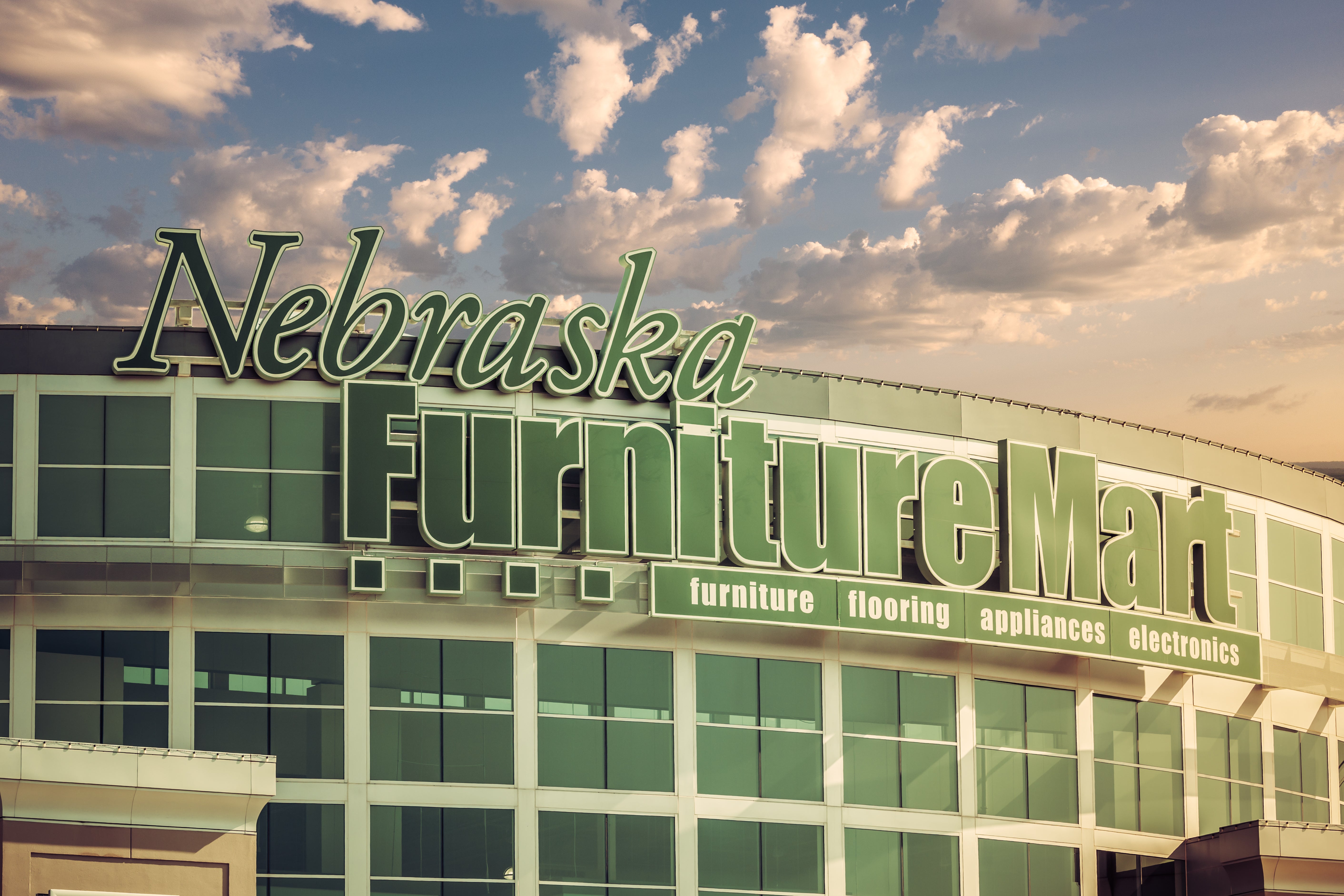
Led by Nebraska Furniture Mart, and believed to do more than a billion dollars in annual revenue (some estimates put the figure at perhaps twice or even three times as much), the four retailers have historically had one major operating strategy: They don’t overlap geographically, meaning they don’t compete with each other. That is, until a year from now.
In the spring of 2027, NFM (the name it’s trying to adopt as it expands beyond its namesake state) will open a monster store in the Austin metropolitan area—currently the domain of its sister brand, Star Furniture. Star, generally considered the smallest (and perhaps weakest) of Berkshire’s four home furnishings brands, has 10 stores radiating out from its Houston base, with one location in Pflugerville, an Austin suburb.
The Austin store will be NFM’s second location in the state, following its massive store outside of Dallas in The Colony, which opened in 2015. Today, the 1.8-million-square-foot complex (about 500,000 square feet of that is retail selling space) is believed to be the highest-revenue location in the Berkshire furniture-sphere—and perhaps in the entire home furnishings universe.
It certainly beats out its other two Berkshire stablemates. Jordan’s Furniture has eight stores in New England and is known for its entertainment-based model, which includes Imax theaters and activity centers, while RC Willey has 13 locations stretching out across the western part of the country from its Salt Lake City headquarters. Together the four brands, plus the Homemakers subdivision of NFM, are sometimes estimated to do as much as $3 billion in annual revenue. Berkshire does not break out its sales by product category and only provides numbers for its entire “retailing group,” which includes three jewelry businesses, See’s Candies, and a kitchen tool maker called Pampered Chef. In its 2025 financial report, Berkshire pegged revenue for the whole division at $19.7 billion.
Up until the NFM announcement of the Austin store last year, the company was adamant about its furniture brands not going head-to-head. This goes back to the meet-cute story of how Berkshire got into the home furnishings business after Buffett met the legendary Mrs. B—Rose Blumkin to outsiders—who founded Nebraska Furniture Mart in Omaha in 1937. Taken with her entrepreneurial spirit, in 1983 he bought what was then a single-store operation for $60 million and a handshake, and began looking for other brands around the country. After the purchase of Jordan’s in 1999, he may have gotten tired of furniture: There have been no additional credenza purveyors added to the portfolio since then. (He did, however, enjoy a brief love affair with RH, buying up shares in 2019 before dumping them in 2023.)
NFM’s Austin move raises all kinds of questions, though Berkshire, as is its habit, isn’t answering them. Did it give the green light to NFM because it saw business to be had in central Texas that Star wasn’t getting? Could Star be sold and the rest of Texas declared open territory for NFM? Could Star be folded into NFM? Or is there a bigger plan in place to make NFM more of a national chain while the other brands remain regionalized?
Whatever the plan, there probably is one. Let us not forget that when Buffett bought into Berkshire Hathaway in the early 1960s, it was a textile manufacturer—and an unprofitable one at that. “We decided we needed to make money,” he has said in numerous interviews, including one with this reporter, “so we sold the textiles business and went into other fields.”
No doubt Berkshire Hathaway knows exactly what it is doing in the furniture retail business.


 Withdraw Consent / Manage Privacy Preferences