






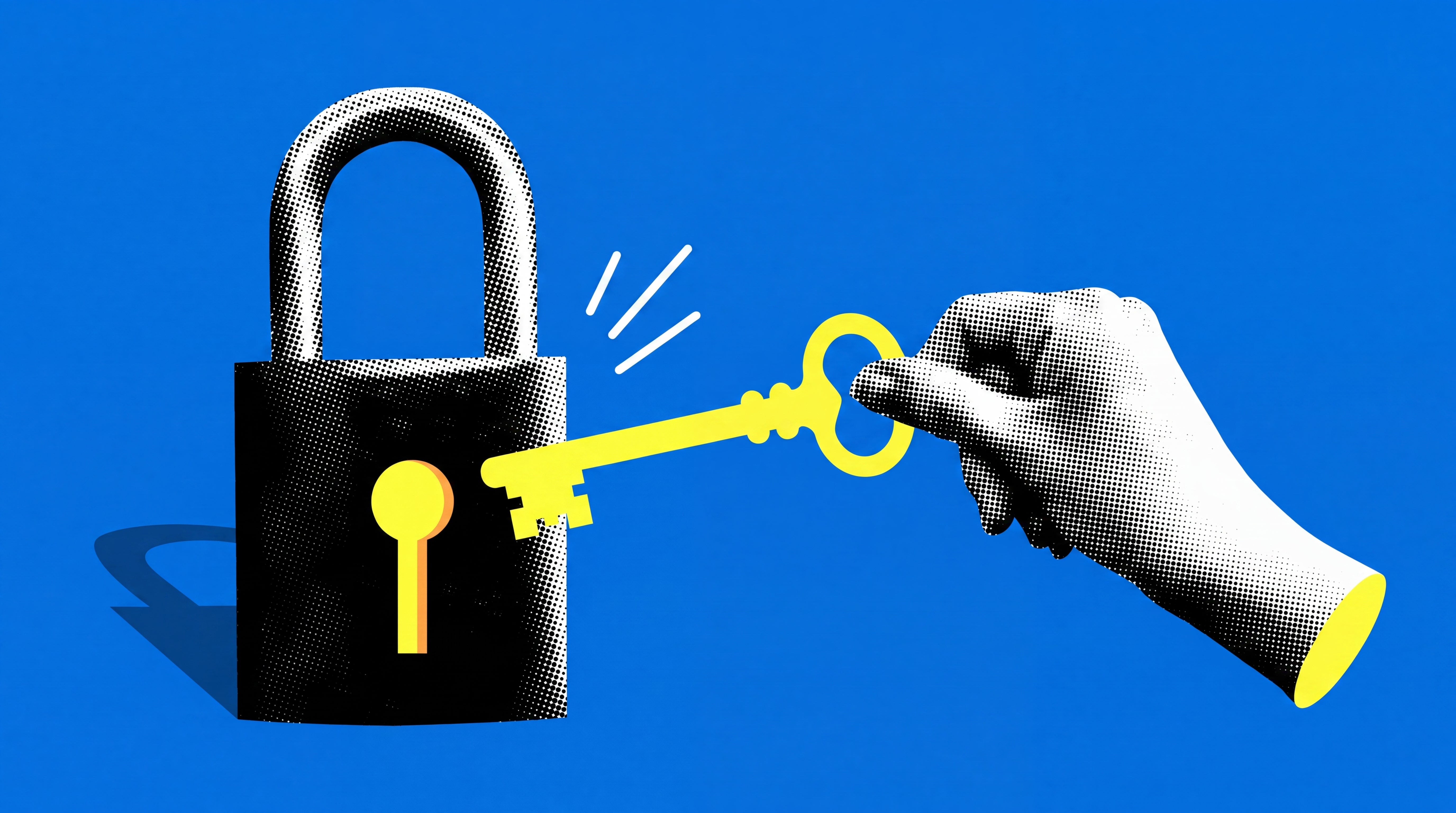
A few weeks ago I received an email that stirred up memories of failure. It was a note from a new Substack called The Grumpy Decorator, promising candid advice and occasional gossip from an anonymous senior designer at an AD100 firm. The logo, in particular, struck a chord: a photo of a masked woman, borrowed from a Harry Winston ad.
For journalists—nosy people by nature—masks are irresistible. In 2018, an Instagram account, @TheOldHouseBeautiful, sprung up and briefly lit the design media world on fire. From behind a veil of anonymity, the poster relentlessly mocked changes to House Beautiful following a high-level editorial shakeup. The brand—at least in the eyes of the account—had gone from posting exquisite interiors to Ikea hacks and cheap engagement bait. The account garnered thousands of followers (“Join the rebellion,” it beckoned). Its avatar was a still from Amélie featuring Audrey Tautou dressed as Zorro. Another mask.
Despite my best efforts, a few interesting leads, and a tantalizing clue offered by the poster themself, I was never able to crack the case and unveil the true identity of @TheOldHouseBeautiful.
A few years later, another mask, another failure. In 2021, @DesignWithinCopy popped up and began lobbing knockoff accusations like Molotov cocktails. From celebrity designers to small studios, no one was spared. The account captivated the industry and sparked heated debate at cocktail parties. I never found out who was behind it.
In retrospect, that’s probably for the best—I’m not sure anyone would have thanked me for it. The Old House Beautiful was shuttered in 2019, but while it was active, it had an enthusiastic fan base cheering its critiques in the comment section. Similarly, Design Within Copy has stopped posting regularly, but it still has more than 60,000 followers and a lively comments section. The design industry loves a caped crusader.
It’s not just design. In art and literature, there’s a long-running tradition of anonymous firebrands throwing poisoned darts from behind a curtain—in the early 19th century, an anonymous critic named “Z” mocked John Keats so harshly that the poet’s friends claimed the reviews contributed to his death. In more recent years, the fashion world has birthed accounts like Diet Prada and Boring Not Com, where once-anonymous, now-unmasked commentators spill industry gossip and blast perceived wrongdoers.
These critics emerge from a tricky paradox: To make a good critique, you have to be close to something, but making the critique risks ending that closeness. They’re comparatively rare in big industries that thrive on a boisterous, combative spirit—in politics and tech, there’s little need for masks (the sniping is out in the open). Anonymous voices, meanwhile, tend to arise in close communities with a strong sense of decorum—environments where there’s a lot to say, but a high price paid for saying it.
It’s hard to think of an industry that fits that bill better than interior design. Fashion may be a small world to those who know it well, but design—especially at the upper end—is truly a village, where most people are connected by no more than two degrees of separation. Issue a harsh critique or call out a peer, inadvertently offend the wrong person, and you risk excommunication from a tight-knit social world.
The cost is more than just social. Design is structurally a low-volume, high-value business: Every client is valuable, every purchase is expensive, and there’s not much margin for error. Add to that an increasingly privacy-obsessed client base, where straightjacket NDAs are the norm and permission to shoot an interior is harder and harder to come by. In that kind of environment, relationships are crucial and risks are, well, risky.
There’s nothing wrong with a culture of discretion—the problem is that a lot gets swept under the rug. Clients, insulated by their wealth, can act terribly and designers have very little recourse. Vendors can get away with misbehavior of various kinds for years. Tyrannical bosses run little kingdoms of fear. Knockoffs are rampant. These kinds of transgressions activate whisper networks, but they rarely break out into the open. The flame-throwing anonymous critic acts as a kind of pressure-release valve, giving everyone permission to discuss the undiscussable.
The challenge, of course, is that there’s a fine line between masked justice and reckless vigilantism. Anonymity grants the power to speak freely, but the lack of personal accountability can lead to carelessness and score-settling. And while it’s satisfying to see injustice named (and, let’s be honest, shamed), unattributed social media callouts have a way of flattening complicated situations into clickable vitriol.
Interestingly, the historically quiet culture of the design industry may be getting louder for a surprising reason: vertical video. As social networks from Instagram to LinkedIn have pivoted toward algorithmically served TikTok-style content, they’ve also come to favor a more raw, direct style of communication. Perhaps reinforced by the authentic tone that often resonates with online audiences, I’ve noticed in recent months that designers are pushing the boundaries on social, talking more openly about difficult clients and bringing a warts-and-all approach to their public-facing persona.
Still, there are always going to be things that are more comfortably said behind a mask. Let’s hope that those who choose to put it on will do so wisely. So far, The Grumpy Decorator has roasted a resale value–obsessed client, and another who kept their dog locked in the garage to avoid scratching up a new floor. I’ll be reading.





 Withdraw Consent / Manage Privacy Preferences