













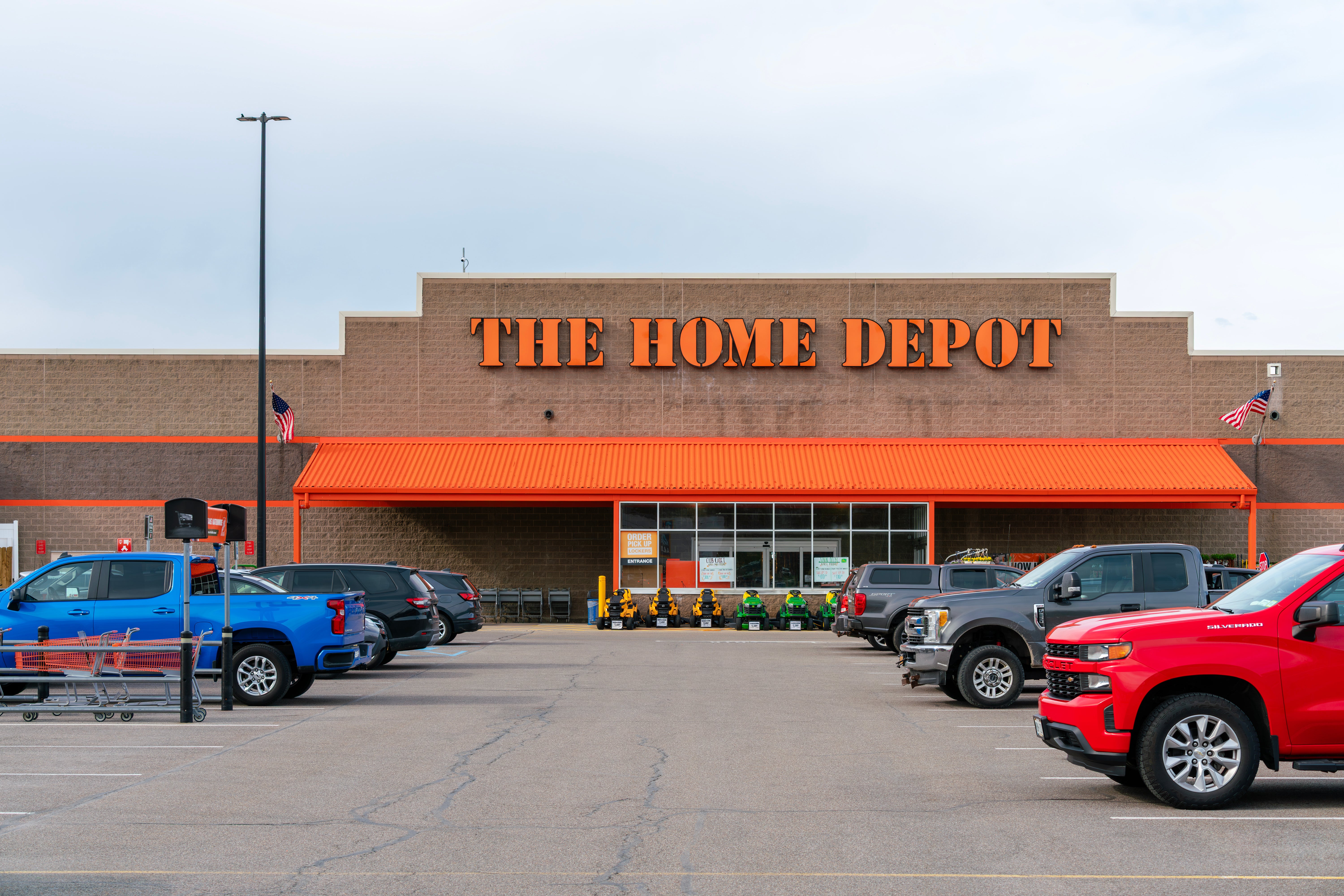

“Frozen housing market conditions” is how a Home Depot executive described the landscape as the retailer released its second-quarter numbers this week, a report that indicates that the home business remains largely at a standstill.
A day later, Lowe’s told a similar story with its own quarterly results. But what is perhaps more important (and redeeming) is that both retailers not only beat most analyst forecasts for the period, but they also are essentially continuing their forecasts for the full year. And while those forecasts are not robust, they seem to indicate conditions are not going to get any worse … at least not over the next six months.
Reading through all of the corporate-speak, the culprit for the mediocre performance was obvious: the housing market. “Housing turnover is the single most important driver of home improvement demand, because people renovate when they buy and when they sell,” Brian Hayes, a strategist with Zack’s Investment Research, told Reuters.
“Customers continue to be cautious and are prioritizing how they invest in their homes,” said Lowe’s CEO Marvin Ellison in releasing his company’s numbers. Home Depot executive vice president and CFO Richard McPhail had the same message in his post-earning remarks: “We saw broad-based demand across the business as customers continued to engage in smaller projects.”
“They’ve told us they have the means to spend, they’re just hesitant,” McPhail told CNBC. “While we’re happy with their level of engagement in the first half, they do tell us they’re worried about inflation, about fuel costs and about general uncertainty, and so there is a little bit of hesitancy there as the project gets bigger.”
In other words, homeowners are fixing what’s broken, maybe slapping on a new coat of paint in a second bedroom or perhaps installing a new faucet in the kitchen, but nobody is doing the kinds of projects that require big bucks—or financing for big bucks. Perhaps counterintuitively, both giant stores said their pro contractor businesses—areas they have continued to expand through acquisitions or internal measures—outperformed their overall results. Both brands also mentioned tariff refunds as factors that helped financial results.
As for the specifics of those results: Home Depot sales for the quarter rose to $47.9 billion, representing a 5.7 percent increase in net sales and a 1.7 percent rise in comp store results year over year. Lowe’s said its same-store sales only went up 0.2 percent, one of the few misses in analyst forecasts—and also one of the few times in recent quarters it has trailed its larger rival.
Home Depot was also more optimistic about the balance of the year, saying it expects total sales growth for fiscal 2026 to fall between 2.5 percent and 4.5 percent. Lowe’s is looking for a flatter landscape.
Still, Ellison had good thoughts on where the housing market will go in the medium-to-long term, saying it “is going to gradually recover.”
For companies in the home business that view Home Depot and Lowe’s as the leading indicators in the overall business, that forecast was good news … even if most wished it was better—and sooner.
____________
Warren Shoulberg is the former editor in chief for several leading B2B publications. He has been a guest lecturer at the Columbia University Graduate School of Business; received honors from the International Furnishings and Design Association and the Fashion Institute of Technology; and been cited by The Wall Street Journal, The New York Times, The Washington Post, CNN and other media as a leading industry expert. His Retail Watch columns offer deep industry insights on major markets and product categories.












 Withdraw Consent / Manage Privacy Preferences