












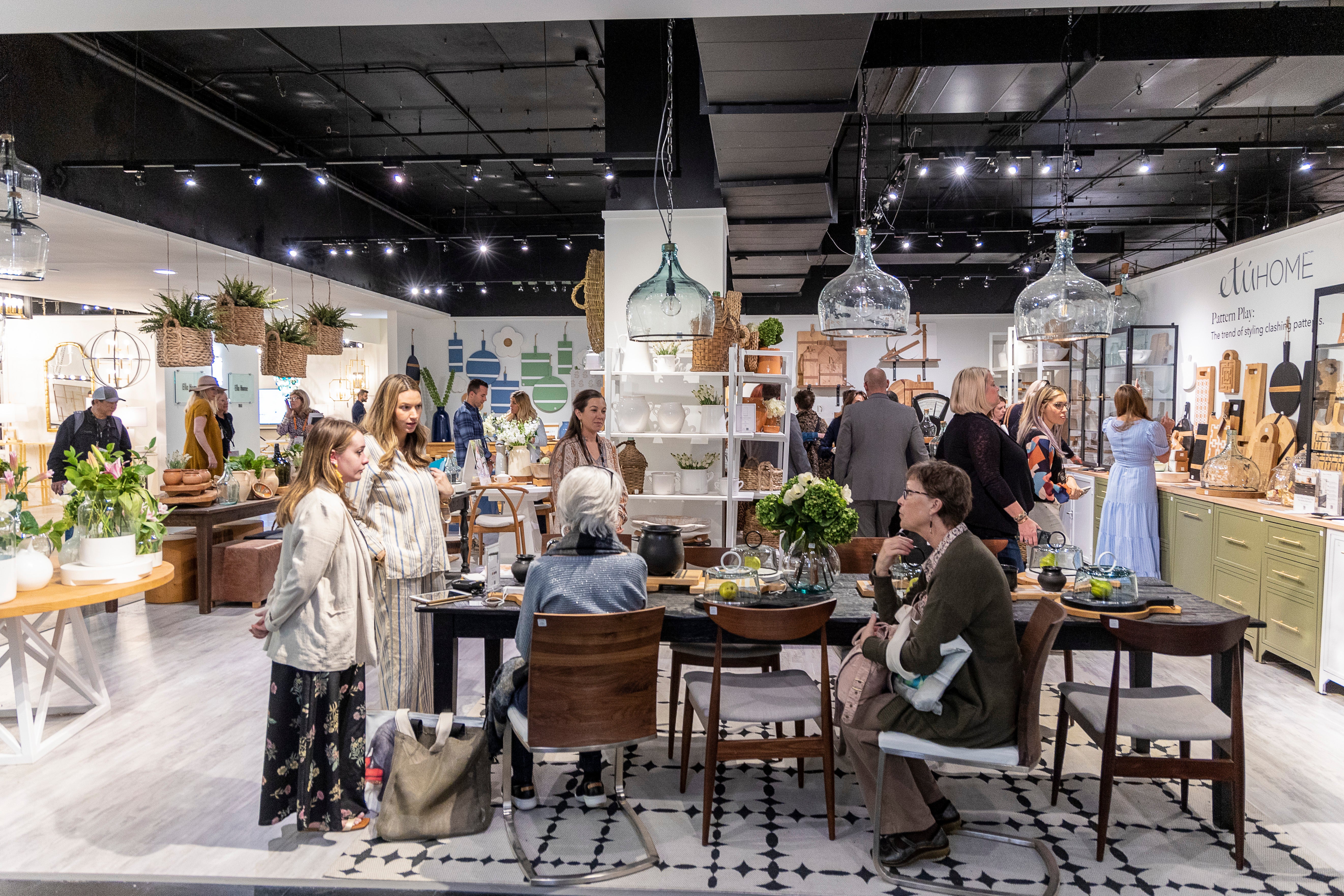

What a difference a season makes. During the winter home and gift shows in Atlanta, Dallas, Las Vegas and New York, most of the talk was about actual buying and selling. Retailers came into the shopping season with relatively sparse shelves—the result of better-than-expected holidays and tariff-induced underordering—and were looking to stock up, which was music to suppliers’ ears.
Meanwhile, though the post-holiday season has been a mixed bag, there have been green shoots. Some retailers in the home space have put up surprisingly robust numbers (though these cases may be a matter of market share gains rather than expansion of overall business). Sky-high housing values and investment portfolios continue to create positive vibes for at least some shoppers.
But now business conditions have returned to the tumult that characterized 2025. At the March and April shows—housewares in Chicago; home textiles in New York; High Point for furniture and home decor; then back to New York for tabletop—we’ll likely see the chatter return to tariffs, supply-chain disruptions and the potential skyrocketing of raw-material costs.
The elephant in the room is the conflict in the Middle East. With the U.S. and Israel waging war with Iran, global unrest once again threatens to send reverberations throughout the world of home retail. It starts with sentiment: Consumers are more than a little uncertain about what’s next, and that’s never a good thing for buying patterns.
But it’s not just how shoppers are feeling. With so much of the world’s oil moving through the Middle East, it’s impossible to know what the conflict will mean for the cost of raw materials. Already there is speculation of oil prices soaring to levels not seen in years. And that ultimately means higher prices for the products made from petrochemicals—which is pretty much everything.
Then there are transportation costs. Yes, that’s higher fuel prices for the ships and trucks that move all the goods, but it’s also traffic patterns. With the Middle Eastern shipping routes again getting bottlenecked, shippers are looking for alternative ways to get goods around the world and into American ports. Alternative usually translates to longer, which translates to more expensive.
Through all of this, we can’t forget tariffs. The Supreme Court striking down Trump’s “reciprocal tariffs” and the government’s response of new ones have reintroduced chaos into a situation that had just begun to calm down. And there’s no telling what will happen next.
The home industry came out of January and February feeling better for the first time in a long time about short-term prospects. Now that has been pretty much thrown out the window … just as the spring markets are about to begin.
____________
Warren Shoulberg is the former editor in chief for several leading B2B publications. He has been a guest lecturer at the Columbia University Graduate School of Business; received honors from the International Furnishings and Design Association and the Fashion Institute of Technology; and been cited by The Wall Street Journal, The New York Times, The Washington Post, CNN and other media as a leading industry expert. His Retail Watch columns offer deep industry insights on major markets and product categories.













 Withdraw Consent / Manage Privacy Preferences