





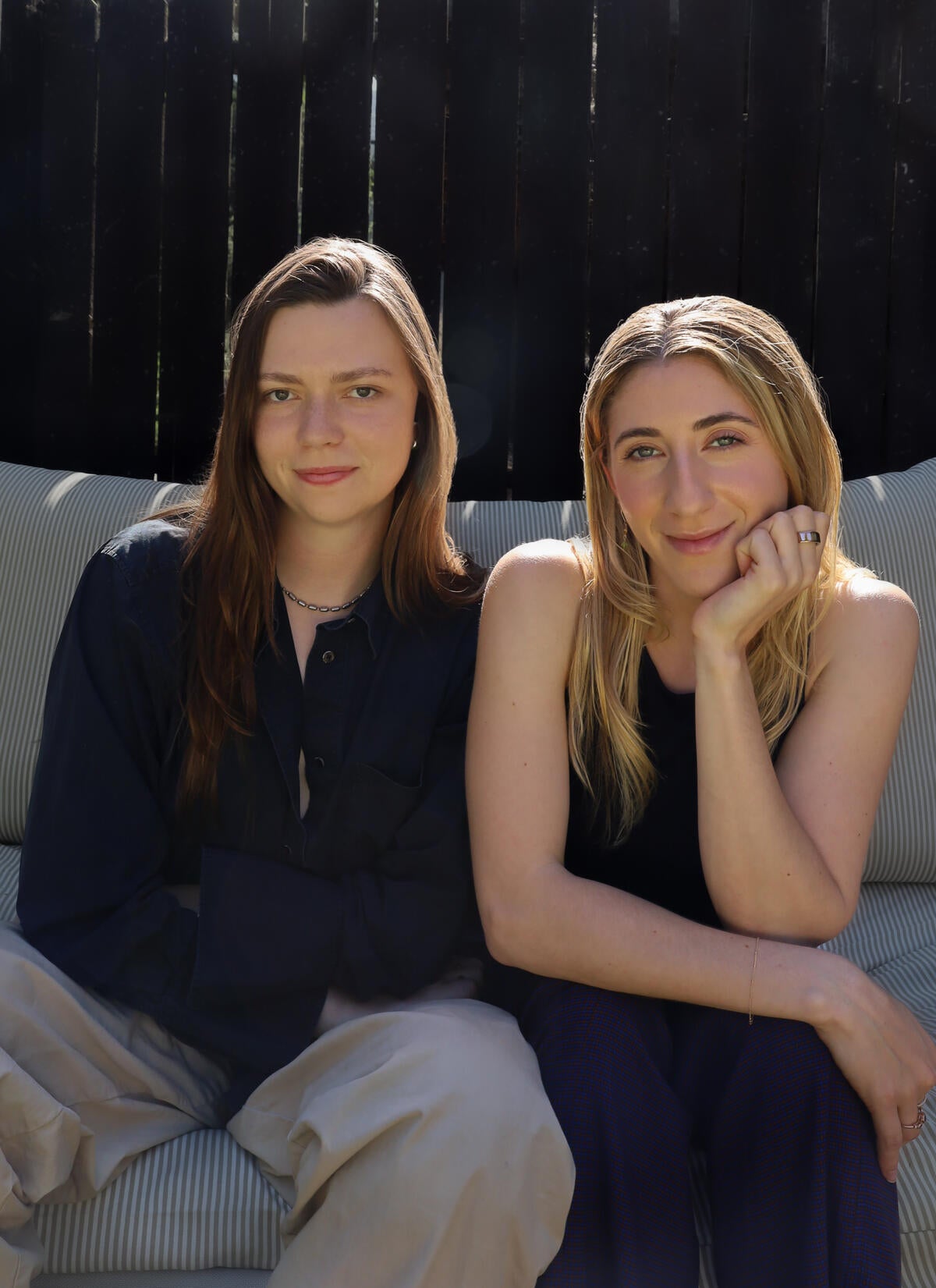
When Alyssa Gerasimoff graduated from the Rhode Island School of Design in 2020, she watched countless peers and classmates embark on promising careers as ceramists, furniture designers, makers of all stripes. Several years later, she realized that for many in her cohort, their dreams hadn’t come to pass—instead, they were still working as assistants or in part-time gigs while waiting for the opportunity to put their creative work on a larger stage.
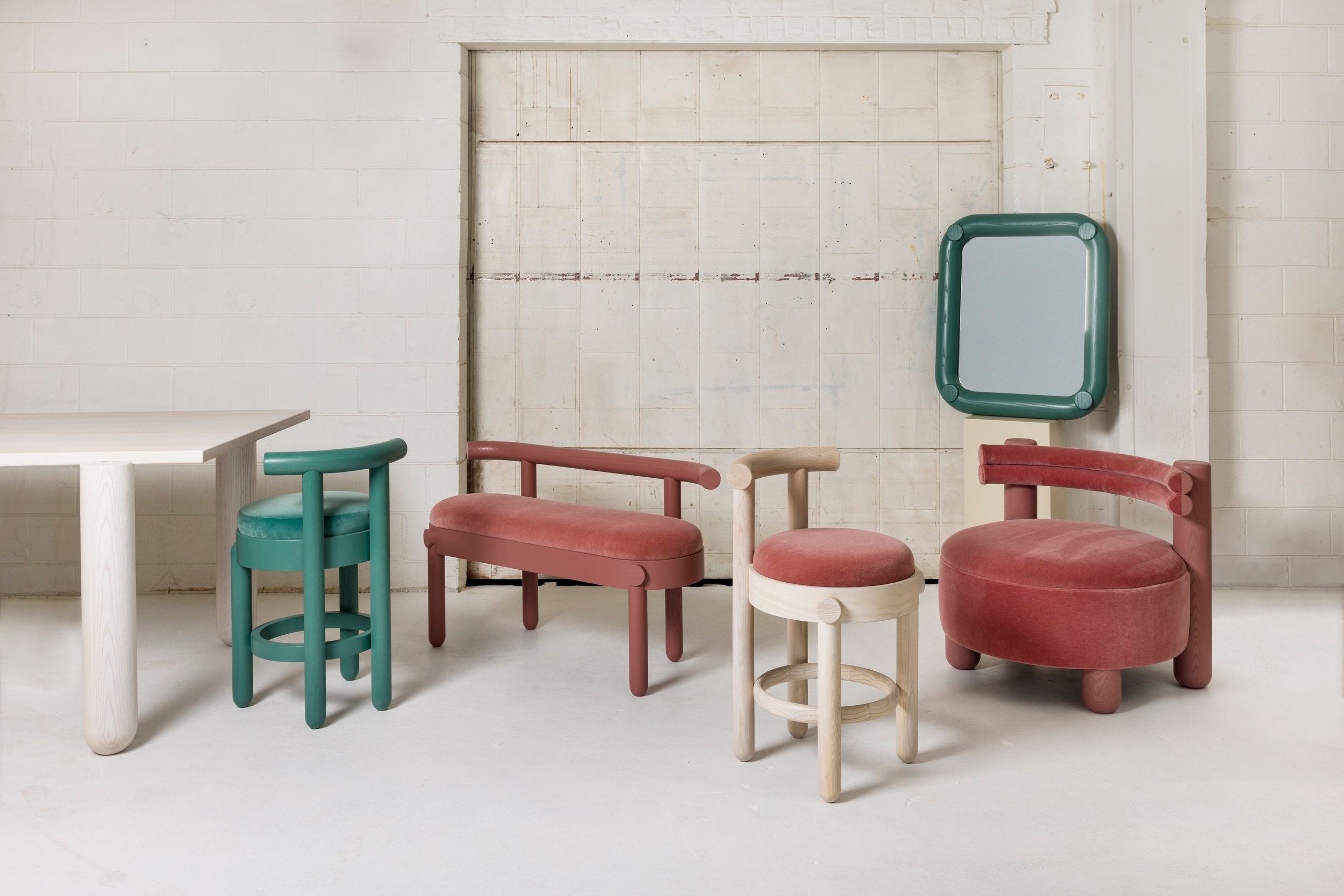
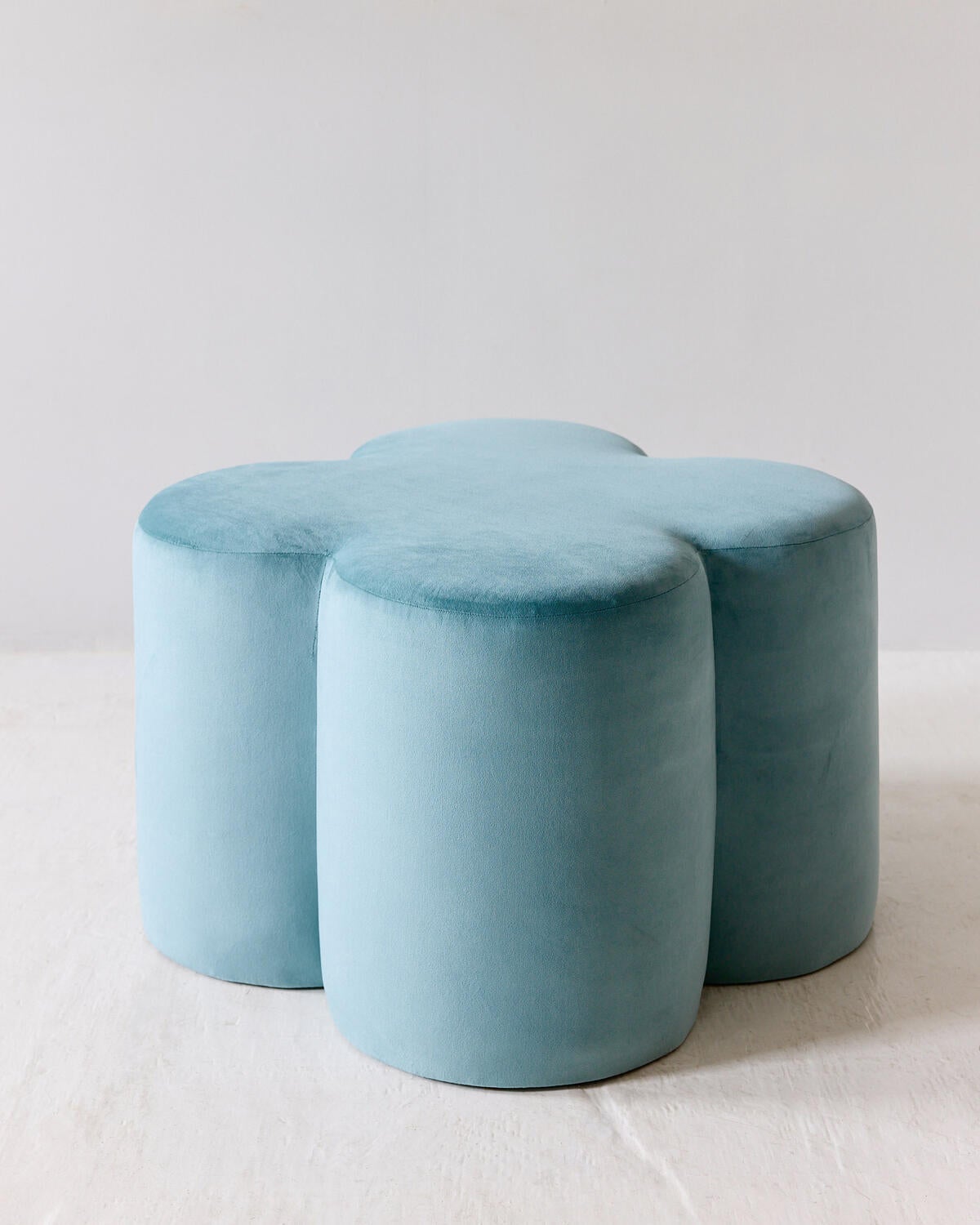
So, she created that opportunity. Together with co-founder Jen Kaplan, Gerasimoff recently debuted a new online marketplace called Erria, where trade members (and soon, the general public) can shop for furniture, lighting, textiles and decorative objects from more than 100 independent makers based in the U.S. “My ambition is to build the platform that becomes the standard for sourcing new, contemporary and custom work,” she says. “It’s not curated for a specific aesthetic, but rather for quality and originality.”
The site launched in the summer of 2023 as a directory of artisans—a group that Gerasimoff cultivated herself, often by sifting through their fledgling Instagram accounts. Part of the idea behind the initial concept, she says, was amplifying the reach of small makers in a time when previous digital routes to success (be it a fortuitously timed social media profile or an early-adoption Etsy account) are far less straightforward thanks to the crowded online landscape. She recalled a college course she took that aimed to prepare students for the business side of furniture design, and the final project involved creating a website and Instagram profile. These days, those efforts are only a piece of the overall puzzle for creatives looking to sell their work.
“You can do both of those things today, and that’s not enough,” she says. “You have to have either really striking photography that overtakes the algorithm, or some sort of understanding of SEO and what’s worth running ads for, because it’s not enough to just create a profile and hope that somebody finds you.”
The next stage of developing Erria (pronounced like “area,” a nod to place and community) involved transforming the directory into a shoppable platform. Rather than hosting the site on Shopify or Squarespace, Gerasimoff knew she needed a custom-built software that could communicate the needs of buyers and sellers in the design industry, particularly for commissioning custom work. That’s why this year, she tapped Kaplan, a recent computer science graduate from Brown University, to create the platform in its newest iteration: an e-commerce site.
Facilitating sales on a dedicated website would also address one of the other industry pain points Gerasimoff heard countless times in her conversations with makers: commission splits. Typically, a gallery will take 50 percent of the purchase price on a piece, while larger design-centric e-commerce sites tend to pocket around 30 percent. In both cases, those margins leave makers in a difficult spot—either their take-home pay is too low, or they have to inflate the price of their work to offset the steep commission, presenting buyers with a tougher sell. Etsy takes only a 6 percent commission, but the creators have to compete with roughly 8 million active sellers. Erria currently takes a 15 percent commission in addition to an annual fee of $300 to sell on the site.
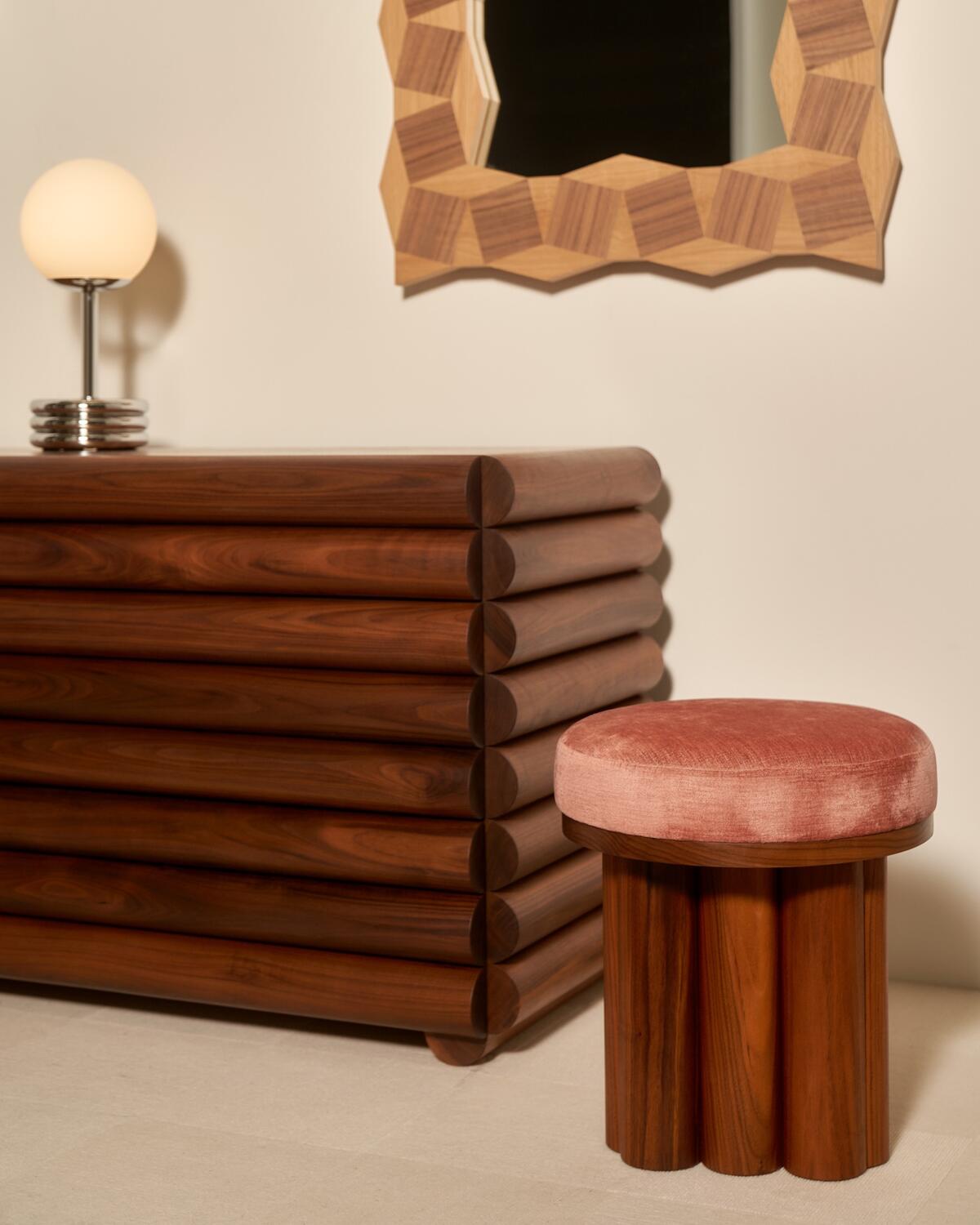
“I have struggled to make sales on other online platforms before—many of them are oversaturated without a clear, distinct, curated vision and dedication to the design community,” says Hannah Bigeleisen, a Brooklyn-based sculptural furniture and lighting designer whose work is featured on Erria. “There can be a lot of roadblocks or cost barriers for designers too in terms of shows, which is also why I think Erria’s mission to keep it affordable speaks to their dedication to the makers and designers that they are working with.”
Along the way, Gerasimoff has worked to build a presence for the platform in the industry, both through in-person participation at design community events—including a pop-up at last year’s Collectible design fair in New York’s Financial District and a summertime exhibition at Lyle Gallery in Chinatown—and by enlisting the help of industry experts like Fernando Mastrangelo, who recently joined as an investor and a founding partner.
Mastrangelo has been a longtime champion of emerging design, having established a nonprofit called In Good Company, which held an annual show of top emerging designers in New York that ran for three years prior to the pandemic. Joining Erria, he says, felt like an extension of that mission.
“Ever since then, I have wanted to continue to build on that, and I felt like Erria was almost a digital version of this—a way to give young designers a platform that’s what they’re missing,” he says. “They’re missing eyeballs and a way to connect with clients, and if they can’t afford to do trade fairs, they need a platform to be able to show their work and help them organize sales.”
Looking to the future, Mastrangelo says the platform’s founding team has big plans for Erria’s next stage—with sights set on international expansion, a shipping and logistics infrastructure, and possibly an in-person fair. For now, the team is focused on filling an industry gap, not only in how independent makers sell their work, but also in how design professionals source new finds.
“Designers are hungry for new stuff all the time,” he says. “So where do you go to get it? Just going to your Instagram feed sucks; the algorithm only serves you a certain thing. It’s not a great experience anymore. Let’s try to create a platform that [designers] enjoy, that’s visually easy, that is made for them to source new and interesting designers at good price points, and that they can present to their clients. That’s the value that I think we’re bringing.”





 Withdraw Consent / Manage Privacy Preferences