












John Edelman, famously the savior of DWR and restarter of Heller, likes to keep it simple. “Look,” he says. “The only reason to start a new business ever is if you’re solving a problem.” With Modern Outlet, Edelman and his Heller partners Andrew McPhee and Hunter Huebsch hope to solve a very niche, but very real problem: What’s a high-end modern furniture brand to do with all of its returns, showroom models and otherwise slightly dinged-up merchandise?
As of seven weeks ago, they can sell them online through Modern Outlet, an e-commerce site that offers gently used or slightly imperfect pieces at a discount from Ligne Roset, Moooi, Fritz Hansen and, of course, Heller itself. Modern Outlet operates on a “drop” model—every Thursday, it releases a new collection of pieces to its email list, marked down anywhere from 30 to 50 percent from retail pricing.
Modern Outlet arose from Heller’s own business doings. Last year, the brand—which was acquired and relaunched by Edelman in 2022—reached sufficient scale to break up with its third-party logistics provider and move into its own facility. In this case, they found a warehouse in the family: the old Edelman Leather building in New Milford, Connecticut.
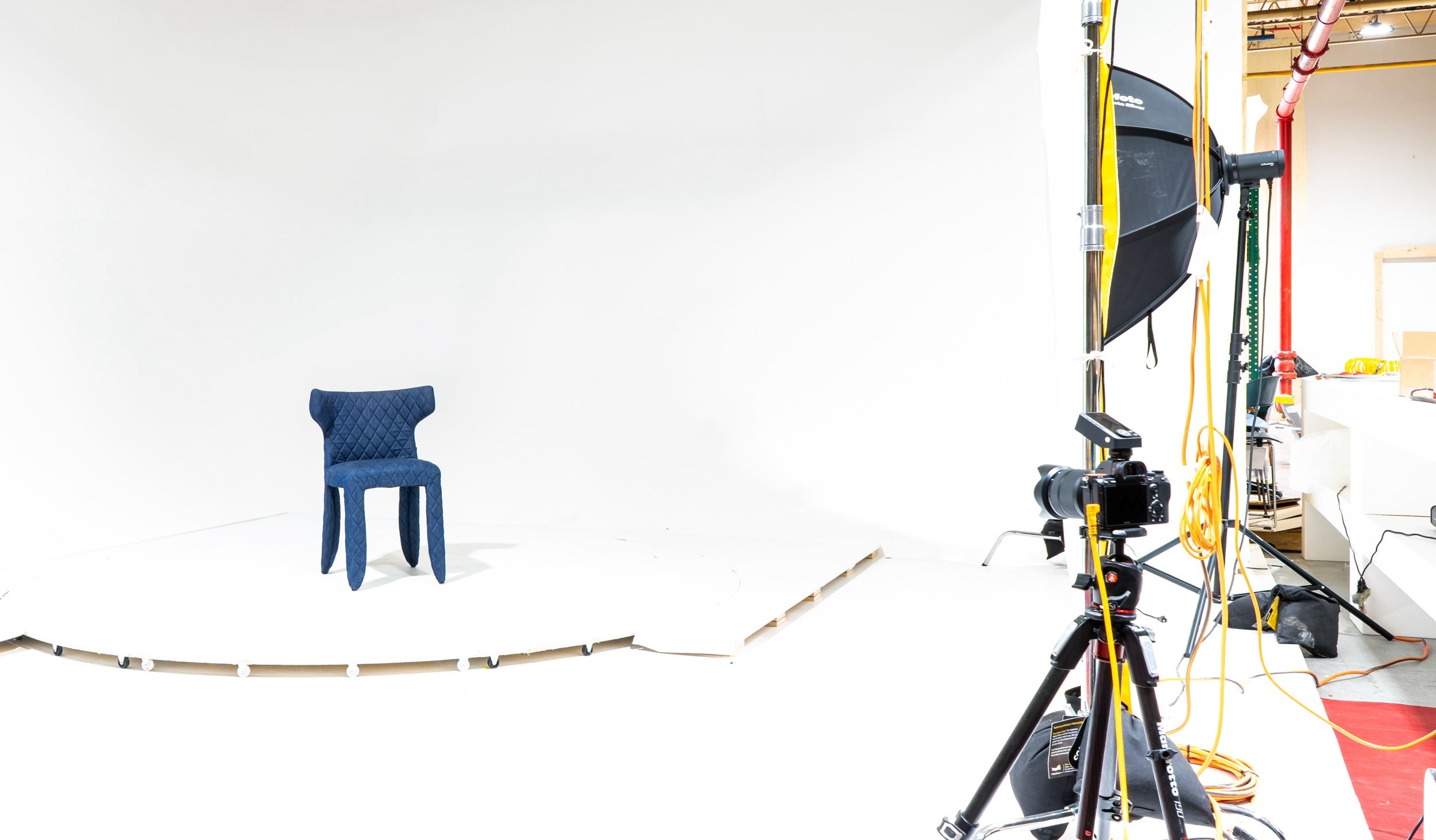
With more space, the Heller team had room to store and catalog its own imperfects, as well as the square footage necessary to build a cyclorama photo studio. Partially as a way to offset the cost of the photography setup, and partially because they suspected other brands might be burdened by their own outlet-quality goods, Edelman and McPhee started reaching out.
“A lot of people have their stuff stuck in a third-party logistics warehouse, and they’re paying a lot for it to be there—it’s returns, it’s stuff they took off their website,” says McPhee. “Once we put it out into the world that we were doing this, it was amazing how many people reached out.”
Adds Edelman: “Literally everyone I called immediately asked, ‘When can I deliver?’”
For a certain kind of company, especially those located overseas, imperfect merchandise is a sticky problem. For high-end brands, it’s not a great look to sell discount goods on the floor or even on a website, but trashing pieces is neither great business nor sustainable. Some have quietly moved inventory through eBay or 1stDibs, consigned it with independent sellers, or held the occasional sample sale. But for brands big enough to have a decent volume of imperfects but not big enough to have their own stateside logistics, there has never been a simple turnkey solution.
Edelman and McPhee are betting that, by putting the pieces together in the right way, they can provide one. Their team receives inventory in Connecticut by the container, photographs it, and grades it on a six-point scale ranging from Project Piece/As-Is to Pristine. By documenting and maintaining custody of the inventory, they hope to provide the kind of elevated shopping experience that will satisfy customers and keep brands happy.
“[Modern Outlet] offers a thoughtful way to extend the life of our design pieces,” says client Chris Paulsen, vice president of Americas at Fritz Hansen. “The platform provides a curated destination for authentic floor models and past collections—continuing their journey to new homes while reflecting our commitment to quality, craftsmanship and responsible design.”
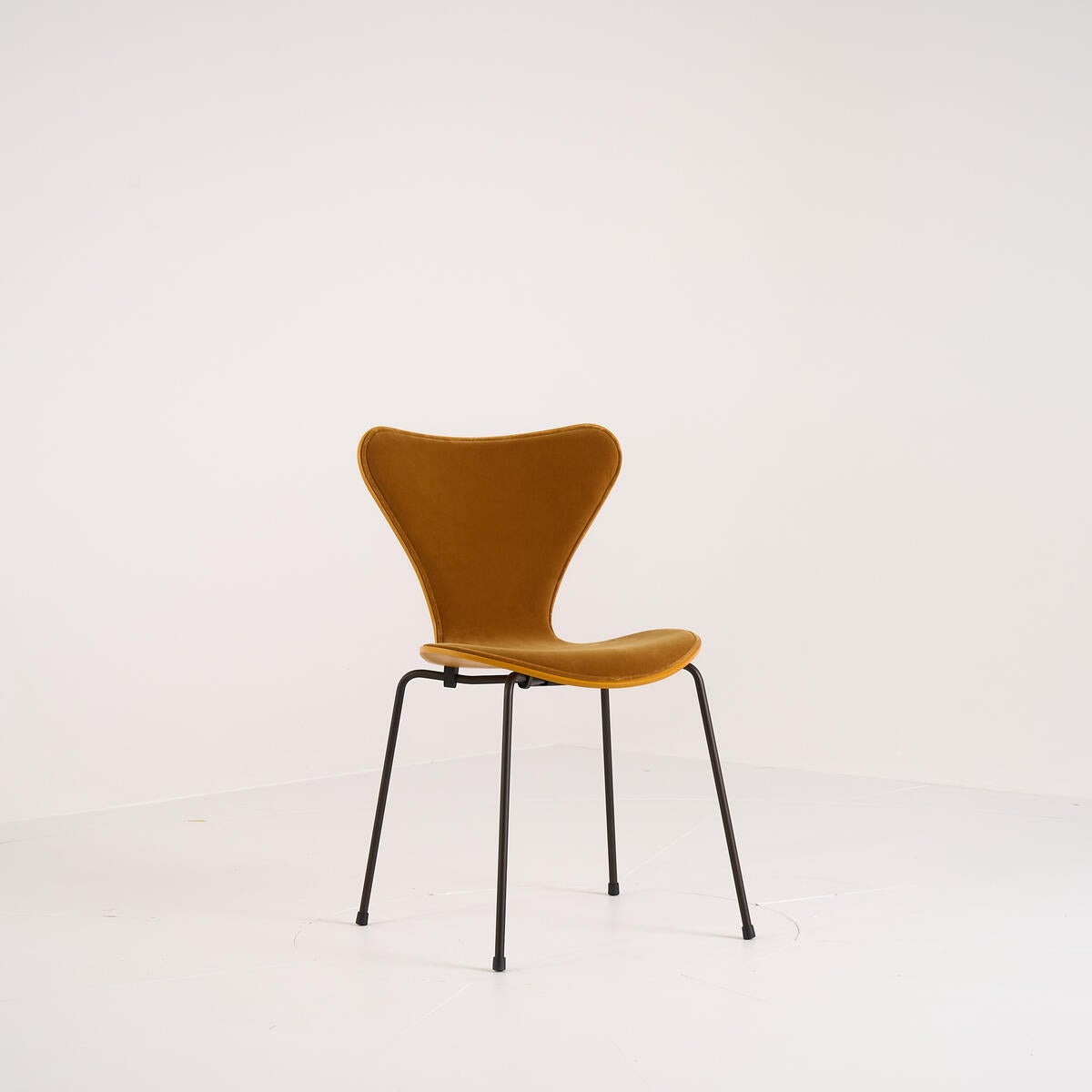
Modern Outlet currently lists about 150 pieces on its site, with up to a thousand more coming in soon. Plenty of the selection is what you’d expect—an Egg chair from Fritz Hansen there, a Ploum sofa from Ligne Roset there. But part of the fun of building the business, says Edelman, is discovering all the intriguing one-offs that various brands had lying around in storage, like custom chairs from Moooi in white leather, with legs coated in 24-karat gold.
“It’s COM, it’s a dropped fabric, it’s the coolest stuff,” he adds. “In 15 years of shopping these brands, I’ve never seen some of these pieces—it’s given me a newfound enthusiasm for them.”
Going forward, Edelman and McPhee are planning to add more brands to their roster and grow Modern Outlet’s email list. Thus far, their marketing efforts have been relatively low-key. Aside from minor spending on Meta and Google, they’re hoping that word-of-mouth will build buzz while preserving a sense of cachet. “We want to keep the brand list tight,” says McPhee. “We want it to feel like a hidden treasure trove—like a vault of cool one-off pieces you can’t get anywhere else, a place to go for the best deals.”
But maybe not too hidden. “We already have multiple containers full of merchandise; we’re relatively unlimited for space,” says Edelman. “It’s extremely scalable.”







 Withdraw Consent / Manage Privacy Preferences