




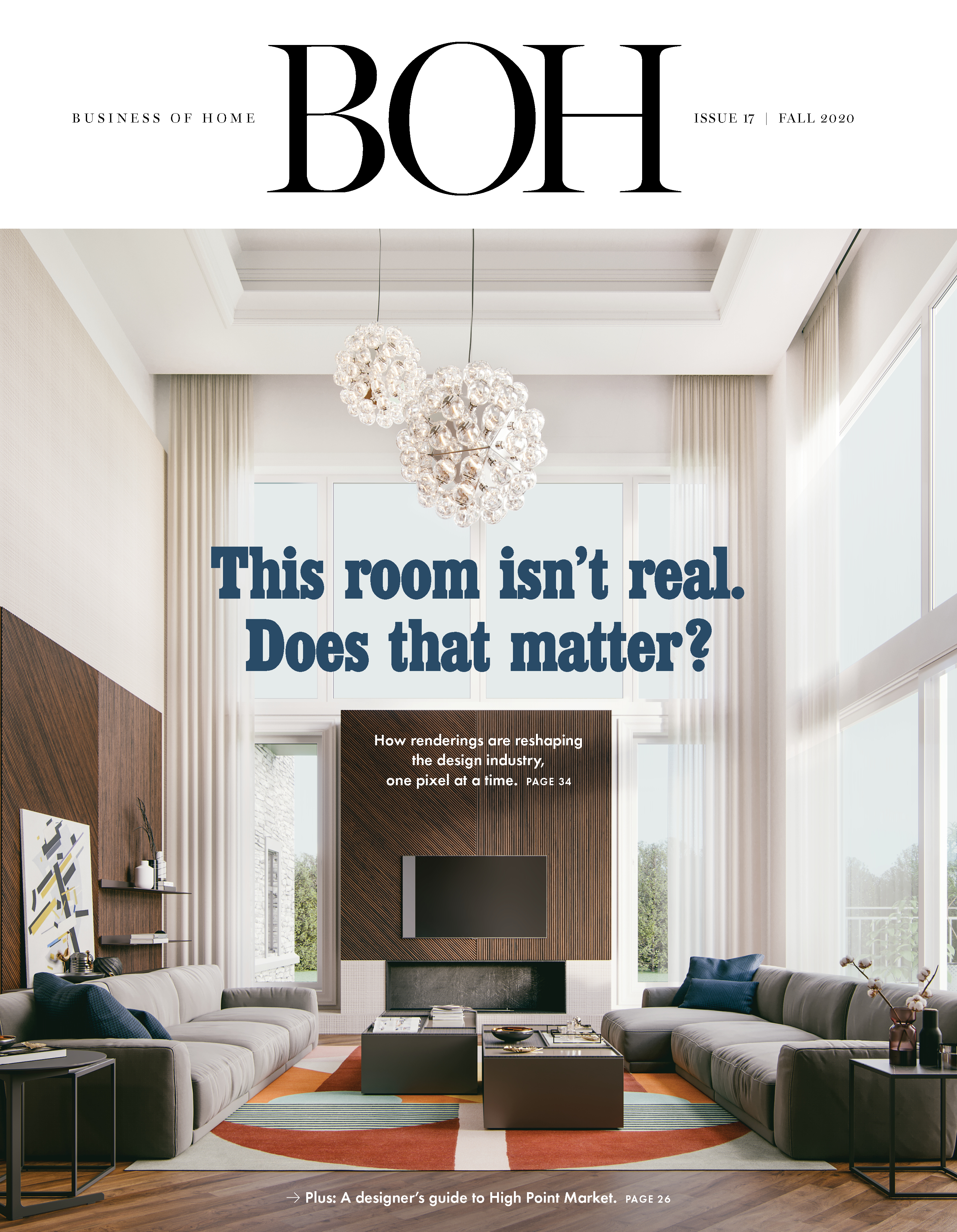












Tools like Gemini, Midjourney and ChatGPT allow clients to endlessly tweak visualizations and floorplans. In this brave new world of client-generated AI renderings, designers are learning how to leverage the technology without letting it take over the design process.
About five years ago, the design industry was going through something of a reckoning over the sudden rise of digital renderings. The problem? They were too good. The technology had gotten sophisticated and accessible enough that designers could present a rendering that looked more or less like a photograph. Clients loved them, of course—sometimes too much. (When the real final project was unveiled, designers fielded disappointed client reactions like “Why doesn’t this look like the rendering?”) Through a process of trial and error, most designers made it work. Some abandoned renderings altogether. Some switched to watercolors or sketches. Others figured out a way to fold photorealistic renderings into their process without getting tripped up. But inherent to all of that was a basic assumption: Designers had the power. They could choose to make or commission a rendering, or not.

BOH subscribers and BOH Insiders.
 Withdraw Consent / Manage Privacy Preferences