







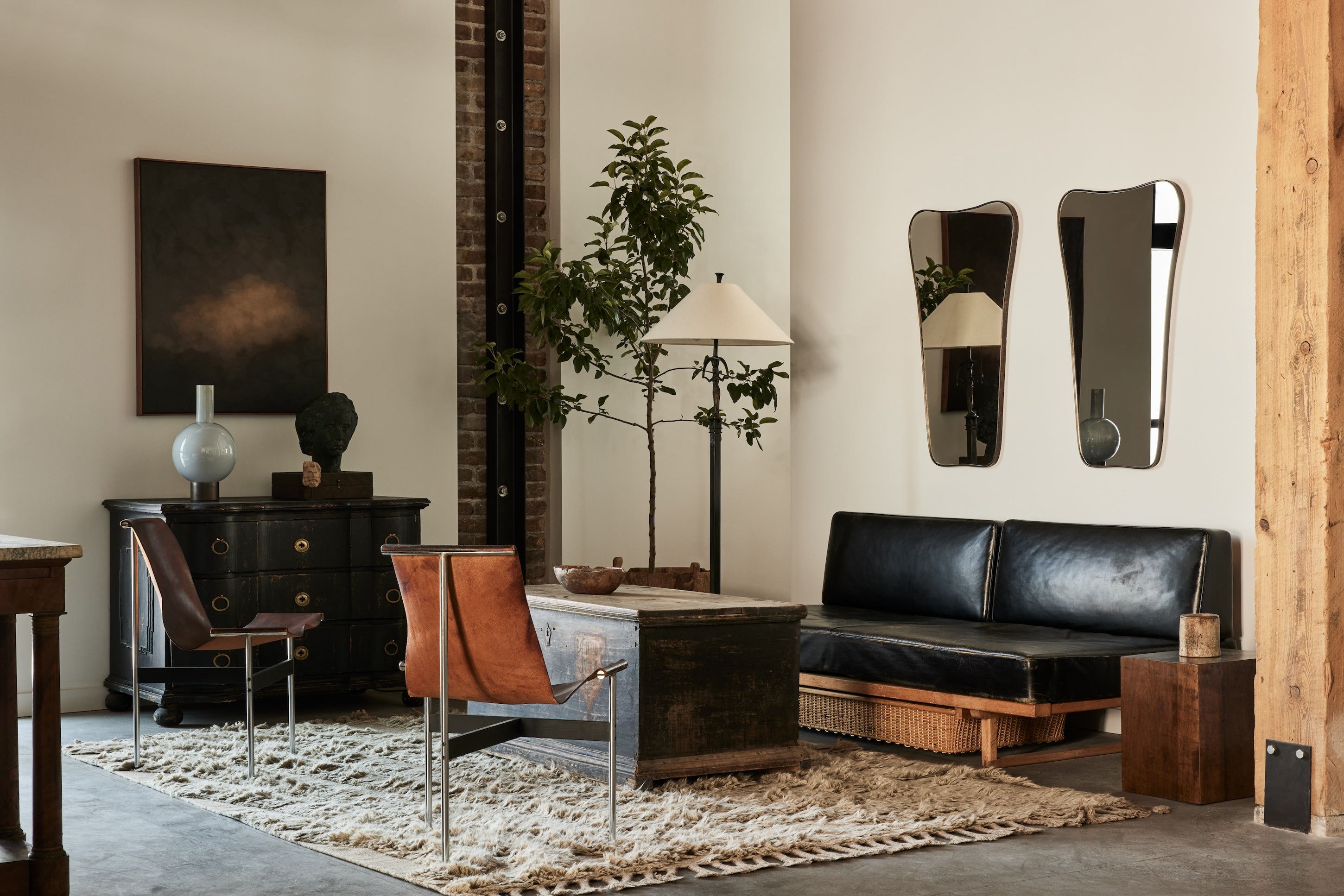

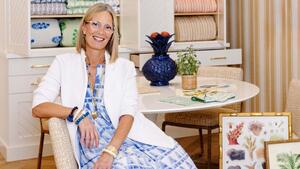
In Business of Home’s series Shop Talk, we chat with owners of home furnishings stores across the country to hear about their hard-won lessons and challenges, big and small. This week, we spoke with Montana-based interior designer Susan Weiss, principal of Emerson Bailey, which has retail showrooms in Bozeman, and Nyhamnsläge, Sweden.
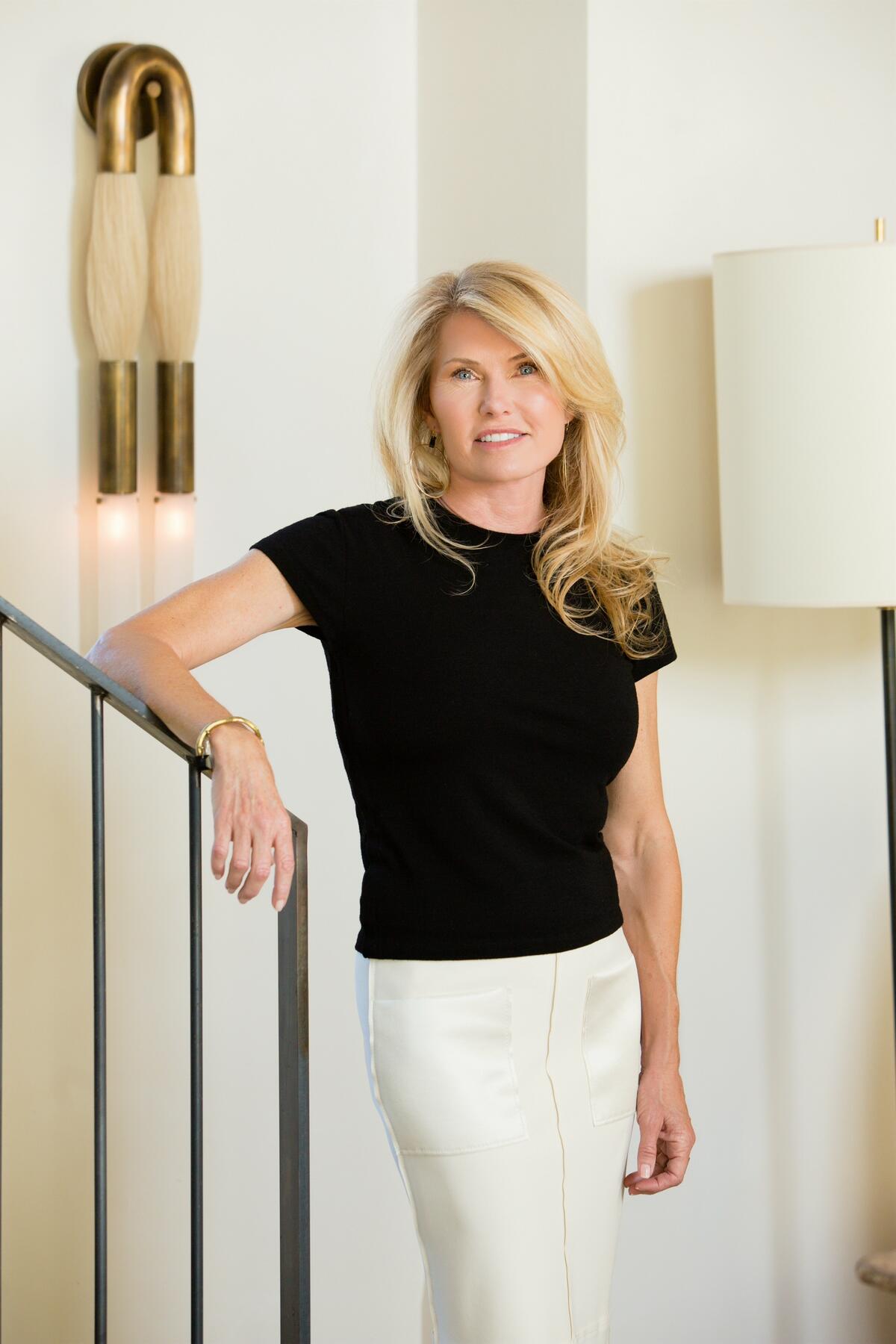
Emerson Bailey is named for Weiss’s architect father, who raised her to seek out and appreciate beautiful things, and to dream big. After starting her career and having her first child in Los Angeles, she moved to Denver in the 1990s, where she launched her own firm and the first gallery. European antiques, particularly from Sweden, became and remain her specialty, and she ultimately went international with the business, securing a warehouse and showroom space in a small seaside town across the strait from Copenhagen, Denmark, and Malmö, Sweden. Once becoming an empty nester, and amid the pandemic’s major growth in the Western U.S., Weiss returned to her childhood hometown, opening a third gallery there in 2023. Ahead, she talks about her customers’ love of Swedish folk chairs, bonding with craftsmen in Belgium, and the flow of managing Nordic staff and projects from America.
How would you describe the aesthetic of the store?
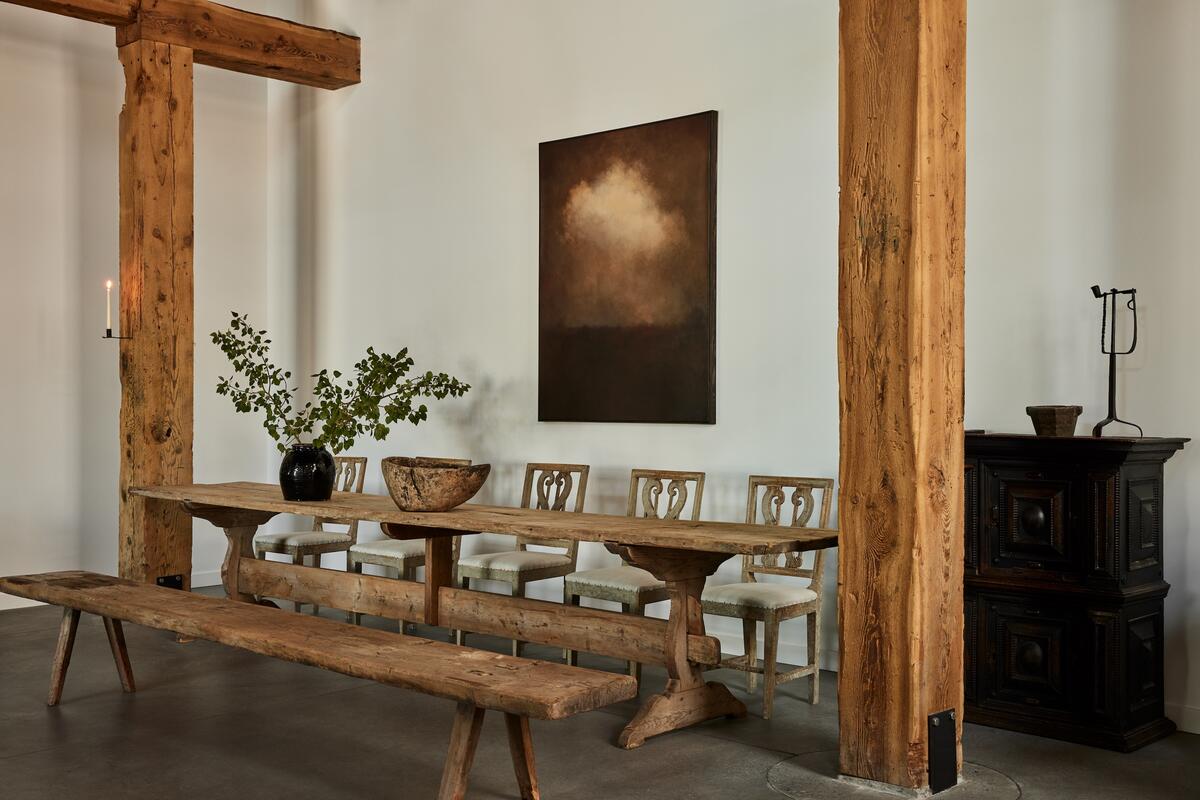
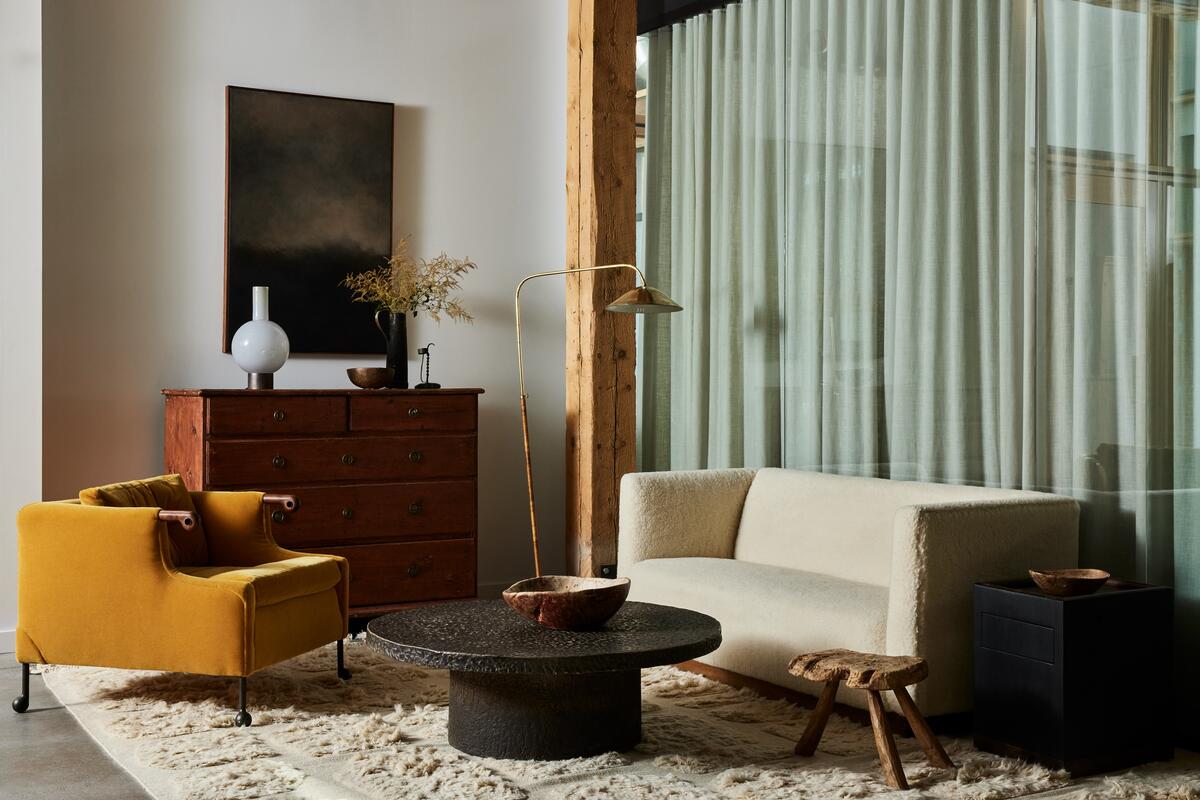
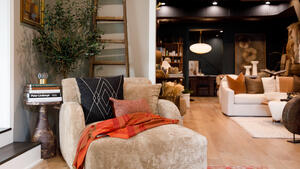
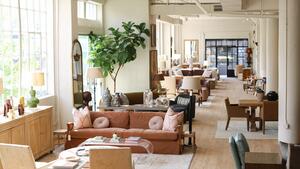
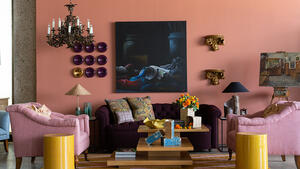
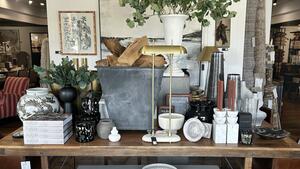
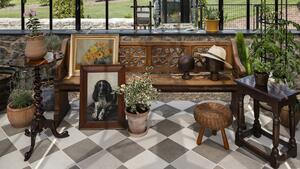
It’s a compilation of different periods and styles. When we’ve done these exhibitions, whether it be in San Francisco or Copenhagen, people walk into our space and they’re speechless for a few minutes. It’s the tension, the variation of pieces within a space. It feels very good, but it’s not easily digested. They have to really think about: “This feels amazing. Why is that? Is it that piece? This piece?” No, it’s the compilation. I love to create very comfortable, organic homes. My spaces that I design and the values that I have and pieces that I purchase are ones that I won’t tire of.
What is your approach to sourcing? Is it markets and trade shows? Regular trips to Europe?
I go to Europe several times a year; I also exhibit in Europe, do projects in Europe. So I am really involved in what’s going on in the markets over there, whether that be Salone or the design show in Copenhagen or Maison in Paris. I try to be active and present at those events because you’re meeting craftsmen and artisans whom I feel could be very compatible with our aesthetic, and they haven’t had high distribution in the U.S. I love to find an artisan who hasn’t had exposure to the U.S., so that not only can my clients and the trade experience something unique, but the artists have a wonderful opportunity to be exposed at a highly controlled, curated environment. I’m not just showing 20 rugs; I’m showing a rug underneath a sitting arrangement with very interesting pieces, so they are seen in an environment that will show their pieces the best.
I don’t go to fairs anymore. I’ve really built up an enjoyable network of dealers. I will typically go to people’s homes and be in their barn or warehouse, having coffee or a glass of wine or dinner, and their kids are running around. That [relationship building] becomes a really rich, satisfying part of what I do. Specifically in Belgium, the level of craftsmanship is tremendous. And each artisan I visit typically says, “Well, have you met so-and-so? He or she does this.” It becomes a very small world. Those who are producing and interested in 17th and 18th century pieces all know each other. You want to talk for hours, and then you decide, “Oh, let’s make this together!” It’s invigorating.
Do you still have a showroom in Sweden?
We have what I would more consider a warehouse. We use it to show and curate and consolidate our purchases. It’s our go-to for pulling pieces for projects and exhibitions. The location is in southern Sweden, because Sweden is just so vast. Being in the south allows us to be very integral in all areas of Europe.
How often are you there, and what is it like overseeing it from afar?
It’s funny—I [find] managing things and people much easier in Europe. The pace is slower, people are very personable. I’m often there six or seven times a year, to support our space and our relationships. Staying up with things in the U.S. is a different conversation than staying up with things in Europe. Just as eating lunch could be three hours in Europe, whereas [here] we take something to go in 20 minutes.
Will you tell me about a favorite vendor?
Like asking my favorite child! Can I name more than one? Eva Anegrund owns Näfveqvarn, a line under our contemporary section. She is part of the family who originally created the company in the 1800s, and I love her. She’s so passionate about the company and the products. She participates with us in Copenhagen when we exhibit, and she’s bringing new, historically relevant pieces back into the market, which had been lost through the years. I love that she’s taking these cast-iron forms and bringing them back into production, using an authentic cast-iron factory and a process that had been used originally.
The other is a Swedish couple, Milan Kosovic and Lovisa Hansson [of the brand Sekt], and they’re producing these beautiful glass lamps and lighting for us. They have become dear friends, and also help us showcase in Copenhagen. Another company that has been so interesting to work with and has gained so much popularity in the U.S. is Toni Copenhagen. They are a very classical, well-known historical plumbing company. Oftentimes when you’re traveling in Europe and go to a hotel or private residence, you’ll see their faucets—or “taps,” as Europeans call them—and they’re so recognizable. It’s been fun to see Americans embrace European plumbing, because it is different. There’s always a [pause] with functional versus artistic products; people have hesitations on compatibility. But they have been just growing like crazy, and it’s been fun to be a part of that and celebrate that.
What’s an object that flies out the door for you?
Recently what I’ve been noticing is accent tables. [People] want something that is antique, rare, unique, to go in a space that potentially has a lot of other contemporary pieces. It brings a little bit of character to spaces, and could be used as a table/desk next to a bed in a bedroom, or as a console in an entryway, or a side table in a living room.
The other is unique little chairs—like the old Swedish chair that was used for milking. We just brought in two beautiful Kuba chairs, and they’re constructed out of one full tree trunk. They’re so Swedish. You’re not going to spend an evening watching a movie in something like this, but you put it in a space and all of a sudden it makes it very interesting.
Also, root bowls, which again is very Swedish. That is a wood bowl that’s very sculptural, made out of the root of a tree. Oftentimes you’ll see repairs [that have been added], like a little piece of metal or wires. The bottoms have different markings and inscriptions, like the family initials. Those are wonderful because they are a natural accessory, but you put it in a space and it immediately brings its soul and interest. We buy them as often as we find them.
What is your approach to e-commerce?
The website was the first thing I did. It’s interesting: I’ve met a lot of people who go on Instagram and social media before they have a website. I have a degree in computer science and worked for HP and had a corporate job before this, so I understand the technology aspects of things. I did my website first because I felt like I needed a professional platform and I wanted to be taken seriously. We’ve updated from time to time as creative inspirations have changed, to make it relevant and current.
We are also on 1stDibs and Instagram. For me, the difference I’ve seen over time is the accessibility and visibility. It becomes much easier to show your pieces and get to know the market because of these channels. We just got a container; we can do an Instagram Reel or Story. That is a very new forum that has helped us gain visibility within the population of designers. Being able to show in real time what you’re doing and what you can provide has been so helpful.
Any lasting business impacts you’ve witnessed from the pandemic?
One thing that I think has stayed with us is that people are [more] respectful of how hard it is to bring things into the U.S. because [the pandemic] was followed by the tariff situation. Everyone is a little more thoughtful about sourcing, in that, yes, it may take a little bit longer or it may be a little bit harder to find, but we’re OK with that. It has made people a little bit more present, in my opinion, with the value of an item in their home, or a certain type of material that they want to use. They’re willing to wait.
What about the design scene in Bozeman?
It’s booming. We are experiencing so much interest, from [clients in] different states, where people had previously wanted [their Bozeman property] to be a holiday home and now want to make it more of a second home, more full-time. The number of designers coming from New York, San Francisco, Chicago, Texas, has continually increased. Ninety percent of what we sell is [purchased] online. But the experience of getting [to know] these architects and designers personally, and learning what they are looking for, and becoming a better support and service to them has been really enjoyable.
The economy and the construction and design is booming here, so I’m not feeling any slowdown. The One&Only [hotel] is coming soon, and that will be their only North American property. It’s fascinating to watch the restaurants come. People are rising to the occasion, building and supplying. The supply and demand could get interesting. But we’re definitely experiencing the demand.
Before I opened here, I spent time looking to see what other designers and shop owners were doing. What lines were carried? If there was a line I carried in Denver, but three showrooms had it here [in Bozeman], then that was something I would not show. It was about collaborating with local artists and creating something different, that would be a value-add. It’s very different than anything that anyone has seen here. In most cases, people walk in and say, “Oh my gosh, I could see this in New York. I would never in a million years have expected this type of gallery and level of inventory in Bozeman.” It’s fun for us to surprise people.
What are some of your hopes for the future of the business?
My father was very inspirational. He was a collector himself, an architect, and most importantly, a dreamer. I am very much wired that way, so I always feel like I can pretty much do anything. I get excited and passionate about things. I’ve had a lot of rewarding experiences in finding, creating, making, bringing things that people need. An organic next step for us is designing products. Whenever I can’t find something, I produce it, because I believe anything we use on a day-to-day basis can be beautiful.
The other thing I’ve really enjoyed is international activity. We’re doing exhibitions, like Copenhagen, and the more I meet people from all over the world and develop relationships and feel energized, I desire to do it more, in a way that could be enjoyed by a larger group of people, and be more permanent. That’s leading me into considering the hospitality aspect of design.
What’s your favorite day as a shop owner?
I feel energized by having people come in, whether it’s a designer with an appointment or someone who is eating next door. It’s the surprise and inspiration they get from coming in. It’s conversations that we have together where we’re sharing about what we love. It’s maybe even a private client coming in, looking for something very specific, and showing it to them and educating them on where I got it, who owned it, what the story is. Sharing that passion with someone in conversation invigorates me to keep doing what I’m doing bigger, better, faster.

 Withdraw Consent / Manage Privacy Preferences