








This week in design, spring cleaning may soon become a lot easier thanks to the humanoid robot butlers making their debut in China. Stay in the know with our weekly roundup of headlines, launches, recommended reading and more.
Business News
Just a few months after announcing its closure, design brand Areaware has been acquired by puzzle company Piecework. The deal gives Areaware—which began winding down in February after more than two decades in business, citing the impact of tariffs—a second life. Though the terms were not disclosed, Piecework says it does not plan to change Areaware’s business model, which involves licensing the work of independent designers and producing small housewares on a commercial scale. Following the purchase, the two companies will operate as sister brands, maintaining separate names, websites and socials.
Edward Barber and Jay Osgerby—co-founders of the British design studio Barber Osgerby—are closing their firm after 30 years in business, Dezeen reports. In a statement, the designers shared that they would begin working independently moving forward, adding: “We make this transition with friendship, respect and optimism for what lies ahead, and remain open to collaborating together again in the future.” Since establishing their studio in 1996, the pair have worked extensively across a number of different design mediums, starting with architectural and interior projects, and later moving into furniture and industrial design, leading to collaborations with top brands like Vitra, Knoll, B&B Italia and Flos.
The construction industry is facing the biggest impact of the Trump administration’s deportation policies, which have led to job losses for both immigrant and American-born workers, The New York Times reports. A new study published by nonpartisan research firm National Bureau of Economic Research analyzed federal labor data on four industries—agriculture, construction, manufacturing and wholesale—revealing that all together, the sectors experienced a 5 percent drop in employment for male undocumented workers and a 1.3 percent decline for male American-born workers without a college degree. In construction, the decrease was even starker: Employment fell by 3 percent for male American-born workers without a college degree, and 7.5 percent for undocumented workers, with companies reducing the pace of new development projects rather than increasing wages to attract more labor. That poses an additional challenge for the real estate industry, where permits for new residential housing units were down 7.4 percent year over year in March, and 1.5 percent in April.
After decades of population decline, the Midwest is starting to move in the opposite direction. As The Wall Street Journal reports, census estimates show that in the year ending June 2025, the Midwest region gained slightly more in population than it lost, up by roughly 16,000 people—compared to 2022’s loss of 175,000 residents. The changes were felt most in communities with service-based economies, like Indianapolis; Columbus, Ohio; and Des Moines, Iowa, and were likely driven by domestic moves, international migration, and a shifting balance of births and deaths. The region also boasts better housing affordability than coastal or Southern counties, with last year’s median existing-home price in Ohio’s Akron and Cleveland metropolitan areas at $226,000 and $237,400, respectively, compared with $419,300 nationwide.
Single Gen Z women have surpassed men in the same age group when it comes to homeownership rates, House Beautiful reveals. According to a new report by the National Association of Realtors, more than 35 percent of the younger demographic’s buyers were single females—representing the highest share among all generations sampled. And 17 percent were unmarried couples. “For many of these buyers, marriage and children are no longer the defining milestones before a home purchase,” wrote NAR’s deputy chief economist, Jessica Lautz, who went on to point out: “The driving force is simply the desire to own a home of their own.”
Ohio-based home furnishings retailer Watson’s has acquired Charlotte, North Carolina–based chain Viridien Patio + Fireplace, Casual News Now reports. The terms of the deal were not disclosed. For Watson’s, the deal aligns with its expansion goals, bringing its total store count up to 39. Following the purchase, Viridien will be operated as a wholly owned subsidiary and will be renamed Viridien by Watson’s.
Launches and Collaborations
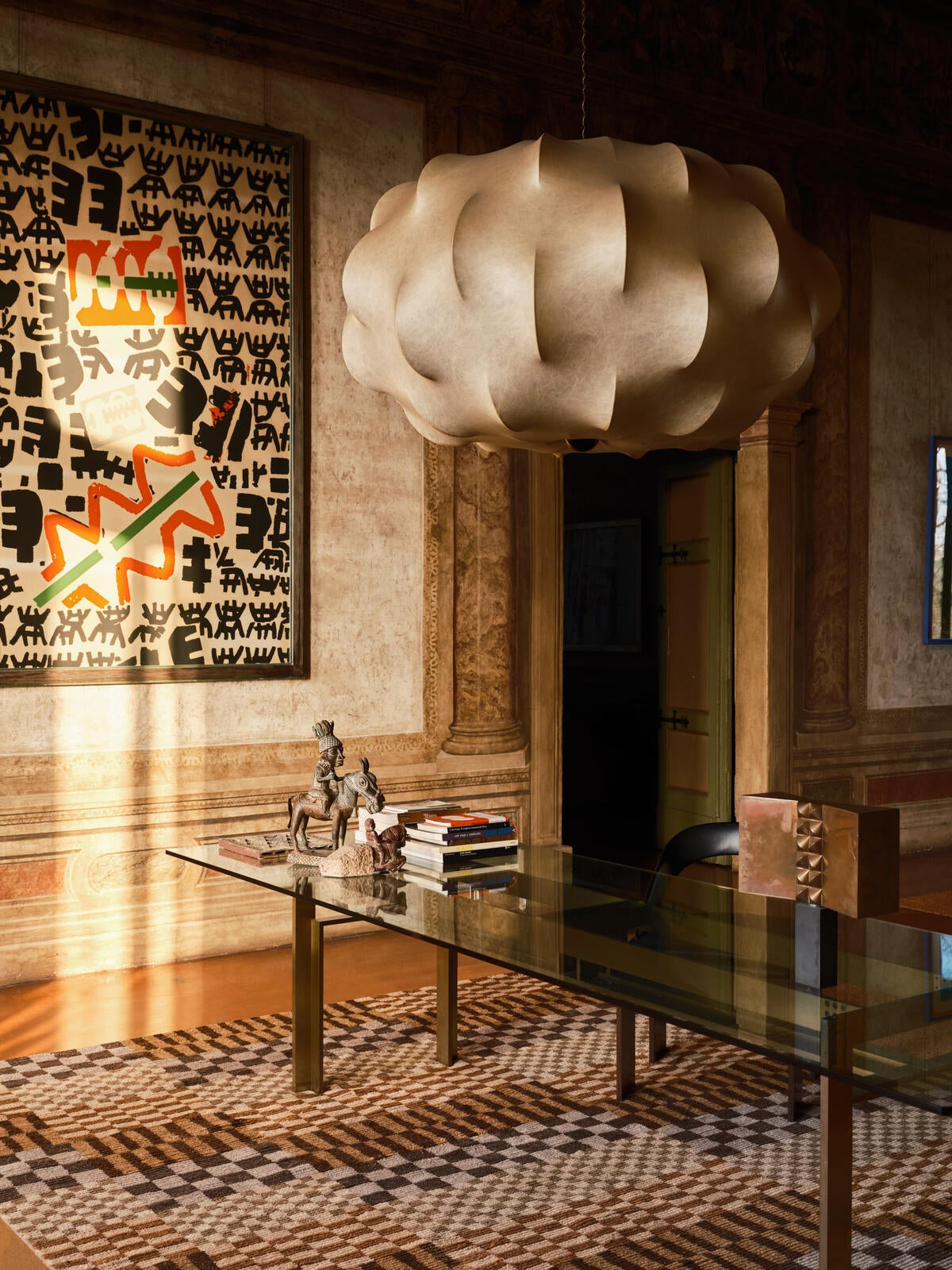
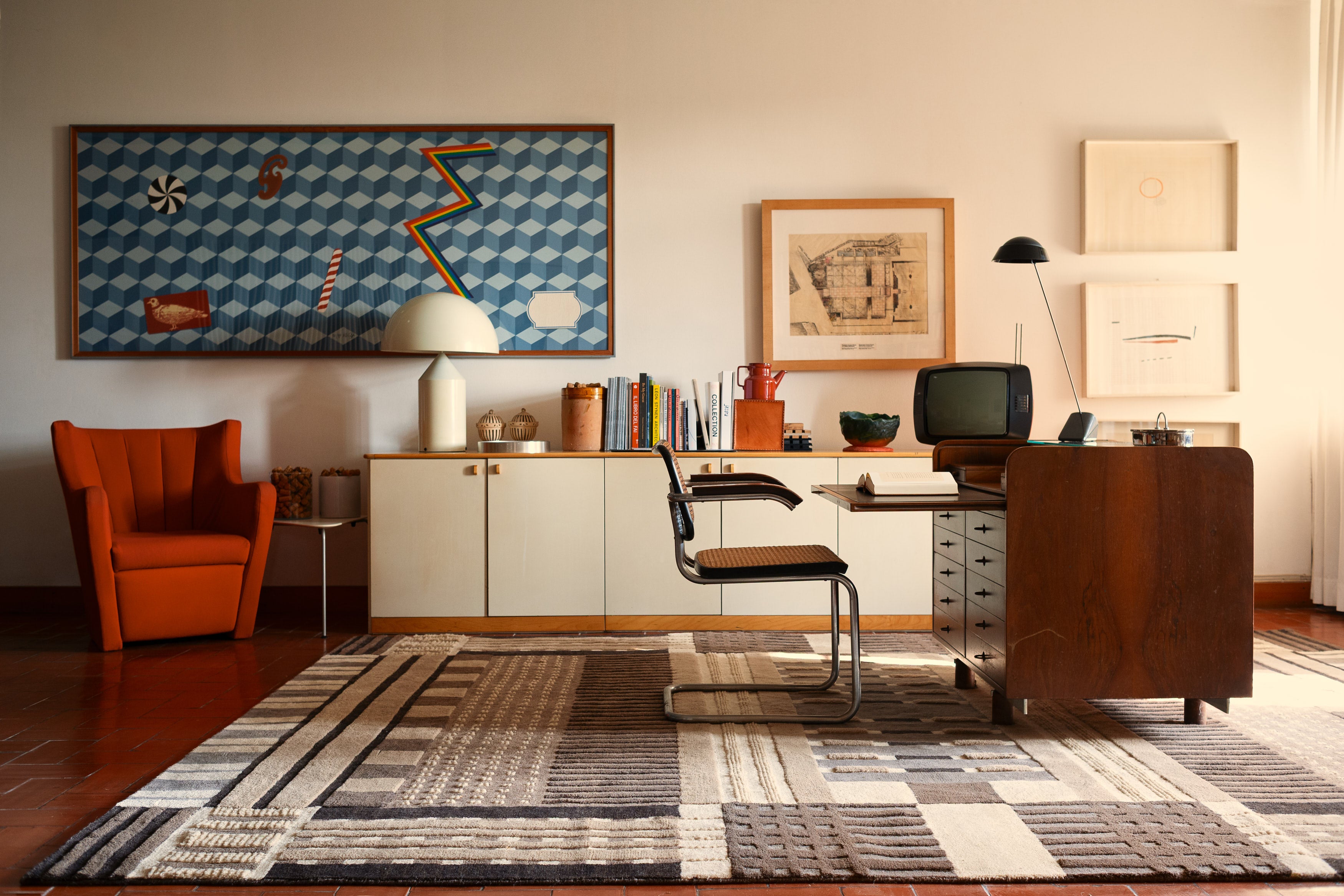
The Rug Company has debuted a new Bauhaus-inspired collection in collaboration with designer Paul Smith. The Ratio series features four new patterns—Axis, Stil, Raster and Takt—which each offer a different exploration of geometric design. Takt takes that spirit of discovery one step further, as it merges Tulu knotting and tactile Indo-Nepali hand-knotting in a standout new weave.
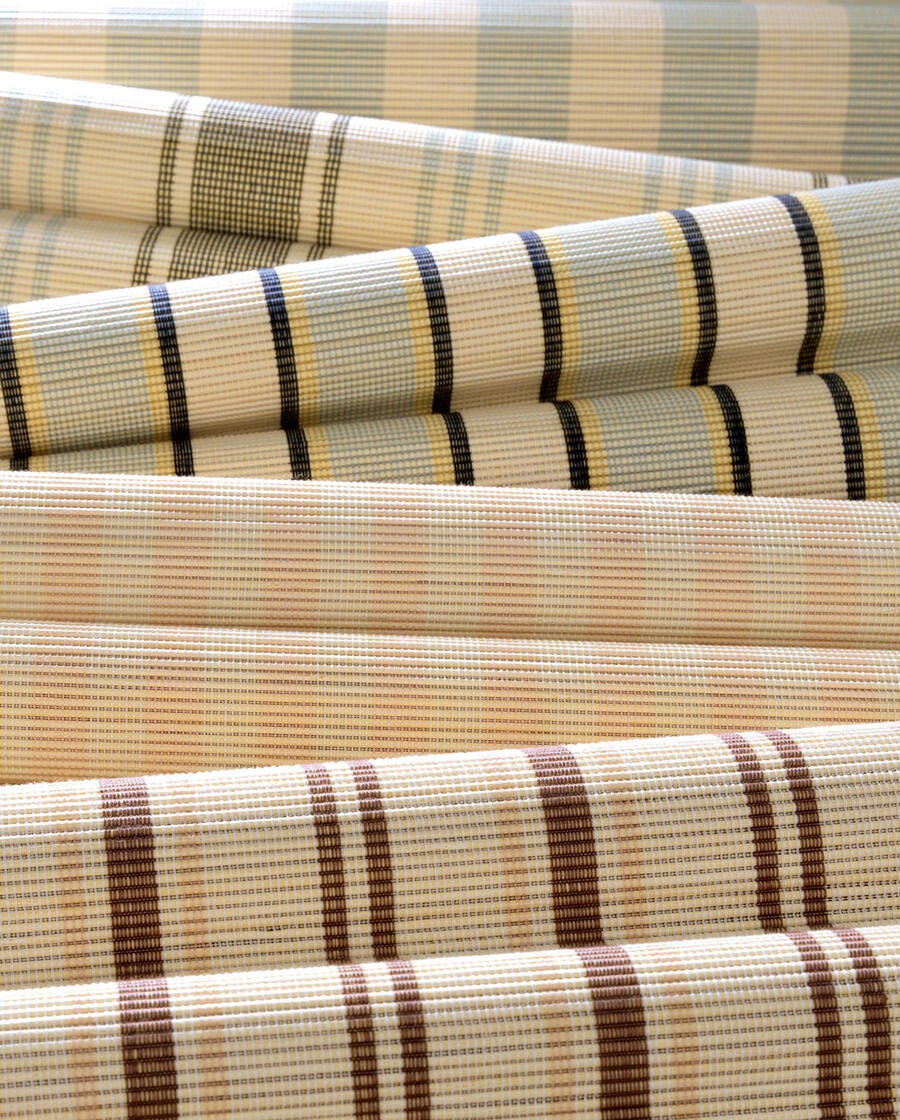
Dallas-based interior designer Meredith Ellis teamed up with Tibetan-carpet brand Elson & Company for the debut of four new styles made of hand-knotted Himalayan wool: a classic plaid in Himalayan hand-knotted wool; a basket weave inspired by an antique patchwork rug; a floral design inspired by Texas Hill Country; and a tile motif drawn from the Spanish Colonial streets of Mexico’s San Miguel de Allende.
Marriott Bonvoy Boutiques has debuted Design Shop, offering hotel-inspired home and lifestyle items. Moving beyond sleep and bath and into furniture, decor and art, the brand is kicking off with two collections: W Hotels Living, created in collaboration with the Rockwell Group and including pieces like a custom headboard and platform bed, a modern bench and dual-finish nightstands; and Westin Hotels & Resorts Living, which features similar offerings rendered in a calming, neutral palette.
Recommended Reading
Miami’s branded-residence boom has thus far catered to every kind of luxury hobbyist, from foodies to car fanatics to wellness junkies. As Kerry Barger writes for The Wall Street Journal, the latest development, Palm Tree Residences, will entice the music festival crowd with pop-up DJ sets, priority concert tickets and first-floor clubs.
In pursuit of higher resale value and tasteful neutrality, the American design scene may be headed for a full-blown crisis: an “epidemic of beigeness.” On the latest episode of House Beautiful’s The Next Issue panel series, led by editorial director Joanna Saltz, designer Oliver Furth decries the rise of “copy-paste” interiors, which he believes stems from fear of self-expression.





 Withdraw Consent / Manage Privacy Preferences