

































As the wellness market surges, some designers are specializing in next-level residences built to promote well-being—and even extend lifespan.
The quest for a healthy home is not new, but the design expectations for such properties are changing rapidly—to the tune of billions of dollars. In May, the Global Wellness Institute valued the worldwide wellness real estate market—a category growing at an eye-popping annual rate of 23.5 percent—at $876 billion, with a projected value of $1.8 trillion by 2030. As wellness demands accelerate, requests made in the name of comfort are escalating to include accommodations that verge on medical, promising to increase a person’s physiological health and even extend their lifespan. “Our fast-paced, productivity-oriented, information-overload culture and society are creating a very real need for our environment to serve us at a higher level,” says Veronica Schreibeis Smith, founding principal of Jackson, Wyoming–based firm Vera Iconica Architecture, which bills itself as the world’s longest-standing firm specializing in wellness architecture. “Shifts in what people value and how they are spending their money reflect a deeper shift in lifestyle that the built environment must respond to, and that’s where wellness architecture and longevity homes come into play.”
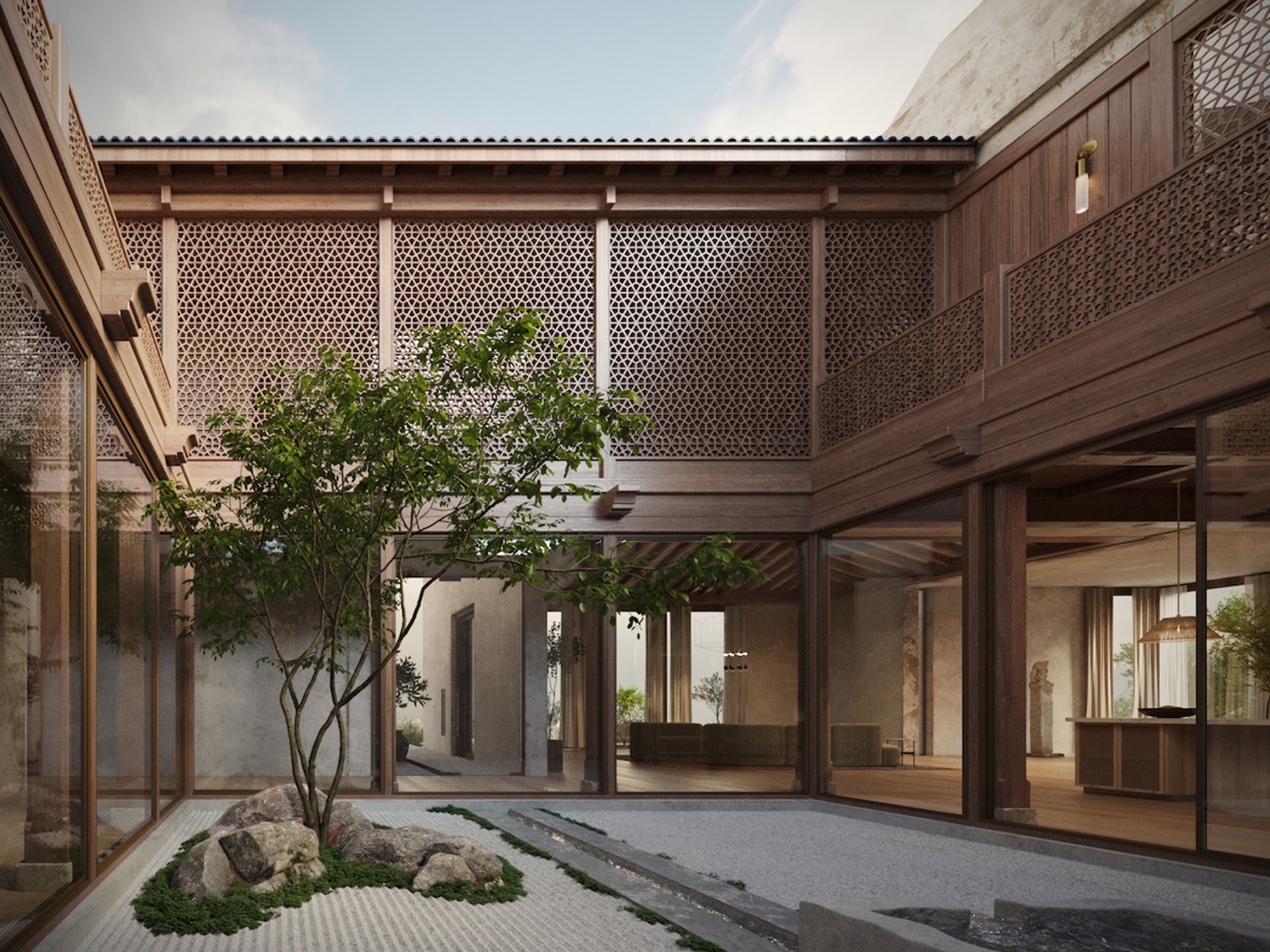
There’s a broad spectrum of types of wellness residences, from those with cutting-edge longevity-focused medical features to those that are less technically advanced but still built to be nontoxic, biophilic, accessible or aging in place–ready. They can exist within larger wellness communities with shared landscapes or features, or as one-of-a-kind residences custom-built for an individual or family.

BOH subscribers and BOH Insiders.
 Withdraw Consent / Manage Privacy Preferences