










Yulii Cherevko’s client wasn’t being completely honest. The Ukrainian architect and designer was working on a small project, and had suggested painting one wall a shade of green. “I told them it would be good, trust me, I’m a professional,” he recalls. The client agreed, and the wall was painted green—at least, until Cherevko moved on. “When I came to their house a year later, they had changed the color.”
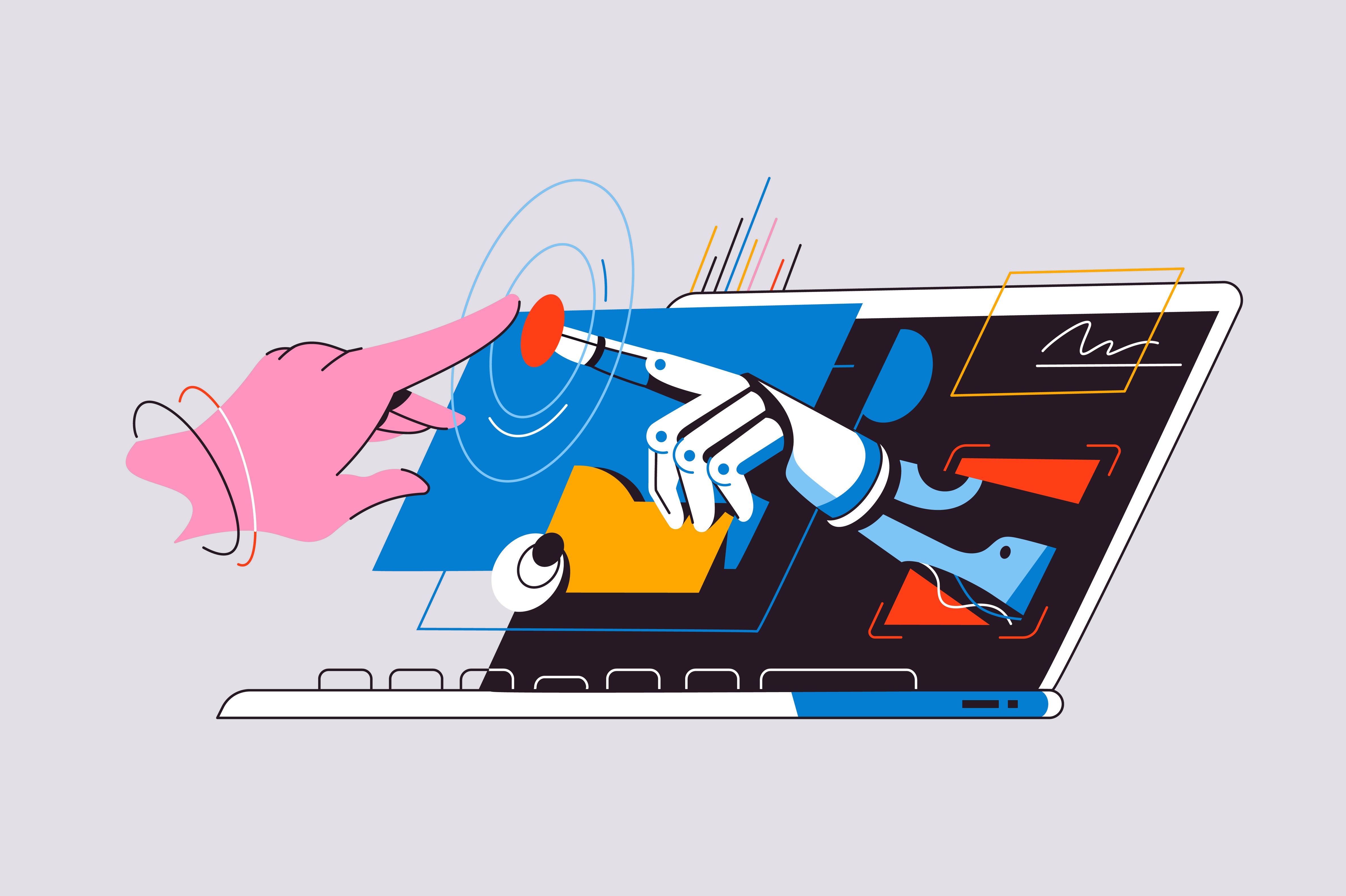
It was a small moment in an early phase of his career, but the idea that clients sometimes hide how they really feel stuck with him, recently resurfacing in his work for a new venture. After the Russian invasion of his home country in 2022, his projects were all put on hold. Along with some friends, he decided to launch an e-design startup, the AI-powered platform Paintit.
“The first week we launched it [in 2023,] we received—without any spending on marketing—5,000 visitors, and they generated thousands of images,” says Cherevko. He and his colleagues raised some money and began building out Paintit.ai. After analyzing more than 69,000 user conversations, he noticed something that reminded him of the green wall: The way that users talked to Paintit’s chat interface was not how they spoke with designers.
From his time working with clients, Cherevko recalls a litany of seemingly contradictory briefs like: “I want it minimal, but not cold,” or “luxury, but not too expensive.” Call it clientese: a confusing dialect that blends half-understood aesthetic language with marketing buzzwords.
He attributes this muddle to a psychological quirk of the design process. When speaking with designers, clients are, in a sense, performing. The client wants to communicate their desires for their home, but subconsciously they’re also trying to be liked, to come across well, to project good taste or a vision of themselves as a certain kind of person, and all of the other subtle pressures that affect every human interaction. Totally normal—but all of that can muddy the waters when it comes to choosing a sofa.
Conversing with AI is different. It happens in the same language as a person-to-person interaction, but there’s no human on the other side. As a result, conversations with chatbots tend to be less filtered, more raw—a more direct pipeline into the ego and id. As Cherevko puts it: “How often do you lie to AI?”
If Paintit’s data represents the unfiltered truth about what customers really want, the takeaway is clear: They have almost no interest in style whatsoever, and are mainly trying to solve small practical challenges and soothe anxieties. Cherevko and his team found that the majority of queries were centered around the daily frustrations people have with their homes—requests to “make this room less dark” and “hide the mess,” for example.
Most of the commands users gave to Paintit were small in scope—verbs like add or repaint dominated the results; asking for a full redesign was quite rare. And notably absent from Cherevko’s data was stylistic language. When people talk to AI about their homes, they’re rarely thinking in terms of “French Country” or “Scandi Modern,” but more in terms of piles of clutter and bad light.
There are plenty of caveats here. Paintit is a free tool, and the users tapping it for design advice are not necessarily the same people who are looking to hire Bunny Williams. And while the idea that users are “telling the truth” to a chatbot has merit, it’s more complicated than that. An AI chatbot window is a great place to workshop a small, finite problem, and less useful for a more sprawling, open-ended project where you might not know where to begin—like, say, redesigning a home. The nature of the tool itself shapes how people use it (a study by a hammer company will likely identify the importance of nail-related problems).
Still, Cherevko’s data is a bracing reminder that designers and clients aren’t always speaking the same language. Though he himself has developed an AI design tool, he doesn’t see a future in which artificial intelligence will replace human designers. Instead, he thinks tools like Paintit can be a translator of sorts.
“Designers have to be psychologists; you need to understand your client,” he says. “AI tools can help you understand your client faster.”










 Withdraw Consent / Manage Privacy Preferences