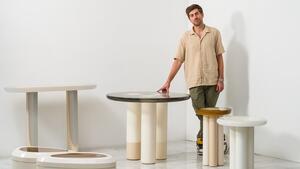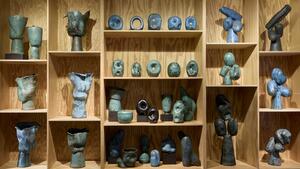




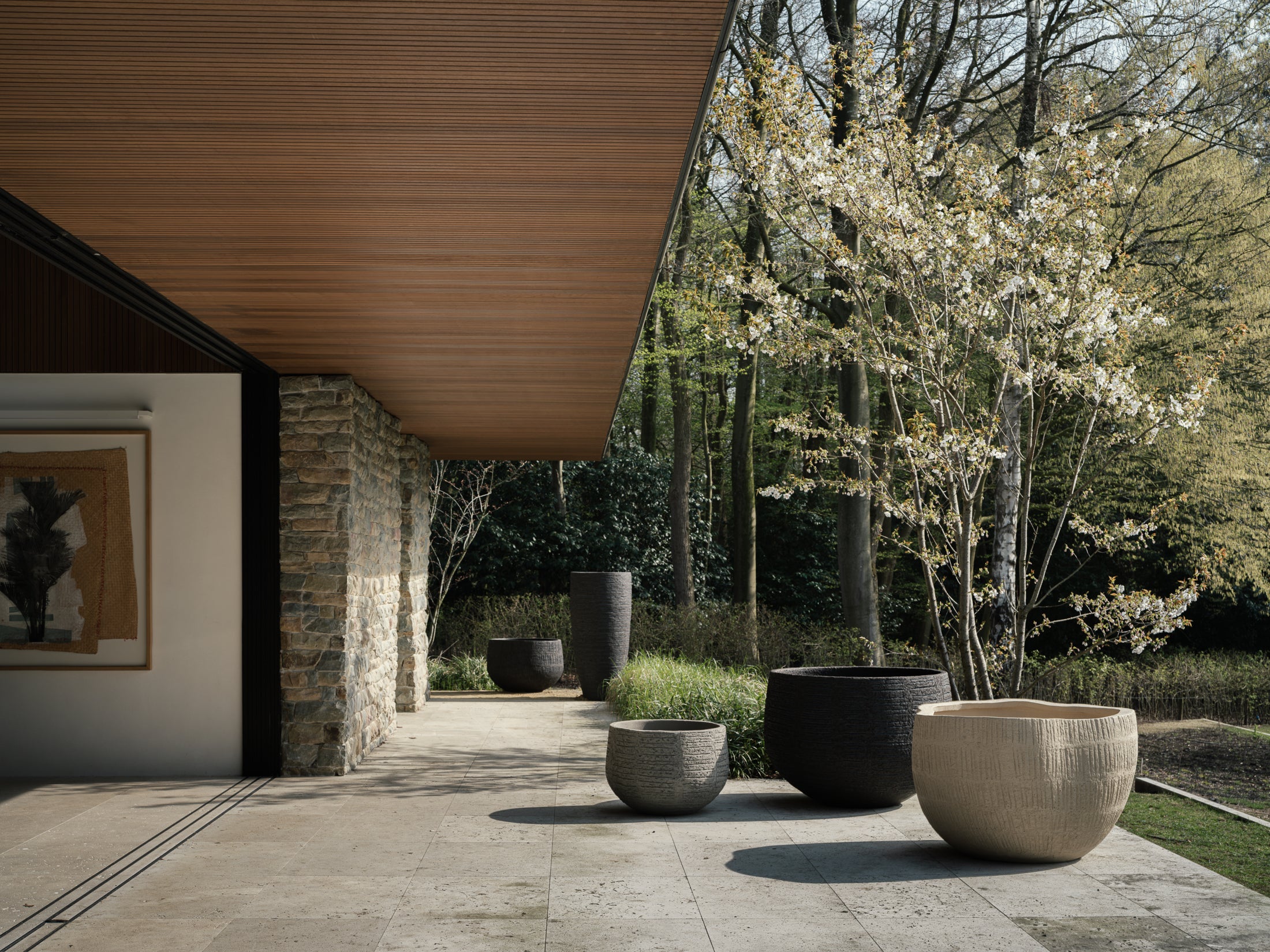

Atelier Vierkant “didn’t start from a design idea, but out of necessity,” says Dries Janssens, whose parents, Willy and Annette Janssens, founded the Belgian clay studio in 1992. Willy had worked in organic agriculture in the 1970s before pivoting to growing bay laurel plants and succulents. When he couldn’t find the right-size pots for the latter, “he just started making them himself, without any background in ceramics,” explains Dries. “He took clay and began shaping it, then called people to ask how to fire it. That’s very typical for him, to start things that don’t exist yet. He’s not someone who follows a traditional path. He’s more of an inventor, very intuitive, and not driven by structure or long-term planning. Once he understands how something works, he often already moves on mentally to the next idea.”
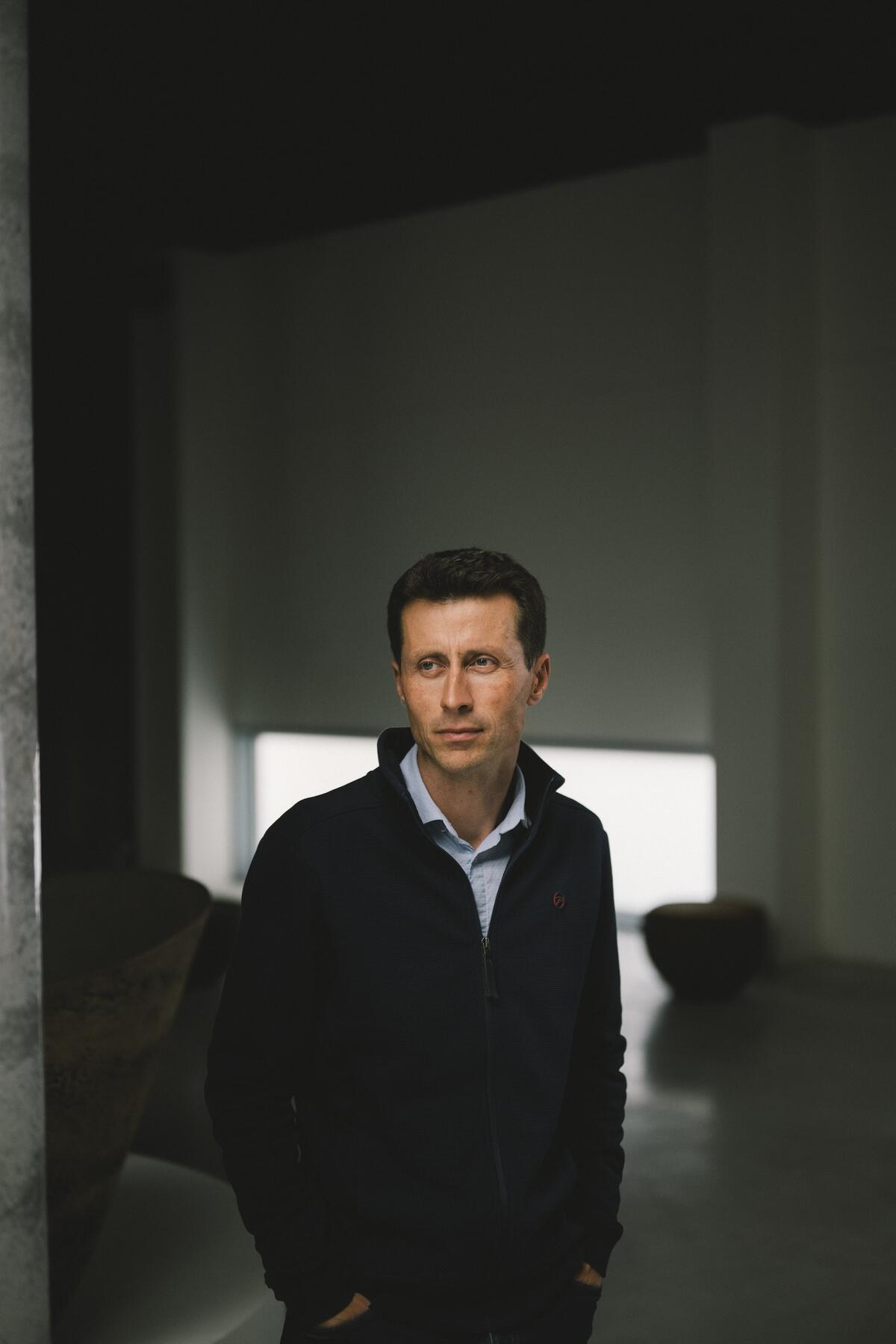
Annette added an aesthetic touch, helping drive the design side of the couple’s growing business. “There was always this combination: his drive to make and experiment, and her eye for detail and quality,” says Dries. What started out as a vessel to sell plants eventually garnered fans of the vessels themselves, and has since grown into a large studio in Ostend, with dozens of designs that can be found in Doha’s Msheireb district in Qatar, the National Museum in Oman and the Sompo Museum of Art in Tokyo. Now, Vierkant is led by Dries (who taught Italian before joining the company) with his two brothers, and together they have been able to broaden the reach of the brand. “Both my parents possessed an extraordinary amount of creativity, but that had yet to find its full expression on an international scale,” he says. “At the time, people didn’t fully understand what we were doing. I loved traveling, and I was good at organizing, so I was able to take our story around the world and share it with people everywhere.”
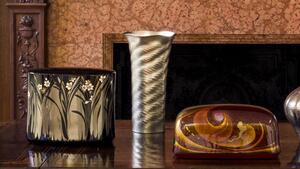
More than three decades in, Atelier Vierkant employs two main design processes. First is using designs from their archive: “We use existing molds, fill them with the chosen clay, finish them, let them dry, then fire them before delivery,” says Dries. The team of artisans will also adapt existing molds and do custom work for clients who may not see anything in the catalog that fits their needs. “Regardless of the approach, the production itself remains hands-on,” he adds. “The process is quite direct, but it requires experience, especially because of how the material behaves during drying and firing. It’s a combination of standardization where possible, and flexibility when needed.”
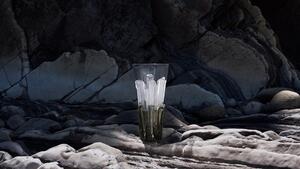
As an example of this hybrid approach, Dries offers the brand’s Adamas collection, named after the ancient Greek word for indestructible—and the origin of the word diamond. “For a long time, we had been searching for an object that could truly become the protagonist within a project,” says Dries. “Every project needs focal points, but not too many. We started exploring these faceted surfaces [and] the balance between polished and rough diamonds. The human hand intervenes, introducing a sense of refinement, while the curved base softens the overall design and gives the piece greater warmth.”
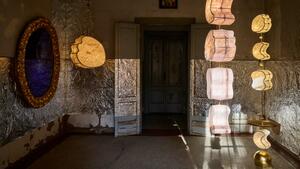
Earlier this year at Salone del Mobile, the brand introduced the Archae and Petrae collections, the former inspired by timeless ceramic forms and the latter by nature. Janus, a new line named for the Roman god of beginnings, endings and transitions, plays with smooth and rough edges—a combination of control and erosion.
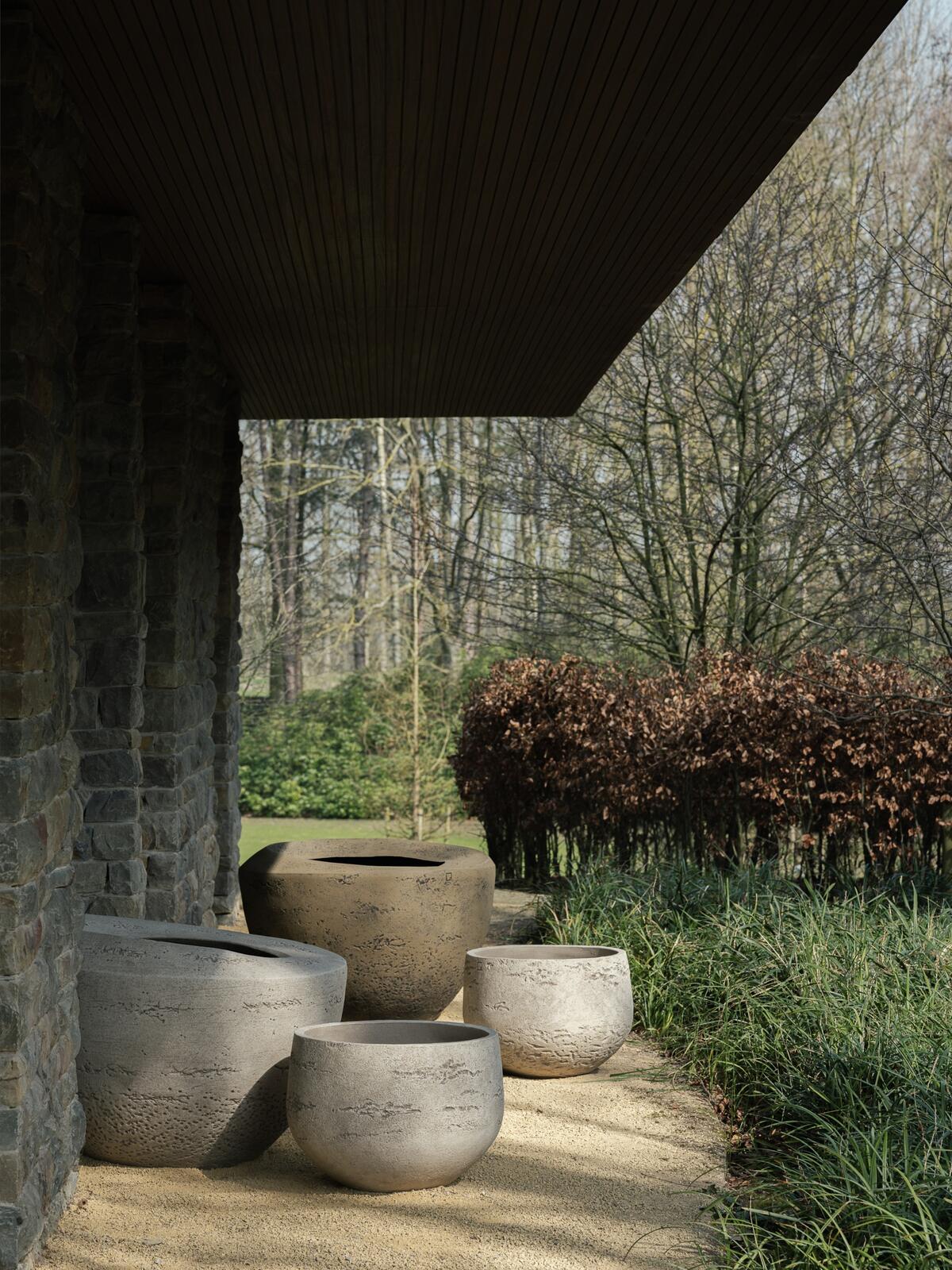
Right now, the brand is experimenting with hue harmonies. “We work a lot with architects, and we’ve noticed that projects are becoming less about selecting an individual model and more about creating coherent color concepts,” says Dries. “Clients increasingly arrive with an established color palette, and they want their key accessories to speak the same visual language. We’ve developed around 20 color families that allow architects and designers to carry one palette throughout an entire project. Once they’ve chosen a family, they can confidently apply it across all the different objects. It removes uncertainty—we guarantee that as long as they remain within that color family, everything will work together beautifully. It’s another way for us to strengthen our relationship with architects and designers.”
While a lot of Atelier Vierkant’s products are rooted in history, Dries is looking ahead. “We are a family business, and the family remains at its core, but our attention is always on what comes next,” he says. “We create objects that are meant to last for hundreds of years. That places an enormous responsibility on us as designers and manufacturers. The objects we make should still be beautiful three centuries from now. Our hope is that, hundreds of years into the future, people will still appreciate the moment where the joy of the maker and the joy of the user meet within our products. That’s why we tell everyone in the workshop exactly which project they are making each pot for. It gives tremendous meaning to the work. Everyone, at every level of the company, feels part of that larger story.”