





Dear Sean,
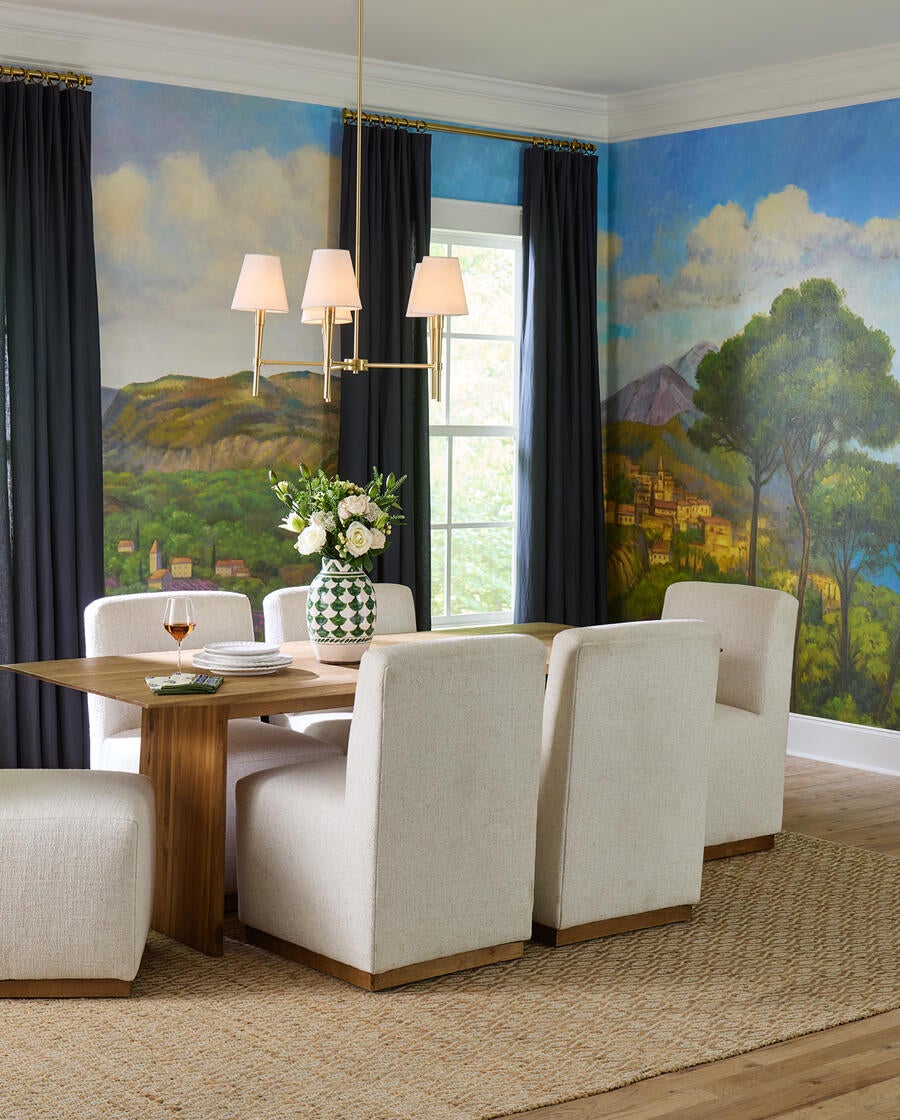
My clients are obsessed with renderings, and it’s becoming a problem. They fall in love with details from an early stage of the presentation, and can’t let go when the finished project turns out slightly different from the render. I’ve dealt with this before, but AI is making it way worse, because clients themselves can now generate renderings easily, or tweak ours. It’s increasingly impossible to keep them out of the conversation. Renderings are genuinely helpful in many situations, but I’m starting to hate them. Any thoughts on how to deal with this?
Sincerely,
Seeking Artistic License
Dear Seeking Artistic License,
Digital renderings, especially in the age of AI, are the most profound example of the essential question any designer faces: Are you selling a product or a story? Think about your arc with renderings. Photorealism really was not a possibility even 10 years ago without extraordinary expense. Sure, you could get close, but everyone knew that what they were seeing was not exact in the sense that reality was going to match. Simply, there was wiggle room.
Today, most big-box retailers do not even photograph their offerings and, of course, use 3D rendering technology to sell their products. It is no wonder, then, that you are now confronting the issue of what to do with clients who mostly want a guarantee where you cannot provide one.
If you are in the product business, your aim is to guarantee satisfaction. You want your client to get exactly what they paid for. The idea that it might not work is not part of the dialogue.
However, the entire point of design is that it might not work. The purpose of the design phase is to provide direction and understanding, not a guarantee. You are earning permission to manifest your idea, never to guarantee its accuracy. Without question, you have lost this thread in your business and have gotten yourself hooked on the drug of certainty at the expense of story.
The power of any story is the author’s ability to create, hold and ultimately resolve tension as she, the author, decides. Story is the conscious endeavor of creating trust, actively breaking it, and then regaining it more strongly than before. If you do not think this describes what you do, you might want to consider another line of work.
What you have done and what AI has made so much worse for you is to give away tension far too early and without regard to the nuance yet to come. So no wonder your clients are angry when the reality does not meet the rendering: You promised an ending you could not deliver. As in you broke trust with no chance of redemption, because, ahem, you are not in the product business.
And no, the answer is not to caveat your clients that the reality might not be represented in the render. Having a warning on cigarettes does not make anyone less angry at the tobacco company when they get sick. Instead, remind yourself of why you are in business in the first place—to design the way your clients will live: how they wake up in the morning, how they eat, entertain, relax, even argue. Do renderings really get you there? Are you able to bring in additional elements of presentation that can create understanding without expectation of duplication? Kevin Isbell uses watercolors. Material Bank exists for designers to use samples as components of their story. And the list goes on and on.
I am of the firm belief that digital renderings have always been and will always be but a tool, AI very much included. Mistaking the tool for the work is what is biting you in the proverbial tush.
So get back to being the designer you actually are, with all of the inherent uncertainty that comes with it. Know that the destination is forsaken if it is assumed, inevitable if the journey is profound. One foot in front of the other please, leading as only you can.
____________
Sean Low is the go-to business coach for interior designers. His clients have included Nate Berkus, Sawyer Berson, Vicente Wolf, Barry Dixon, Kevin Isbell and McGrath II. Low earned his law degree from the University of Pennsylvania, and as founder-president of The Business of Being Creative, he has long consulted for design businesses. In his Business Advice column for BOH, he answers designers’ most pressing questions. Have a dilemma? Send us an email—and don’t worry, we can keep your details anonymous.










 Withdraw Consent / Manage Privacy Preferences