










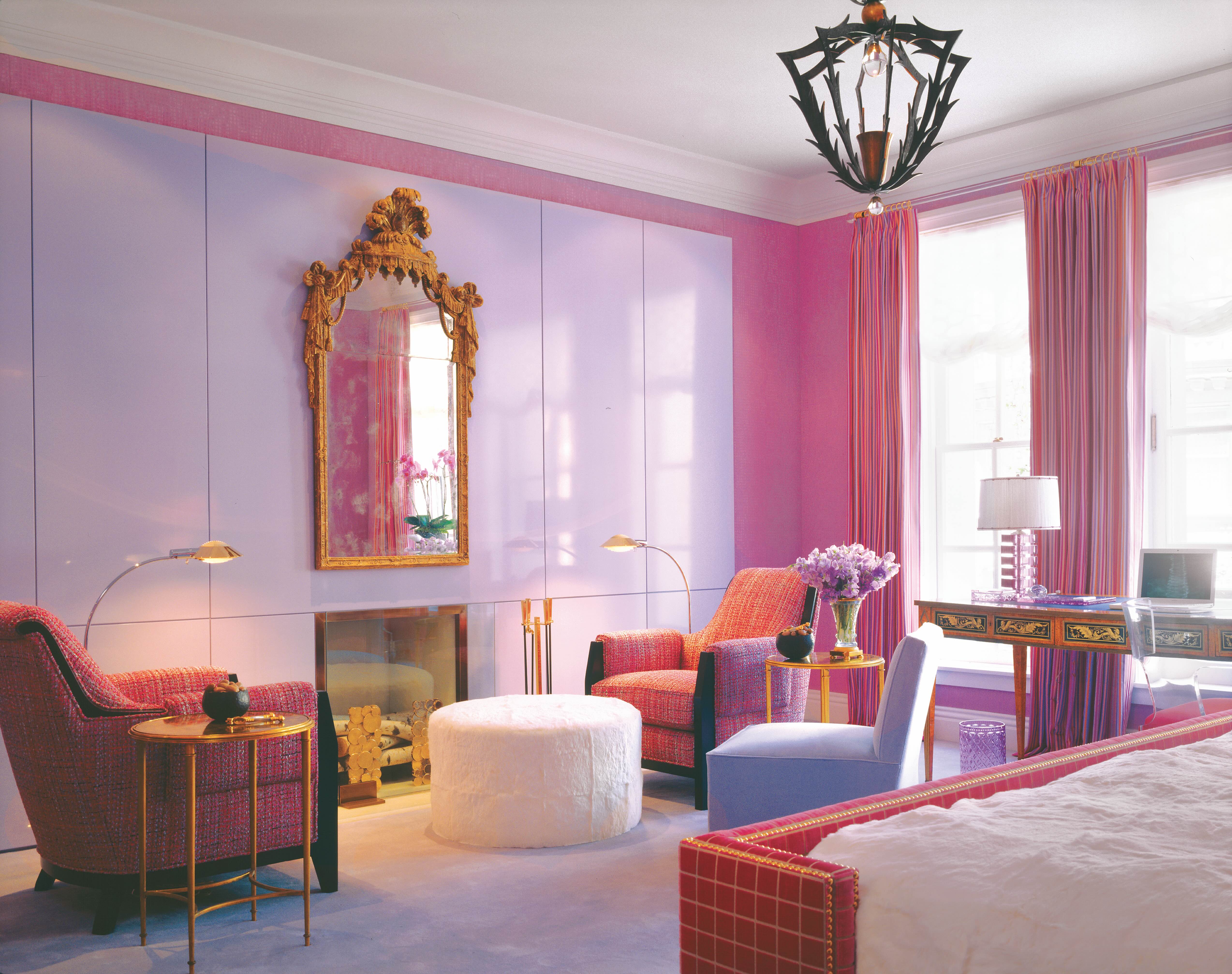
Kips Bay almost didn’t make it to 50. This March, the organizers behind the New York mainstay announced that the townhouse secured for this year’s event turned out to not be so secure, and a new location was needed. The spring President’s Dinner came and went without a venue locked in, and over the summer, increasingly urgent social media posts led to some worry that Kips Bay’s big milestone would have to wait another year.
It wasn’t the first time that the showhouse had hit a bumpy patch. In 2010, Kips Bay was postponed until the fall when the original Upper West Side venue was sold out from under it. A decade later, the pandemic shuttered the New York edition from 2020 to 2022. Along the way, there have been countless setbacks: leaky plumbing, dropped mirrors, spilled merlot—and an infamous 1988 robbery in which burglars made off with gilded sconces and a silver fox throw. Despite it all, the show has gone on.
Indeed, so it did this year, when, just in time, the organizers were able to clinch a townhouse in the West Village for a late September opening. The site was novel—the first downtown Kips Bay—but the experience was comfortingly familiar for longtime attendees: a dazzling variety of styles, designer war stories about frantic installations, jokes about a sweaty opening-night party.
In truth, despite the venue anxiety, no one really thought the loss of a spring location would mean the end of Kips Bay. Fifty editions in, it’s an institution.
BECOMING AN ICON
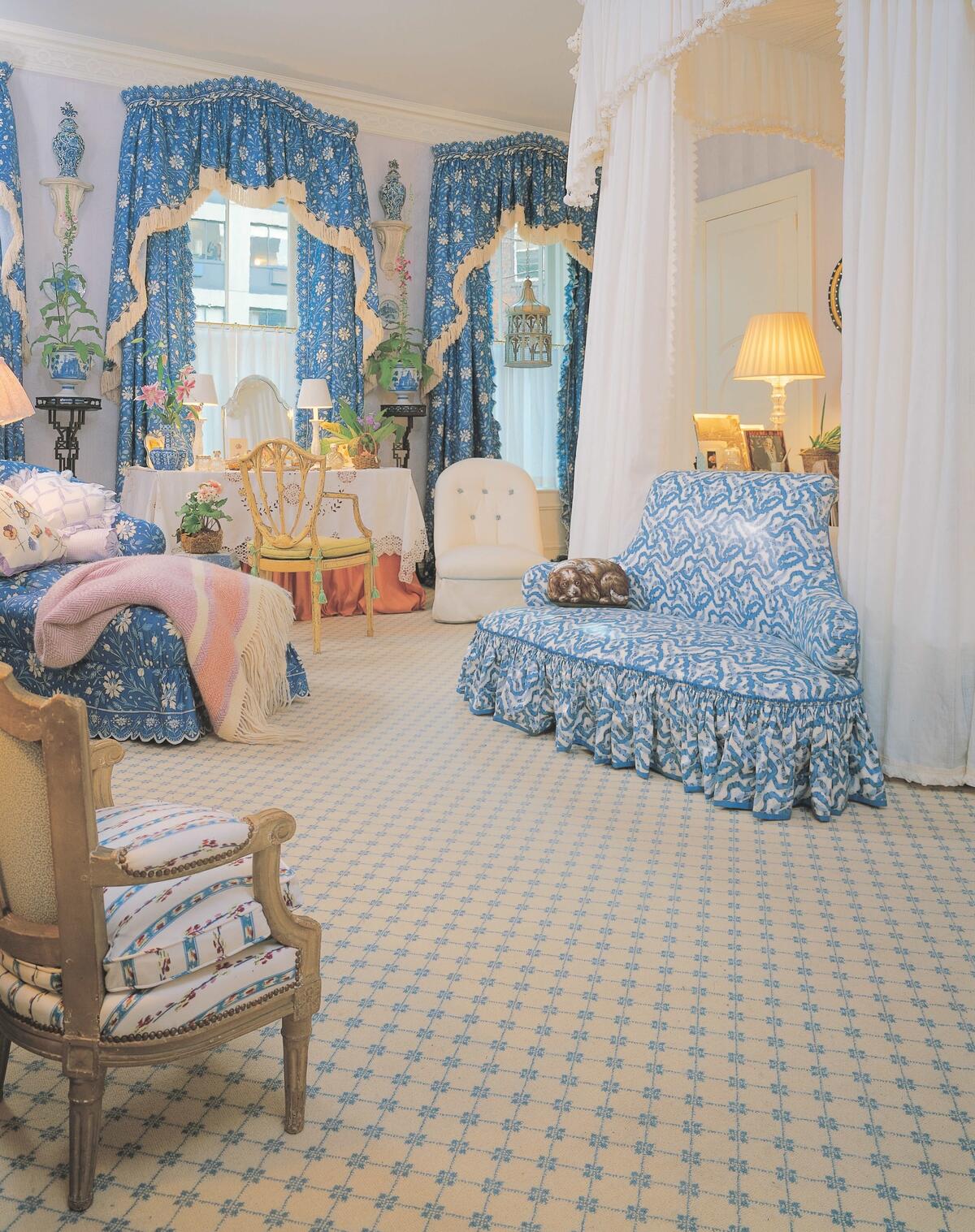
Kips Bay is sometimes referred to as the first event of its kind. It’s not. The Junior League of Boston’s Designer Show House beat it by two years, and some press reports go back much further, pointing to a 1957 Bay Area museum fundraiser as the big bang of decorator showhouses. But by compiling the industry’s top talent under one roof, plugging into New York’s media machine, and injecting the proceedings with a dash of celebrity glamour, Kips Bay became the first showhouse to matter on a larger scale.
When it launched in 1973, a notice in The New York Times society pages promised three floors of an 1880s Park Avenue mansion reimagined by “New York’s most distinguished decorators”—an inaugural class that included Mario Buatta, Thomas Britt and McMillen. The venue was audacious: Some of the rooms had originally been conceived by interior design’s founding mother, Elsie de Wolfe. The ad seemed to acknowledge the degree of difficulty, enticing would-be attendees to “see these challenging contrasts at a champagne preview for $25.” During normal visiting hours, the general public could attend for a mere $3.
The event was a fundraiser for what was then the Kips Bay Boys Club (it became co-ed in the 1980s), a nonprofit that offers academic, sports and arts programs for disadvantaged Bronx youth. The goal was to generate $70,000 toward an Olympic-size swimming pool for the organization’s new clubhouse. Ten years after launching, the showhouse was bringing in close to half a million dollars and drawing more than 20,000 visitors. Kips Bay, in the words of its long-running publicist, the late Diantha Nype, had become “big business.”
The engine that propelled Kips Bay is the same that makes all showhouses tick. Designers donate their time and talent and get leads and publicity in return. Vendors donate their product and get goodwill from the trade. Home sellers donate their house and get eyeballs on the property. The public donate their money and get to see a fantastic house—and the proceeds trickle down to a good cause.
Kips Bay was different largely because it was in New York, the birthplace of the modern interior design industry. Manhattan designers like Buatta and Mark Hampton—who were becoming nationally famous in the newly glamorous pages of Architectural Digest—made a point of participating regularly. The talent level was high, and designers, working in close quarters with their peers, brought their A game.
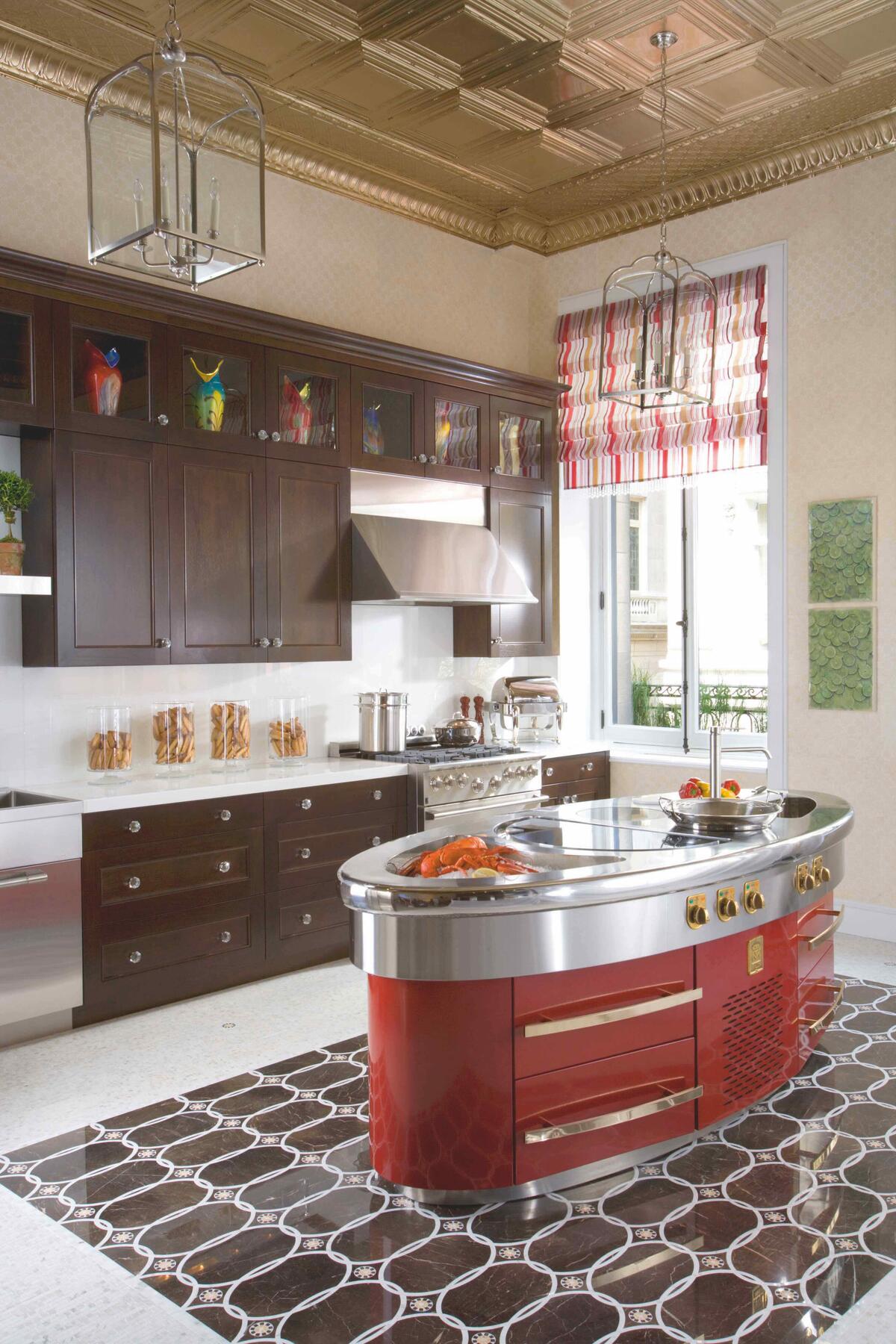
The house delivered from a business perspective as well—especially at a time when clients and decorators had to connect without the aid of Instagram. “The first time I did a [Kips Bay] showhouse was in 1979, and it marked a turning point in my career,” Samuel Botero told The New York Times in 1985. “People who had seen the room called me about potential jobs for about five years.”
As the event gained stature, it started to deliver on a bigger scale for vendors as well. In the early days, to-the-trade companies mostly made one-off handshake deals with their customers—still a staple of how the house comes to life. But national brands like Artistic Tile and The Shade Store now see their sponsorship of Kips Bay as a way to deepen their connection to not only participating designers, but the trade as a whole.
A PLACE TO SEE AND BE SEEN
The showhouse has benefited from being in the backyard of the media business, though the press hasn’t always known quite what to do with Kips Bay. Indeed, while the event itself hasn’t radically changed, the way it has been covered has shifted over time.
In the early days, it was sometimes written about almost anthropologically, a field report from the curious world of Upper East Side society. The flip side of the coin is that Kips Bay has periodically been used as a satirical frame for poking fun at the excesses of the affluent and the foibles of the design trade. In 2000, design writer William Hamilton spent three days “living” in that year’s showhouse, and the resulting article, “I Was a Prisoner of Fabulousness,” is mostly an extended riff on how uncomfortable it all was.
As Kips Bay gained more national acclaim, it was—and still is—sometimes covered as a stylistic bellwether, the way one might have once reported on the Paris runways. See it on the Upper East Side today, then everywhere next year, the thinking goes.
It’s hard to pin down how useful that framing is. If you look back on the full scope of the showhouse, you can see stylistic shifts, but many of the best rooms feel like idiosyncratic creations that exist almost outside of time. As it is a collection of top talent, often working at the top of their game, Kips Bay absolutely does influence, reflect and magnify trends. But its primary impact is to get participating designers more clients, and more press. It’s far harder to draw a straight line between any one room and what showed up on the West Elm floor the next spring.
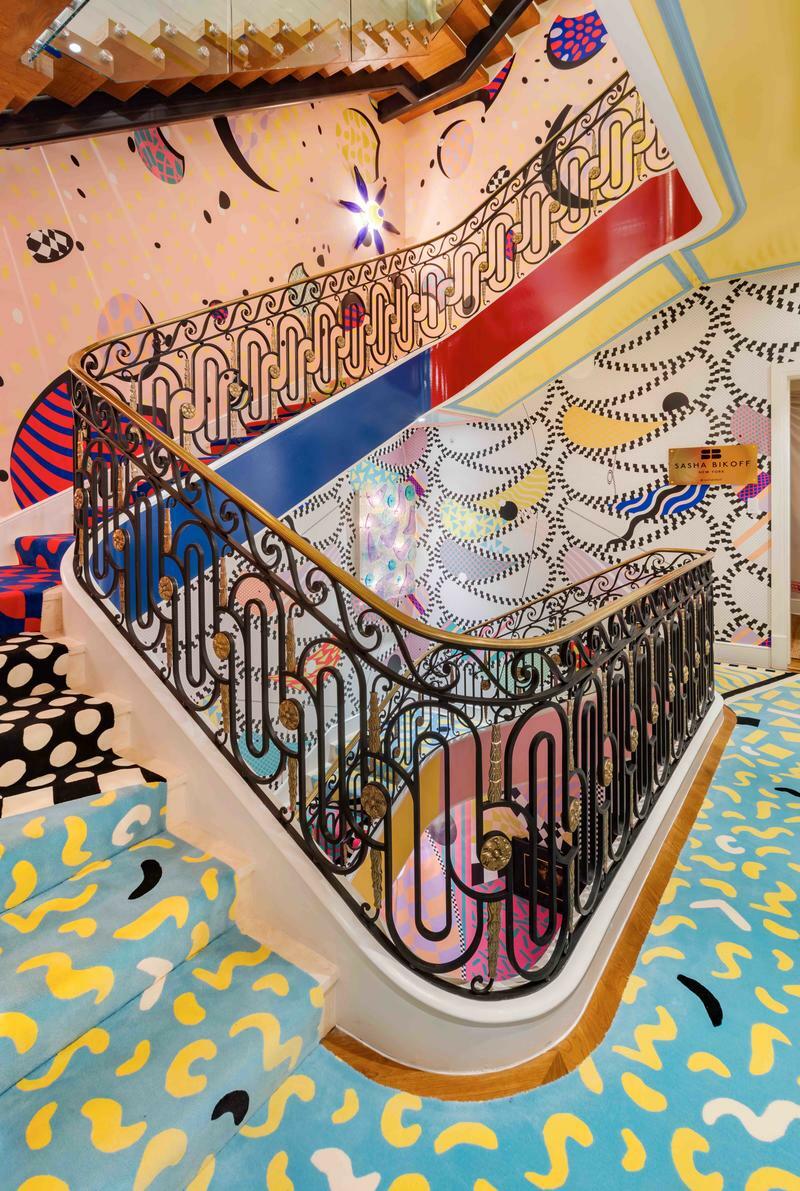
The most recent, and possibly biggest, example of Kips Bay breaking out of the design industry bubble and into the mainstream pop culture bloodstream is 2018, when Sasha Bikoff turned the staircase of an Upper East Side townhouse into an explosive Memphis Milano fantasia. The look, perfectly outfitted for the newish Instagram era, blew up on social media and was covered widely beyond the shelter press. It was a moment. Since then, Kips Bay has had a few “big” rooms (Bikoff again made a splash in 2024 with her Polly Pocket–esque oyster bed), but it feels like the showhouse is more or less back in the bubble. The New York Times, which once reliably ran a profile of the event every year, stopped sending a reporter in 2018.
At the same time, the show has more reach than ever in some respects, as Kips Bay is a near-perfect venue for the theater of social media. For participating designers, there are the dramatic before-and-afters, and opportunities to document the high-stakes process of transforming a space at a breakneck pace. For attendees, there are the opening night gala selfies, the walkthrough reels, the details and discoveries. From local society pages to the For You Page, Kips Bay has always found a way to be seen.
NATIONAL EXPANSION
The media around Kips Bay has changed more, but the showhouse itself has shifted too. Maybe the most obvious development was the move to add two shows over the past decade, Palm Beach and Dallas. The new markets reflect the reality that, within the design industry, Kips Bay is a national brand, and can stand up at least two outposts.
The national reach has also gone in the other direction. The early showhouses were mostly local affairs, stocked with New York designers who worked with New York clients. This year, Kips Bay’s roster included designers from Florida, Indiana, Maryland and—in the case of Ben Pentreath—England.
That Kips Bay has cemented itself as the design industry’s national showhouse brand is ironic, as the event’s next big challenge is extremely local: It’s getting harder and harder to find a venue. This year certainly wasn’t the first time the organizers had trouble locking down a location, but it seemed to represent a trend.
In the early days, the world of Upper East Side real estate was slower-paced and perhaps a little more genteel—there was always someone who knew someone who wouldn’t mind lending out a townhouse for a few months. As the market has gotten progressively quicker, more transactional, and driven by massive corporate agencies, it’s trickier for Kips Bay to sneak into the process and work its magic.
It’s hard to see how the problem solves itself, barring a nosedive in the value of Manhattan real estate (a fate that no one involved in Kips Bay would wish for). It’s possible that this year’s downtown site is a sign of things to come in the decades ahead, and the showhouse will pop up in other parts of the city. If that happens, maybe it’s a blessing in disguise.
After all, the new 12th Street location hasn’t seemed to dull the old magic, or limit the business opportunity. On a recent visit, a Business of Home editor chatted with a Kips Bay first-timer, Colorado designer Andrea Schumacher. An attendee had seen her room and told a friend about it—a friend who had just picked up a Tribeca apartment. Schumacher connected with the friend, had a great dinner, and was making plans to go measure the space. A week in, and she had already netted a job. Some things never change.





 Withdraw Consent / Manage Privacy Preferences