







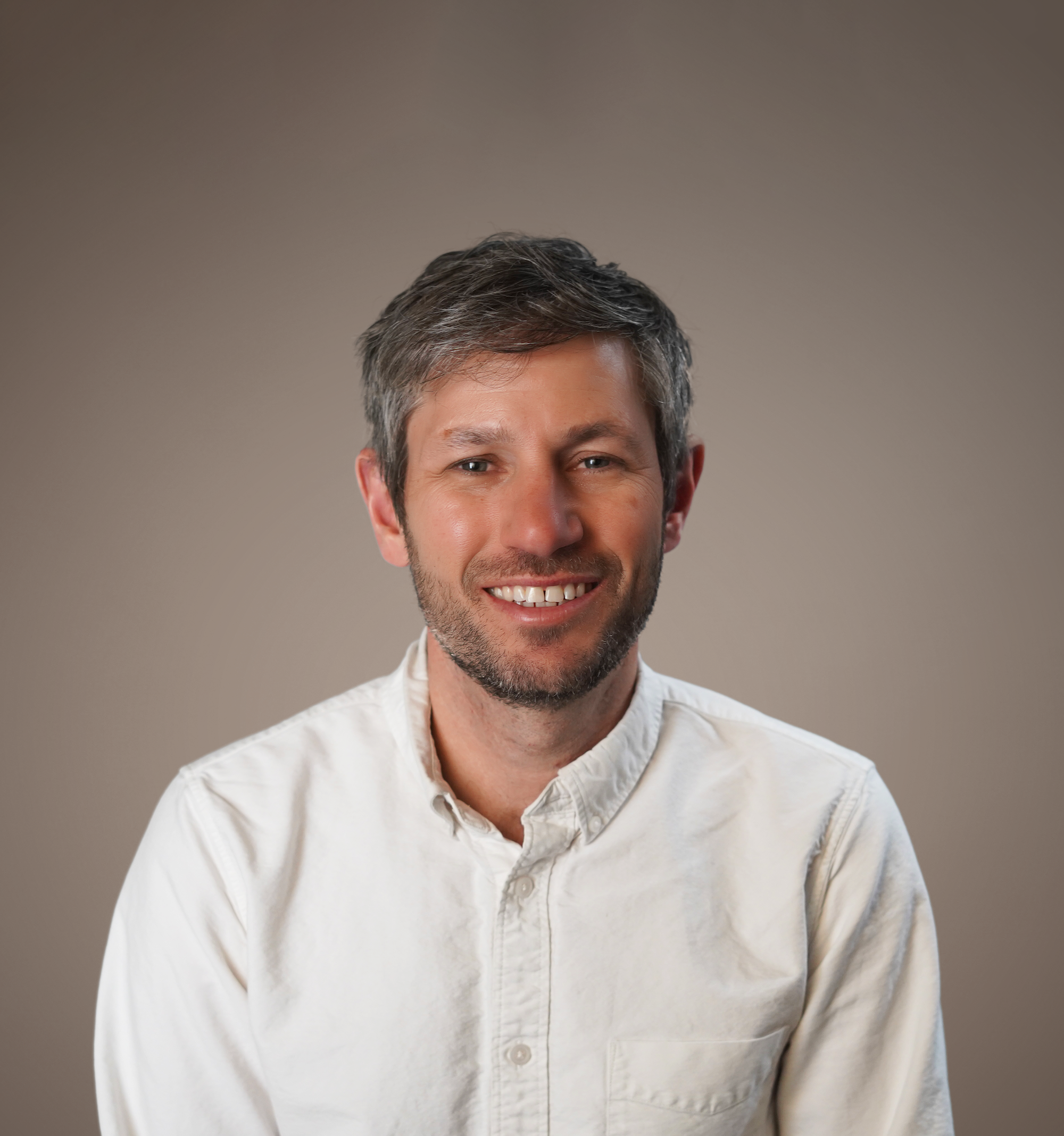

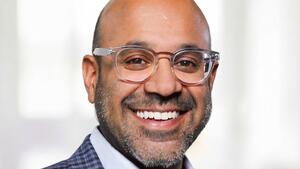
It’s been 17 years since Eric Edelson joined Fireclay Tile, and the CEO continues to drive the brand into the future. After turning its business model upside down in 2014—transitioning the company from wholesale to a vertically integrated brand that sells direct—Edelson now employs around 420, runs three manufacturing facilities and 10 showrooms (with more on the way), and maintains B Corp certification. A lot has changed, but the core product hasn’t. “We’ve stayed very true to the original founding story of Fireclay, which is beautiful craftsman-manufactured products made domestically,” he tells host Dennis Scully on the latest episode of The Business of Home Podcast. “The business has evolved and grown, but [also] stayed very true to the roots.”
Recently, Fireclay has been on an acquisition spree, notably purchasing Fox Marble, a large Bay Area fabrication and installation business. Edelson plans to enter other markets down the line. “We’re seeing a ton of growth happening at Fireclay right now, for so many reasons,” he says. “We keep attracting tremendous talent, and part of our long-term thesis is this is our sixth acquisition. I’d like to do more over time, and so building that muscle, building that acumen, building that competency, because I think there’s a lot of owners out there who, frankly, don’t want to sell to private equity and [want to find] a strategic acquirer for beautiful craftsmen-oriented products. I think Fireclay could be that partner to people.”
Elsewhere in the episode, Edelson discusses how the entrepreneurial spirit of California keeps the Fireclay staff inspired, the importance of trade jobs, and why the brand recently entered the bath category.
Crucial insight: Despite some recent “greenwashing” criticism of the B Corp movement, Fireclay’s certification is still an important factor for Edelson. “I think that the premise of a [regulatory] body saying, ‘Hey, if you’re a for-profit company and you want to differentiate [through] social impact and responsibility means, or environmental stewardship, or community engagement, or frankly, just the most important one—taking care of your people—we’ll put you through a really arduous process to determine: Are you actually doing what you say you’re going to do?’” he says. “There’s real merit there, and I think what it’s done for me as a leader at Fireclay has certainly held me accountable. Doesn’t mean that we’re always doing the perfect thing for our employees, the environment or the community, but we’re going to be over and above many others, and when I look at ourselves against the industry, it’s hard to kind of compare how we operate versus 95 percent of them.”
Key quote: “If you came [to our company locations,] you’d find almost every person here is using AI in some way in their work, whether it’s through [Google Gemini’s] custom Gems to help them craft better emails, or it’s to negotiate better with vendors, or to find more opportunities for conversion for our sales team, or better coaching, you’re going to find it on the factory floor, you’re going to find it in our technology team. We’re not at that next phase—what we’ll call the agentic phase—so we haven’t found ways that AI can take over processes or handle repetitive types of [human] work, but I think we’re going to get there.”
This episode is sponsored by Ernesta and Kohler. Listen to the show below. If you like what you hear, subscribe on Apple Podcasts or Spotify.
The Thursday Show
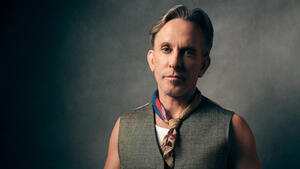
BOH executive editor Fred Nicolaus and editor in chief Kaitlin Petersen discuss the biggest news in the design world, including RH’s latest earnings report, Louis Poulsen’s new ownership, and why everything is hidden in the new luxury kitchen.
This episode is sponsored by Loloi and Newport Brass. Listen to the show below. If you like what you hear, subscribe on Apple Podcasts or Spotify.






 Withdraw Consent / Manage Privacy Preferences