









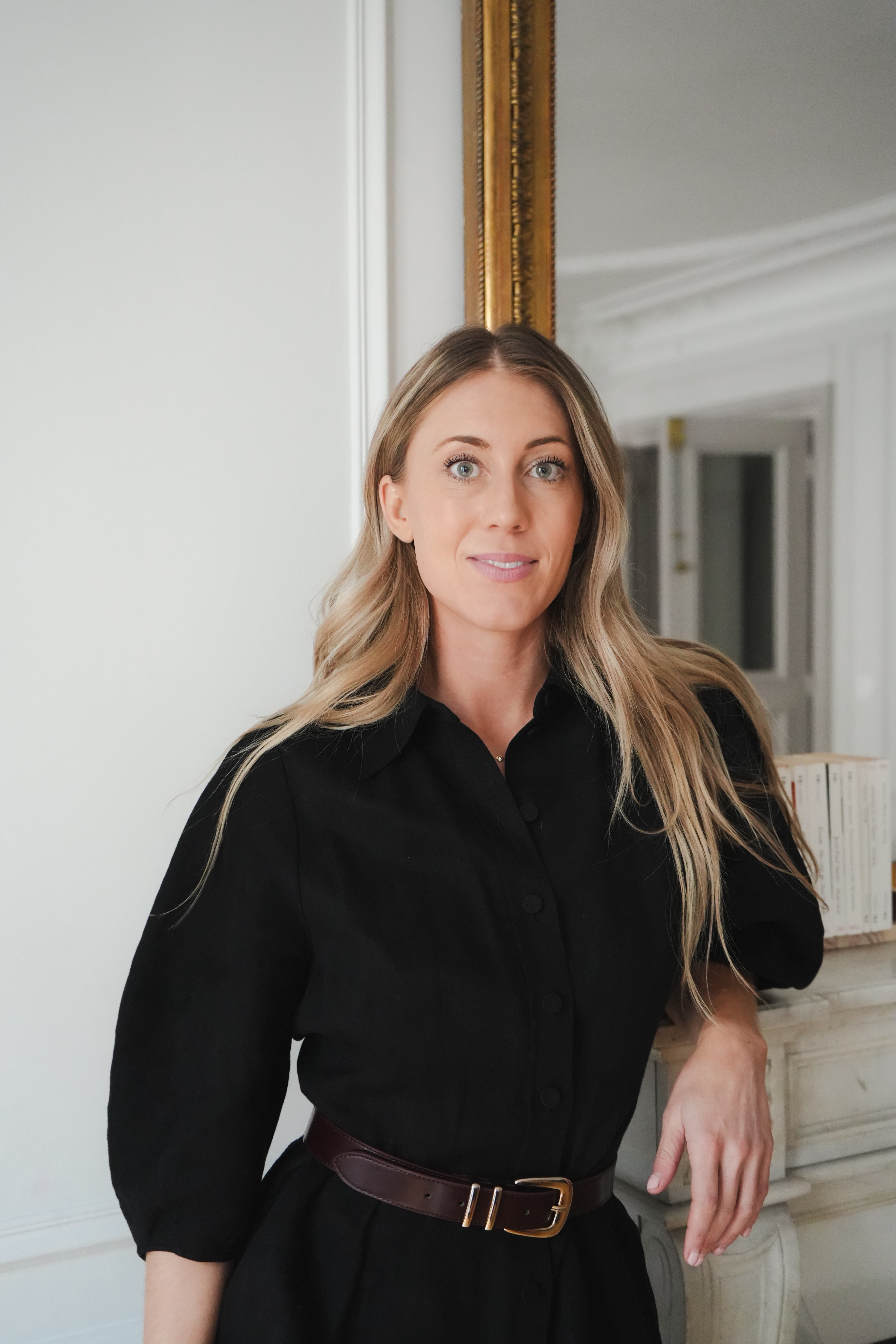

In Ask an Influencer, Business of Home explores the creator economy. This week, we spoke with designer Chloe Legras, founder of Boxwood Avenue.
On her 18th birthday, the social media star, interior designer and entrepreneur Chloe Legras received an unexpected present from her aunt: a thrift store sewing machine. She didn’t know it at the time, but that humble gift would set in motion a chain of events that would determine the course of her future. She began to craft pillows and aprons, eventually setting up an Etsy shop to sell her wares while she was still in college. After graduating with a marketing degree, she moved to a cattle ranch in rural California with her then-boyfriend as she figured out her next steps. What better way to document her new surroundings and leverage her loyal audience of Etsy customers, she thought, than to start a blog?
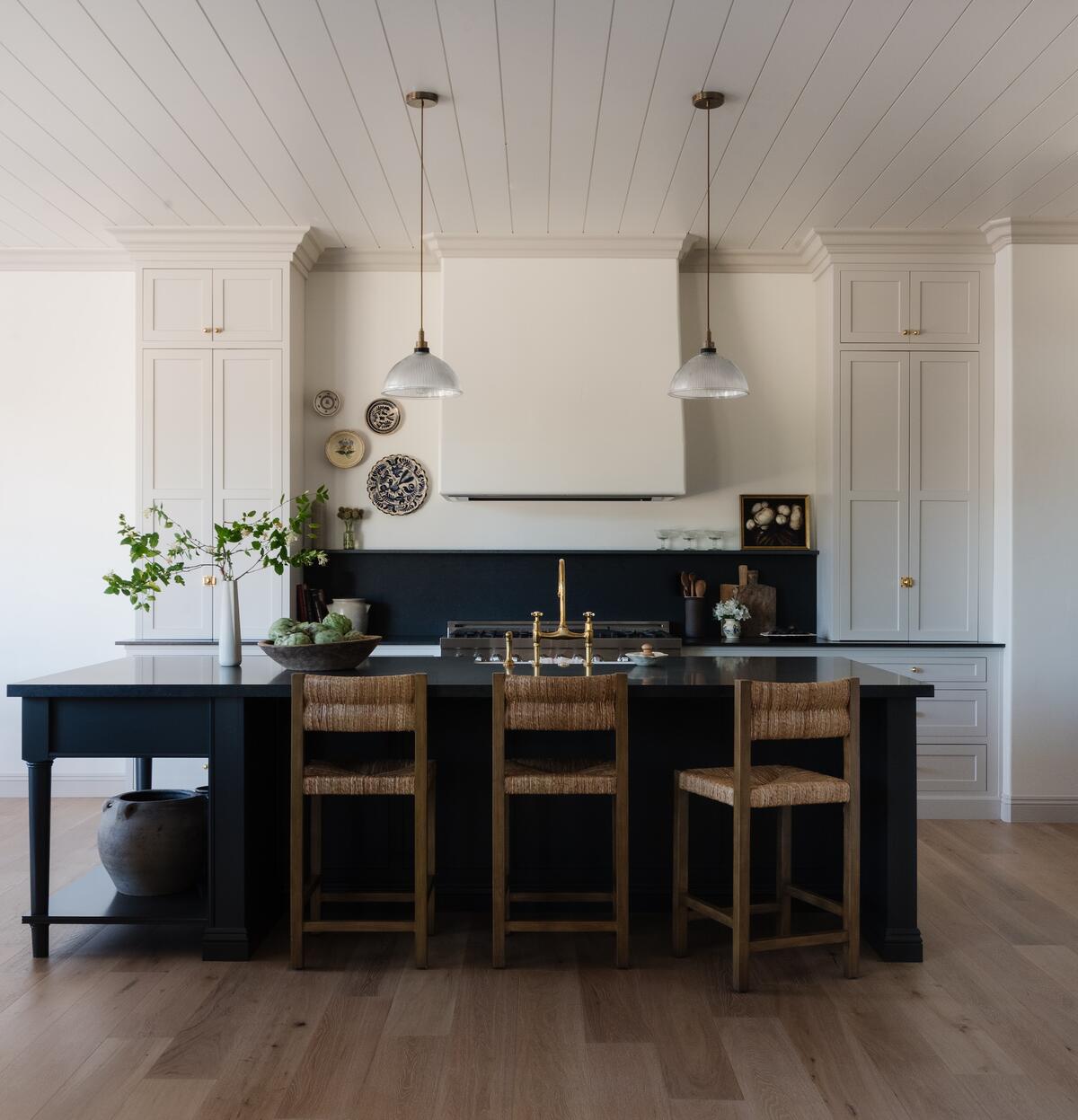
As she shared videos of her new life—cooking, sewing and working on the ranch—she caught the eye of television producers. When they learned that she had also been refurbishing the property with the help of her father, they put her in touch with three potential design clients in hopes of creating a new home renovation series following Legras as she reimagined the chosen home.
“Of course, nothing ever came of [the show],” says Legras. “But the two people that didn’t get picked were like, ‘Hey, will you still do our houses?’ So those were my first clients.”
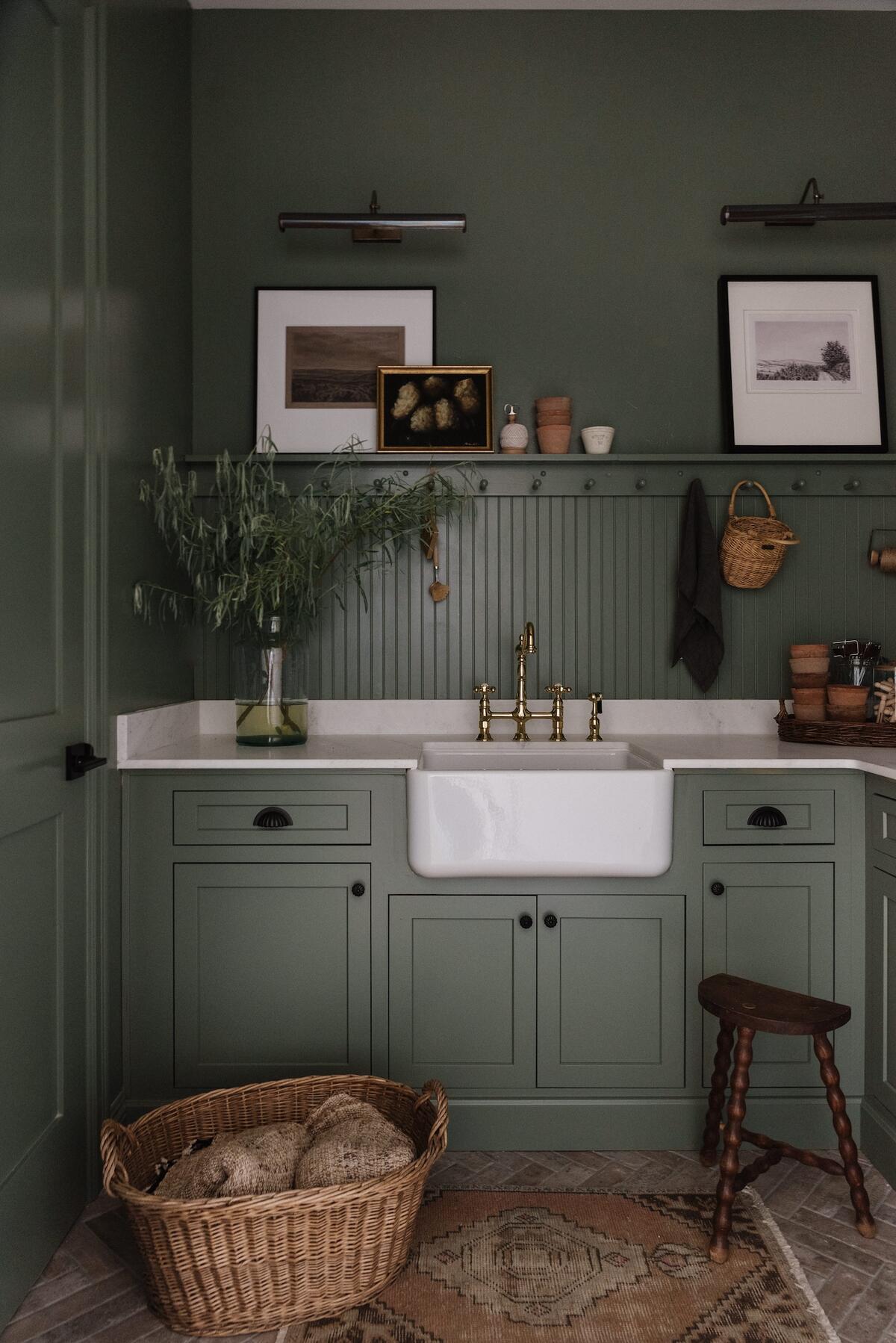
With that, the newfound designer launched Boxwood Avenue in 2019, kicking off the current phase of her career. In just a few years, the firm has blossomed into a multipronged business, with design services, a brick-and-mortar home store in Reno, Nevada, and curated luxury retreats across Europe—all anchored by her 318,000 followers on Instagram.
Ahead, the designer shares how she produces polished content, the best way to convert followers into newsletter subscribers, and how she used social media to build a luxury retreat business.
Reaching New Heights
When Legras initially launched retreat offerings—in which attendees embark on guided trips through countries like Italy and France with an itinerary curated by the designer—she knew she was making an ambitious ask of her audience.
“Convincing somebody to buy a ticket that’s not inexpensive, to travel to Europe for a week with a group of people they don’t know, requires a lot of the ‘know, like, trust factor’ that many people talk about [when it comes to] growing social media accounts,” says Legras.
To reach the level of trust that’s allowed her to host three to four retreats annually, Legras utilizes social media to create a pipeline of future attendees. First, people are introduced to her content, which tends to focus generally on design, antiques and travel—the “know” portion of the process. Then comes the “like” aspect, in which she offers followers free resources, like a guide to navigating certain European cities. Finally, trust is built in the personal stories she shares in videos, helping to show followers what it would be like to hang out and travel with the designer.
Keeping Up Correspondence
It’s no secret that Instagram’s algorithm has become a more difficult code for creators to crack in recent years, with engagement in particular posing a unique challenge. According to Legras, staying visible and posting consistently are the two biggest factors in not only gaining a spot on users’ feeds, but also converting those views into follows.
From there, she recommends circumnavigating the uncertainty of the app by bringing your audience to another piece of content, like an email newsletter. Instagram marketing programs like LinkDM make that possible: First, a creator must make a post or video showcasing a certain resource or insider tip (for example, Legras’s guide to Paris flea markets); then, in the caption, they instruct users to comment with a certain keyword—often something simple, like “Paris.” From there, the automated services send out DMs to commenters with a link to sign up for the creator’s newsletter for access.
“Stories are really where you develop connection,” says Legras. “And then through Stories and through your content, you can hopefully get them onto your email list by using LinkDM or Minichat, and really start nurturing that relationship.”
Looking the Part
Early in Legras’s blogging career at the ranch, her environment was rustic, to say the least—goats and ponies featured prominently in her content. Now that the designer operates her six-person international firm with offices in Reno and Paris, she’s cognizant of the fact that her audience may be expecting a more polished online presence.
“Maintaining a sense of professionalism while also influencing—there’s a lot of strategy behind it,” she says. “I always try to allow my personality to come through when producing educational content, but then also [make] sure that the setting and the environment is at the level of the clients we want to attract. In that way, we are connecting with clients as well as an audience. For our ideal client, I need to know that when they land on our social media page, it feels congruent with what their expectations are for who they’re going to be working with.”
The tightrope walk of creating content that’s personal and inviting without appearing too casual often comes down to the details. Legras’s videos and posts mix reports on design trends and home goods resources with personal stories and funny moments, all shot in a setting that appears on brand.
“Let’s say somebody is doing a ‘Day in the life as an interior designer’ [video,] and you’re going to design showrooms and whatnot,” she says. “It’s really important that as you’re capturing content, you’re keeping in mind if there’s a garbage truck or a garbage can in the shot. It’s really easy to miss, but [it’s important to] make sure that the composition of videos and photos is considered as you would any photo shoot.”
If you’re on the go and need to capture content in a design-centric environment, Legras suggests asking a local showroom if you can spend some time shooting videos in their space, offering their brand a shoutout in exchange. Other quick tips: Be sure to use a microphone rather than your phone’s speaker for the best sound quality, and try to dress in “outfits that capture the audience that you want to attract.”










 Withdraw Consent / Manage Privacy Preferences