









In Ask an Influencer, Business of Home explores the creator economy. This week, we spoke with Tennessee designer Lauren Sullivan.
When Lauren Sullivan enrolled in the New York School of Interior Design, she hadn’t yet let go of her first career as a pharmacist. Instead, she decided to pursue a master’s in health care design at the same time, thinking she could merge the two professions. Despite excelling in her remote coursework (and even securing the Chairman’s Award for the program), it didn’t take long to discover where her heart truly lay: in the world of residential design.
After completing a few more courses remotely from her home in eastern Tennessee, Sullivan began offering virtual residential design services. In 2020, she and her husband purchased their own home, and began documenting the process of furnishing the property on social media, where her audience steadily began to build. During that project, she recalled a design adventure she’d had at 8 years old: scoring an armoire for just $200 while antique shopping with her grandmother, which her parents ended up converting into an entertainment system for her middle school bedroom. The memory helped her make sense of what her new home was missing—antique and vintage pieces. Luckily for her, that insight was also what clinched the deal for her newfound online following.
“I started sharing a lot about the antiques I was buying, and people were always like, ‘Where did you find that? How did you find that?’” says Sullivan. “I realized, ‘Wait a minute, I [like doing] design work, but my true love is the hunt of it all.’”
That passion not only translated into her unique social media presence and faithful audience—now numbering 11,600 on Instagram—but also spreads in Vogue Living and Homes & Gardens, and her proudest accomplishment to date: the launch of Well Found, her online shop stocked with European antiques she sourced herself.
Ahead, the designer shares how her home functions as a marketing tool for her online shop, why she takes a hybrid approach to outsourcing content creation, and her subtle strategy for monetizing content.
Living Proof
For Sullivan, launching an online shop was the right move for several reasons. She already had a built-in audience to share her antique finds with—and one that was following along specifically because they trusted her taste in design. “Social media has been great because people were invested in my home to begin with, and they knew about all these antiques that I was purchasing, so they trusted what I would source, because I always said [the items in my shop] would never be something that I wouldn’t use in my own home.”

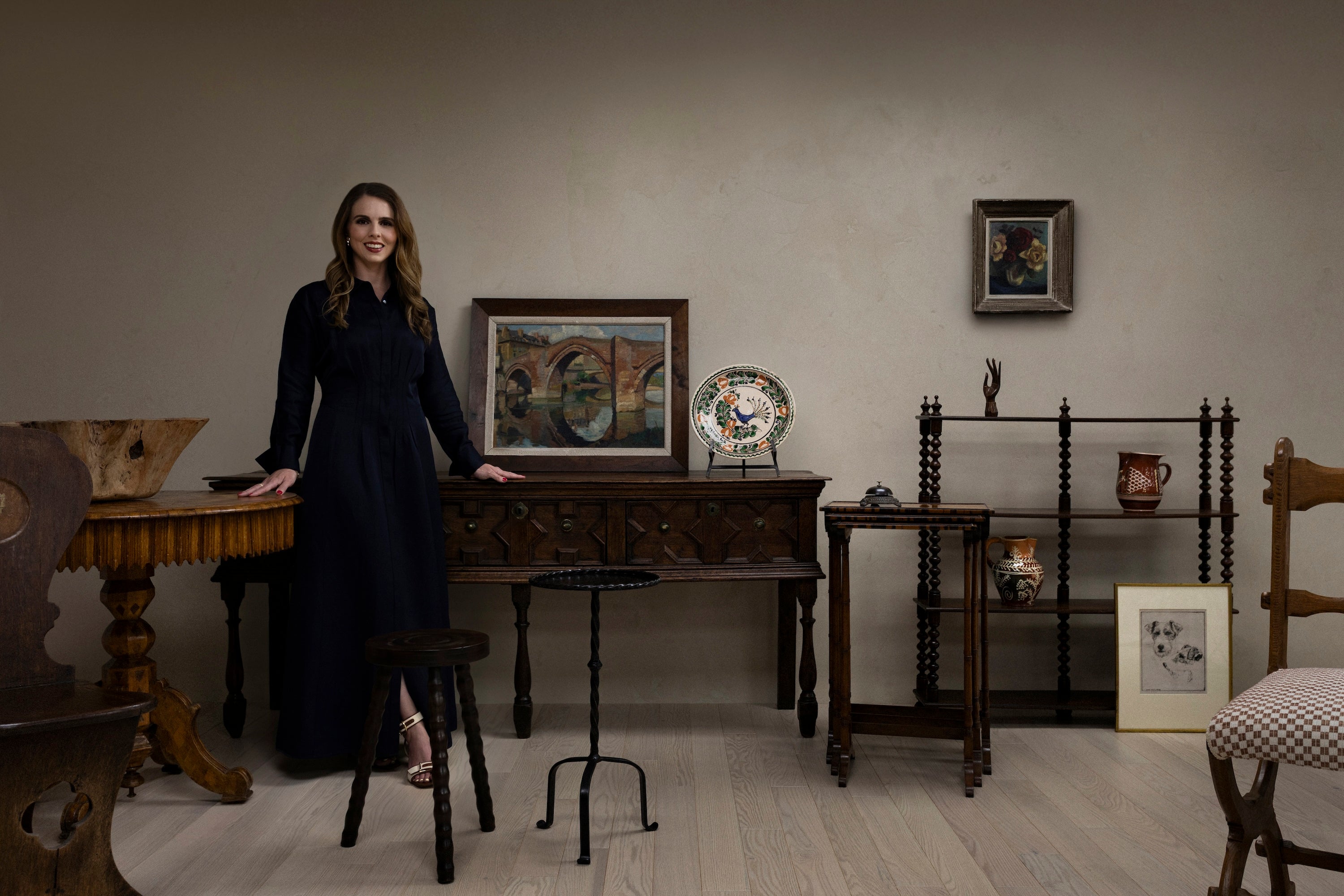
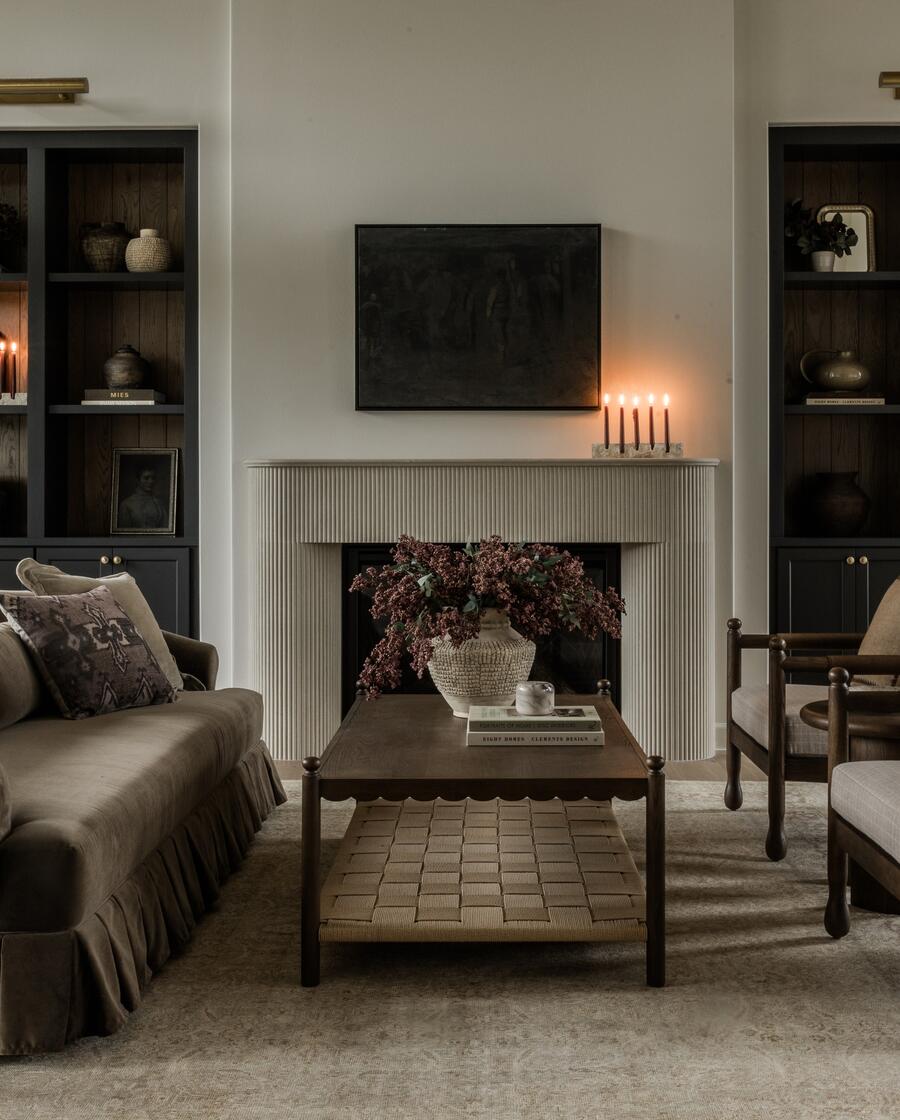
From a logistical standpoint, she also had a built-in marketing studio for the promotion of her shop’s products: her home. “The biggest thing with social media is that they’ve seen a lot of these pieces styled in my own home,” she says.
Sullivan took it a step further when she set up a makeshift photography space in her basement, installing a plaster wall to provide a neutral backdrop for product shots. Since her buyers are primarily sourcing the items online, the idea is to provide them with as much information and photography as possible in order to help them feel comfortable placing an order.
“It all goes back to my home,” she says. “I could have outsourced [the styling and photography], but it was really important for me to be able to know how to do it and not have to rely on someone else.”
A Hybrid Outsourcing Approach
While she outsources some aspects of social media to an outside consultant, she’s careful to never entirely pass off the process. Anytime the designer travels or captures new photos or videos, she immediately uploads her content to a shared Google Drive, which contains years of archival photos (including from the construction of her home) that allow ample opportunity for before-and-afters, along with custom branding established at the beginning of the collaboration. Though her consultant creates a set amount of Instagram reels and Pinterest pins each month, Sullivan plays a consistent role in the process, handling captions, making adjustments to submitted content and sprinkling in some self-produced posts along the way.
“The hybrid approach that we have with my social media content creation people has worked well for us,” she says. “I would not have time to do social media if I didn’t have help, because I’m the kind of person that will lament over things like, ‘Should that be a period or a comma?’ Having someone that gets things created without obsessing over every single little detail is very helpful for me.”
While some of the video content was shot by professionals, other clips were taken by Sullivan herself—and it’s often hard to tell the difference between the two. To that end, the designer employs a few lesser-known features to sharpen her iPhone videography skills, including employing cinematic mode for videos (“the key is that you have to move really steady but slowly”), portrait mode for still photos, and grid lines to line up shots and ensure a balanced composition.
“I think a lot of times, if you don’t play a role in it, then other people make it sound like they want it to sound,” she says. “So I think it’s really important for you to have a hand in your own social media.”
Easing Into Content Monetization
As Sullivan’s audience has grown, she’s taken a thoughtful approach to monetizing her following. Along with launching Well Found and offering virtual design services through her Well by Design brand, she sought out subtle ways to introduce new revenue streams via social media without filling her feed with sponsored posts and ads. One approach is a shoppable PDF with sourcing information from her own home (which she will soon make available for purchase on her site); another includes sharing a roundup of favorite online finds in a monthly newsletter, which includes affiliate links for each selection.
“It’s great because those affiliate links are embedded so naturally into our website that it looks like a flawless click-and-go to whatever page,” says Sullivan. “It’s been a great way to do affiliate links without cranking them out all day on social media.”
While she plans to introduce brand partnerships and affiliate links more directly into her social media presence as her audience grows, she’s committed to taking a varied approach in order to maintain trust with her community. “I’m more into letting them live on my website and in my newsletter and in my shop, and then of course I link to all those places [in my bio] on Instagram,” she says. “I don’t necessarily love being bombarded with links all day myself, so if I’m sharing something, I want people to feel like, ‘It must be really important to her—she must really love it.’”







 Withdraw Consent / Manage Privacy Preferences