













In Business of Home’s series Shop Talk, we chat with owners of home furnishings stores across the country to hear about their hard-won lessons and challenges, big and small. This week, we spoke with Lauren Sullivan of the antiques and design platform Well x Design and its e-commerce extension, Well Found.
When most home retailers chat in Shop Talk, the phase of operating from their garage, spare bedroom, or a corner of someone else’s warehouse is firmly in the rearview mirror. But Sullivan is happy to be running her antiques business entirely from her basement, which includes a makeshift photo studio for her products comprising a plaster wall and wooden “stage.” She’s determined to keep her inventory small, curated and exciting for customers, resisting the urge to scale or grow, and preferring to handle nearly every step of the process herself, from sourcing to shipping.
Ahead, the Tennessee-based designer explains her approach, as well as how she engenders trust with customers spending thousands on pieces they haven’t seen in person, the heartbreaking risks of shipping, and the European destination she’s dreaming of sourcing from next.
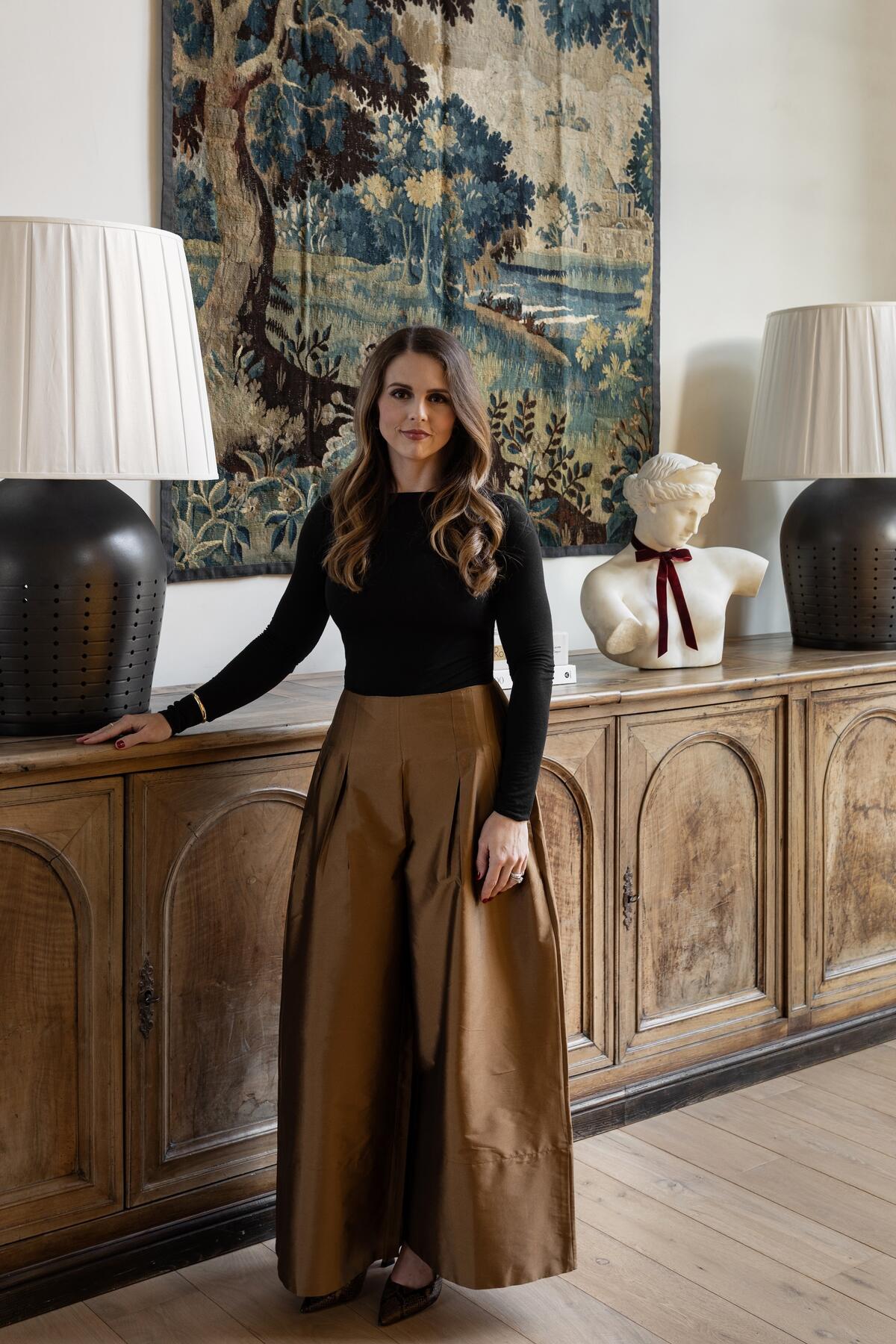
What is your career background?
I was a pharmacist—and am still a pharmacist, though I don’t practice anymore—and then, from 2016 to 2018, I went to the New York School of Interior Design and earned a degree in healthcare design. I knew that I was not fulfilled, career-wise, as a pharmacist, and I’d always loved design, so I thought: Let’s mix my backgrounds and see if they mesh. I learned so much that I still carry with me. NYSID is just unbelievable. I started doing some virtual design work because I wanted to be able to work remotely from anywhere, which is why I founded Well x Design in late 2019. Then we started building our home, which took over four years to complete. During that time, I sourced a lot of vintage and antique pieces, and people on social media would be like, “Where did you get that? How did you find that?” It clicked, because I realized that while I love design, working with clients can be challenging. And I’ve always loved sourcing—I bought my first antique with my grandmother when I was 9 years old, for $200 of birthday money. It was an armoire we converted into an entertainment center for my bedroom, and I still have it! So I’ve loved vintage from a young age, though I may not have realized it at the time.
That’s where the idea for Well Found came from. We went on our first sourcing trip, to England, in the fall of 2024, and I’m still releasing pieces from that trip. I have a second drop, from a trip to Italy last summer, that is planned for this summer, and then I have a trip to France coming in the fall. We’re in Volume I now; Volume II will be Italy, Volume III will be France, and so on.
So you do not have a brick-and-mortar location?
I do not, and as of now, I don’t plan to. I never want to be an antique store with hundreds of items in inventory. I prefer to keep it very manageable and highly edited. Everything that I ship over, I store in our finished basement. I have a thermometer and humidity indicator, and I don’t have to rent storage or have a warehouse and wonder if its conditions are up to my standards. Everything is nice and safe and clean. My little photography studio is in the basement as well, with a plaster wall backdrop and a wood-floor stage, and I do all the photography myself. It’s all in-house. I like being involved in every touchpoint, from sourcing to photography to listing and shipping. As time goes on, I think a challenge of scaling will be how I manage some of that, because I do like to be so involved.
Are you working with any staff or help right now?
I have someone who helps manage my social media as far as content goes, but for email and marketing, I wear all the hats. And I do have PR [representation].
Why invest in social media and PR?
They’re not things I enjoy doing at all. I would spend hours tweaking something for Instagram and I felt like that was just a waste of my time. Outsourcing made a lot of sense for me. Now, as far as posting and replying and the actual day-to-day stuff, that’s all me, but some of the content is created on a monthly basis, and that takes a lot off my plate. PR is extremely valuable; a lot of what happened with Well Found was through our home being discovered in Vogue Living and Homes & Gardens and Homeworthy. Those publications put the house, and Well Found, in front of a lot of eyes.
Would you say you have a specific antiques style or aesthetic?
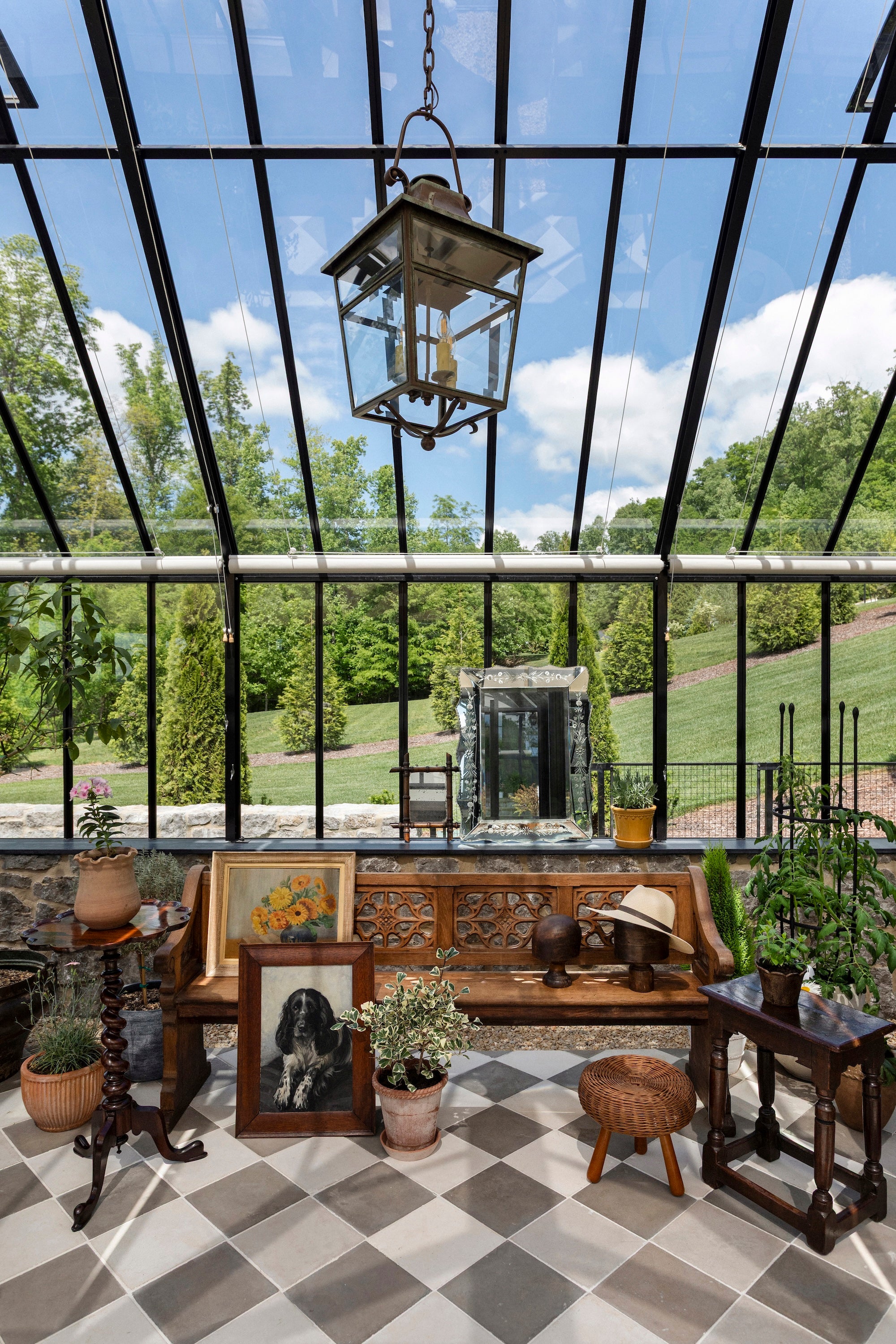
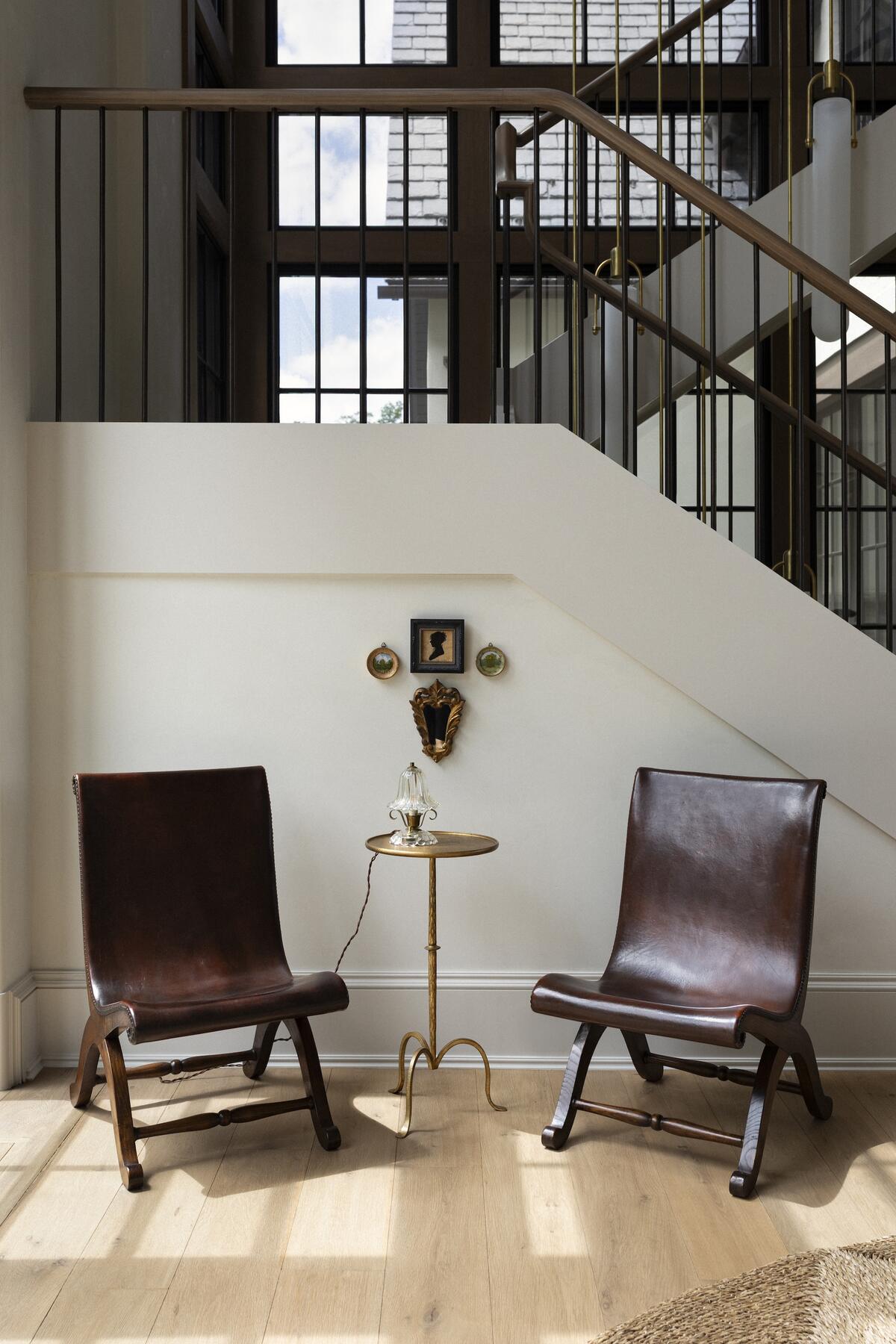
Anything that makes me pause. I do have a very eclectic style; I don’t just gravitate toward English antiques or French antiques. I try not to source anything that I would not put in my own home. I also try to mix eras heavily. My style is mixing old with new and the tension that a heavily patinated piece brings against new construction, or taking very intricate architectural detail, like some of the millwork or plaster spaces in our home, but then setting something very rich and timeworn against that. If you don’t have vintage and antique pieces in a new home, it doesn’t have much soul.
How are customers finding you?
There are a few from Instagram, but honestly, a lot of them find me through Google and Pinterest. I think the Google results are from publications and the Homeworthy tour, because a lot of people, for whatever reason, seem to enjoy our Homeworthy tour.
Tell me about the shipping aspect of your operation—it seems like an exhausting element for small businesses.
That’s another challenge for me: the anxiety of shipping something fragile and valuable into the world. I really feel like it’s my little baby; I feel such a responsibility in that way. I am very thankful for the third-party shippers because I wouldn’t be able to do it without them. When you’re so heavily involved from the very beginning—sourcing, shipping, bringing it into the basement—it’s very stressful to ship the item out.
I have a lot of acknowledgements that have to be [accepted] before you make a purchase. I think a lot of times, people want really pristine antiques or vintage pieces, but patina is not a flaw. The people who get that love pieces showing character, but a lot also want things in fabulous shape. I try to buy things that don’t need a lot of restoration, but I’ve had my refinishers condition some wood on a chair to make sure the joints are solid, or I’ve reupholstered a few. But for the most part I try not to mess with the integrity. I think that can do more harm than good sometimes.
Is there a certain type of item or category that flies out the door for you?
I’ve noticed that mirrors and artwork seem to move. And I’ve been surprised by the bigger pieces; I’ve sold a console that I fell in love with the first time I saw it, in the Cotswolds, and it is very old. When someone in a different state or across the country buys something without seeing it, the trust component is very important. I try to have really thorough descriptions, because you can see the gamut with antique listings online. If people are willing to purchase or not is all about trust. All antiques and vintage items are looking for the right buyer. None of my inventory I expect to fly off the shelves, because I think it’s nuanced. It’s being patient for the right buyer to come along.
What about your own favorite category?
I love artwork. I love a mirror, but it’s challenging to ship, so I have to try to control myself on mirrors. I love a side table. I actually have a really neat coffee table that I’m getting ready to drop, in wood and iron. I absolutely love vintage and antique lighting. I like silver, and have some interesting silver pieces online right now. There’s a hall chair from the early 1900s with a carved floral design on the back. That’s one of my favorite pieces right now because you can’t find another one. I just like anything unusual that you can’t find anywhere else.
Tell me more about this volume drop concept. Why did you want to handle it this way?
Really just because I knew I’d be sourcing based on location. For me, it’s also much more manageable than just throwing it online and being like, “Here it all is.” Plus, each volume is going to obviously have a bit more of its own look.
So it wasn’t necessarily a marketing choice, to drum up interest?
It did play into it a bit! The anticipation of the drops does play into it.
Have you felt a push from outside, from others, to build faster? How and why do you want to resist that?
Yes, because in retail things are very mass-driven. Very launch date–oriented. Because I’m doing everything as almost a one-woman show, I don’t let this run me—I run it. Yes, there has been pressure to have more drops, more dates set firmly on a calendar. When you’ve got all this stuff coming in, and you don’t know the logistics for sure, with tariffs and all the crazy shipping things in the world, it’s fluctuating more than what mass retail is accustomed to. It’s just for my sanity; I think it’s nice to be able to manage it on a much smaller scale. When people come to the website, they know they’re not going to have to scroll through a thousand antiques to find something.
Are there areas where you would like to grow, or aspects you’re interested in pursuing next?
I would love to do a few collaborations. I offer a trade discount, but I think getting a more formal trade program in place, with an account they can log in to and all the formalities, might be nice in the future. I would love to do more sourcing trips, but I don’t want to outpace what inventory I can hold and manage. I would love to go to the Netherlands to source. I love their pieces, and have a lot of them in my own home.
What’s your favorite day at work?
When I have a collection go live, because there’s so much work that’s gone into it. I can finally relax and be happy that the pieces are out in the world.






 Withdraw Consent / Manage Privacy Preferences