














Wayfair is finally getting its act together.
In reporting strong second-quarter revenue on Tuesday, the giant (mainly) online home furnishings retailer is bucking the trend that has been weighing down most of the sector for the past three years.
Granted, those higher sales dollars have not yet trickled down to the bottom line, but by so many other metrics, Wayfair is getting ever closer to the promised land its founders have been dangling in front of investors for years: profitability.
This time around, the good news was impressive. Year-over-year sales were up 7.5 percent to $3.5 billion, beating analyst estimates. The brand’s active-customer count—a critical number as it shows that Wayfair is not just growing revenues through price increases but it is attracting new shoppers as well—was up by 700,000 versus last year, to 21.7 million customers. Operating margins ticked up from 0.5 percent to 3 percent year over year, and free cash flow nearly tripled compared to last quarter, from $106 million to $301 million.
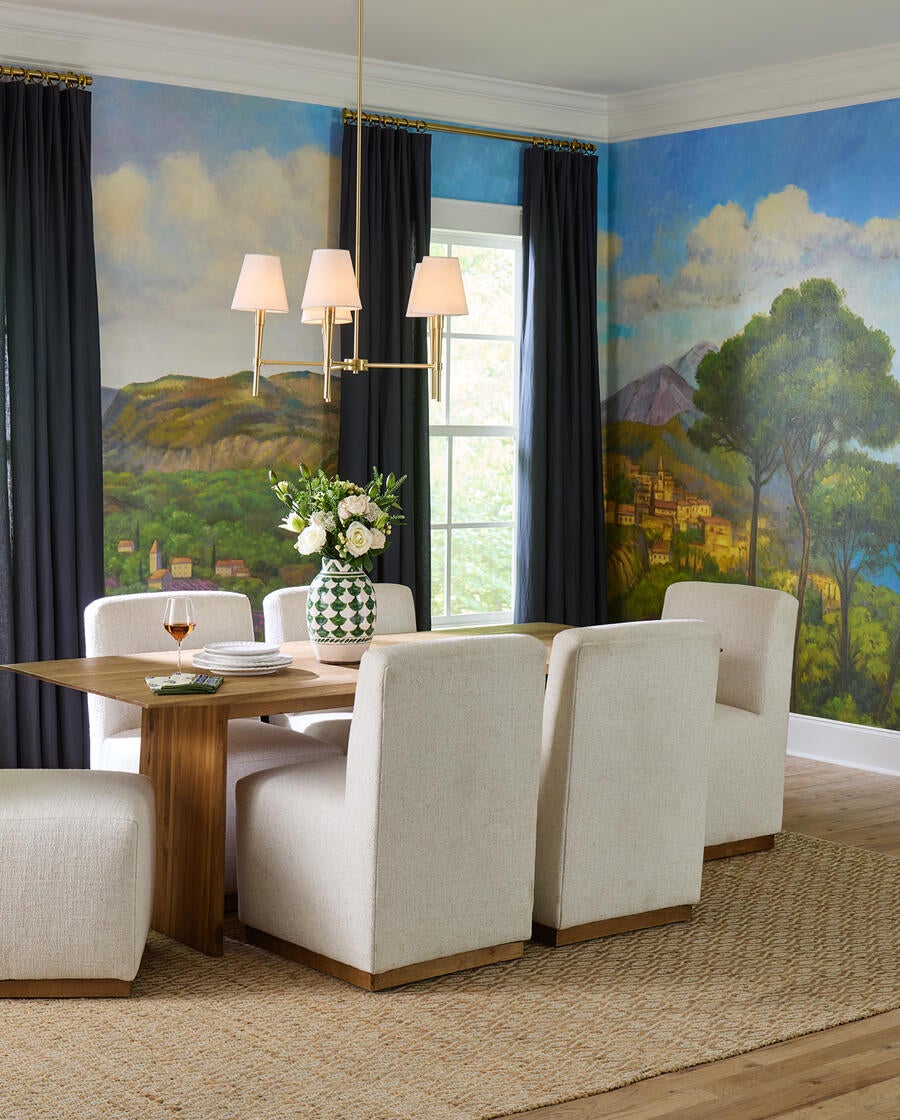
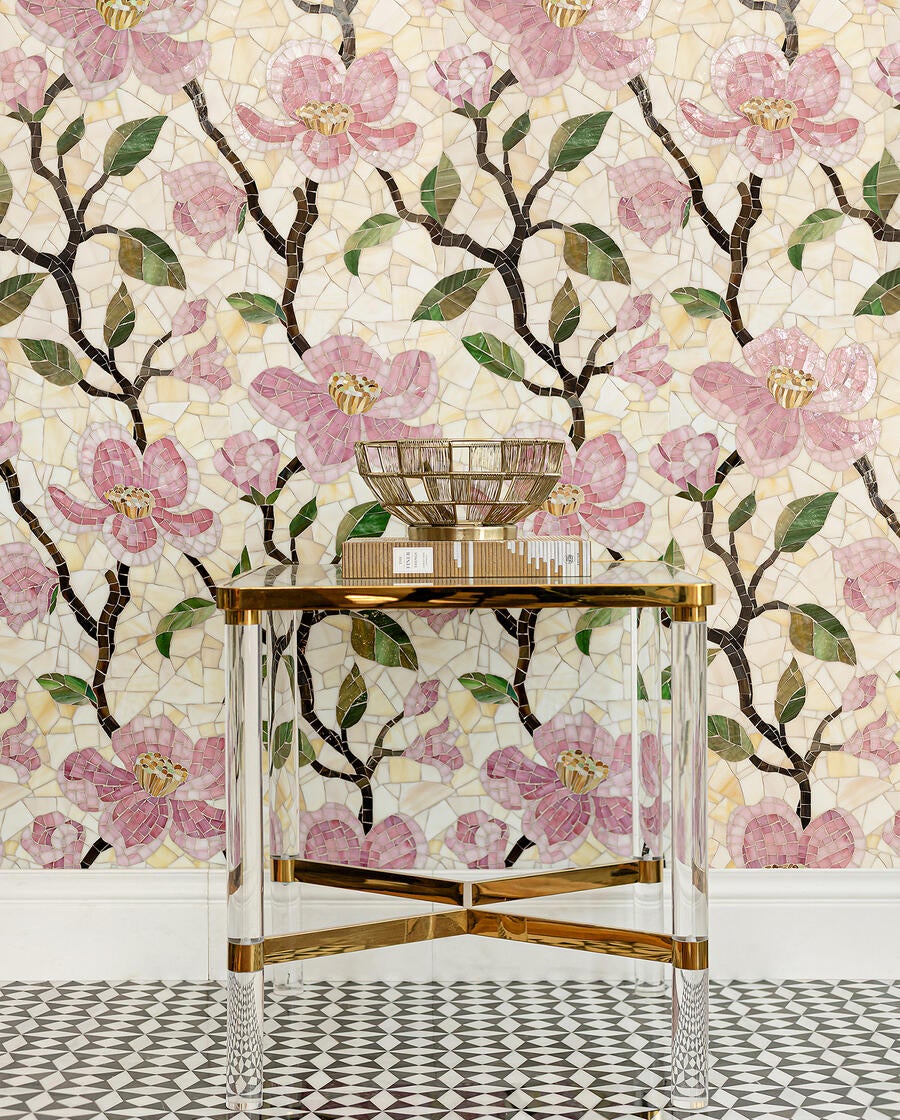
Perhaps most intriguing was the news that the retailer’s higher-end subsidiary brand, Perigold, saw a 35 percent increase in sales for the period. While this is probably Wayfair’s lowest-earning brand by volume—unverifiable since the company doesn’t generally break out sales by nameplate—the jump seems to reflect the opening of its first stores last year and the relative resilience of the upper-tier market.
The only tarnish on the numbers appeared on the bottom line. While some earnings beat analyst estimates (including adjusted EBITDA and earnings per share), the Q2 balance sheet still showed a net loss of $1 million.
“Revenue growth in the U.S. was the best we’ve seen in the entire post-Covid period, … continuing the high-single-digit share spread we’ve held since last fall,” Wayfair CEO, co-founder and co-chairman Niraj Shah said in the earnings statement. “We saw noteworthy outperformance from our specialty retail brands, which grew by nearly 20 percent in the second quarter, and Perigold, which grew by more than 35 percent.”
Wall Street liked what it heard, driving up Wayfair’s share price 29 percent in the hours after the news broke on Tuesday; a day later, it was still up around 19 percent to nearly $110, its highest level since January and almost double its mid-May free fall. Compare that showing to April of last year, when the price was barely $26 a share.
All of this good news raises the obvious question: How did the brand do it? Aside from the Perigold business, Wayfair’s metrics showed positive growth year over year nearly across the board: Net revenue per active customer totaled $596 and was up 4.2 percent; repeat-customer orders were up 4.9 percent; and average order value was up to $332 from $328. In an interview with CNBC, Wayfair finance chief Kate Gulliver noted that the company has picked up market share from traditional furniture retailers, capitalizing on shuttered and struggling local stores.
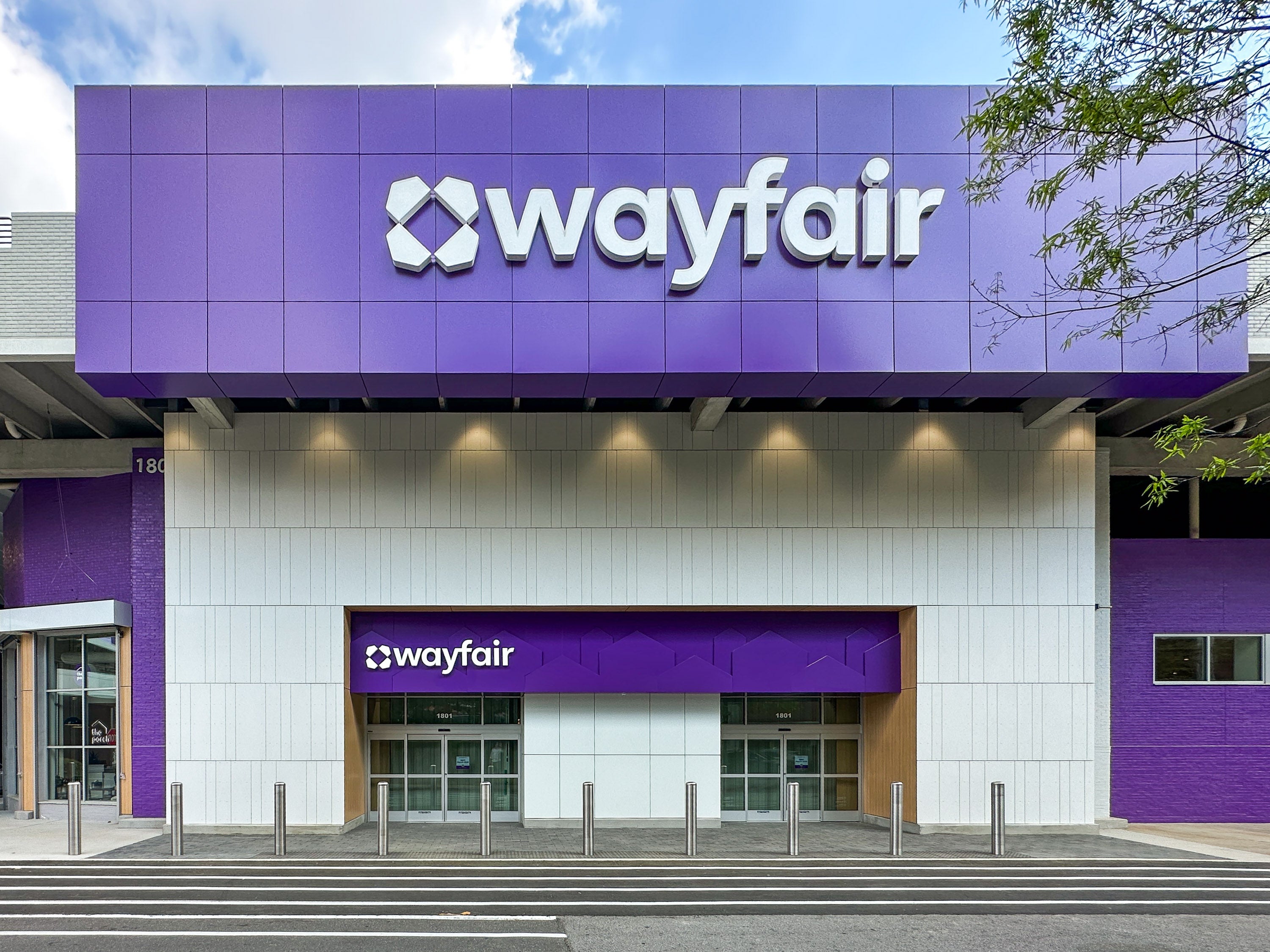
These numbers also reflect the ongoing rollout of physical stores that Wayfair began in 2024, and the fact that its online business from the areas around those stores is higher, signaling greater awareness of the brand. Right now, it operates three large-format stores, in Chicagoland, Atlanta, and Columbus, Ohio, as well as a number of smaller outlets for its specialty brands like Perigold and AllModern. Over the next year, Wayfair plans to increase that count with new large-format locations in Denver; Westchester, New York; Fort Lauderdale, Florida; Cincinnati; and Princeton, New Jersey. Just this week it announced the ninth addition to that lineup with a Pittsburgh store coming next year.
Shah has consistently been optimistic about his company’s prospects even when others weren’t, insisting that Wayfair was suffering from the post-pandemic pall that has engulfed the entire home furnishings sector. And on the call, he said there’s more to come: “We are excited to see ramping growth in the Wayfair business and complementing that with outsized growth from our specialty and luxury brands, all building to why we expect to see even further acceleration as our numerous initiatives play out.”
Wayfair has lost money for most of its existence, except for a short blip during the heady days of the pandemic’s home furnishings feeding frenzy. It is now starting to check off more boxes with black ink rather than red, quieting the critics who wondered if it would ever be successful. Some of them may need to shop for some new flatware at Wayfair so they can eat their words.
____________
Warren Shoulberg is the former editor in chief for several leading B2B publications. He has been a guest lecturer at the Columbia University Graduate School of Business; received honors from the International Furnishings and Design Association and the Fashion Institute of Technology; and been cited by The Wall Street Journal, The New York Times, The Washington Post, CNN and other media as a leading industry expert. His Retail Watch columns offer deep industry insights on major markets and product categories.









 Withdraw Consent / Manage Privacy Preferences