















Born and raised in Lille, France, Marion Leporcq worked in construction and real estate for nearly 15 years, taking on projects commissioned by the French government. But on the side, she was cultivating her personal passions. “I built my own ‘cabinet of curiosities’ and developed my own architectural, cultural and literary references,” she tells Business of Home. Among those touchstones were an interest in the life and legacy of Marie Antoinette; an appreciation for the museums and architecture of Paris, where she lived for 20 years; and eventually, a love of Desvres faience, the colorful, ceramic style. It was after a visit to a former faience factory that Leporcq chose to abandon her career and take up a new one. “I decided to reinvent myself professionally to revive a local craft I am deeply passionate about, a traditional French art that had almost disappeared,” she says.
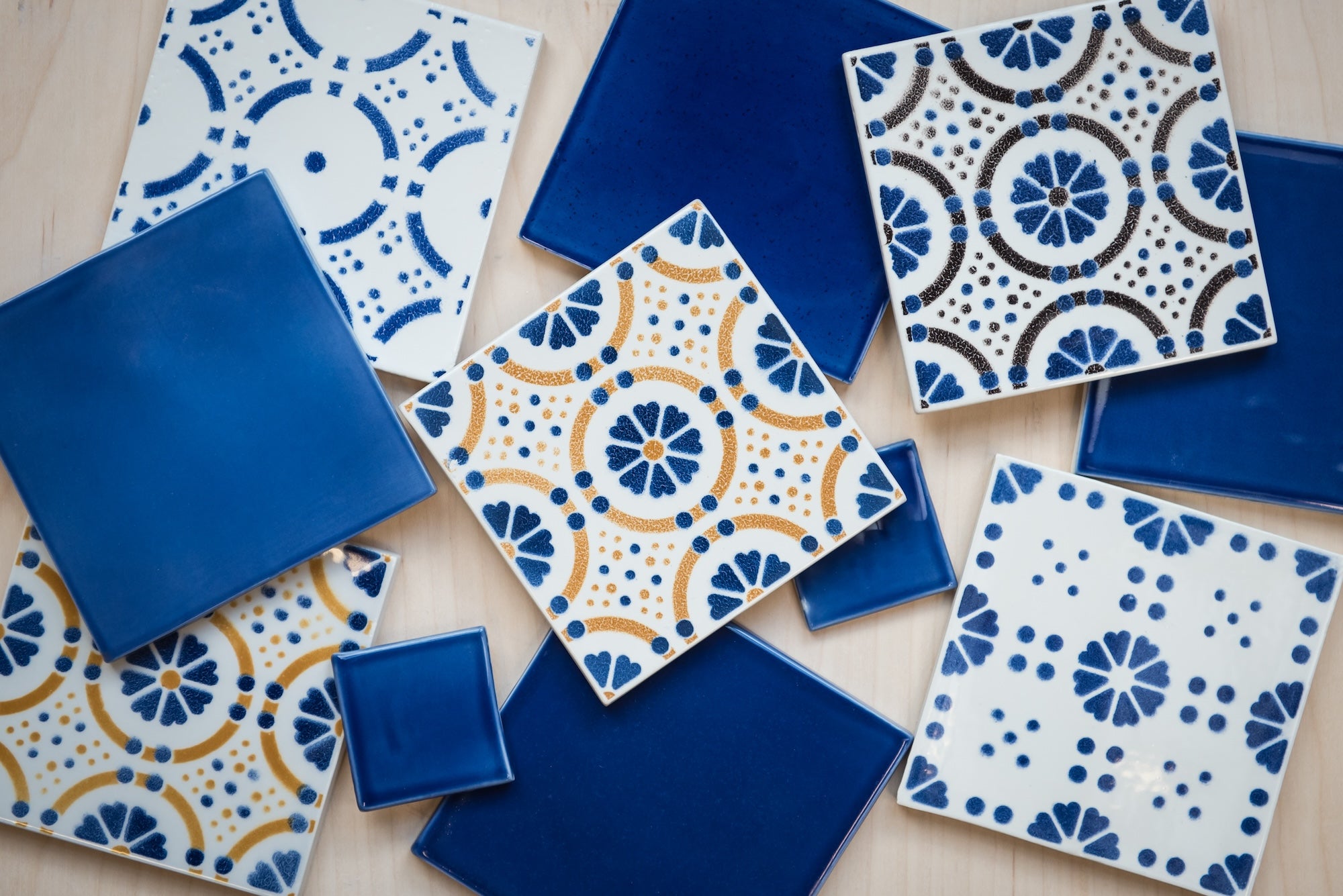
Originating in its namesake northern French town, Desvres faience is a form of French faience, a type of earthenware ceramic, that dates back to the 18th century. The regional variety is known for its detailed, nature-inspired patterns, which frequently feature flowers, birds and animals, as well as historical and mythological scenes, often using the color blue. “Desvres was once a major center of French faience and decorative arts excellence. Its ceramics were exported as far as the United States, and up to four factories employed hundreds of people in the village. Sadly, this trade was slowly dying out,” Leporcq explains. “I trained in ceramic techniques locally and launched my project in 2023, setting up an atelier where I restarted everything from scratch, designing and producing each piece entirely by hand.” She runs her studio, Des Rêves—loosely translated as “Some Dreams,” and a play on the place name—with the goal of preserving and modernizing the craft while working with the local community and creating bespoke tiles and tableware collections.
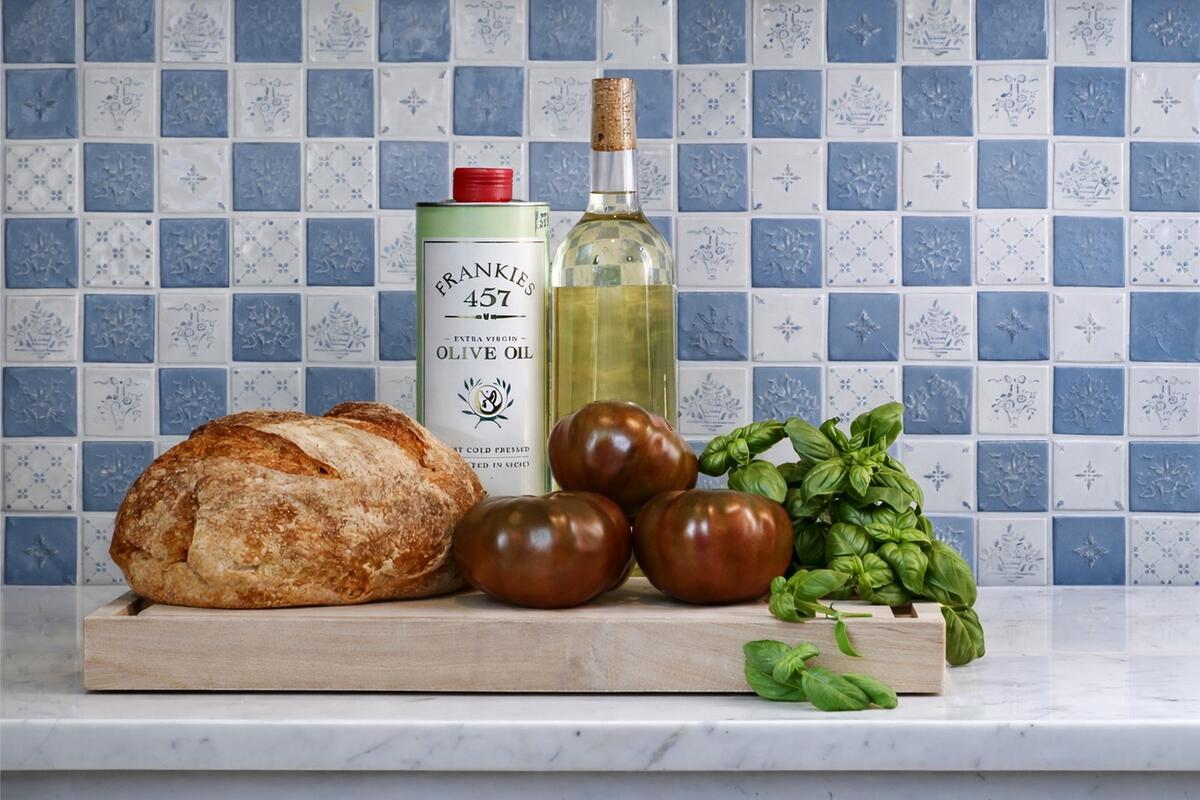
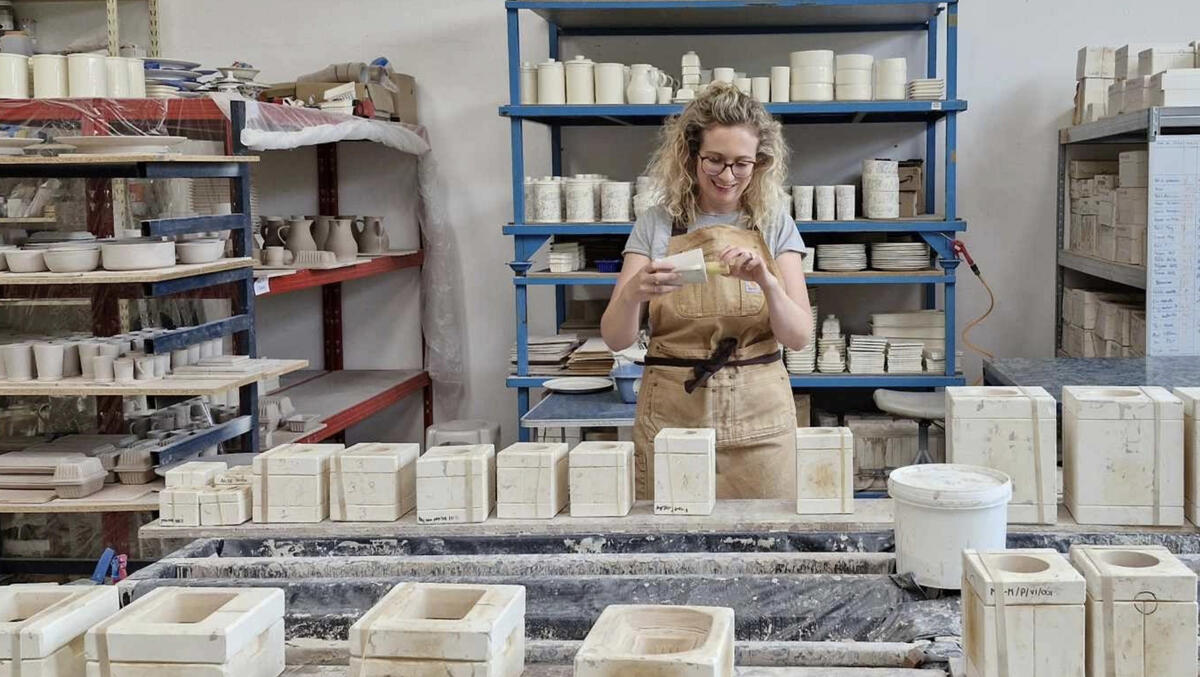
Each item begins with a prototype; liquid clay is then poured into plaster molds and baked before being hand-glazed and decorated—a process that takes around five weeks. For the studio’s main offerings, Leporcq researches historical patterns from the 18th and 19th centuries before choosing a motif to reinterpret, then works with her team to adapt it into a product. For custom commissioned work, she collaborates with the client to understand their cultural and artistic sensibilities. A recent project for Nashville, Tennessee–based designer Robin Patton began with a request to transfer the washed-blue color of a fabric swatch onto historical, hand-painted Desvres tiles. “We undertook extensive color research to reproduce this exact shade in glaze,” says Leporcq. “This exceptional bespoke work represents both our greatest challenges and our most meaningful rewards. Creating unique pieces that belong to one universe, one interior, one client only, brings us immense satisfaction. I believe this is our true purpose and what justifies preserving this craft.”
Looking ahead, Des Rêves is receiving more and more orders for exterior facade tiles, murals and house signage, and has a new tableware collection launching this year. Designers in the U.S. can purchase the pieces online, as well as through a small retail presence at Birdie, on Nantucket, and Housewarmings, in Old Greenwich, Connecticut. “We are a small, human-scale company that proudly works by hand with care and love, using traditional methods. We carry forward centuries of know-how that precede us,” she says. “Success, to me, means sharing these values with our clients and being able, in turn, to pass these skills on to a new generation.”



 Withdraw Consent / Manage Privacy Preferences