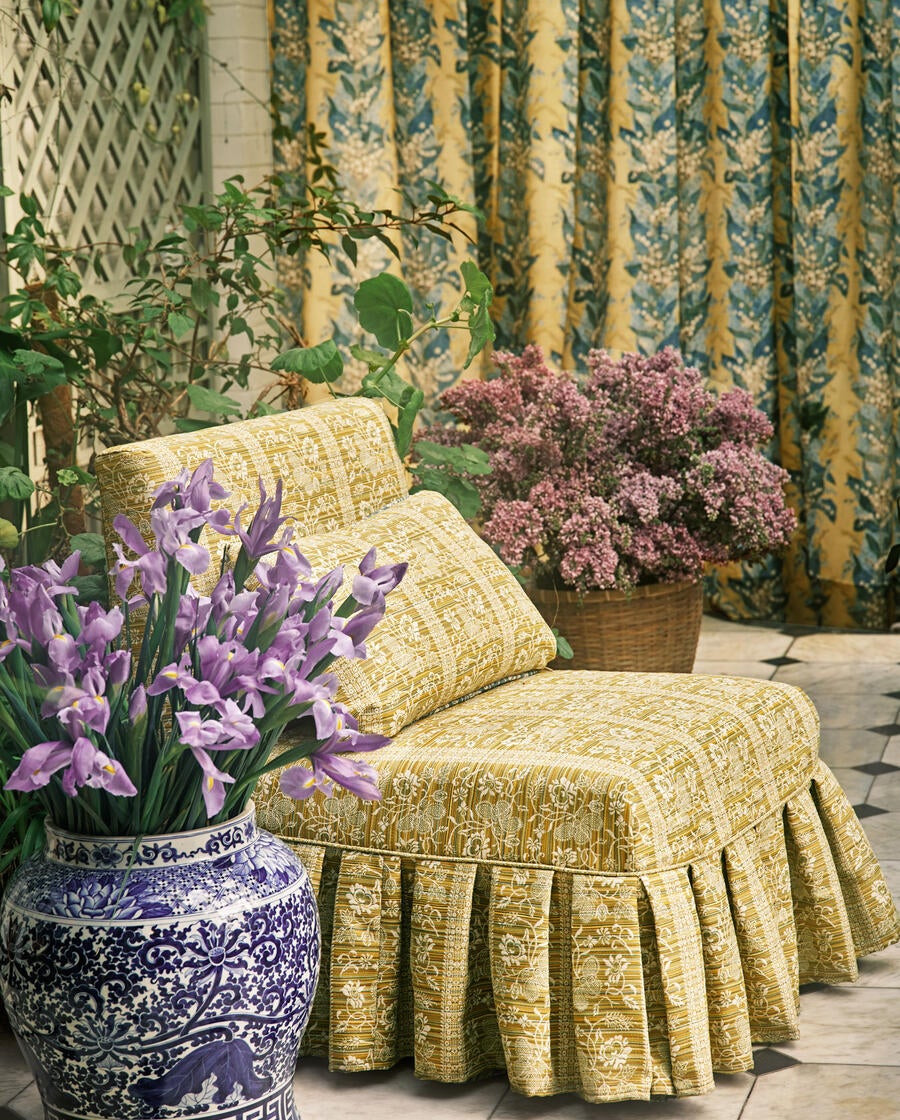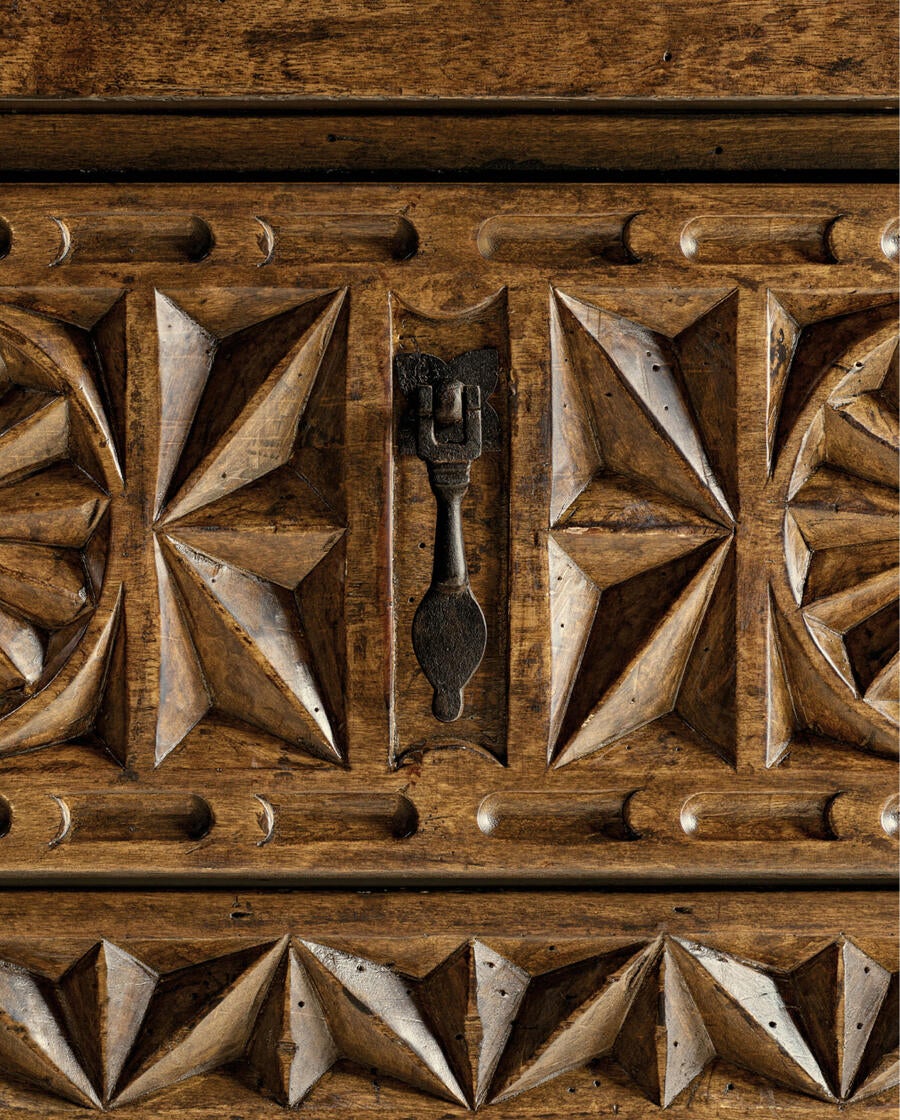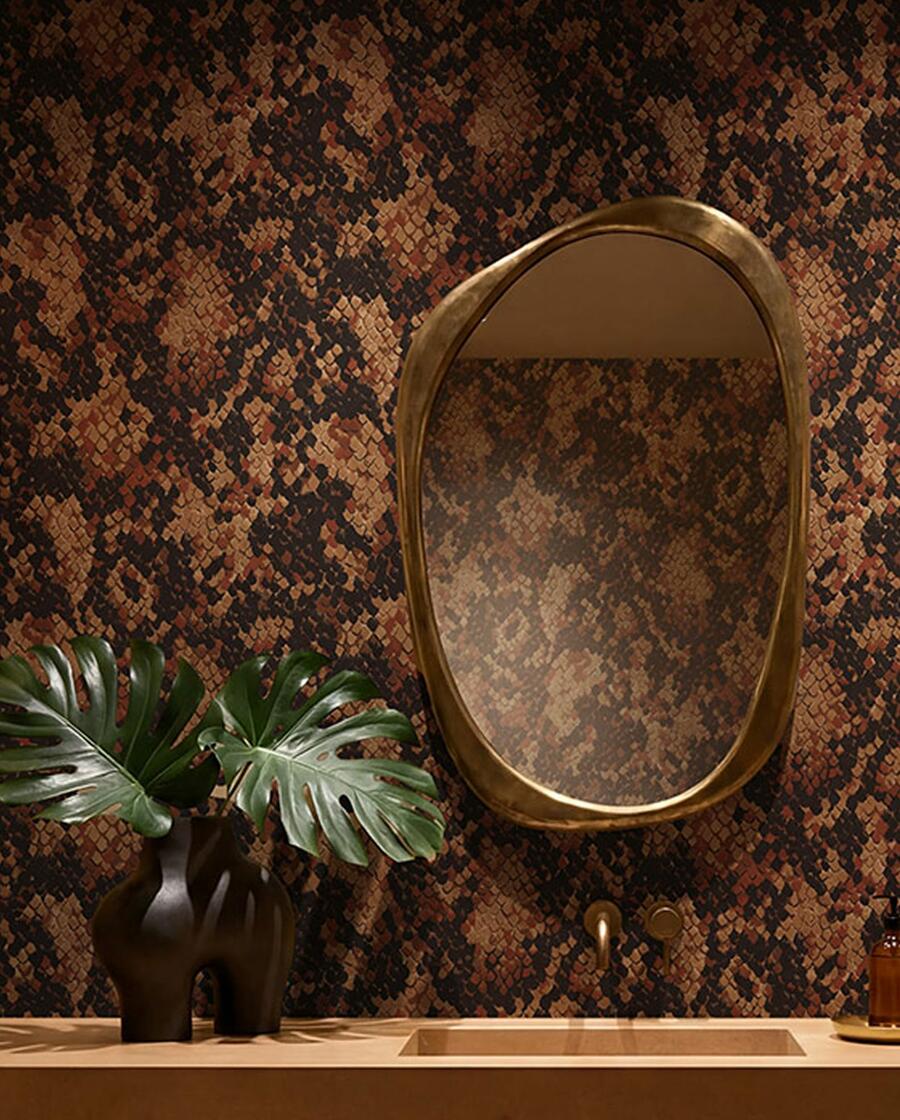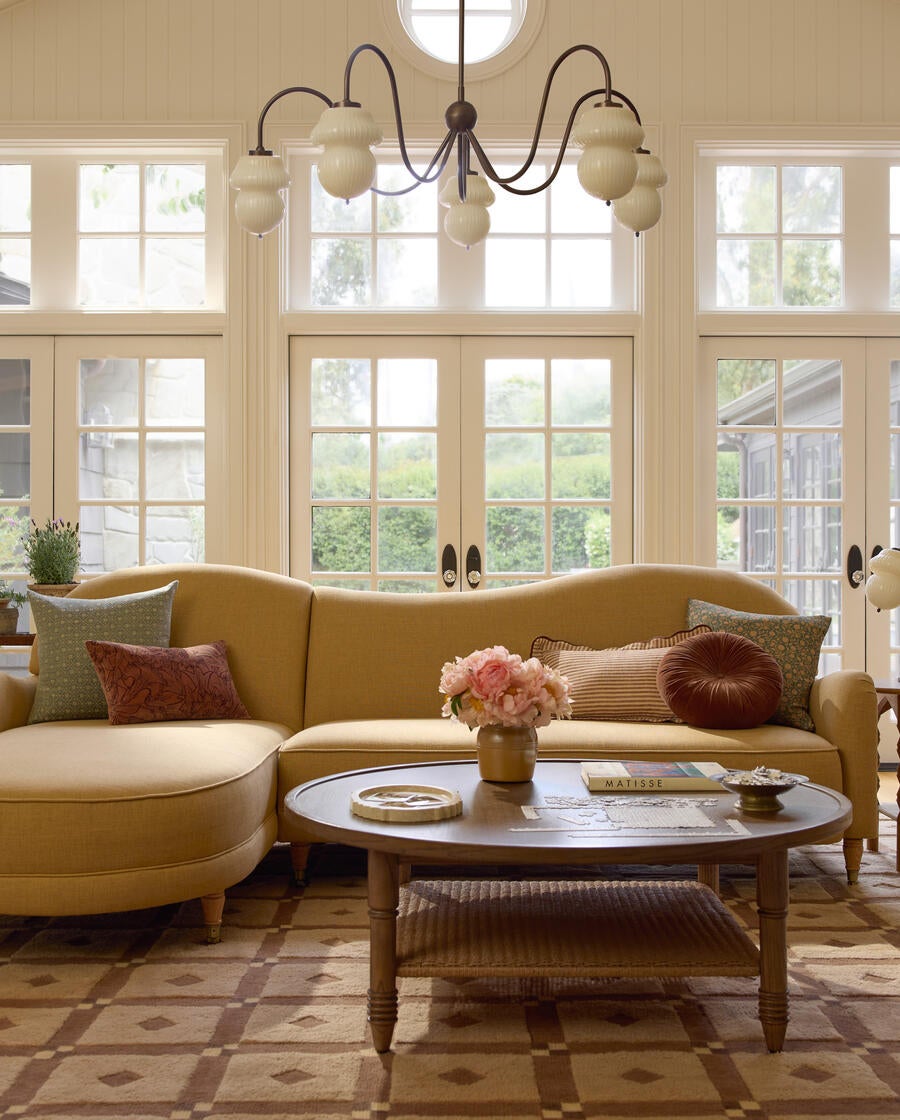








When Arthur Lasenby Liberty was refused a pay raise from his boss at a cloak-and-shawl emporium on London’s Regent Street some 151 years ago, he quit and borrowed 2,000 pounds from his future father-in-law to open a store down the road. It turned out to be a momentous decision. At its start, the shop, Liberty & Co., sold textiles and objects from its founder’s global travels and fielded an in-house interior design team. It was an instant hit with tastemakers of the era. “Oscar Wilde called Liberty the destination of the artistic shopper,” Genevieve Bennett, head of design for Liberty Interiors, tells host Dennis Scully on the latest episode of The Business of Home Podcast. “I don’t think there was really anywhere quite like it that you could go and experience this amazing mix of antiques and innovation and beautiful products—furniture, glassware, pewter wear, jewelry, wallpapers and fabrics. The whole range of the interior scheme and lifestyle was available, which was quite unusual.”
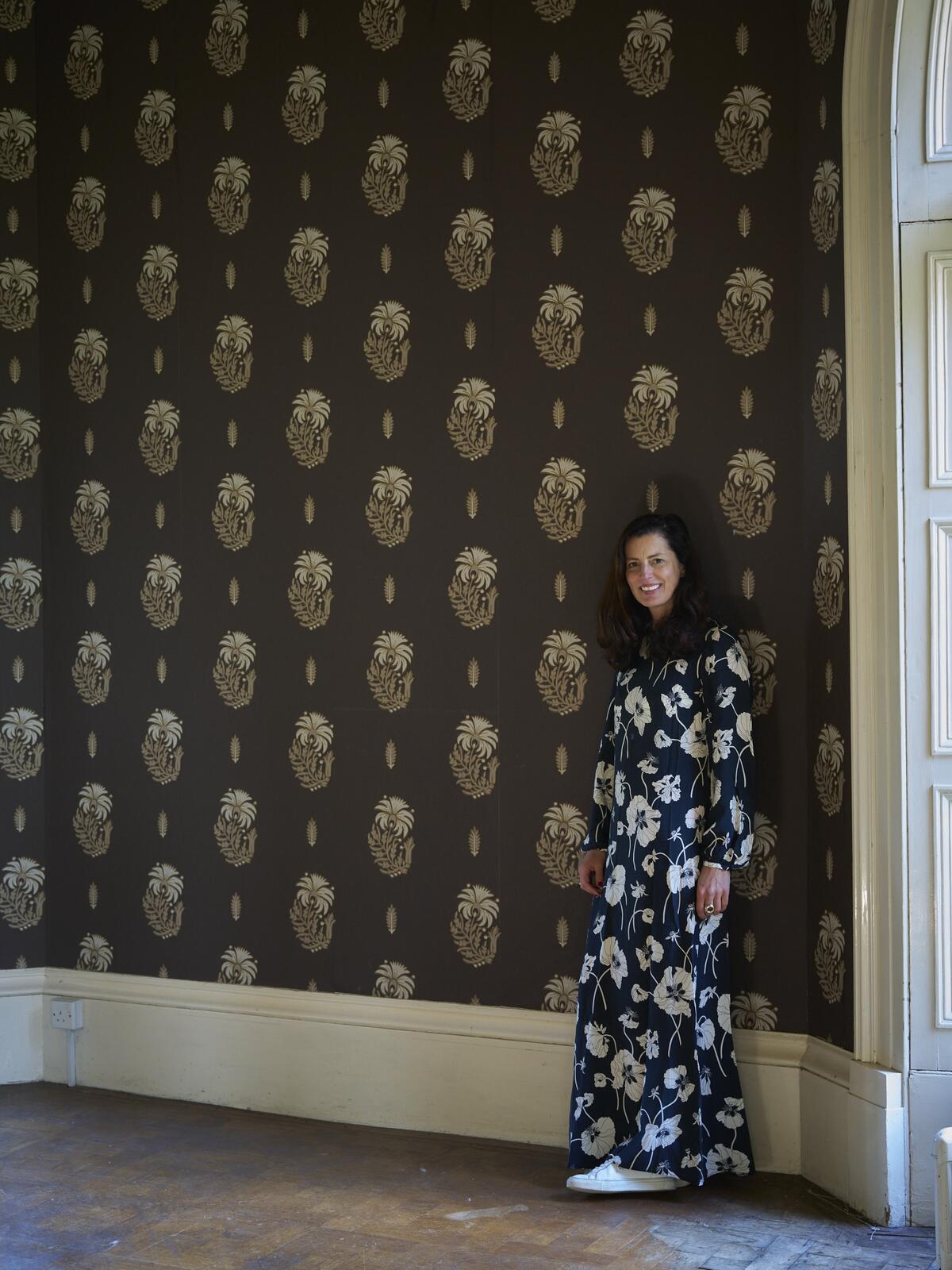
All these years later, the Liberty legacy endures. In recent decades, it has been known more for fashion and beauty, but in 2020, Bennett—who trained as a textile designer and had built a career in design—was brought on to help revitalize the interiors side. “There was this sense of this huge potential. The history that Liberty had in this sphere as a real leader [starting] 150 years ago—it seemed like a shame that it hadn’t been given the love that it deserved,” she says. In the past six years, Bennett has built a team of four designers to transform the company’s interior textiles collection (a number dwarfed by the 35 designers who work on the fashion fabrics). “We are very small but mighty,” she says.
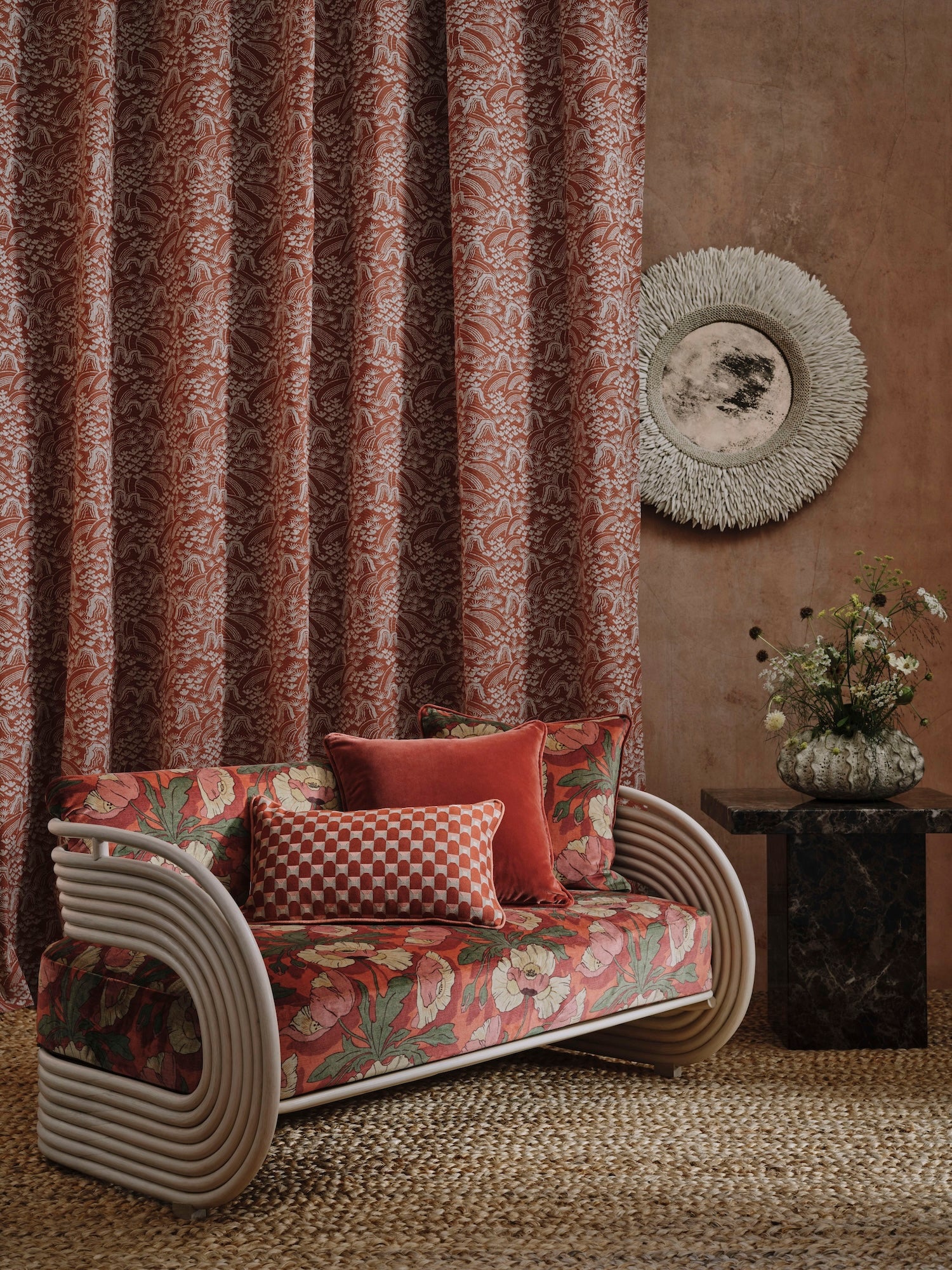
Her strategy has been to tap into the brand’s vast archive for new collections—not for repetition, but reinvention. “The ongoing tension between heritage and contemporary is something that Liberty does really well, and striking that balance keeps us creatively alive,” says Bennett. “That longevity comes from evolution and not getting stuck. Treating history as a foundation for reinvention rather than preservation is a big part of that. We don’t just take archival patterns, blow up the scale and recolor it. We spend a huge amount of time developing new motifs, blending strange aspects that no one else has noticed before, finding the thread of an amazing story, going deep with the research, and I think that’s a real skill that the design team has.”
Elsewhere in the episode, Bennett discusses the impact of the British brand’s iconic London store, why the company is cautious about performance fabrics, and how to look to the past to design for the future.
Crucial insight: While the brand may use AI on the sales side of the business, the design team does not, in a strategic move to protect the company’s immense archive. “We have 65,000 documents in the archive, which are real objects—artworks, paintings, garments, production documents, swatch books. This is all digitized so that we can access it remotely. It’s in a bomb-proof bunker in Oxfordshire. Then we have some of the pieces in London as well, in the archive room in our design studio, so we’re very from an archival perspective,” says Bennett. “We have to be extremely careful with [AI] because of the nature of AI models. You can’t have the design team inputting these precious documents, which have sometimes never seen the light of day from 80 years, that could [become] a potential whole new collection for someone [else]. ... We, at the moment, are still in a much more analog world.”
Key quote: “When we launched our collections, we wanted to get the foundations in, and we did do slightly larger collections. Now we’ve got some really solid data on our sales. We are scaling the collections right back, producing much smaller collections, much more targeted, really trying to look at what’s out there and not replicate things that already exist. Also, [we focus on] things that will last a long time, whether from a design perspective or a material perspective—something that we think people will treasure, collect, have forever, and kind of get away from that endless churn of more and more and more product every single year.”
This episode is sponsored by Ernesta and Kohler. Listen to the show below. If you like what you hear, subscribe on Apple Podcasts or Spotify.
The Thursday Show
Host Dennis Scully and BOH executive editor Fred Nicolaus discuss the biggest news in the design world, including a sweeping new tariff proposal, uncertainty at New York’s A&D building, and whether Google Lens is ruining vintage shopping. Later, comedian Julio Torres and Sabai co-founder Phantila Phataraprasit join the show to talk about their unique collaboration.
This episode is sponsored by Loloi and Newport Brass. Listen to the show below. If you like what you hear, subscribe on Apple Podcasts or Spotify.