




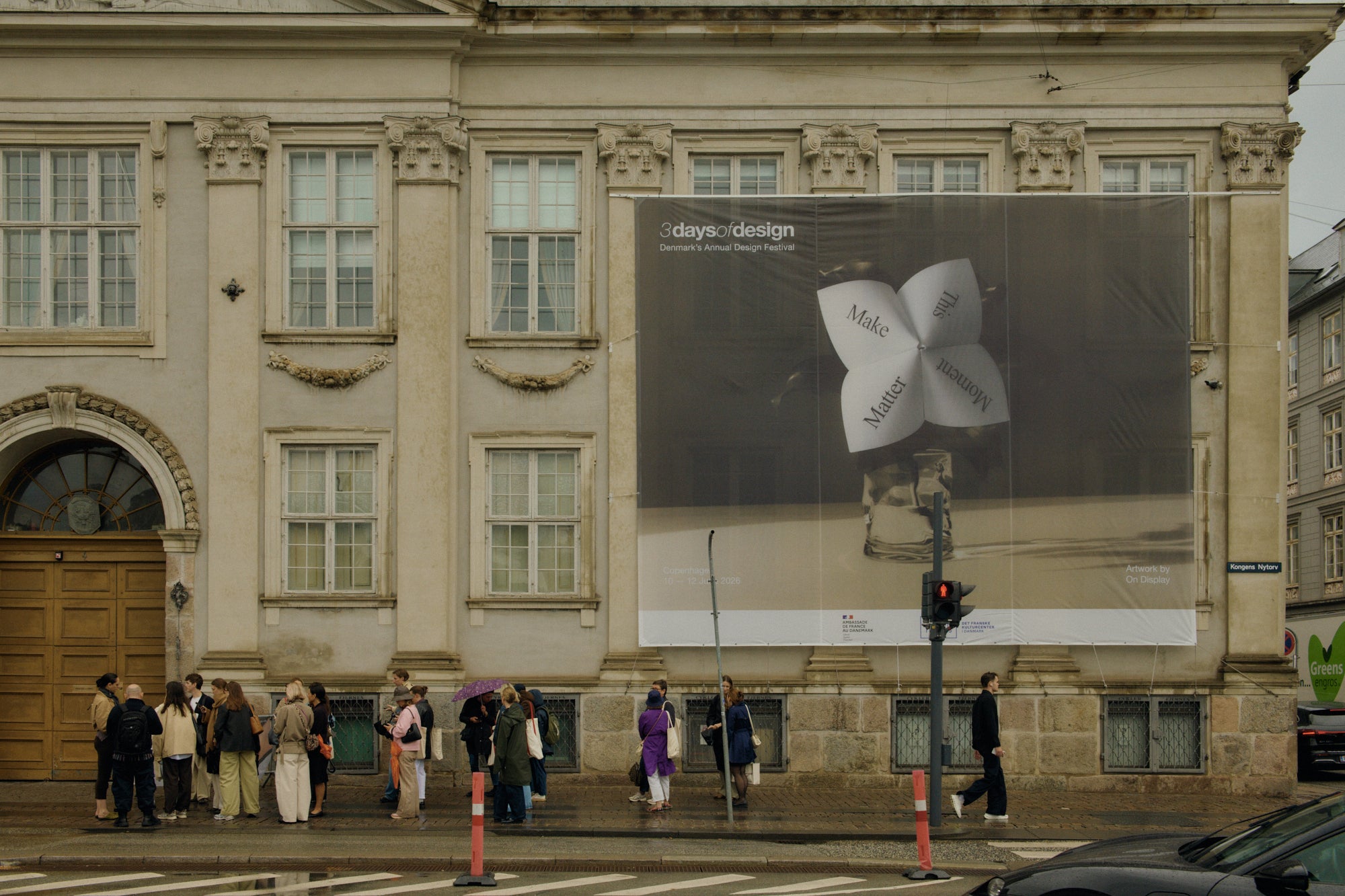
In recent years, Copenhagen’s 3 Days of Design has emerged as the calmer, saner alternative to the FOMO factory that is Milan Design Week. While the festival—which drew more than 460 exhibitors and 60,000 attendees last year—has grown since its scrappy early days, it remains charmingly intimate. There are few lines and fewer QR codes required to enter its showrooms and parties, and attendees will not be shocked to casually find themselves in conversation with a CEO or famous designer over cardamom buns.
At the same time, since its 2013 launch, the festival has burnished its credentials as a place to debut serious work, with Danish brands in particular choosing it as their starting point on the international circuit. It will never have the scale, spectacle and commercial impact of Milan, but 3 Days has emerged as the cognoscenti’s choice. Kelly Wearstler went this year.
There have been rumblings that the festival will fall victim to its own hype, and you don’t have to look too hard to find claims that another international design fair is “the next 3 Days.” But for many American designers, the event is still relatively unknown—a delight waiting to be discovered. To recap the most recent edition, we tapped exhibitors and attendees to share their highlights.
Authentically Human
“I was surprised to see how much evidence of the human hand was on display this year. It wandered way beyond the now frequent (and sometimes hollow) mentions of ‘organic,’ ‘wabi-sabi’ or ‘the imperfect.’ Many of the objects that caught my eye in Copenhagen felt unfinished—in the best way. Sculptures made of cracked clay. Fingerprints on ceramic carafes. Glass shapes with random wobbles. Varied, uneven weaves. Rough cement strokes. Next to the abundant crisp, clean sheets of brushed metal furniture, the human handiwork was even more obvious, and brought a sense of warmth and character.” —Jojo Feld, merchandising and product development consultant
Archival Inspiration
“As many new brands join 3 Days of Design each year, established names are under increasing pressure to stay relevant. I noticed that many of them are looking to the past for inspiration, delving into their archives and reviving classic designs. Brands such as Verpan, &Tradition, Louis Poulsen, Hay and Stoff Nagel are reissuing updated versions of iconic pieces based on original drawings. At the same time, minimalism is giving way to a richer, more expressive aesthetic rooted in the styles of the 1970s and 1980s.” —Marian Papadea, interior designer
Demystifying AI
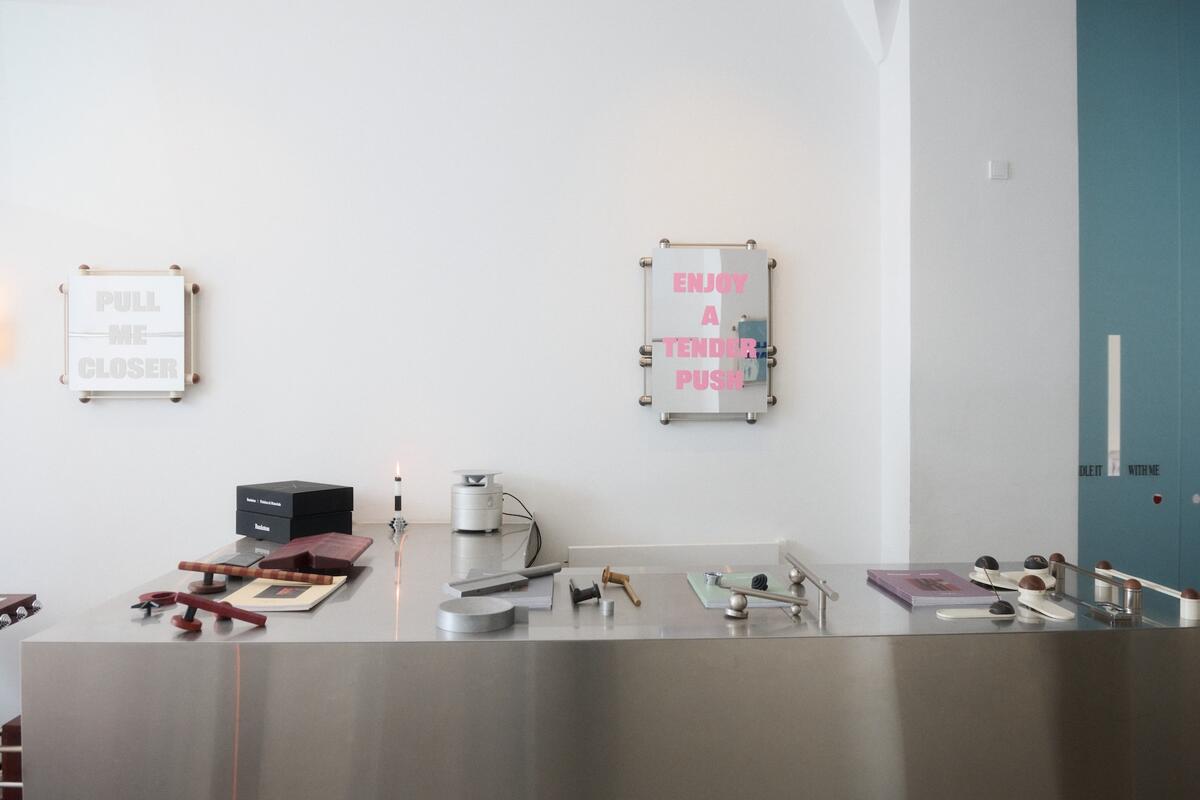
“Anthropic was an official sponsor this year, with the theme all about slowing down and being present. We noticed a lot of conversation there and online questioning [that choice]. Someone we spoke with called it ‘a betrayal of craft’ and [as] makers ourselves, we feel that too. But we’re bullish about the opportunities, and had to check out the Claude workshop ourselves—and even with the confusion or backlash, it was absolutely packed. We noticed from the Q&A, most people feel behind and scared to start [engaging with AI in their design work]. Almost every question had the same answer: Yes, it can do that. You’re only limited by your imagination, not the AI. What excites us most is how much it lets us stay focused on design itself, while handling the logistics and back end. We’re learning as much as we can every day, and even building our own completely automated operations system [with AI’s help]. The biggest takeaway is that nobody is actually an expert. The only difference is who started experimenting first.” —Sam Colamussi, co-founder of interior design firm Cola Studios
International Attention
“One of the things that struck us this year is how far 3 Days of Design seems to have outgrown the idea of being a regional or European event. It feels like it has the world’s eyes on it now, sitting alongside Milan and New York. For a brand like ours, it’s become somewhere you want to be to build standing in the international design community, not just for European exposure. You could see it in who was actually there: a real spread of visitors from Taiwan, Korea, Colombia, Poland, Lithuania, and a notably large Australian contingent. On the media side, it felt like maybe 10 percent Scandinavian and 90 percent from everywhere else. What stayed with us is that it’s grown this much while keeping a human scale. It still feels personal rather than overwhelming, which seems increasingly rare at this level.” —Steve Bradley, co-CEO of architectural hardware brand Bankston
Analog Allure
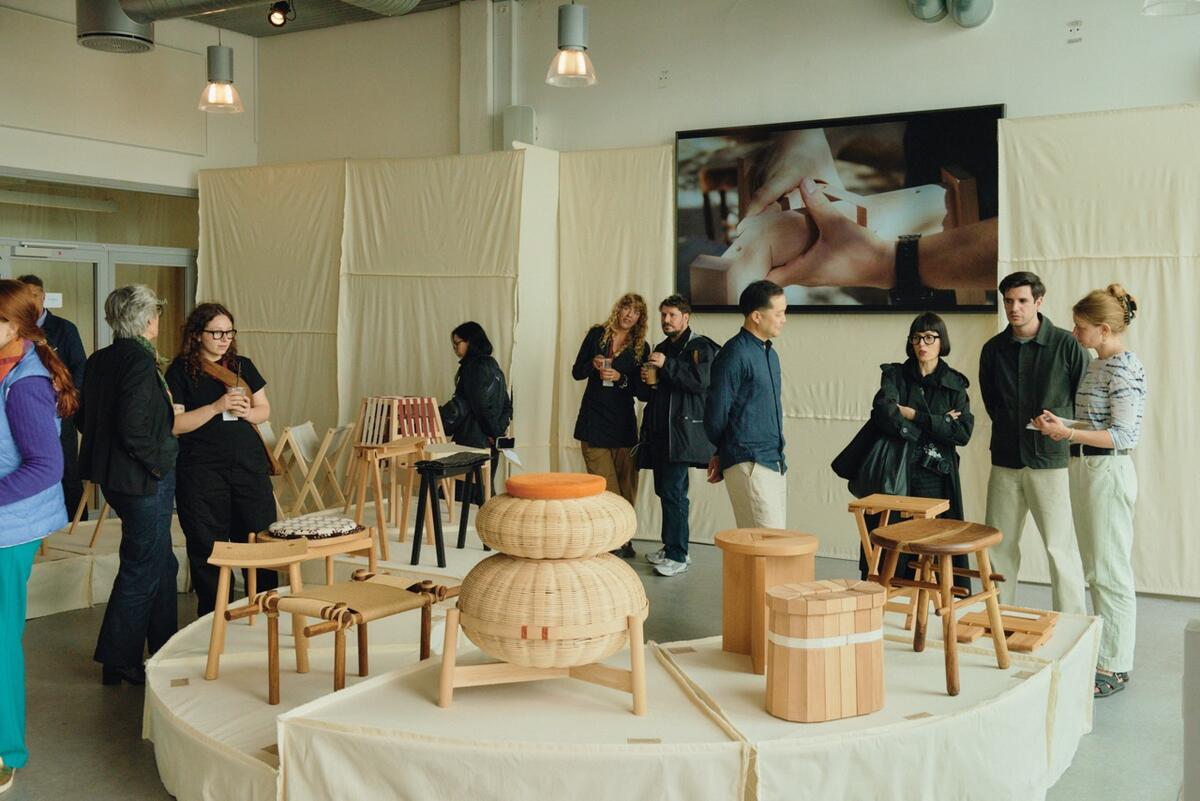
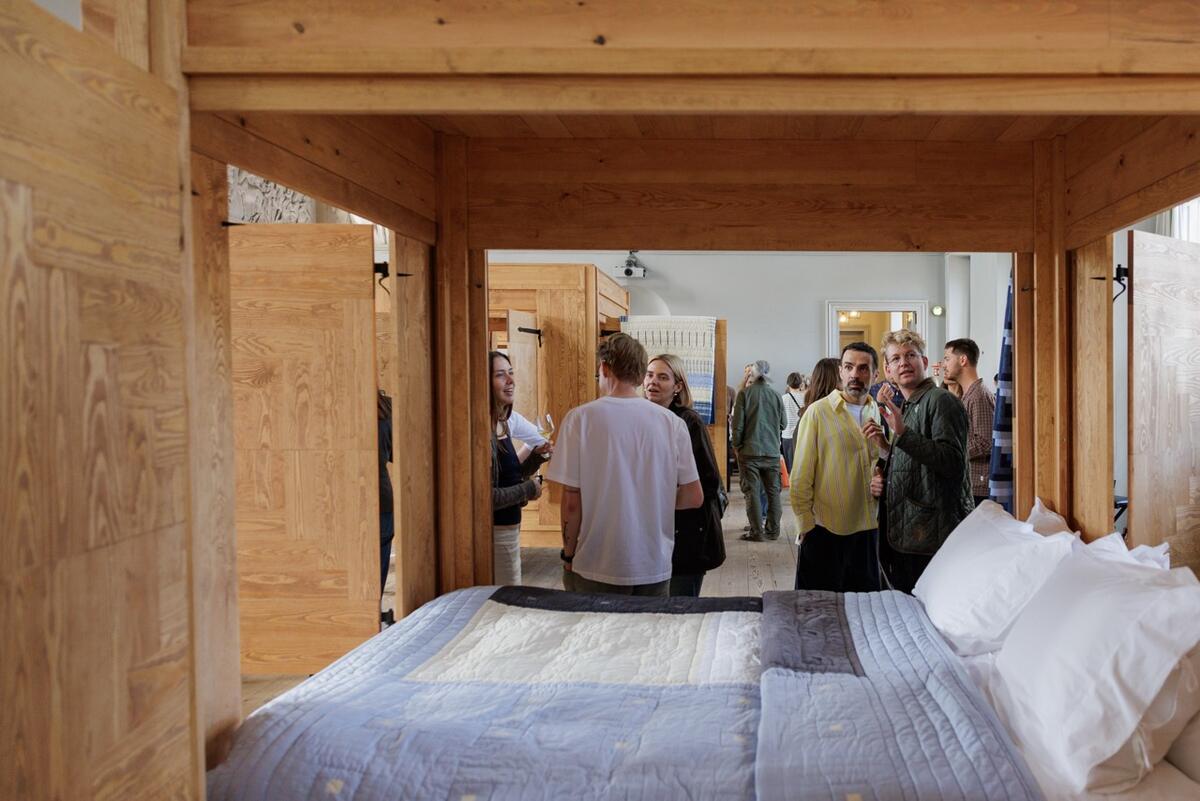
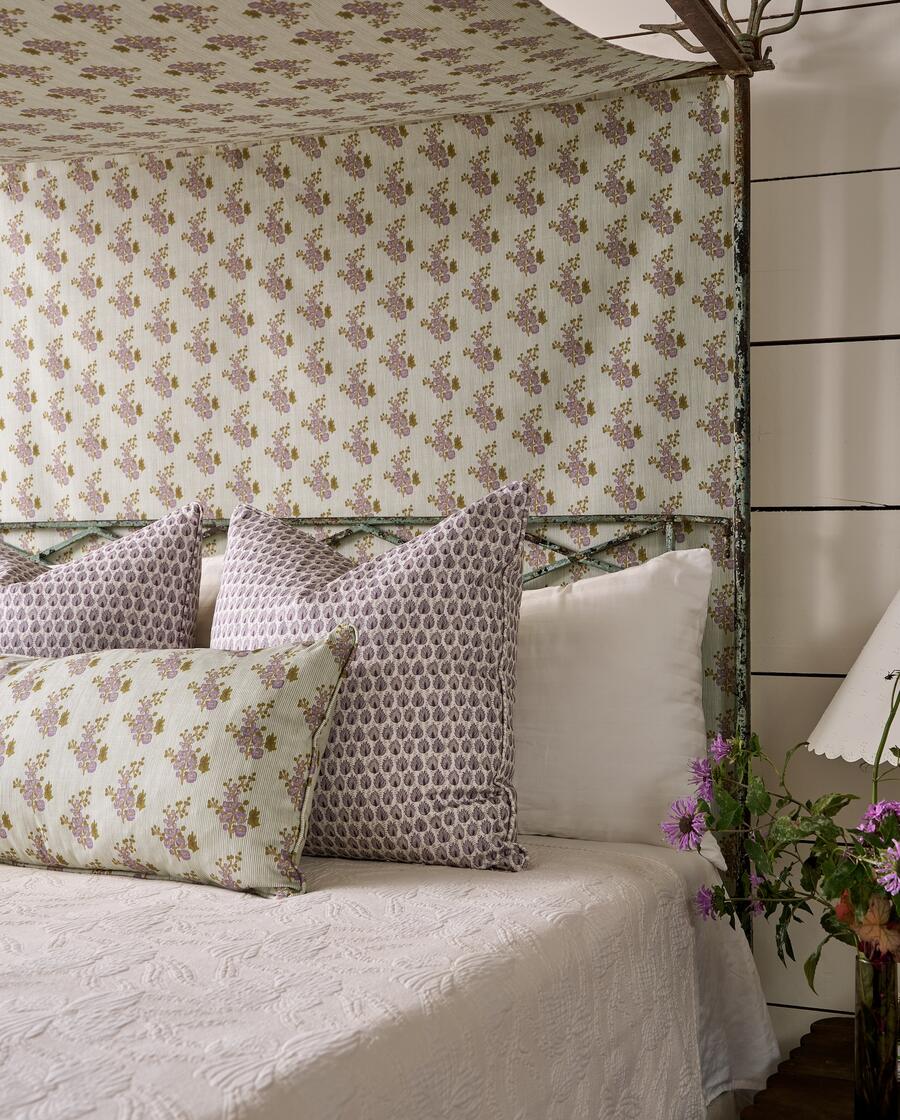
“I am always drawn to evidence of the handmade and a celebration of craft, which I found in spades this year. The bedding brand Tekla once again staged a breathtaking exhibition on the art of quilting at Charlottenborg Palace with bespoke wooden beds by local rising stars Mentze Ottenstein. There was an abundance of small group shows around town highlighting independent makers. The new design marketplace Aarticles staged its first installation, showcasing vintage pieces alongside beautiful work from contemporary artists and makers. It’s proof that the art of the handmade is timeless. I could not resist taking one home for myself. And Max Lamb’s incredible copper chair at V1 Gallery was a standout—somehow he always manages to say something new about this classic typology. It makes me wonder if we are moving away from the sleek industrial design celebrated in years past and moving toward something more analog, longing to surround ourselves with objects connected to the maker’s hand.” —Susan Clark, founder of gallery, design studio and manufacturer Radnor
Rising Stars
“I liked the student and early-career designer work, in particular at the Ukurant exhibition and Royal Danish Academy’s “Here & Now” show. From the Royal Danish Academy’s show, it was the learnings the students got from Egypt and the final quality of the work [that jumped out to me].” —Shawn Adams, architect, writer, and co-founder of The POoR Collective
Purity and Productivity
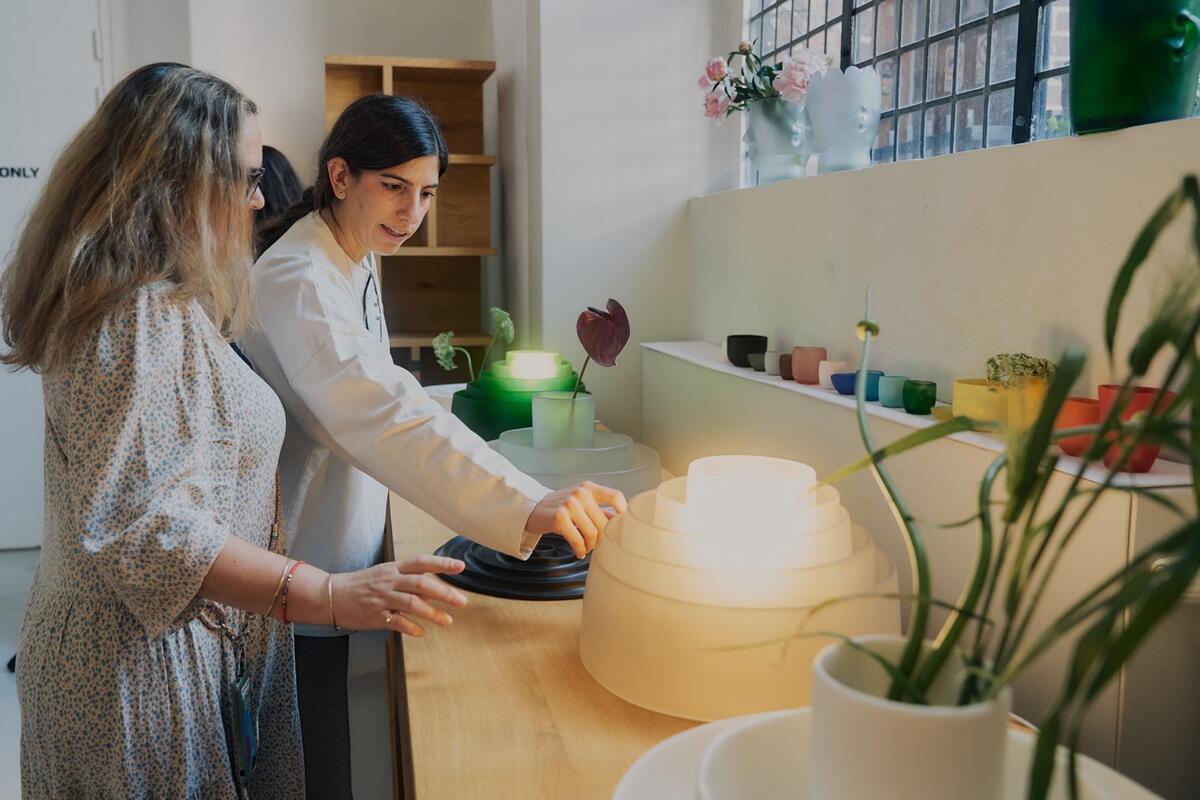
“3 Days of Design is one of the most productive design weeks. The walkable environment makes it a relatively stress-free experience and doesn’t require too much planning. It has the B2B nature of a trade show, as much of the event takes place in furniture showrooms sprinkled throughout Copenhagen. It’s less ‘see and be seen’ than Milan: There is less of a rush to visit exhibitions simply to post them on Instagram, and more about making actual connections with dealers and wholesale retailers. 3 Days of Design may disappoint out-of-towners looking for the same ‘wow’ factor they get from the installations in Milan, but I think that also helps keep out people who aren’t there for business reasons. We need to maintain some purity there!” —Julia Haney Montanez, founder of The Design Release and retail director of furniture store Leibal
An Intriguing Landscape
“Since first visiting 3 Days of Design in 2024, and actually exhibiting in 2025 and again this year, we have noticed that the fair has definitely grown in number of exhibiting brands, and it is attracting a very international audience. This year, there were around 560 exhibitors compared to over 400 the year before. As a result of this growth, the spaces where brands presented have also become more interesting. For example, [we] presented in a beautiful historical space at Nikolaj Kunsthal, one of the oldest churches in central Copenhagen. The building’s history … provided a beautiful contrast for showcasing our new Cosmic collection of lighting and vessels. … We plan to return in 2027 in the same space!” —Tina Frey, sculptor, founder of Tina Frey Designs
Create-A-Mood
“What struck me most during this year’s 3 Days of Design was the growing confidence of the industry. Many exhibitions were less focused on individual products and more focused on communicating a universe, a philosophy and a way of living. Design, art, architecture, craftsmanship, sound, and even gastronomy increasingly blended together, creating experiences that encouraged reflection and inspiration rather than immediate commercial outcomes. The remarkable international attendance reinforced the sense that Copenhagen has become a global meeting point where people come not only to discover new products, but to exchange ideas and discuss the future role of design. At Bergs Potter, we experienced this firsthand. Some of the strongest feedback we received was not about a specific product, but about the atmosphere we created. We consciously worked with tactility, architecture, sound, taste and emotion to create a sensory experience rather than a traditional exhibition.” —Christian Richard Andersen, chief product officer of Bergs Potter

 Withdraw Consent / Manage Privacy Preferences