









It started in August as excitement bubbled up among AI obsessives: A new generative image tool with a wacky name—Nano Banana—was producing startlingly good results in benchmark tests, much better than ChatGPT or Midjourney. For a hot minute, there was wild speculation about who had built it. Elon Musk? A Chinese frontier lab? By the end of the month, the secret was out, with Google unmasking itself as the maker. Since then, the search giant has folded the tool into its Gemini chatbot, opening it up to a wide audience. It’s early, but thus far Nano Banana has been met with rapturous praise and drawn in millions of new users to Google’s AI ecosystem.
If you want to give it a spin yourself, try either Gemini or Google’s AI Studio (somewhat confusingly, the model is sometimes called “Gemini 2.5 Flash Image”). I’ve spent the past week playing with Nano Banana and seeing what it can do with interior design. The hype is justified.
By now, many designers are familiar with what generative AI tools can and can’t do when it comes to design. Ask one to generate an image of a quiet luxury living room out of thin air, and you’ll get something very beautiful and very beige. When you start pushing for details, the results are less impressive. Generative engines haven’t always been good at making small adjustments or preserving a design as you iterate through changes—a flaw that can make the platforms feel more like parlor tricks than useful tools.
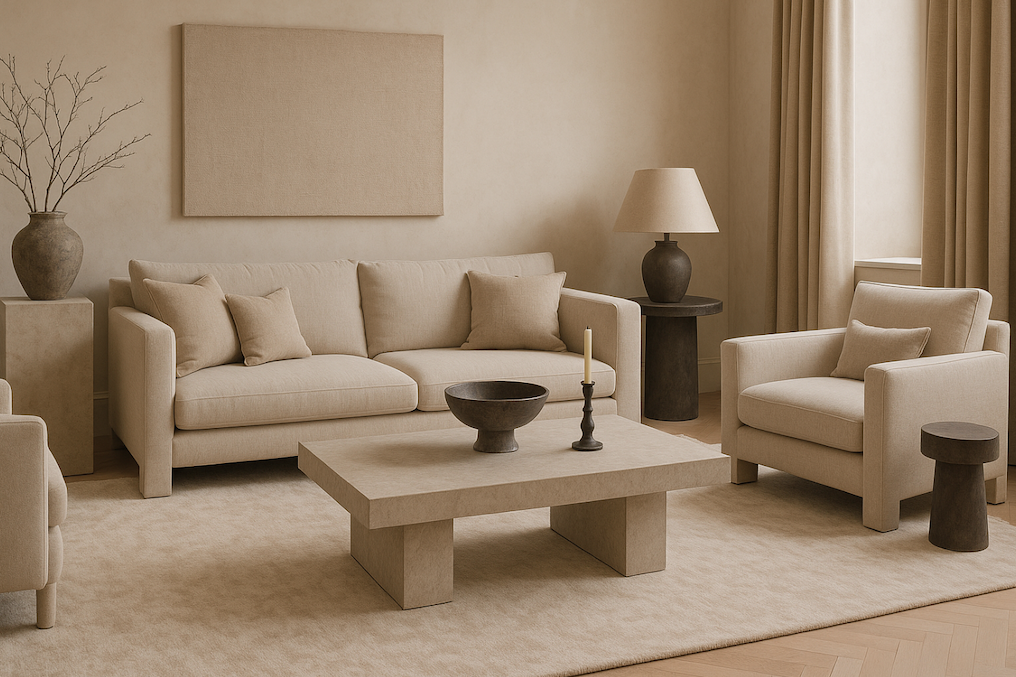
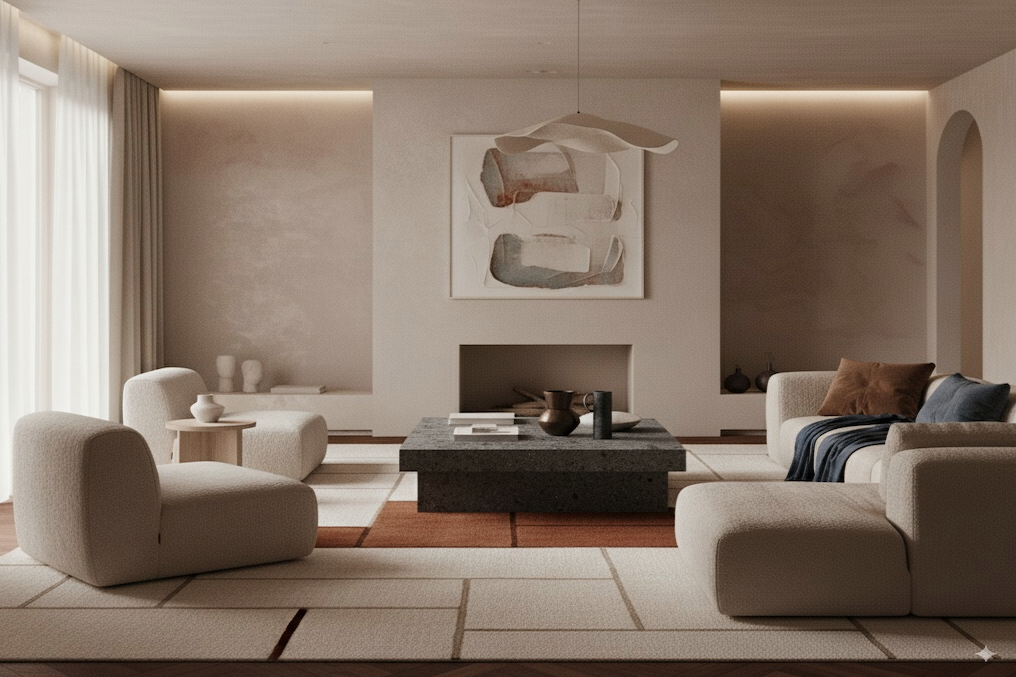
When it comes to the basics—generating a good-looking image—Nano Banana is noticeably better than its predecessors. I set up a miniature test, feeding a few basic interior design prompts (for example, “Generate a 16:9 image in the style of a glossy shelter magazine like Architectural Digest”) into a handful of AI engines. The very first result from Nano Banana stopped me in my tracks.
While tools like ChatGPT and Adobe Firefly created decent images, they were all clearly AI—a little cartoony and flat, with stray distortions here and there. Nano Banana produced an image of shocking depth and realism. Without being explicitly prompted to do so, it generated a nighttime shot, with a glowing chandelier reflected in a window overlooking a city skyline—details that gave the image an impressive verisimilitude.
As I ran the engines through a variety of other prompts, Google’s tool was always the winner. Not every image it produced was stunning, and like all AI tools, its stylistic “choices” lean cliché (boucle and fiddle-leaf figs abound). But in its richness of detail, Nano Banana is a genuine step up.
That’s not the impressive part. What makes Google’s new tool so surprising is not just its ability to create good-looking interiors, but its ability to change them. I tried to stump Nano Banana by prompting it to make extremely fine-tuned edits to the images I was creating—asks like, “Get rid of the coffee table, replace that vase with an antique clock, and make the chairs one shade darker.” Other engines struggled with the specificity of these requests, tending to inadvertently tweak the entire image as I piled on more demands. Nano Banana made the pinpoint edits with ease.
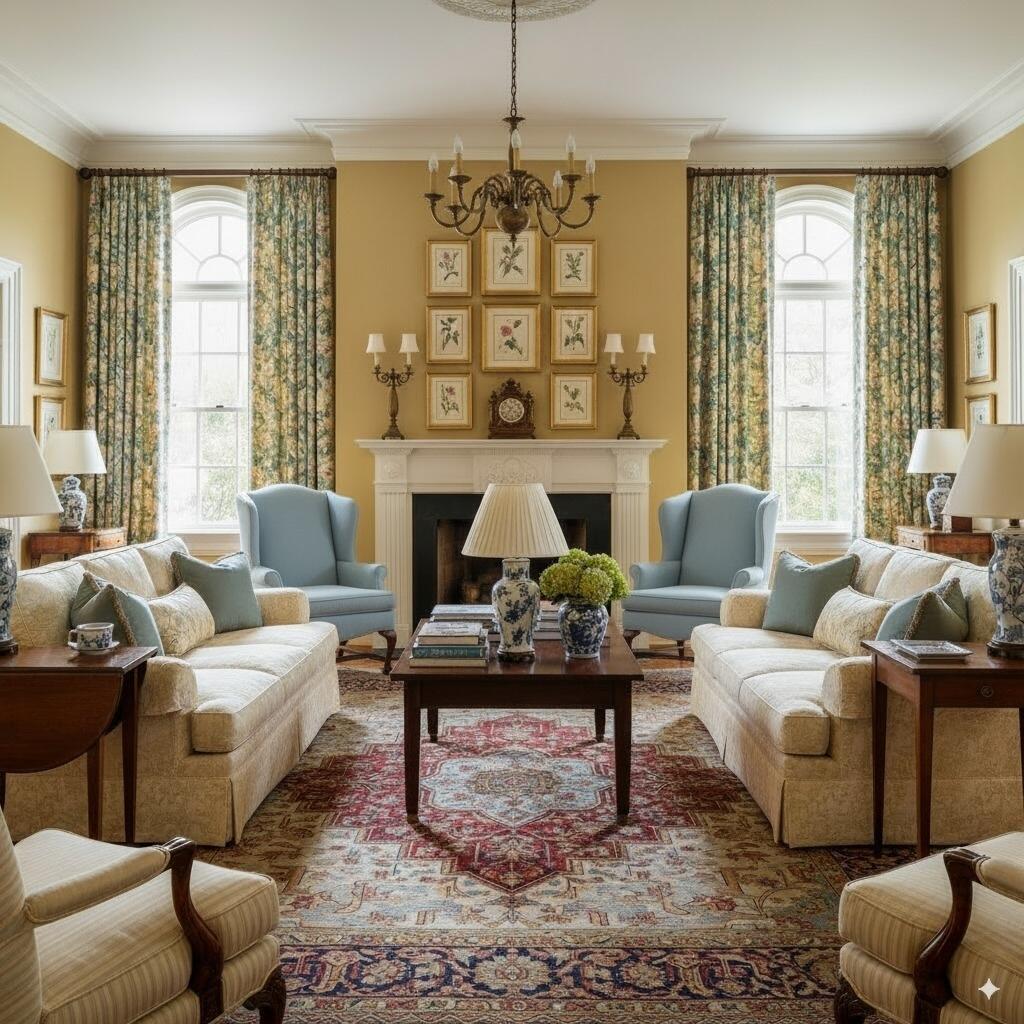

That was the case with user-provided images as well. I uploaded a picture of my own living room and was able to adjust small details—the color of my sofa, the finish on my coffee table—effortlessly. I also asked Nano Banana to reimagine the space “as a professional designer would.” The aesthetic it presented was mid, but the execution was certainly better than what I could have managed on my own.
The inevitable question: Should designers worry? My litmus test—can it make the painter show up on time—is still in effect. Like all AI engines, Nano Banana is not (yet) inserting real product into its creations, nor does it have space-planning expertise. Turning any of its digital rooms into a physical room would involve considerable work.
Even on its own terms, Google’s tool has limitations. It will “hallucinate” little details that don’t always make sense. The taste tends to be generic. And despite its proficiency at small changes, Nano Banana will sometimes struggle with directional issues. For example, it’s hard to get the tool to “nudge that lamp a little to the left.”
Despite these real flaws, it’s not at all a stretch to imagine Nano Banana being used by homeowners for inspiration, to solve small dilemmas, or as a first step on a bigger project. As Google improves the tool, integrates it more cleanly with the Gemini chatbot, and manages to cleverly fold shopping into the mix—well, that’s something to think about.
Of course, it’s also not a stretch to imagine designers themselves getting a lot out of Nano Banana. On Instagram, some are already sharing workflows built around the new tech, using it to turn sketches into renderings or demonstrate what a room might look like in both night- and daytime. Houzz’s recent study suggested that designers were mostly using AI for writing social media posts and administrative tasks, not design work. I suspect that Nano Banana—and whatever comes next—will change that.







 Withdraw Consent / Manage Privacy Preferences