












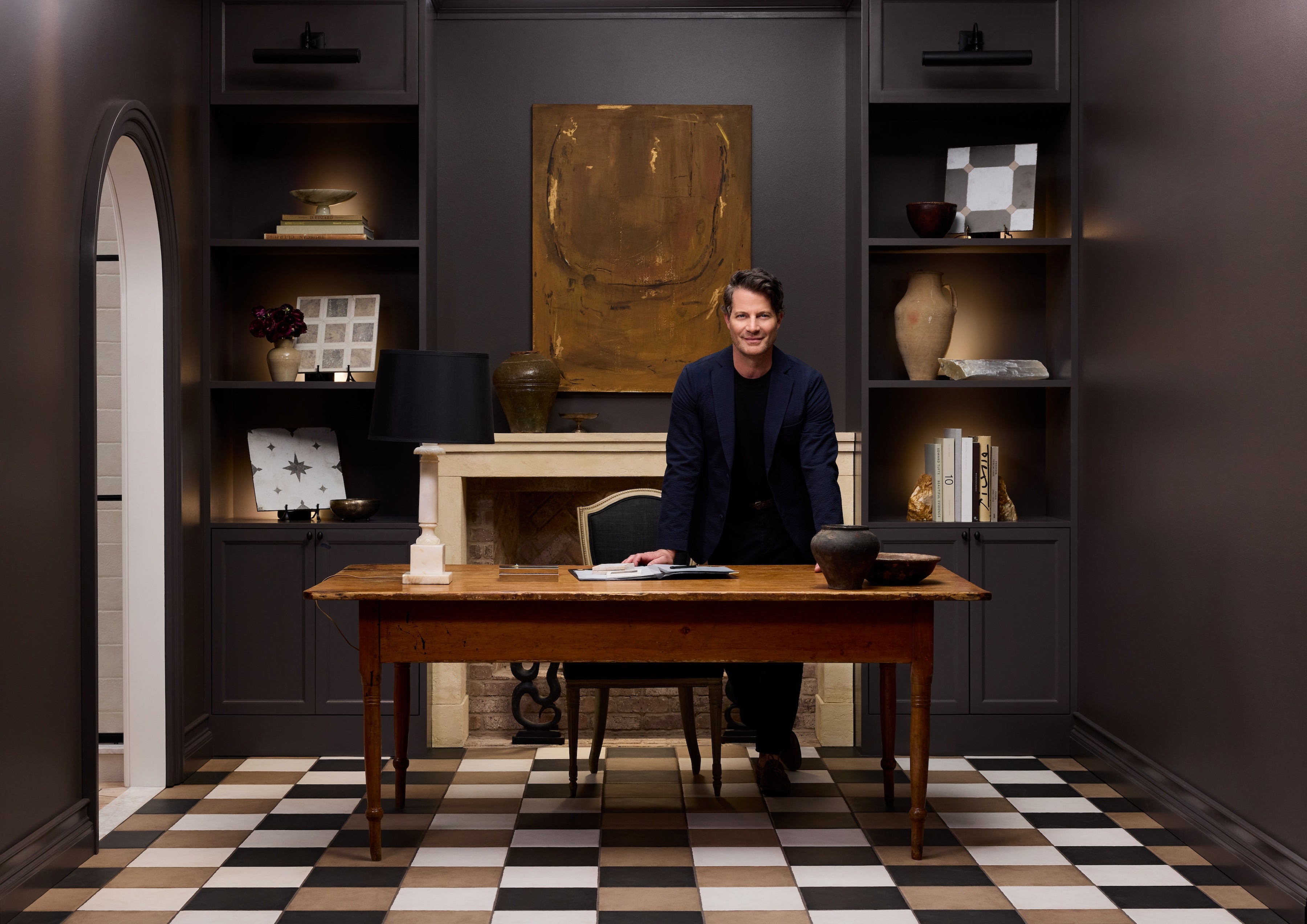

For traditional tilework in a kitchen, foyer or bathroom, you could always scour salvage yards and the storied flea markets of Paris and Portobello Road in search of historic remnants. But why go to all that trouble when now you can count on the impeccably classic taste of Nate Berkus instead? In collaboration with category leader The Tile Shop, the designer debuts his first tile collection today. Featuring styles in marble, brick and porcelain, all rendered in a subdued palette of sophisticated neutrals and suitable for a range of applications, the assortment creates an instantly timeless effect—conveniently eliminating the need to pillage any abandoned chateaux.
“One of Nate’s core design tenets is that spaces should look like they’ve been collected over time, rather than designed,” says Kirsty Froelich, senior director of design and product development for Minnesota-based The Tile Shop, who has been a fan of the famed designer since his days on The Oprah Winfrey Show. “This idea lends itself well to tile design, as we were able to add touches of patina, chiseled edges and textural finishes to create tiles that reflect old-world character and charm yet feel fresh and relevant in contemporary homes.” Berkus’s curated earthy palette of terracotta, warm white and charcoal colorways further enhances the archival effect. “These tones complement each other well, which made it fun to develop foundational pieces and coordinating decorative tiles in a variety of shapes—including new porcelain diamonds and circles that bring softness to hard surfaces,” she adds.
To mark the release of his Tile Shop collaboration, Berkus spoke with Business of Home about the global influences that inform his introductory styles, the anti-trend stance that distinguishes his design ethos, and another legendary Minnesota brand that helped sweeten the new partnership.
Why did you decide to partner with The Tile Shop for your debut tile collection?
The Tile Shop is Minnesota-based, which is meaningful to me, as I am Minnesota-bred. A lot of interesting manufacturing comes out of the state. Plus, Minnesota is the home of Dairy Queen, and I’ve been an addict since I was a child. At the end of the photo shoot for the collection, we were given custom Blizzards, which is how every partnership should be celebrated.
Beyond ice cream, though, The Tile Shop’s nationwide reach and its sourcing capabilities were attractive. The company has showrooms in every market I’ve traditionally done well in, and every time you walk into one, you’re surprised by the breadth of materiality and how far-flung the influences are. The Minnesota-centered team travels all around the world to get the best products at prices that people feel good about.
How did the collaborative process work?
I have an internal creative team led by vice president Meredith Smerchek in my Chicago office—Meredith just celebrated her 18-year anniversary working with me. Whenever we start a new business relationship, she and I sit down together and craft a narrative around the product category that dovetails with my design philosophies. I’ve been in business 30 years and I’ve never once designed tile, so I was excited to talk about where the inspiration should come from. And what I found—and what we were able to deliver to the team at The Tile Shop to source—was that a lot of the references were historic. Every designer says France and Italy; I was also interested in Central and South America. I wanted to highlight Mexican and Peruvian tile I had seen when I was in Lima and the Urubamba Valley years ago. I keep detailed imagery of things that inspire me on my travels, and The Tile Shop did an excellent job marrying those historic concepts with modern materials.
That kicked off the process, and then we went into sampling and substrates and sizing. You never want to launch with an established partner and do the same thing they already have on the floor, so we were careful in figuring out how Nate Berkus the brand could bring something new to The Tile Shop. I always enter into any partnership with an assumed mutual respect. I’m of the mindset that when you partner with a company that has expertise in its field, you can provide creative inspiration, but you have to listen to what the brand’s buyers and team have to say.
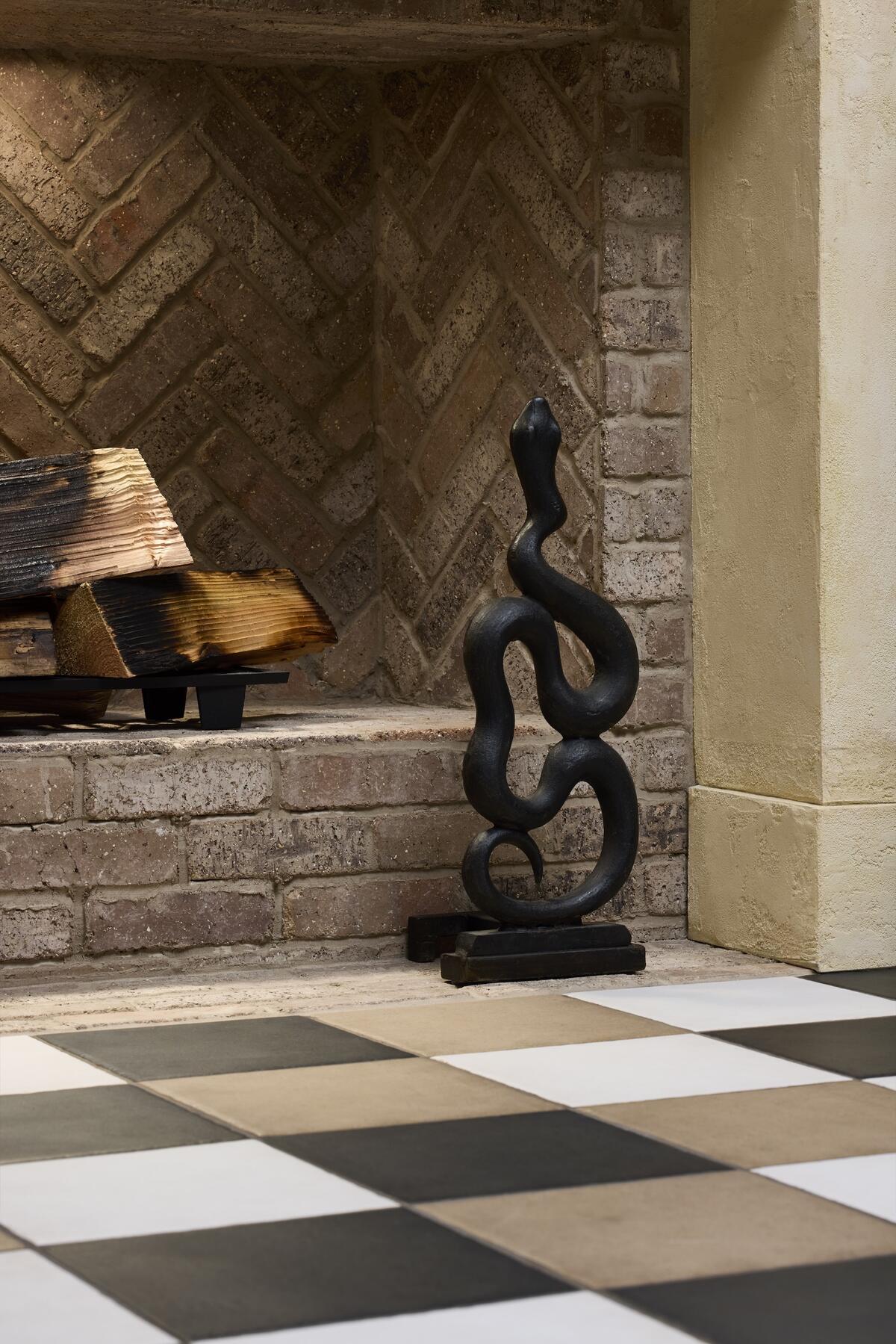
We went through months and months of development. I’d ask, “Is there a different quality here? What would the price point be?” It was an ongoing dialogue with lots of stages. We went back and forth a little bit in one category: I love old brick; it’s a material I use all the time in my projects. The Tile Shop team sourced some new brick, and I was like, “If it doesn’t look like Portia de Rossi's horse stable, then I don’t want it.” Ultimately, they were able to find a material that had the irregularity and inherent character I felt could go into a mudroom floor or a kitchen backsplash and present beautifully in either space.
But brick can read so masculine. What if a client wants a more feminine look?
I do lean masculine in my aesthetic. I’m not the chintz guy. My philosophy has always been: Do as classic of a foundation as you can, then add your English cotton floral ruched upholstery. With brick, it’s about the pattern. When people think of brick, they picture a running bond or a stacked brick. They don’t imagine a herringbone or chevron, which adds that femininity in a way that’s really interesting. If you look at old European chateaux—the inspiration for our thin, 2-by-8-inch Chateau Brick design—a chevron-patterned brick floor underneath all the floral needlepoint rugs has an inherent elegance. The look reminds me of stately country homes, or a converted barn, or even the kitchen in Downton Abbey. It’s a humble but highly sophisticated underpinning. In either the Baked Clay or Sandstone colorway, I love Chateau Brick instead of wood throughout a primary level.
After 30 years in business, what was new or educational for you about designing tile?
A lot. I was surprised by everything. Number one: The Tile Shop’s capabilities with porcelain, and how much advancement has happened in printing. It’s absolutely beautiful. I’ve collected patterned porcelain dishes for a thousand years, but to see it in a building material with such refinement was super fascinating.
Tile is such an integral part of bathrooms and kitchens that perhaps it gets taken for granted. What role do you think tile plays in a home?
It’s an opportunity for people to explore their creativity. Of course, in kitchens and bathrooms, tile is the norm. But I like transitions in a home. I like a foyer that’s defined. I like a powder room that feels special. I like breaking up a wood floor with a tile border, or insetting a runner into a stone-tiled framework. So I’ve never overlooked tile. I’ve always felt it was essential to interior design and good building. My hesitation is, I’ve always been vehemently anti-trend. I’m not interested in it. I don’t care what The Wool Bureau is doing or what the Pantone color of the year is, because I’ve always felt that trends are designed to make people feel bad about what their neighbor bought that they didn’t.
Within my Tile Shop collection, there’s not a lot of funky patterns or weird left turns. The whole collection is based on: If you put it in your home tomorrow, would you be tired of it 20 years from now? That’s a question I always ask myself when specifying tile or stone for any of my projects, and I did the same when developing these designs.
In our first apartment in New York, my husband [Jeremiah Brent] and I decided that we would have custom black and white triangular tiles made for the shower in our main bathroom. At the time, it was such a revolutionary motif—this was the era of Pierre Hardy in fashion, and we were just both so taken with that graphic look. Years later, when we moved back into that same apartment, the people we had sold it to had kept the tile. And I looked at Jeremiah and was like, “That is the ugliest thing I’ve ever seen. What have we done?” I’ve always believed you should err on the historic, the classic, the neutral side when installing something in your home, but that lesson drilled it in for me. Can you imagine if it had been a beautiful stone mosaic instead? If you want to experiment with bold pattern or very vibrant color and that’s not what you wear or how you move through the world, buy a bathmat. Don’t grout it in.
You mentioned Mexico and Peru. What other global influences inform the collection?
Good American design takes everything from all these different cultures and places and crafts. From a global perspective, I’m on my fourth passport, because I filled all the blank pages in the last three. So the collection’s inspirations are pretty far-flung.
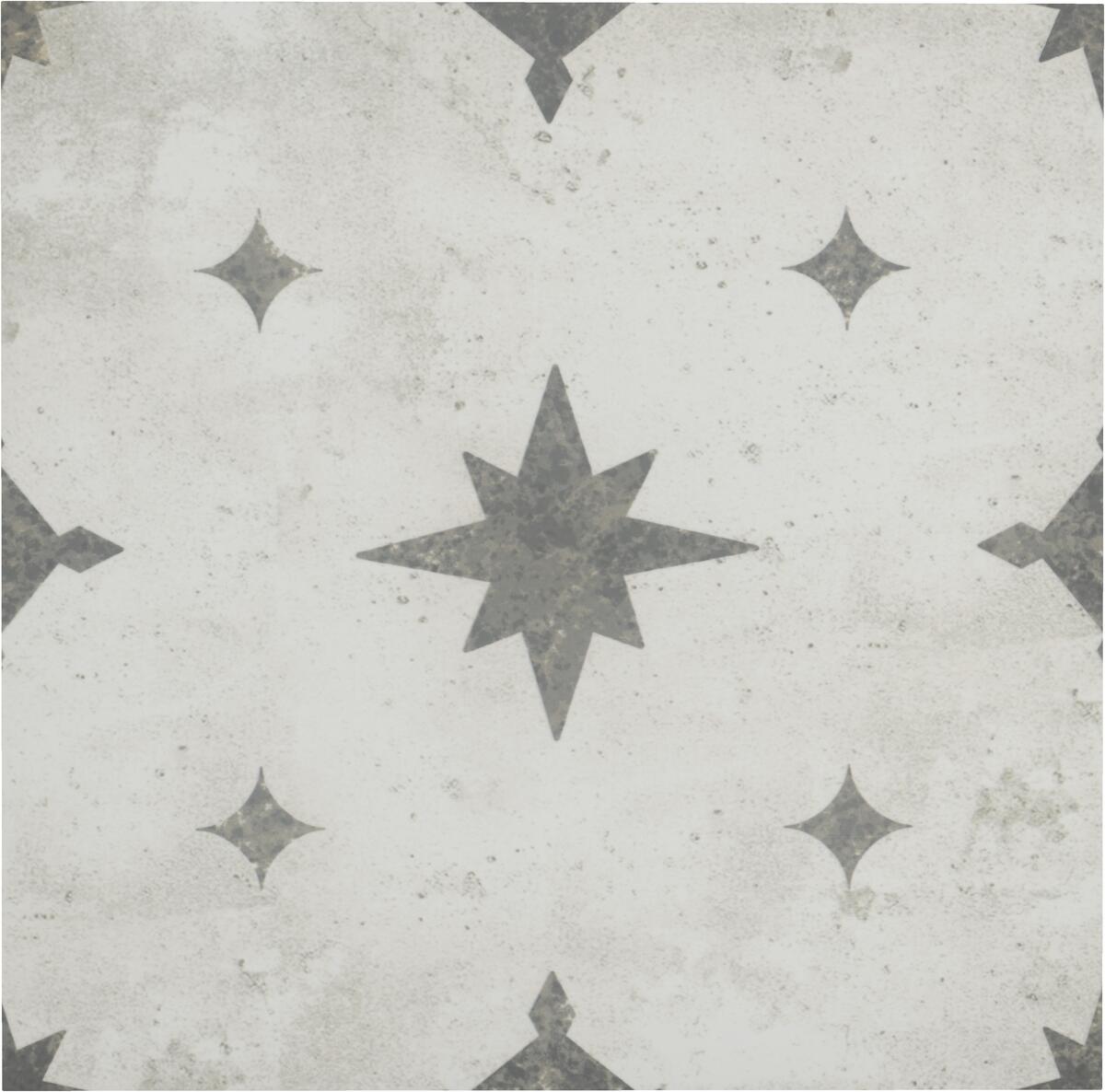
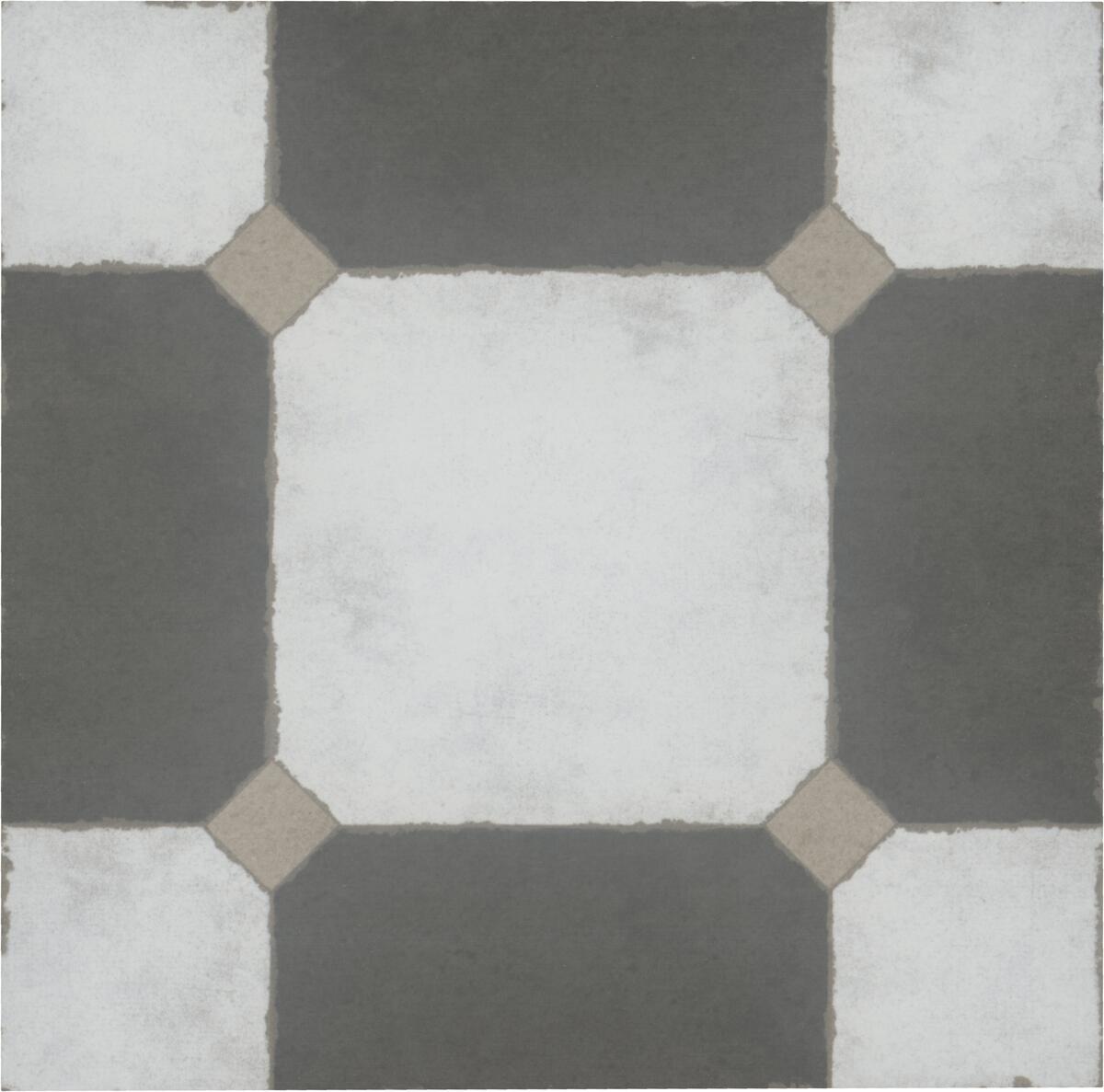
In terms of the motifs, I think stars, as seen in the aptly named Estrela and Etoile Noir, are forever. Estrela’s rich, terracotta-esque patina is rooted in Mexican tradition, while Etoile Noir, in black-and-white with an aged finish, reimagines an archival French design. I dipped into mosaic with Eloise, because I’m always comfortable with that classic French café look, which feels charming and turn-of-the-century to me. The Chateau Brick could be English, or it could be South of France—a Provençal vibe.
In addition to Chateau Brick and the porcelain that dominates the collection, marble is featured in the Avenue design. What determined the materiality of the tiles?
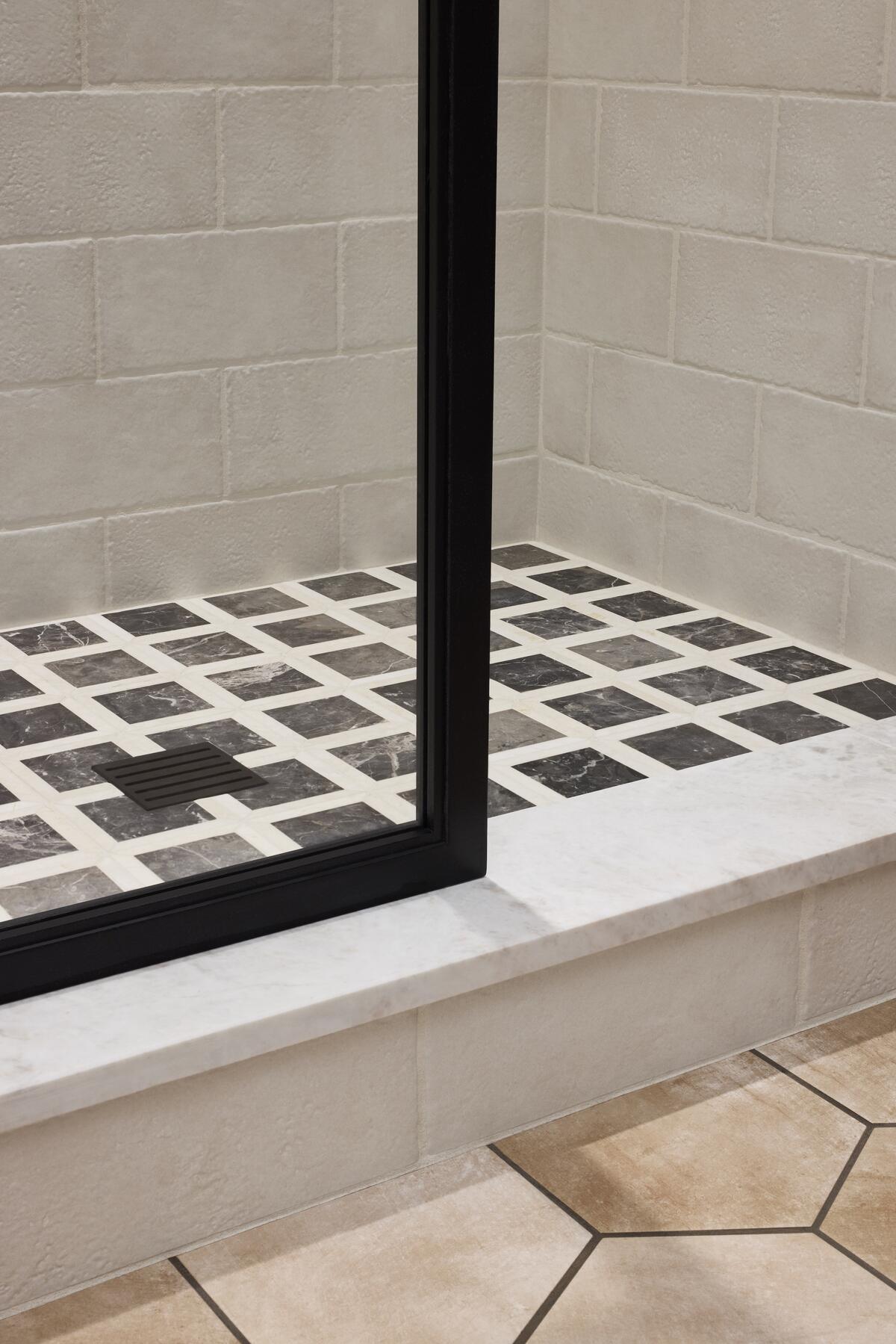
It was important to me to include natural materials. I’ve spent years studying patterns in cathedrals and historic buildings, and I wanted to offer an easy pattern in real stone. Avenue is so good for an entryway, so good for a main bathroom floor, really interesting as a backsplash, potentially in Arctic White/Claros Silver or Cappuccino/Meram Blanc, the two lighter of the three colorways.
Whether it’s the textural surface of Chateau Brick, the honed finish of Avenue’s marble, or the cement effect on porcelain styles such as Etoile Noir and Honore, all the tiles in the collection have an aged patina that creates an instant timelessness. My goal is always to make it feel a little bit archival.
Does that also apply to the palette?
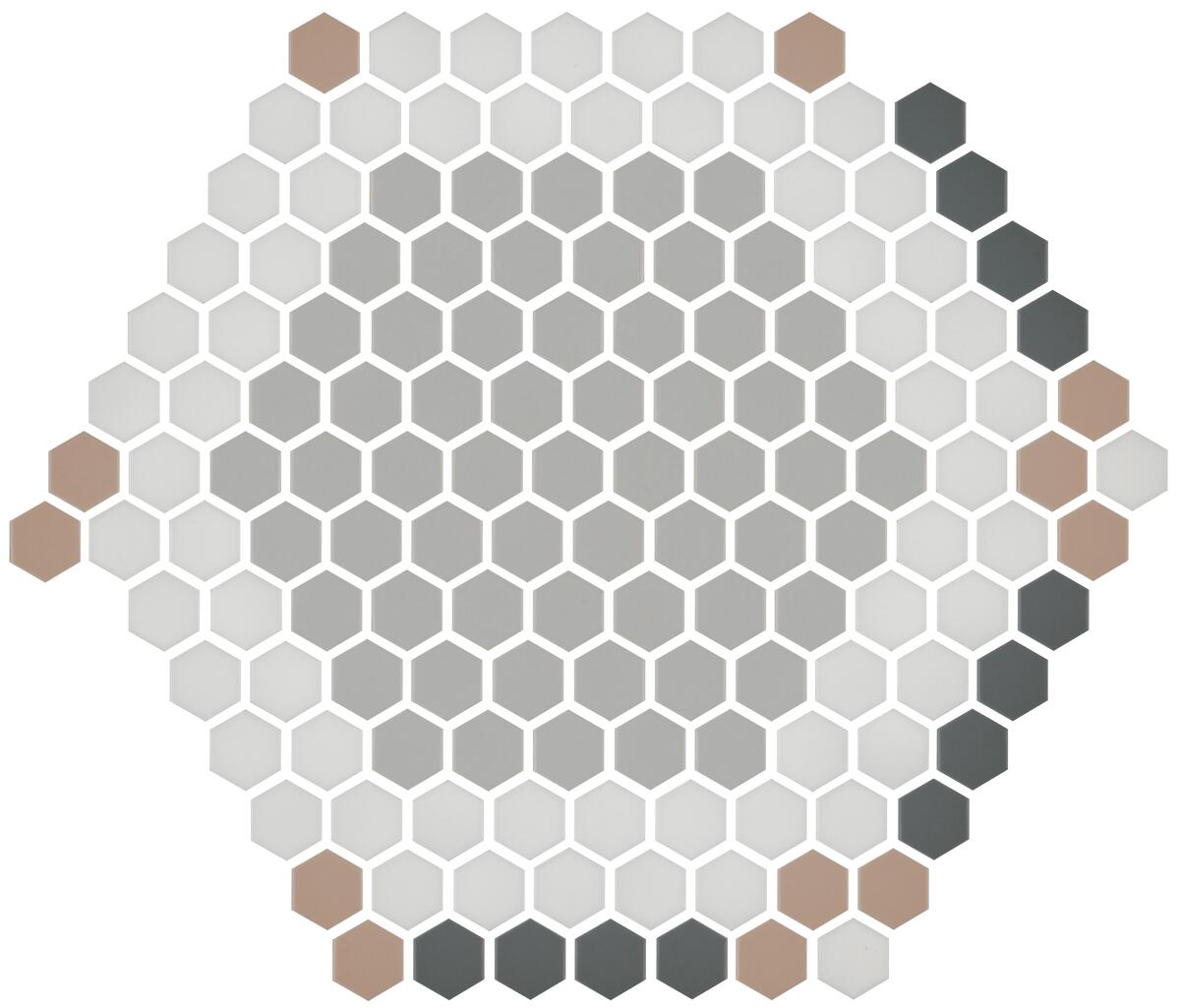
Being based in history, the palette feels elevated but accessible. Again, I wouldn’t install anything in my own home that is too bold—I don’t want to scare anybody! I like colors that are sort of noncolors—the Terra brown and Alabaster cream of Lagos and Isabel; the silvery Pewter and dark Obsidian of Eloise; and the iconic Noir Checkerboard of Honore. The palette was born from working with what I would classify as rich, classic neutrals.
With the caveat that you love them all, any personal favorites among the designs?
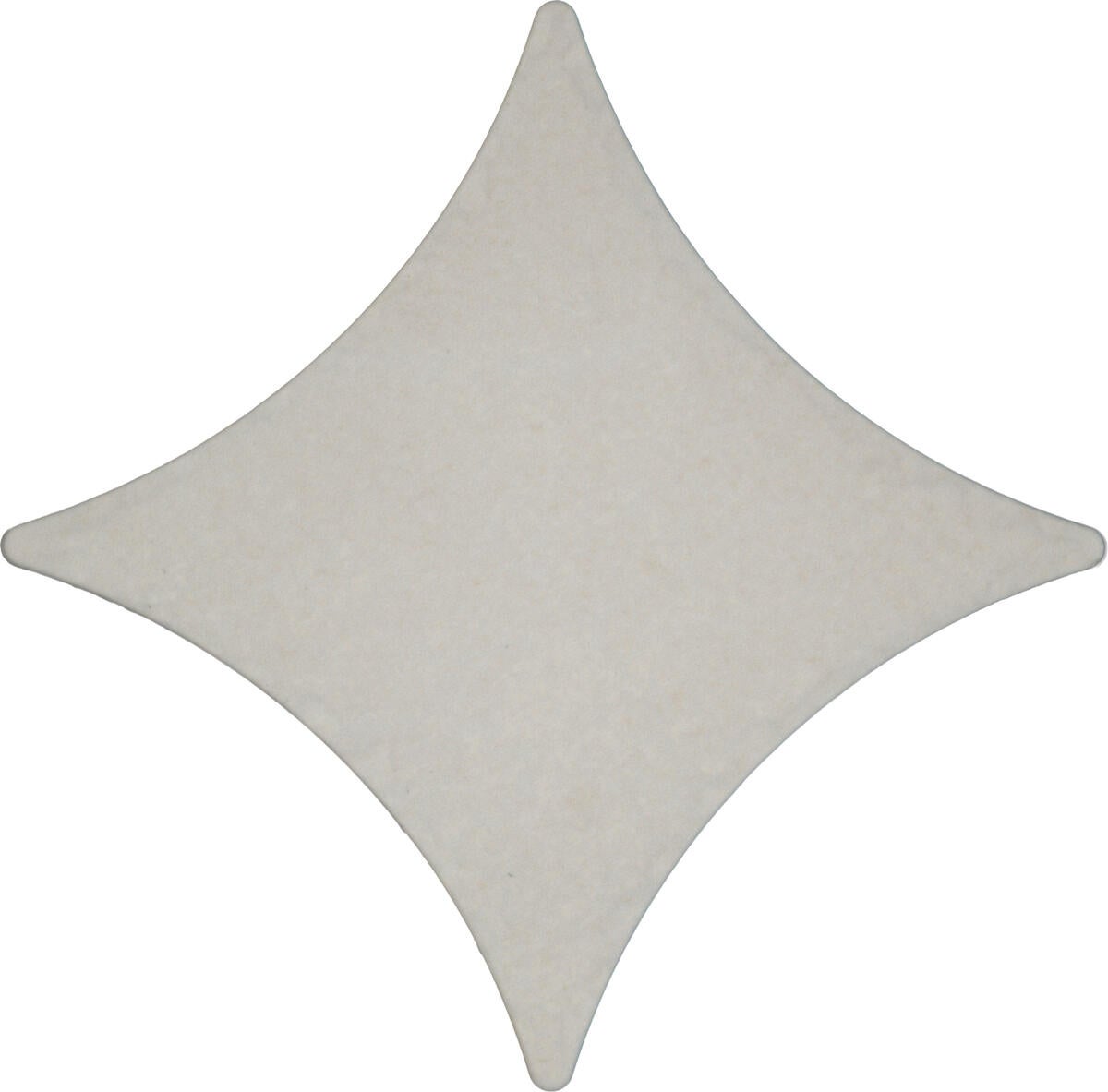
I really love Isabel, because I love the shape of it: an 8-inch circle and a 4-by-4-inch diamond with chiseled edges, a matte finish, and shade variance that gives an authentic cement look. I love how it can piece together and you can make your own design decisions around it. And I love the three colors: the Alabaster, the Ebony and the earthy Terra clay shade that’s more of a brown than a red. Of course, I love Chateau Brick. The Tile Shop got it right. I’m excited to spec it and use it in my projects. My other favorite is Avenue in Arctic White/Black, because if you’re going to do a marble entryway or main bath, you might as well go for it. There’s nothing more timeless than a black-and-ivory floor.
This story is a paid promotion and was created in partnership with The Tile Shop.
Homepage image: Designer Nate Berkus collaborated with The Tile Shop to create an array of traditional patterns in a palette of nuanced neutrals | Courtesy of The Tile Shop

 Withdraw Consent / Manage Privacy Preferences