
















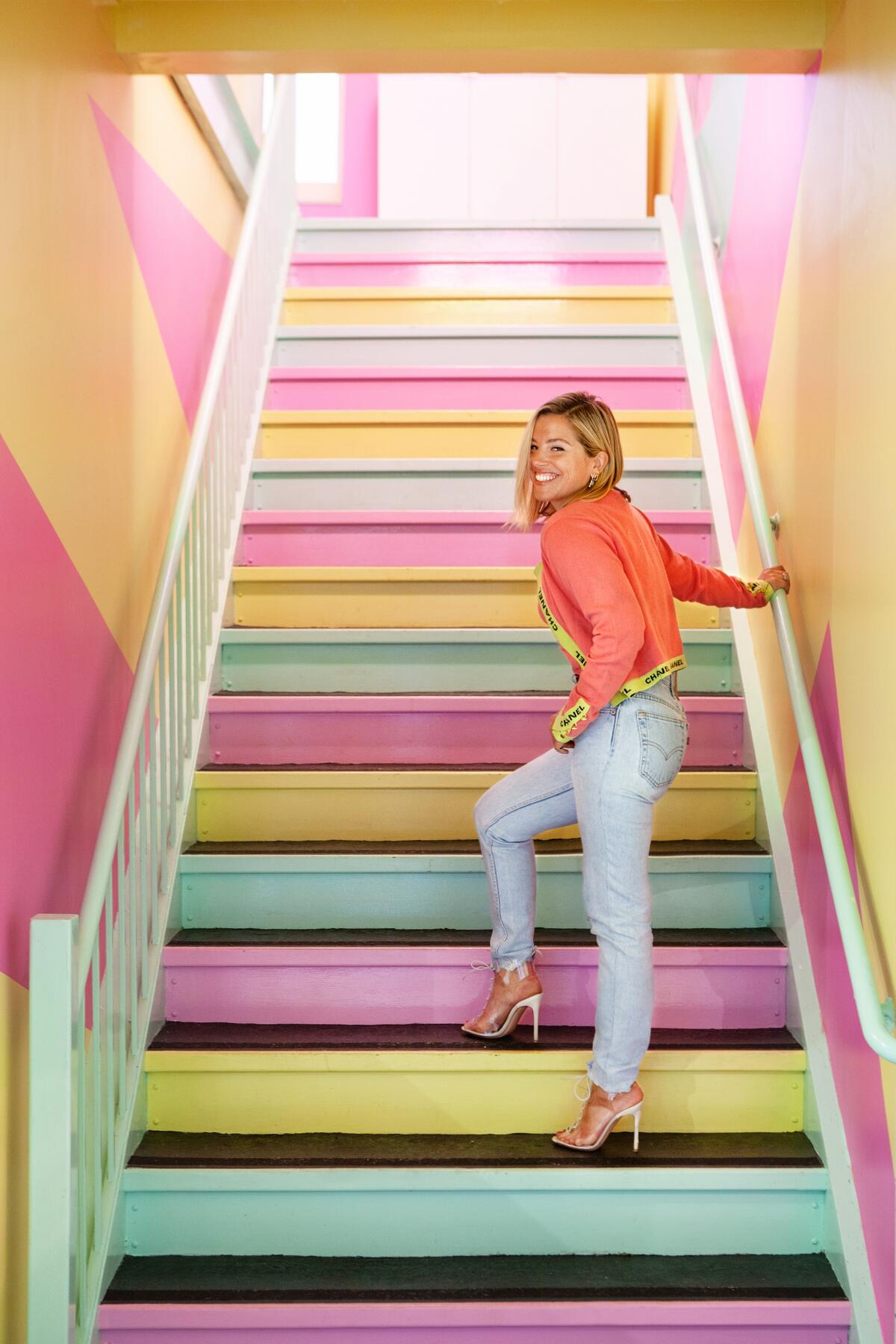
Passionate for pink, gaga for green, obsessed with orange, bonkers for blue: New York–based interiors queen Sasha Bikoff is a proud rainbow maximalist, imbuing projects from a Connecticut cottage to a Palm Beach retreat and a pied-à-terre on Central Park West with high-impact, happy-making color. But behind her bold choices, she deploys a subtle secret weapon that guarantees her designs go way beyond eye candy. For architectural, art-gallery-quality lighting, customized controls, and automatic shades, blinds and draperies, Bikoff partners with Lutron.
Expertly balancing technology with aesthetics, the brand offers innovative wireless lighting, like its bestselling Ketra line, that can be controlled via wall panel and app to faithfully replicate natural light, as well as illuminate individual artworks or cast an entire room in a pretty party hue. Its controls are as accessible as the palm-sized Pico remote, as elegant as the industrial-meets-digital Aviena toggle switch, and as smart-home holistic as the Caseta property-wide system—all rendered in a range of colors and finishes. To complete the suite of products, Lutron’s whisper-quiet motorized window treatments reduce glare, filter UV rays, and operate in sync with the lighting to optimize (or minimize) sunshine. For designers interested in elevating their projects with these state-of-the-art enhancements, Bikoff shares all the ways she integrates Lutron—even in her own home.
How did your relationship with Lutron begin?
I’ve been working with Lutron since I started my firm 11 years ago. It’s an iconic brand in the lighting space and always my go-to source for illuminating any project I design, residential or commercial. I always say that Lutron is doing God’s work because it creates the feeling of natural light using technology.
Do you recall the first time you used a Lutron product?
I don’t, because I have been using Lutron for as long as I can remember! But perhaps the most in-depth experience I had was with my own home, which is a ground-up build in the Hamptons. I went to the Lutron Experience Center for the first time, and it was a pivotal moment in terms of how I now think about lighting in a space. Before, I would work on it with the contractor or AV company, and not give it too much thought. But when I designed the lighting for my home, I became almost like a scientist about it.
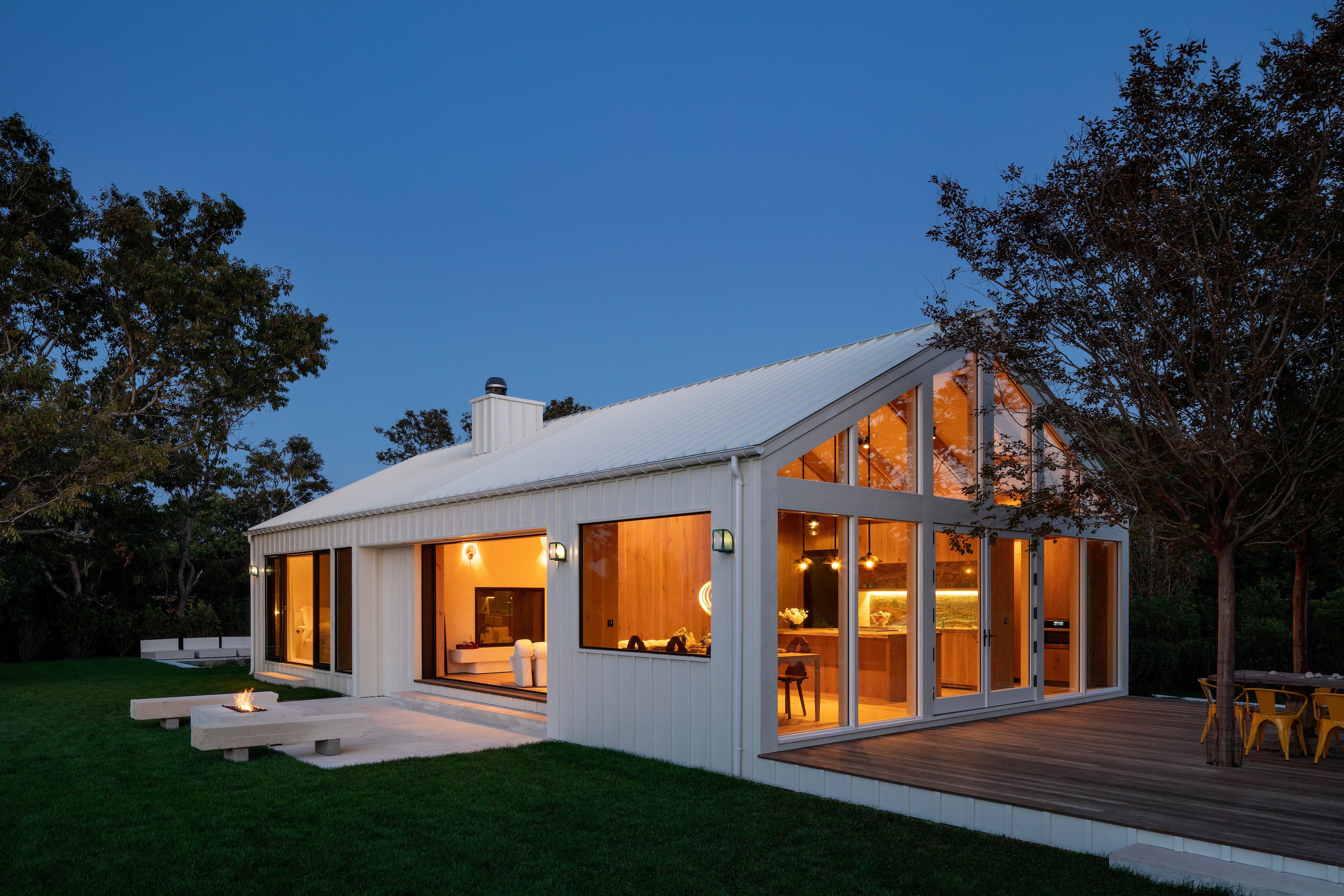
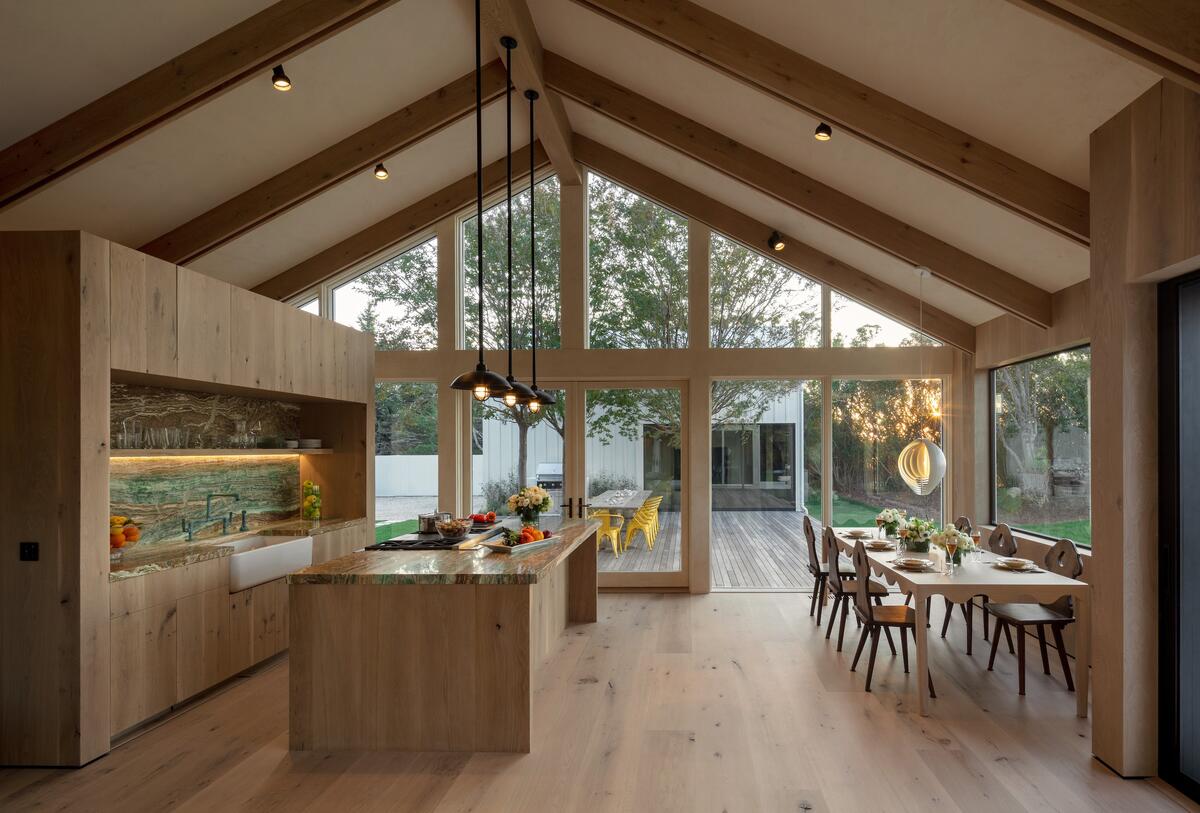
Architecturally, my house resembles a modern barn—an A-frame structure with a lot of glass. The sun sets on Gardiners Bay directly outside it. As a designer, I was challenging myself to create a natural, serene, minimalist environment, which was a departure for me. But for my lifestyle out on Long Island, it was important to create that ambiance. The lighting had to work in unison with my materials, including Japanese plaster walls and white oak slab flooring full of character. And I didn’t want to detract from the outdoors. As the day passes and the sun changes, I wanted the light inside to mimic and complement it. That’s where Lutron’s wireless Ketra system came into play.
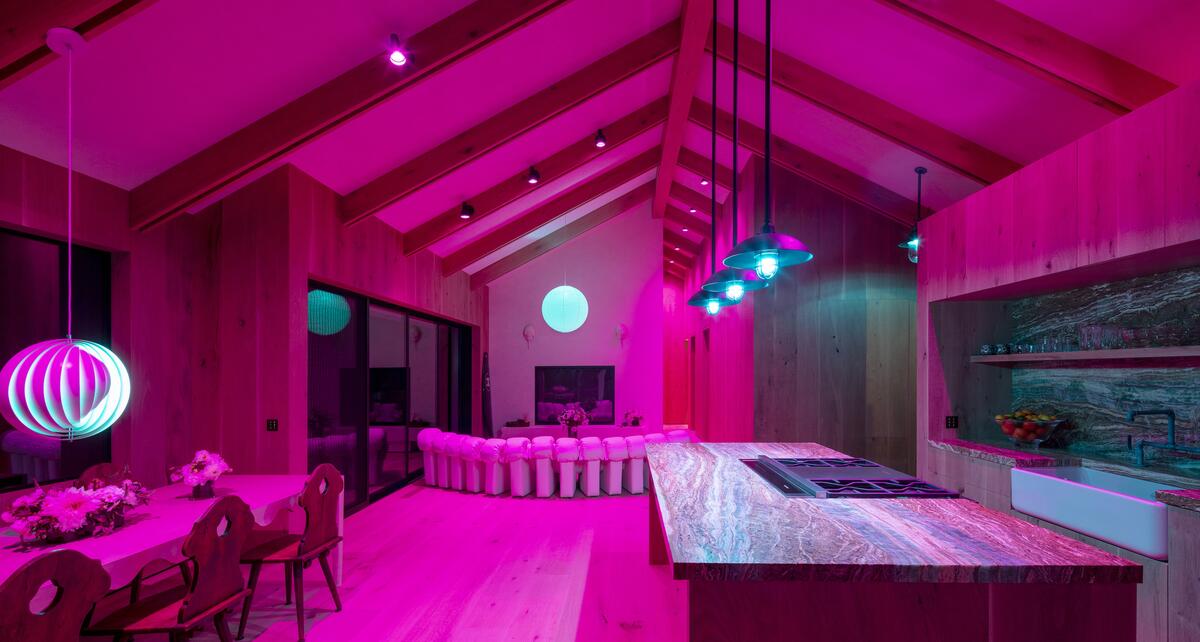
I entertain a lot, and actually had my wedding at my house. I fell in love with the Ketra colored light system and how I was able to use Lutron’s app on my phone to pick every single shade in the rainbow for every single light in my home. I had all these fun settings for my wedding that I still use today: a pastel colorway, more of a primary colorway, a jungle theme, a red theme, a pink theme. I did a Rembrandt-like lighting feature for when we have late-night drinks, and a candlelight atmosphere for dinner parties. It’s fun to play around with the technology, but it’s more than just lighting your furnishings; it enhances your lifestyle. That was the first time I fully understood it, and it is knowledge I applied to a new build I just finished in Telluride, Colorado, where the owners are major art collectors and the home is also basically glass flooded with natural light and surrounded by a picturesque mountain landscape.
When adding the Ketra lighting system to your Hamptons home, what controls did you choose?
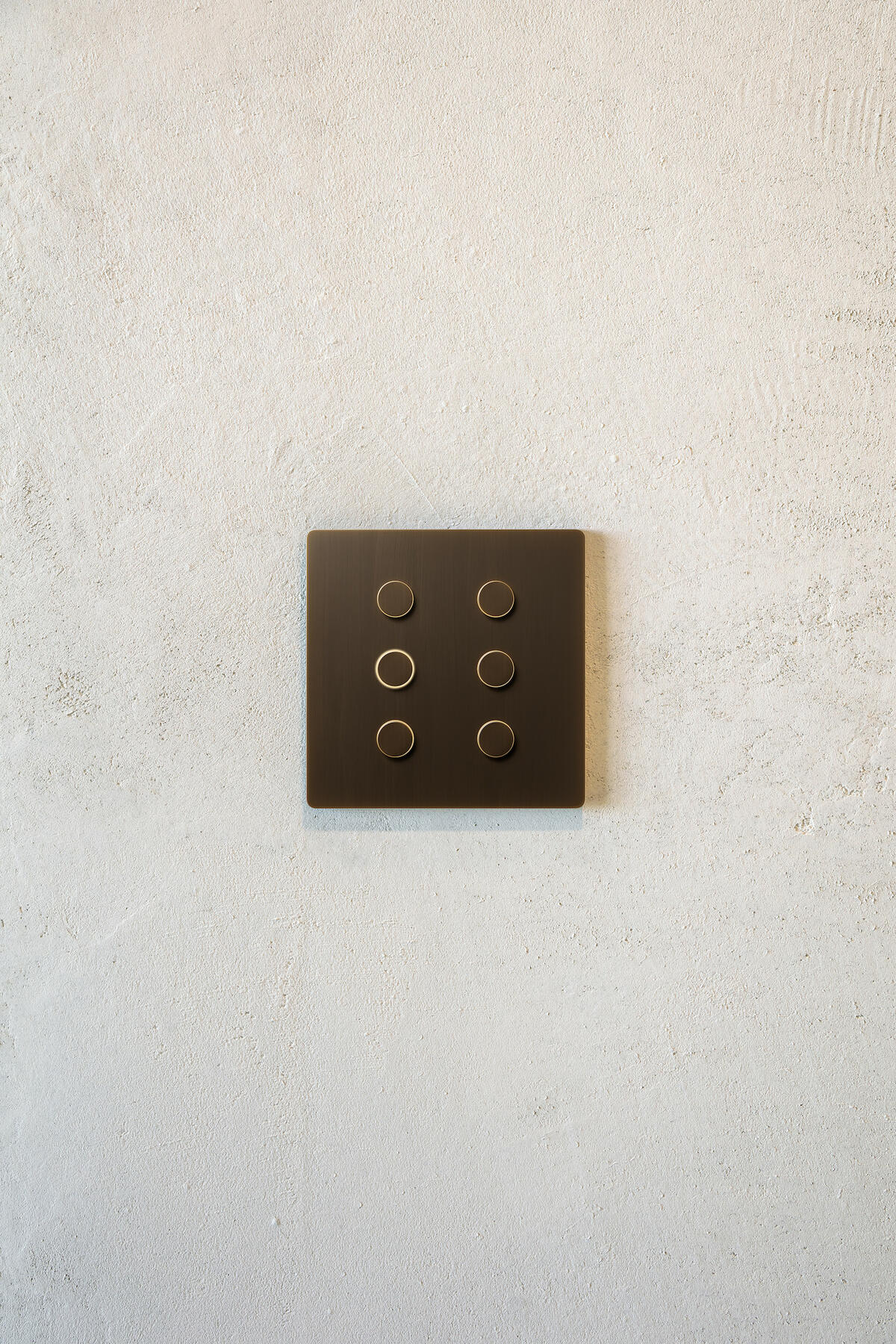
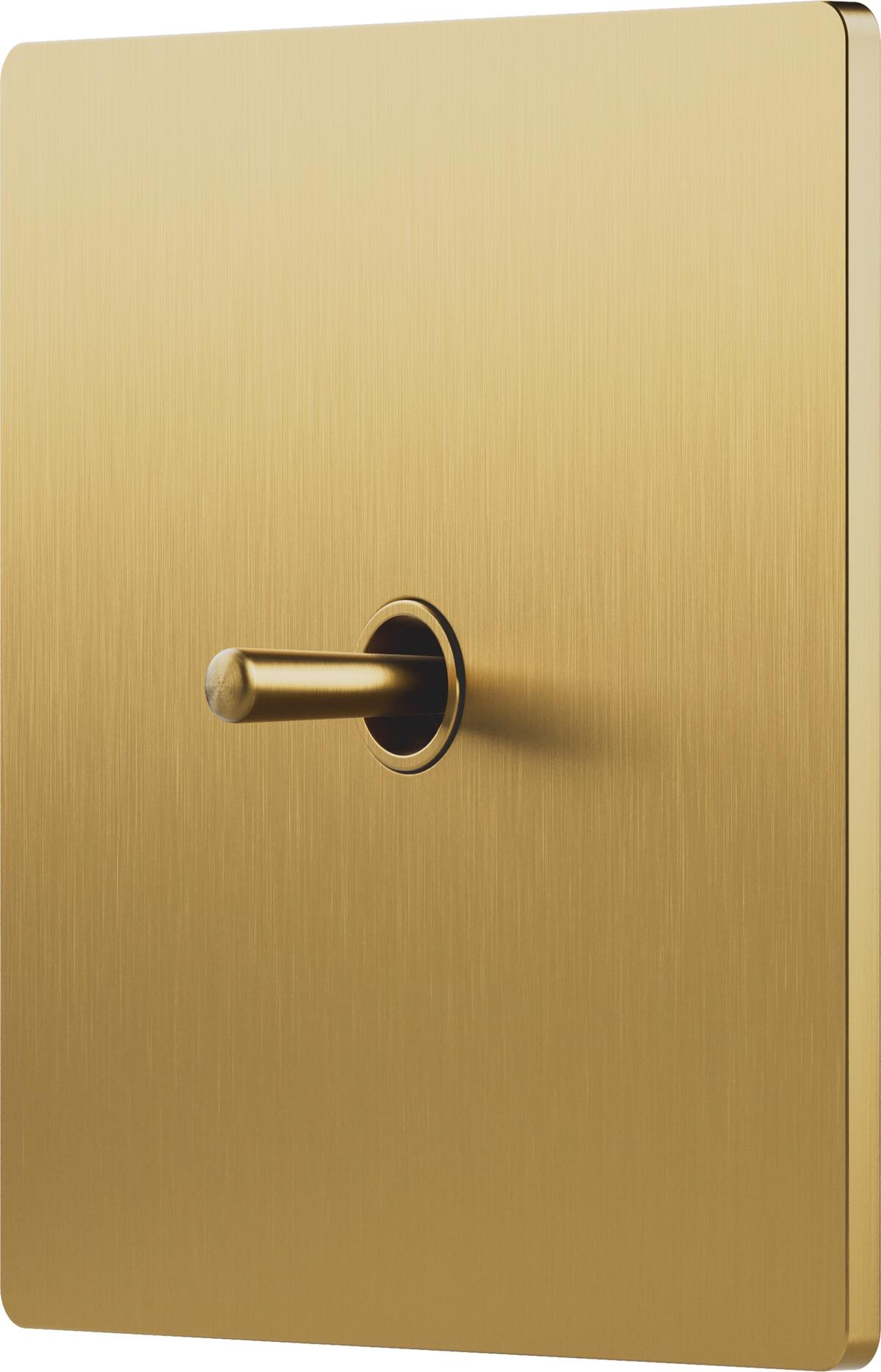
I use Lutron’s Alisse keypads in Aged Bronze throughout the house. Those controls are integral to my process because they’re so minimal and elegant and come in so many different finishes. The bronze matches the casings of my sliders and windows. Alisse has beautiful rounded edges and thin halos of light around the buttons. The panel lies quite flat against the wall. Also, you can custom-engrave your labels, which is fun. At home, I did “Arrivederci” and “Spa.” The panels come in different sizes, so a six-button version would allow for more personalization. It adds another level of luxury to a space. I used Alisse in the Telluride new build as well, integrated with Lutron’s Palladiom wire-free shades.
What other Lutron lighting have you used in your design projects?
I’m using Lutron’s architectural lighting for a new build in Bridgehampton—trim, high hats and more. Lutron is basically your one-stop shop to create layered lighting. From [controlling] decorative lighting such as chandeliers, sconces and lamps to architectural lighting [fixtures], it provides for all your needs.
Do you work closely with your local rep? Show up with a project outline and workshop a lighting proposal in the Lutron showroom?
Sometimes it’s done with the contractor, sometimes with the AV company, sometimes with the lighting designer. It depends what kind of support I have on the project. It takes teamwork to make the dream work, since whole-home lighting can be complicated. But thanks to Lutron, I feel like I have almost become a lighting designer by default—which has been interesting because, while it’s a career in itself, not all clients will hire a separate lighting designer, meaning it’s on me to take over that task. I’ve had to teach myself, and working with Lutron has been a huge part of my learning process. The lighting consultants at the company are so informative, helping select the products you need and the systems to seamlessly implement them. Going to the Experience Center is inspiring and eye-opening, because it shows you the endless creativity Lutron has to offer.
As an honorary lighting designer, what insider tips can you share?
When picking fabric samples, paint colors or materials—wood, stone, metal—they all look completely different in a showroom or in your office than they will within the space. Not to mention, all those colors and textures will also change over the course of the day, especially when it comes to paint and fabric and wallpaper prints. Under the precision of Lutron lighting, I’ve seen reds turn to oranges, and I’ve seen reds turn to deep purples. So I like to sit on my samples and play around with them before making a decision. I bring them to the Lutron Experience Center to see how they change in different temperatures of light.
What’s your secret spot for adding lighting in a home?
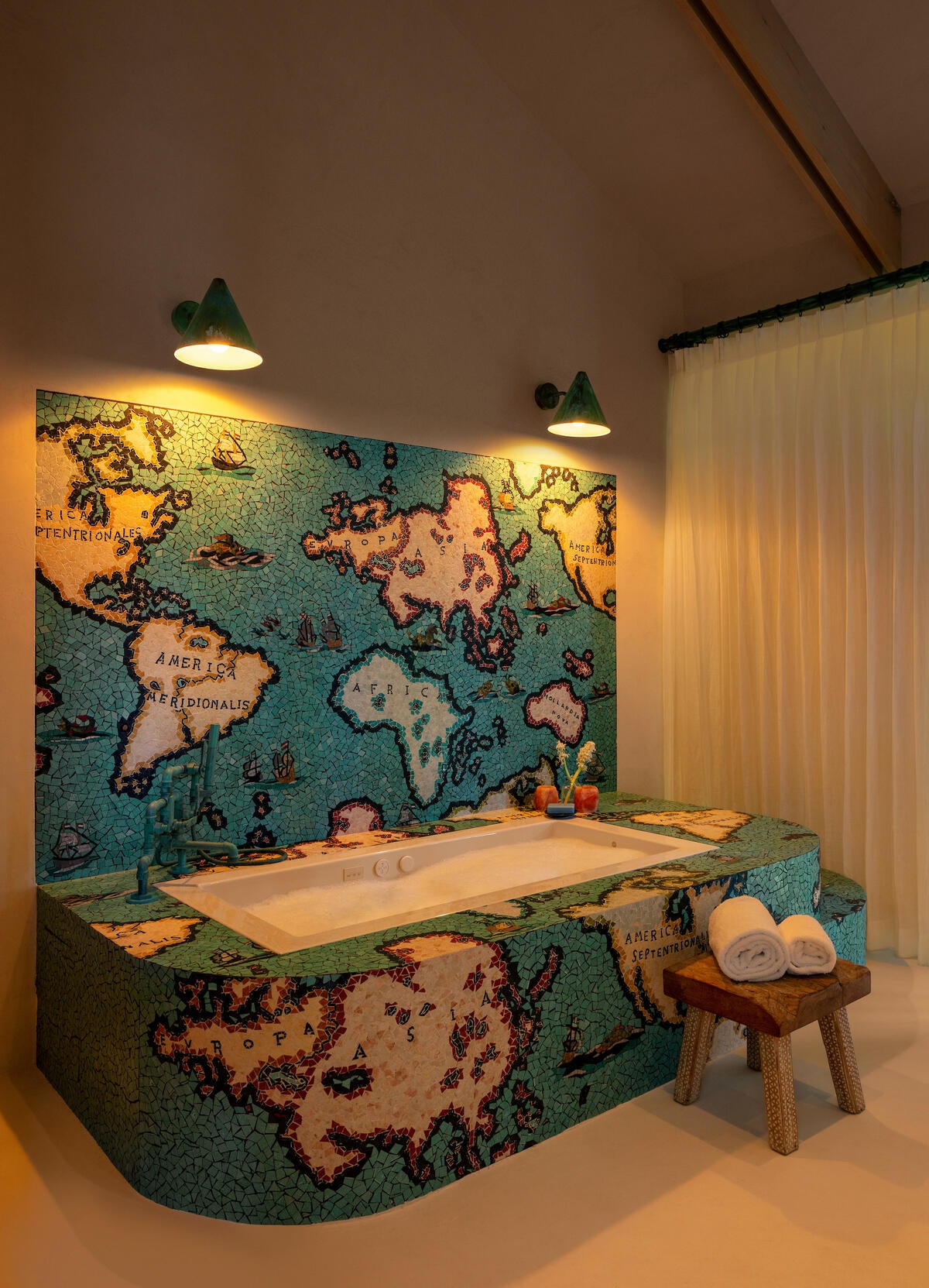
It’s more about the amount and quality of light than a special location. For instance, because powder rooms are where you might touch up your makeup but not apply it fresh or brush your teeth in the morning, I like when they’re a little bit darker. It’s more of a design moment, so I would suggest a lighting temperature that creates a moodier feel. With kitchens, I like to have the option of going bright. In my home, I have three pendants over my kitchen island, which is also my prep space; monopoint lights throughout; and under-light shelving. Even with my open floor plan, I have the option of keeping the kitchen bright but the dining and living areas shadowy and evocative for a dinner party. And in the bedroom, I like the ambiance of a dark room at night, but with individual reading lights, and bright for the morning. But I also have a bathtub in my bedroom, so sometimes I want it to feel like a spa, really Zen. Layering comes into play when different activities happen within the same space. So again, it’s less about where to add light and more holistic. You have to select lighting for your lifestyle. Having said that, something that’s being requested a lot right now is stair lighting. People like the contrast—and practicality—of a dark room with the steps leading up to it softly illuminated.
In addition to the Alisse, what other Lutron controls have you featured?
I’ve used the basic Pico controls, which come in white and eggshell. I’ve also used the Sunnata and the Palladiom. Lutron has so many options—the Alisse being the premier, most luxurious one, in my opinion!—but there’s a style to fit every budget and project. And in any shape or form, Lutron’s controls deliver the technology. Because the most important aspect is function.
Other companies may offer decorative metal keypads, but most on the market have either a commercial or casual, sporty feel where the switch is just a square-edged plate with a knob sticking out—kind of masculine and intrusive. In comparison, Lutron’s Aviena toggle keypad is so refined, while the Alisse subtly adapts to any style of interior: a more traditional space, a modern space, an art deco space. It’s a universal design that doesn’t distract from the overall aesthetic and architecture. At the same time, it uplifts the entire scheme because of its materiality and elegance.
The third category in Lutron’s home-tech trifecta is automatic shades and window treatments. How have you incorporated those in your interiors?
Recently, I’ve been working with a lot of new builds and what I would call transitional architecture, where the style is not “contemporary contemporary,” but the windows are very modern in terms of scale and casing. Everyone wants floor-to-ceiling glass windows, large sliders. Lutron meets the moment with window treatments that are equally streamlined and modern. It has different complementary selections in terms of transparency, texture and even color. The palette—with hues like Parchment, Wheat, Nickel and Slate—is still quite neutral, but you can easily find a color that unifies your space.
In my Colorado project, every single room features a different hand-painted wallpaper. One is a deep merlot color, but with accents of gray and cream. I was able to find a Lutron shade in the perfect cream-gray tone and pretty much match the texture of the silk wallcovering to boot.
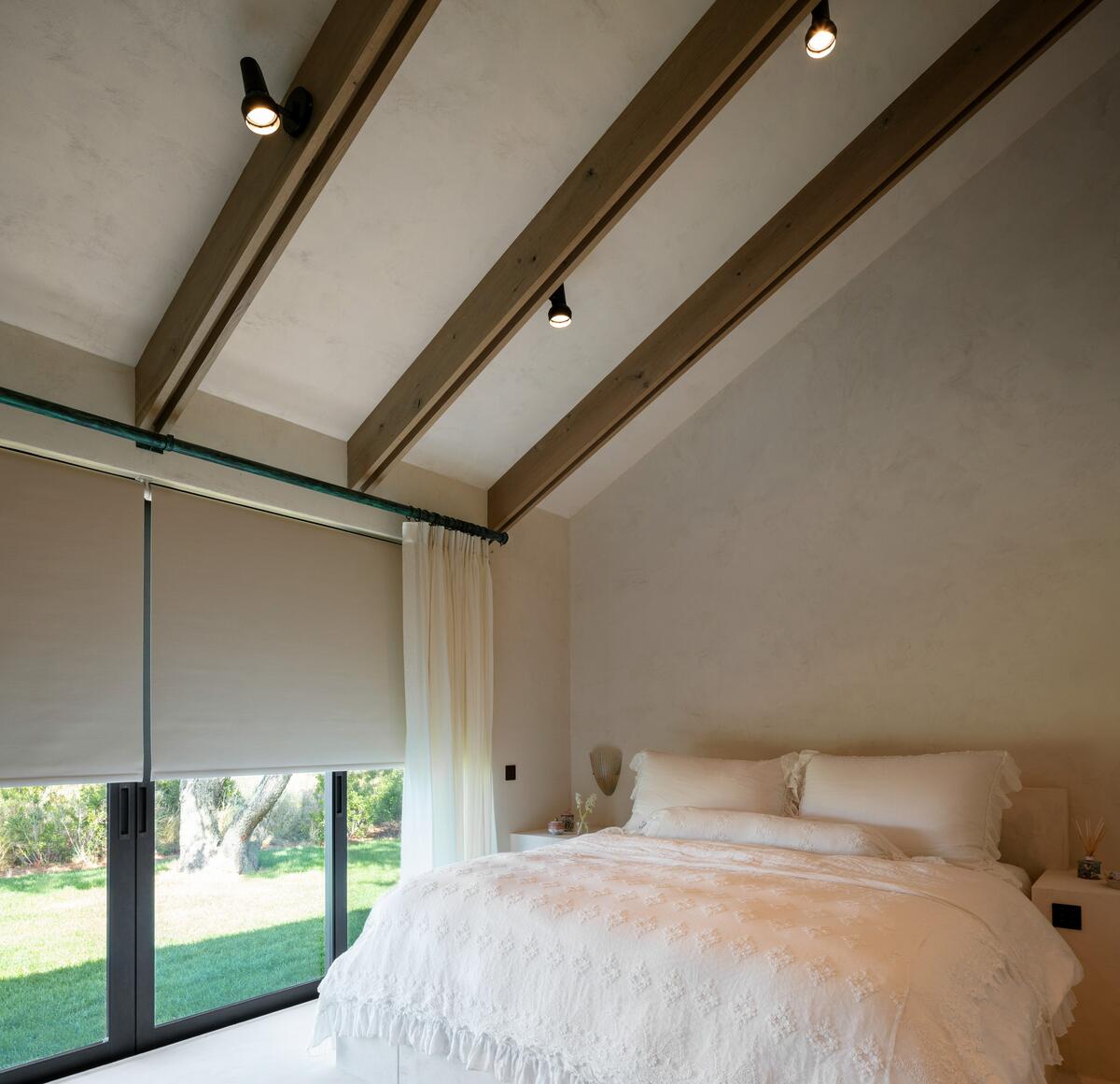
Same at my Hamptons house: I have this warm, cream Japanese plaster on the walls, and I paired it with a linen-like basketweave Lutron fabric that mimics the feel and exactly matches the color. When my shades are down, they look like part of the walls.
For all my projects, I just go through the Lutron lookbook and select a window treatment that either matches my paint color or wallpaper or contrasts in a complementary way with a pattern or fabric in the room to create a pleasing balance. I’ve had clients who want their shades to be completely blackout with sheer or semi-sheer curtains. And clients who want the opposite: blackout curtains but more transparent shades. It’s a question of layering with window treatments as well, and Lutron has choices for different approaches. I plan to use its motorized drapery in my Bridgehampton project. I used the Palladiom system in Colorado and was so happy with the results. Oftentimes, motorized rollers can be an eyesore, but this product houses the equipment in a sleek encasement that could be mistaken for a sculptural piece. When the right opportunity arises, I look forward to using Lutron’s automatic blinds too.
What else do you think other design pros should know about Lutron’s product portfolio?
As a designer and a creative, I’ve always felt challenged when it comes to technology, but Lutron has become a trusted partner for me with systems that are beautiful and easy to use. More important, I’m able to integrate its products, like controls and roller shades, with my more decorative elements. Lutron basically gives me the support, the blank canvas, to add all the crazy and whimsical embellishments I love. The materials are not in your face the same way, for example, an embroidered silk fabric would be, but that fabric can’t shine as curtains or upholstery without Lutron’s neutrals to anchor the space. Lutron is the olive oil or the salt in the recipe: It’s the essential seasoning you need to bring all the flavors together.
As you’ve introduced clients to Lutron, has the brand been a revelation to them too?
Technology continues to expand in the home space and become more advanced, which can be hard for clients to wrap their heads around. Millennials in general are more accustomed to it, but some older clients may be intimidated. When you show them the product, though, they’re immediately intrigued and want to get on board because they see how Lutron is not only an aesthetic choice and not only a convenience: It’s an investment that adds value to a home.
This story is a paid promotion and was created in partnership with Lutron.
Homepage image: With architectural Ketra downlights, designer Sasha Bikoff presets an array of evocative, ambient schemes at her Hamptons home | Courtesy of Magda Biernat Photography


 Withdraw Consent / Manage Privacy Preferences