









Last week, we got feedback about which design elements are overdone. This week, we’re flipping the script and asking 11 designers—Sara Alexander, Sandy Baisley, Libby Baker, Cyndy Cantley, Corinne Ekle, Lisa Erdmann, Mindy Kelson O’Connor, Sarah Magness, Marcela Restrepo, Lidia Valdivia and Jennifer Worts—to tell us what features they’d love to see more often.

All for Antiques
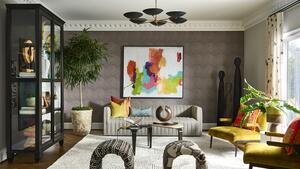
“Reuse and reinvention! We love incorporating vintage, antique or previously loved pieces—whether they’re found at a flea market, an estate sale, or even on Facebook Marketplace. Breathing new life into existing furniture reduces environmental impact and adds a layer of authenticity you simply can’t buy new. These pieces bring patina, history and character, making each home truly one-of-a-kind.” —Sandy Baisley, Re-Find, Boulder, Colorado

In the Details
“I’m amazed by how underused sheer drapery and living finishes [like unlacquered metals, natural wood and hides] are. There’s nothing quite like a metal that gracefully patinas over time or a curtain that softens daylight into something ethereal. Those subtle, sensory details add soul to a home—they remind us that beauty isn’t about perfection; it’s about evolution and atmosphere.” —Corinne Ekle, c2Design, Denver

Around the World
“The most underused design element is the mix of cultural, global and personal influence. As an immigrant, creating a new home taught me that design is more than color or materials—it’s about memory and meaning. The spaces that feel most alive carry pieces of who we are and where we’ve been. I always ask clients to think about what home felt like growing up: the textures, rituals and rhythms that made it familiar. Maybe it’s how people naturally gathered in one spot, or how certain spaces always felt comfortable without trying. Those details become the foundation for a home that feels emotionally true. I also draw from how people live around the world. In parts of Asia, rest happens closer to the ground; in Central America, people take time to sit outside and just be. I try to bring that sense of calm and connection into my designs—maybe with relaxed seating, easy indoor-outdoor flow, or spaces that invite people to slow down. When design reflects real life and culture, it feels less decorated and more like belonging.” —Lidia Valdivia, Moonstone Design & Build, Minneapolis-Saint Paul

Engage the Senses
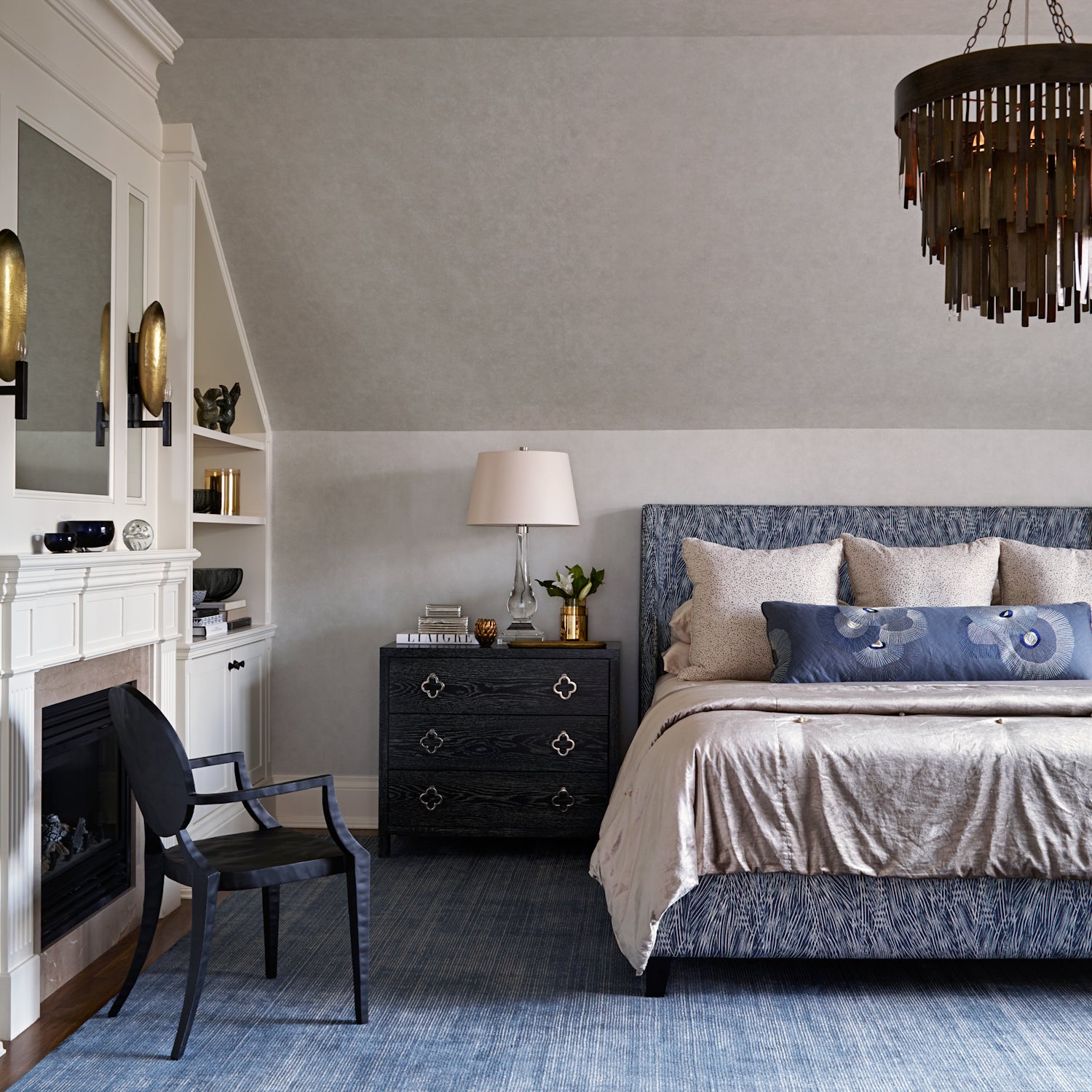
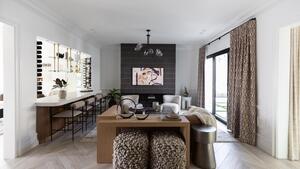
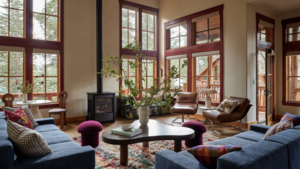
“It’s fascinating how texture, the silent partner in interior design, is so often overlooked in our current drive for visual minimalism and ‘clean lines.’ This aesthetic, often optimized to appear sleek and uncluttered in photographs, leads designers and homeowners to prioritize smooth surfaces and neutral colors. While this achieves a visually spare look, without texture, the space is inadvertently stripped of depth and character. The true power of texture lies in deliberate layering, providing a strategic contrast that engages both sight and touch. The subtle richness is created by intentionally blending finishes like sueded plaster walls with polished natural stone, or pairing plush mohair and textured pottery with warm natural woods, soft woven rugs, and sheer linen–draped windows. This variety is what transforms a visually spare space into one that feels like a quiet, warm embrace. It injects a palpable richness that gives the space depth, personality, and an undeniable sense of being fundamentally complete. The design can absolutely remain sleek, neutral and minimal—but the profound, subtle sensory impact texture has on those who inhabit the space simply cannot be understated.” —Jennifer Worts, Jennifer Worts Design, Toronto

Aging Gracefully
“What’s the most underused? Warmth and authenticity. I love when a kitchen has a little patina, aged hardware, marble that looks like it came from a wonderful old hotel in Europe, lamps and sconces that cast a soft glow, and pieces you’ve collected or, even better, inherited. That’s what makes it feel like home. Perfection fades, but character never does.” —Cyndy Cantley, Cantley & Company, Birmingham, Alabama

Less is More
“Negative space! Often when people are working on spaces, whether personal or professional, they tend to overload a space and fill every wall with something, whether it’s art, furniture or accessories. Negative space is the most underused because of the maximalist thinking we tend to have here in the States. Leaving a little wall space or extra room for the room to grow or breathe is much more pleasing to the eye and the soul.” —Libby Baker, Baker Design Co., Santa Rosa Beach, Florida

Functional Bathrooms
“In bathroom design, function is too often handled at the end—ventilation defaults to the shower door, and storage is crammed beneath the sink. But when these elements are architecturally considered from the start, they elevate the entire experience. In a recent project, we concealed ventilation above the shower enclosure, achieving a minimal glass frame and a cleaner, more refined outline. We also redirected storage vertically by integrating drawers into the sides of the vanity, keeping the piece visually sculptural and open while adding far more practical space. When ventilation and storage become part of the design language instead of disruptions to it, bathrooms feel calmer, more elegant and truly elevated.” —Marcela Restrepo, Lamarc Studio, Medellín, Colombia

Look Up
“The most underused design element is the design of the ceiling. The ceiling of a room is a large, often uninterrupted flat surface and is frequently forgotten as a design element. Whether the ceiling is arched, flat, coffered or peaked, there are so many interesting options that can enhance and add character to the space. Depending on the style of the home and the ‘look’ of the room, our firm will add an applied molding pattern, beams, wallpaper or plaster to create visual interest on the ceiling. Applied wood can be stained or painted depending on the style of the space. There are many different species of wood that can lend personality; for instance, pecky cypress, pine, mahogany, or poplar that can be painted or planked.” —Lisa Erdmann, Lisa Erdmann Interiors, Palm Beach

Radiant Glow
“Task lighting. Do you know why you feel so great in an upscale hotel? It’s all that task lighting. Floor lamps, table lamps and sconces create a mood and a feeling. Sure, a beautiful chandelier makes a statement, but they aren’t required to transform a space like task lighting is, to make a space feel warm, sultry and luxurious. Lighting is available at all different price points, and it’s probably the most accessible way to turn up the volume on a project and transition a space beautifully from day to night. Make sure to always stick with a 2700 Kelvin color or below for that warm glow.” —Sara Alexander, The Scale Collective, Tiburon, California

Comeback Era
“Glass blocks are definitely deserving of more attention right now—it’s making a comeback, but in a much more elevated and interesting way than the standard 4-by-4 blocks we used to see. Designers are getting creative with proportion and placement, using it not just as a nostalgic material but as a practical, light-enhancing feature. It’s a great solution for spaces that need privacy without sacrificing natural light. I’m currently specifying glass blocks for a project in New York, and I really do think it’s about to have its renaissance.” —Sarah Magness, Studio Magness, New York

Light the Way
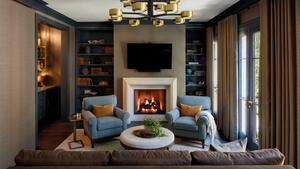
“I always think lighting is the most underused element in design in general. Poor lighting will limit the enjoyment of any space, either because it’s too dark and not warmly illuminated overall, or because the only lighting option is a standard box of recessed lights, creating a sterile feel. Layering lighting is paramount. Think about the placement of both overhead decorative and recessed lighting, as well as outlets for lamps in walls and floors, in conjunction with seating areas. A well-lit, beautiful room requires many adjustable layers—overhead fixtures, ambient lighting and task lighting—all working in concert with how the room is actually used.” —Mindy Kelson O’Connor, Melinda Kelson O’Connor Architecture and Interiors, Philadelphia


 Withdraw Consent / Manage Privacy Preferences