





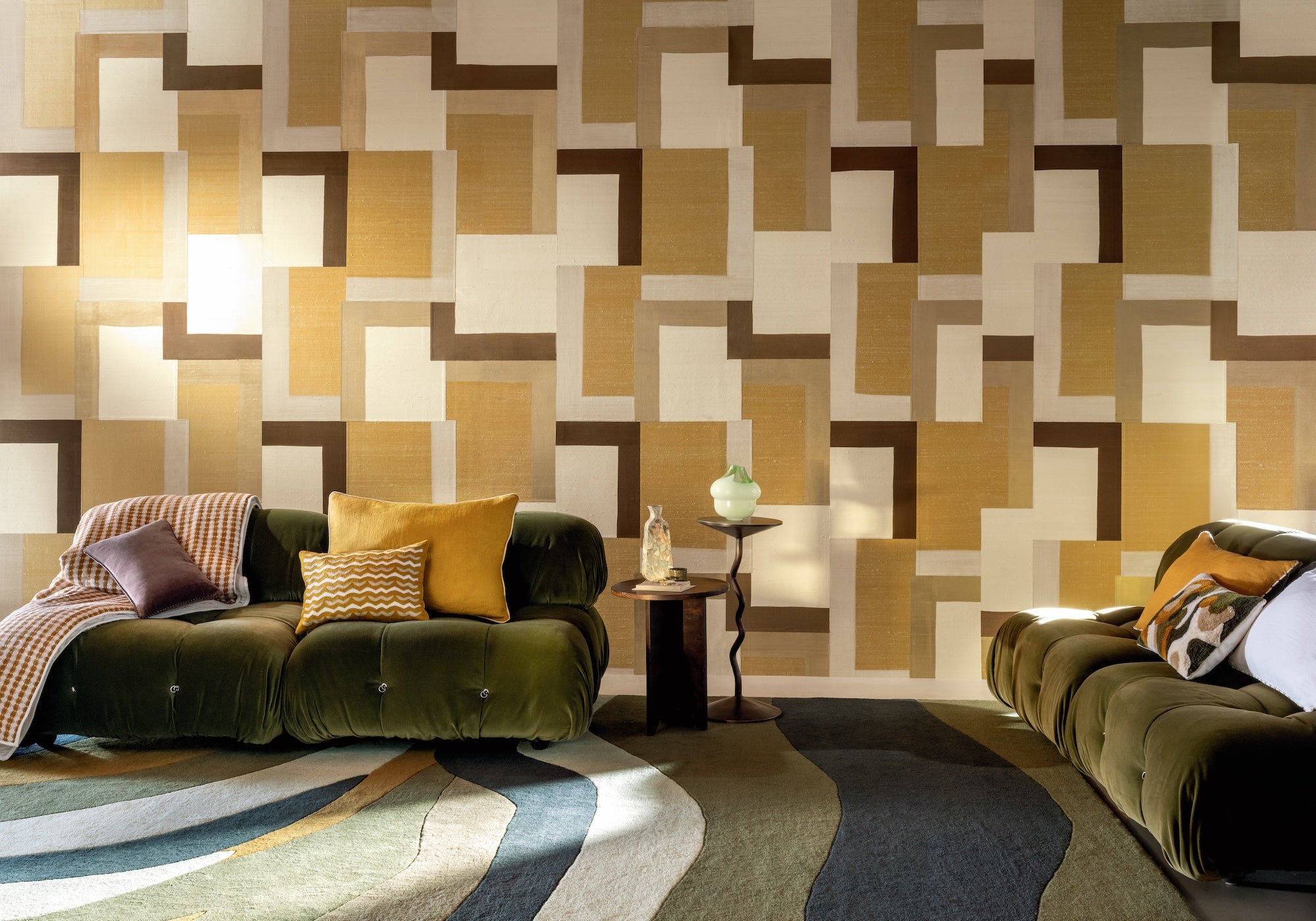

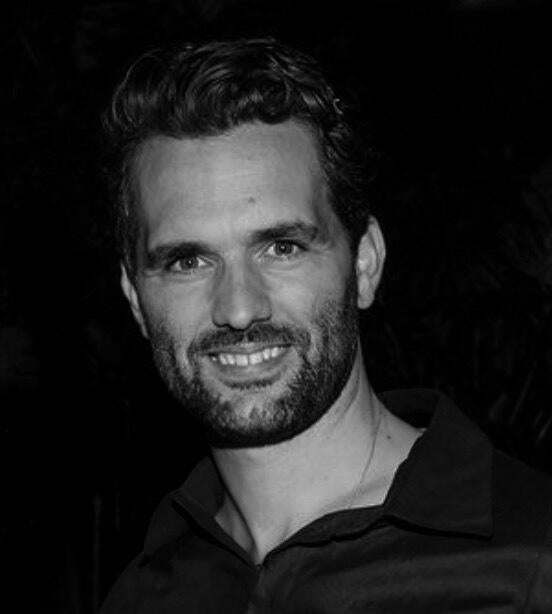
In the 1980s, Patrice Marraud des Grottes wasn’t happy with the direction of the textile industry and recognized a need for innovation. “He was traveling in India in the 1960s and ’70s for months on end, sourcing silks and different fabrics,” Élitis North America CEO Olivier Thienpont says of his company’s founder on the latest episode of The Business of Home Podcast. “He had a lot of inspiration, and he felt like there was an opportunity to do something a little more forward thinking rather than doing traditional damasks and prints and working from archives.”
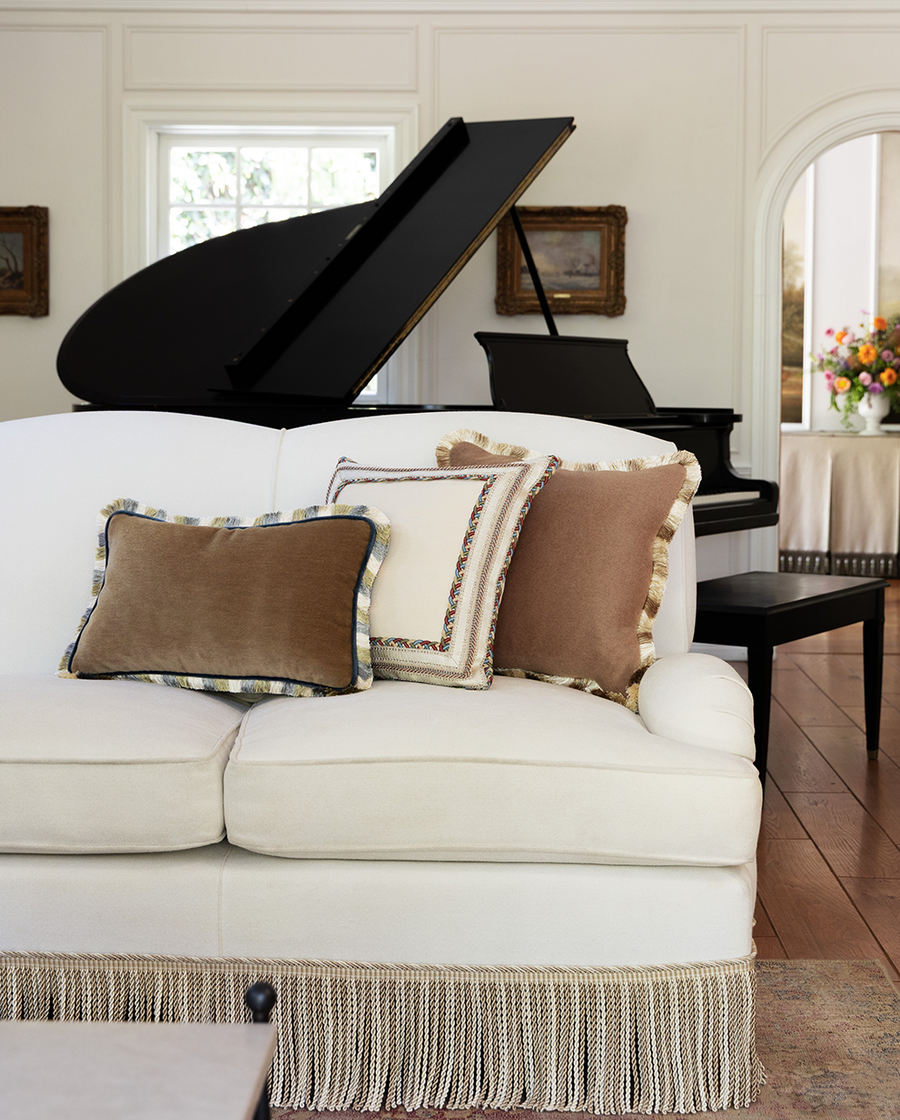
In 1988, Marraud des Grottes launched Élitis in order to offer more contemporary designs, and experiment with new production techniques. In the world of high-end fabric and wallcoverings, the brand was once described as an enfant terrible for its founder’s willingness to push a traditional industry to new places. It now exports to more than 100 countries, the U.S. being its largest market, with France in the second spot.
Along the way, Élitis has embraced the showroom model, opening showrooms across the U.S., first in New York’s D&D Building, then in Florida and Los Angeles; a Dallas location is launching this spring. “Showrooms give you the opportunity to showcase and also radiate the DNA and the look of your brand,” says Thienpont. “We try to create showroom spaces where people feel very comfortable, and like they want to stick around. I feel when I go out and explore, I can easily walk into five different showrooms and nobody saw me, nobody said hello, and it feels a little cold. So we want to counter that and create a warm atmosphere. [Designers] want to feel the fabric. They want to have a conversation in person and take the time to really see and feel, because at the end of the day, everything is very tactile. How does the color look in artificial light? How does it look in daylight? We’re doubling down on this.”
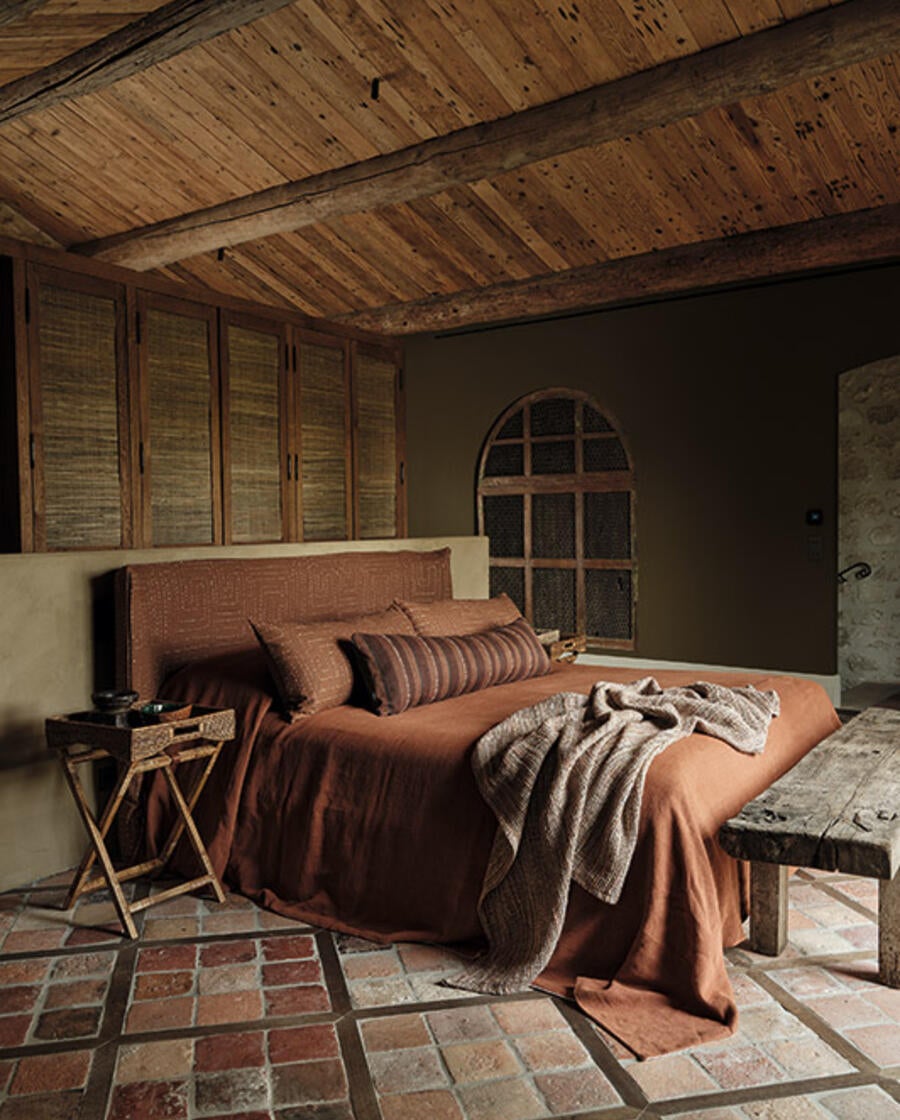
Crucial insight: An investment in showrooms doesn’t mean Élitis is only betting on brick-and-mortar commerce. “There’s a whole segment that potentially only shops online, right?” says Thienpont. “It’s important that we can make people dream, and that we can really showcase how our product can be used. We often rent beautiful spaces or a house in the Mediterranean, where we have stylists and photographers sending product installations. As you can imagine, it’s very costly, but it allows us to really stand apart and make people dream and see different settings. Even today, with all the 3D renderings and AI products, and all that you can [do to] create videos with a prompt, I haven’t seen any that are up to the level where it needs to be. [Considering] the fact that it’s all texture and tactile, you can’t have the same effect as photographing the real product.”
Key quote: “I think we all were anticipating it to be a rough year, but in the end, it turned out well. The market has proven to be very, very resilient. And I think as long as demand is there, it seems like at least the stock market is keeping up. We’re in the luxury segments. People just kept going.”
This episode is sponsored by Ernesta and Sixpenny. Listen to the show below. If you like what you hear, subscribe on Apple Podcasts or Spotify
The Thursday Show
Host Dennis Scully and BOH executive editor Fred Nicolaus discuss the biggest news in the design world, including a major tariff development, a platform that aims to make purchasing easier for designers, and the rise of the “one percent celebrity.” Later, publicist Michael McGraw joins the show to discuss his new collectible design gallery.
This episode is sponsored by Loloi and Morris & Co. Listen to the show below. If you like what you hear, subscribe on Apple Podcasts or Spotify







 Withdraw Consent / Manage Privacy Preferences