

















As much as they may wish otherwise, designers can’t be in two places at once. This week, we asked seven pros—Dora Dmitriev, Ariella Duker, Coco Greenblum, Harper Halprin, Aaron Leshtz, Chanel Sansregret and Corbin See—their tips for leading projects from afar.

Coast-to-Coast Cooperation
“I’m based in New York and recently completed a two-year project in California. I am grateful when a client is willing—and genuinely excited—to collaborate across a distance. It means more exposure and experience, and often the opportunity to design in a different style. From the outset, we had honest conversations about oversight, site visit frequency and the associated costs. I can’t be in two places at once, but I committed to being fully present and completely focused when I was on-site. Together, the client and I built an estimated project schedule around the scope of work, with me traveling every four to six weeks for three to five days of total immersion. I also leaned into my network of West Coast designer friends and colleagues for local resources: wallpaper installers, workrooms and trusted tradespeople. Tapping into those relationships proved invaluable and a wonderful reminder to be generous with your network—you never know when you’ll need a trusted referral in return. One unexpected discovery: Distance creates a particular kind of efficiency. The days were planned ahead with precision—shopping trips, contractor and vendor meetings, and dedicated time with the client—which made each visit exhausting but remarkably productive. Between visits, Zoom, FaceTime, and a shared Google Drive with access to all project documents, communication remained seamless and the client felt genuinely supported by me and my team.” —Ariella Duker, Ariella Duker Interiors, New York
Strong Team
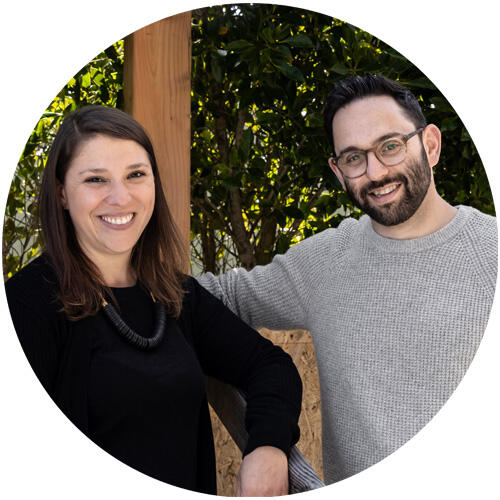
“Managing remote projects successfully comes down to accepting that design is only the first step; much of the work lies in the execution, which is entirely dependent on the village you build around it. As a boutique studio of architects and interior designers, we’ve learned through our hospitality and retail projects across the country that a remote project is only as good as the team. To successfully implement a vision from afar, you must establish airtight responsibility matrixes, standard operating procedures (SOPs) and transparent communication channels from day one; however, even the most rigorous processes will fail without the right people. We place an immense emphasis on the team we surround ourselves with—not just our internal staff, but local contractors, subcontractors and client teams who act as our eyes and ears on-site. If you don’t have a trusted, collaborative network aligned on the same goal, designing spaces from afar could never truly be realized.” —Harper Halprin and Aaron Leshtz, AAHA Studio, Los Angeles

Seamless Connection
“Roughly 60 percent of my projects are out of state, so we’ve built our process around making distance feel seamless, and it really comes down to communication. Frequent check-ins with both the client and general contractor, regular Zoom meetings, and curated sample packages keep everyone aligned and ensure confident decision-making. It’s also important for clients to feel involved, even when they’re not physically present. Clear communication, detailed presentations and a consistent cadence of updates help build trust throughout the process. And when the project allows, I make regular site visits throughout the construction phase to review progress and details, answer questions in real time, and ensure the design is executed as intended. While nothing replaces being on-site, a thoughtful process and consistent communication keep everyone connected from start to finish!” —Coco Greenblum, Studio Coco Greenblum, Los Angeles

Tap Locals
“Successful remote projects come down to process, trust and communication. I work with local contractors who understand that protecting design intent matters as much as protecting the schedule, and we set ground rules early: who to call for what, how decisions get made, where information lives. Everything lives in one shared Google Drive, so nothing gets buried in an email chain. Drawings, detailed specs and finish schedules with install notes carry the weight remote oversight can’t. I add photorealistic renderings when needed so key details aren’t left to misinterpretation. Regular video calls, progress photos and virtual walk-throughs keep me closely involved and help catch issues early. Ultimately, successful remote projects rely on a team that trusts the process, communicates openly, and shares a commitment to executing the design with care.” —Chanel Sansregret, Studio Miles Design, Charleston, South Carolina

Don’t Miss a Milestone
“Depending on the scope of work and the amount of construction involved, we devise a site visit schedule at the beginning of the project to ensure we are present for all construction milestones. This way our clients know how many site visits to expect, and we can add more as needed. Otherwise, most communication occurs over video calls and email. We send our clients all fabric, paint and finish samples during the process to ensure there are no misunderstandings on-site. If the remote project involves complex construction details, we work with a local freelance designer to be our eyes on the ground.” —Dora Dmitriev, Dora Dmitriev Design, Hoboken, New Jersey, and Potomac, Maryland

Keep the Clarity
“Remote projects only work when the process is highly structured. We establish a clear rhythm of site visits, design reviews, documentation and decision-making from the beginning. We also rely heavily on strong local partners like architects, contractors and site representatives who can communicate clearly and execute at the level we expect. We try not to design through endless Zoom meetings. Our team develops the work internally, packages it clearly, and then presents focused decisions to the client and project team. The distance itself is rarely the problem. Lack of clarity is.” —Corbin See, Sees Design, Dallas and Oklahoma City









 Withdraw Consent / Manage Privacy Preferences