





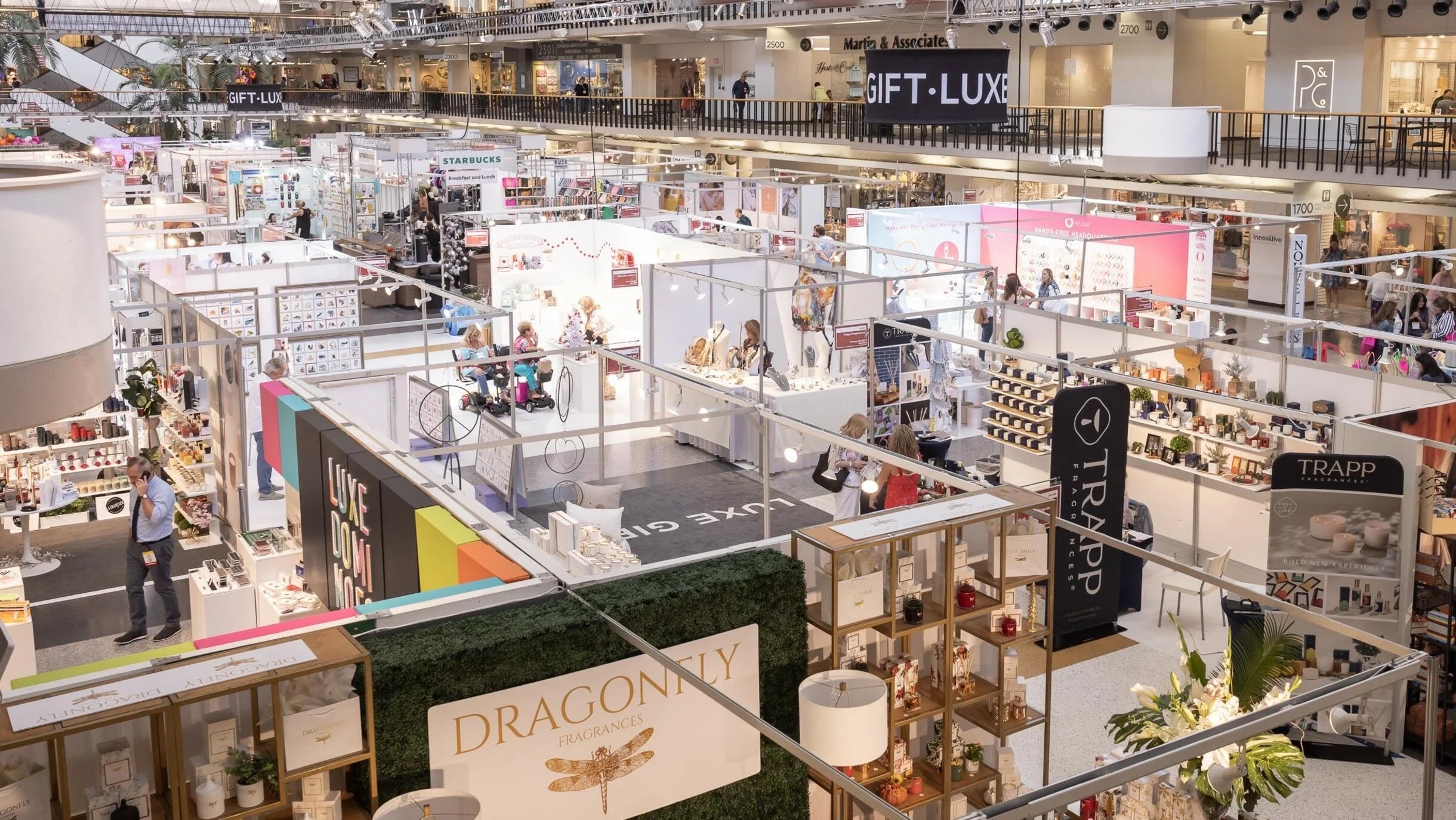

Something funny is happening in the home retail world right now: It’s going well. Despite weak consumer sentiment, the tariff tango, and a confusing economy, the holiday shopping season was surprisingly strong. Following that, retailers came to the January trade shows in Dallas (lighting, gift, decor, rugs) and Atlanta (decor, gifts, casual furniture) with empty shelves and high hopes, ready to stock up. Both shows reported robust attendance—organizers for each said it was their best in several January cycles. Still to come are the more regional markets in Las Vegas and New York, but there’s no reason to believe they’ll be substantially different.
Given the lackluster state of the housing market, which drives purchasing across the entire home industry, this wasn’t supposed to happen. So what tripped up the forecasts, and what does it mean going forward? To start answering the question, you have to backtrack to the spring of 2025, when the first wave of the Trump tariffs hit, causing mayhem in pricing and supply chains.
Imports from key Asian supplier nations, especially China and India, ground to a halt. When they eventually resumed, it was at higher—sometimes much higher—costs. Plus, there was damage from the interruption, coming as it did during a critical ordering period for the fourth quarter, including Christmas and seasonal goods.
By the time retailers began logging their orders, there was clearly less incoming merchandise. Combined with concerns about the overall strength of consumer spending, it simply meant most retailers had fewer products on their shelves.
That’s where the surprising thing happened. Shoppers didn’t appreciably cut back on their spending—as one gift industry executive said: “They were angry but they were buying”—and you didn’t need an Excel spreadsheet to see that less inventory coupled with strong demand translated to empty shelves.
That seems to be the best explanation for the strong buying activity at the shows so far this year. Retailers need the goods, and they are also optimistic that higher prices are not going to stop consumer spending.
But without the impetus of the holidays, will consumers still be buying, especially at higher price points? And with the aggressive stocking of those formerly barren shelves, what does it mean for retailers coming into the spring markets for furniture, textiles and tabletop—and then into the next round of shows in the summer? Will they be overloaded with inventory, or will shopping activity keep up at its late-2025 levels?
It’s the kind of conundrum the industry has dealt with for generations. Sometimes it wins, and sometimes it loses. For right now, it’s winning, and everyone is hoping things will stay that way.
____________
Warren Shoulberg is the former editor in chief for several leading B2B publications. He has been a guest lecturer at the Columbia University Graduate School of Business; received honors from the International Furnishings and Design Association and the Fashion Institute of Technology; and been cited by The Wall Street Journal, The New York Times, The Washington Post, CNN and other media as a leading industry expert. His Retail Watch columns offer deep industry insights on major markets and product categories.