









’Tis the season for department stores to ask themselves, once again: “Should we still be in the furniture business?”
At the moment, the few remaining furniture-selling floors have largely turned themselves over to the folks at Santaland, bringing in toys, seasonal trim-a-trees, and just about anything but home decor. Categories like home textiles, housewares and tabletop get some traction—who doesn’t love a nice air fryer or towel set under the Christmas tree? Even so, it’ll be back to business as usual come January. The problem is that, for department stores, usually there just isn’t enough business when it comes to furniture.
Some of the higher-end department stores like Saks Fifth Avenue and Neiman Marcus have been out of the furniture business for generations. Regional player Von Maur was never in the home game to begin with. Nordstrom has dabbled in the category—more on that later—but has never been serious about home. Belk carries furnishings in some of its larger formats and has at least one dedicated, freestanding home store, but many of its smaller locations just don’t have the space for much beyond a few decorative accessories. That leaves Macy’s (and its upscale sister, Bloomingdale’s) and Dillard’s as the main purveyors of furniture in the department store channel, though we shouldn’t ever forget Boscov’s, the Northeast chain that remains an anomaly in so many ways.
But the home business at all of these nameplates is a relatively small slice of the overall pie. Typically, these companies don’t come out and share exact figures, but industry chatter suggests that Macy’s does about 15 percent of its total business in the broader home furnishings category, or about $3.5 billion annually; corporate doesn’t break out comparable figures for its Bloomingdale’s division, but it is believed to be somewhere in the 10 to 15 percent range of its total volume. At Dillard’s, which has been on a bit of a hot streak recently, outperforming its much larger rival, home furnishings are said to account for a far smaller percentage of overall sales, somewhere in the range of 5 percent, or about $330 million. Much of that is in home textiles and housewares. Privately owned Boscov’s doesn’t share its numbers, but the word on the street is that it’s closer to the Macy’s percentage than the Dillard’s end of the scale.
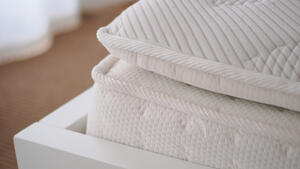
And furniture is a slice of a slice. Much larger, as percentages, are categories like mattresses and rugs. One of the dirty little secrets of the retail world is that mattresses are among the most profitable categories in all department stores. Even though they take up a lot of selling-floor space and require complicated logistical wrangling—typically deal-killers for stores hooked on shoes and little bottles of perfume—the margins are fat enough to be worth it.
That kind of profit opportunity may have played a part in Nordstrom’s more recent attempts to be a bigger player in the category. The retailer has long tucked a small department of home decor items like picture frames, throws, tabletop and paper goods into a corner of many of its stores, but when it opened its Manhattan location on the corner of 57th Street and Broadway in 2019, it featured a prominent two-floor home department with a bit of larger furniture in the mix.
This Christmas season at the location, home has been exiled and replaced with a holiday marketplace of stocking stuffers and giftables. One doesn’t know what will come of the space in January, but on sporadic visits over the years, foot traffic has always been light. Given that, it won’t be a shock if Nordstrom puts an end to its great home experiment—at least in stores.
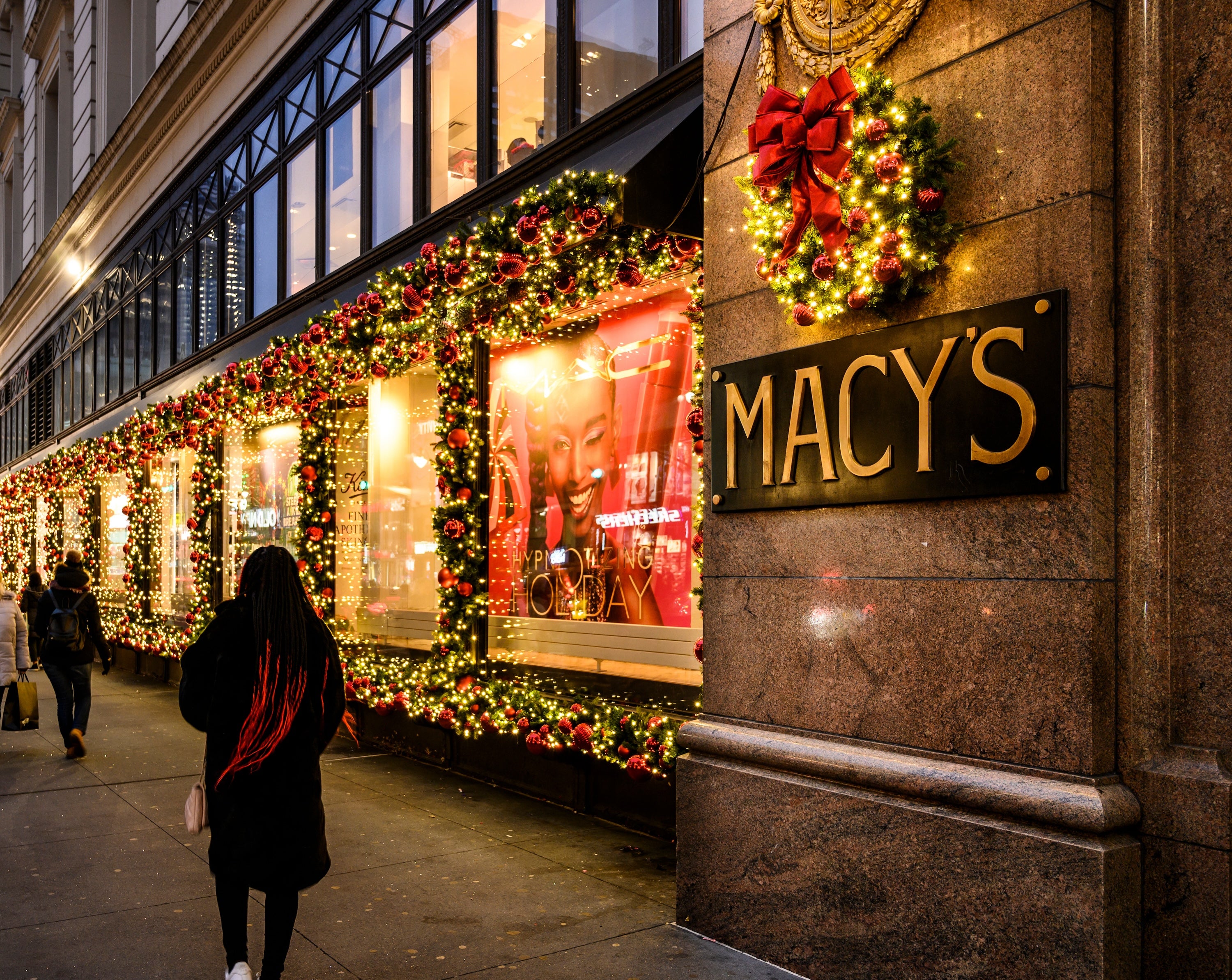
One also has to wonder what will become of home at Macy’s. Certainly textiles and housewares seem to be safe given their promotional value and ability to drive traffic on the brand’s endless sale dates. But as big downtown former-flagship locations continue to close in places like Philadelphia, Brooklyn and even possibly San Francisco, real estate becomes an issue for space-gobbling furniture departments. Macy’s CEO Tony Spring—ironically an executive who came up through the home side of Bloomingdale’s—has to be jealously looking across the mall at Dillard’s and its stronger numbers, wondering if making home a single-digit contributor to overall sales isn’t a better business model. It’s a given that mattresses and a usually leased rug department will be provided preferential treatment, but the days of rows and rows of sofas, headboards and cocktail tables could be closer to the end than the beginning for most Macy’s stores.
Or maybe Macy’s will take the leased department model to a new level, as it has with Toys R Us and some apparel categories. Could a Crate & Barrel furniture shop-in-shop be in the future at Herald Square, or perhaps Ethan Allen sections at Garden State Plaza or King of Prussia?
Department stores once carried everything from refrigerators to sewing machines, while Sears, back in its heyday, sold automobiles and even entire prefab houses. But increasingly today’s department stores are apparel and beauty specialty operations, albeit on a larger scale. It all begs the obvious question this holiday season: Is furniture the next category to go?
____________
Warren Shoulberg is the former editor in chief for several leading B2B publications. He has been a guest lecturer at the Columbia University Graduate School of Business; received honors from the International Furnishings and Design Association and the Fashion Institute of Technology; and been cited by The Wall Street Journal, The New York Times, The Washington Post, CNN and other media as a leading industry expert. His Retail Watch columns offer deep industry insights on major markets and product categories.




 Withdraw Consent / Manage Privacy Preferences