








Emily Thurman is deeply nostalgic. The Salt Lake City–based interior and product designer often finds herself daydreaming about objects and environments from her earliest memories—and imagining all the ways she can reinvent them. “So much of what I am drawn to in design ties back to the influence my grandmother’s home had on my developing mind,” she tells Business of Home. “My memories are rooted in sensory experiences of how materials felt, which I try to evoke in every piece I create.”
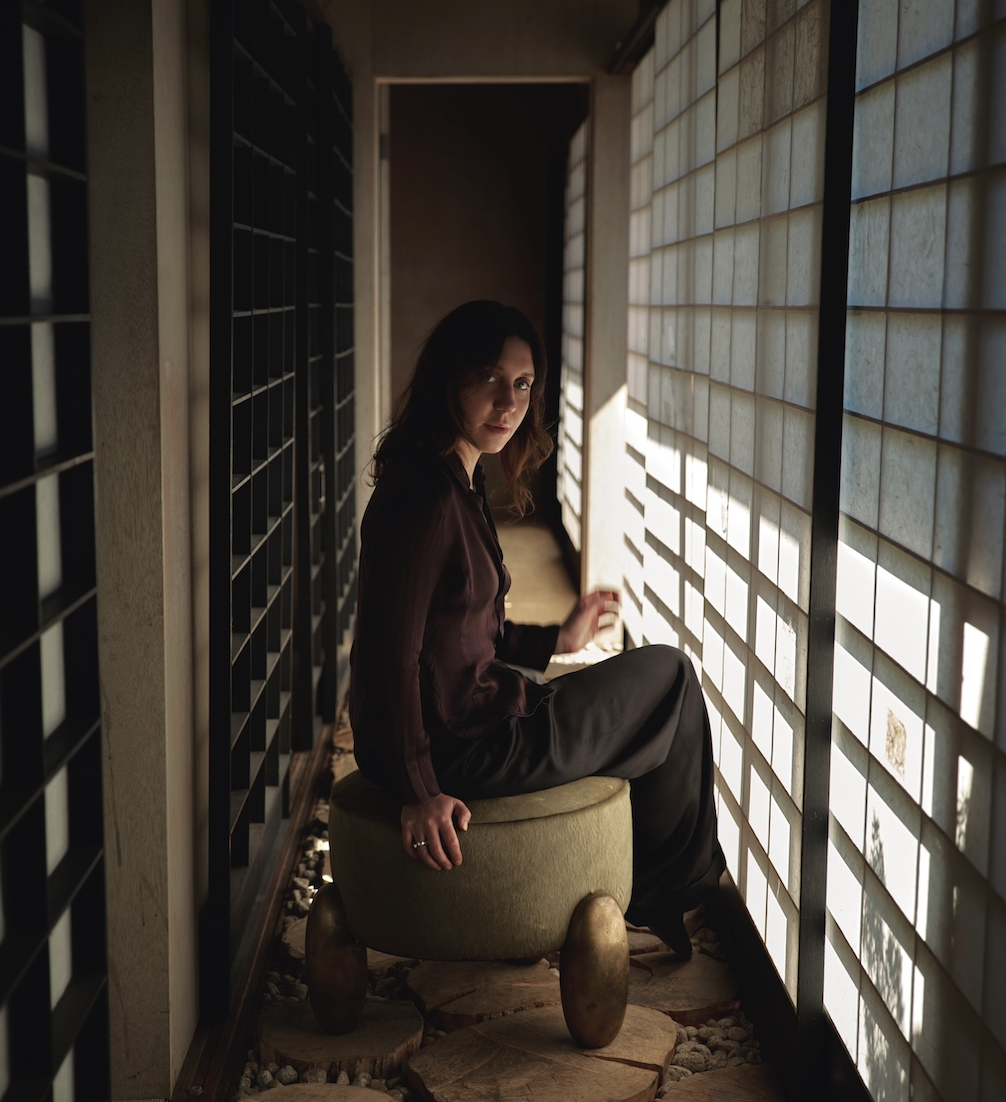
Growing up in the San Francisco Bay Area, Thurman frequently traveled to Central California to stay with her grandparents, who lived in an eclectic space filled with bespoke pieces (a cane-back bentwood chair; a French iron daybed) that her grandmother chose with help from an interior designer. “As a teen, I was constantly painting rooms, thrifting furniture and finding creative ways to transform my room,” she says. “Eventually, my grandmother would take me to galleries, and allow me to act as her art agent and consult artists for commissioned work for her home.”
She took on multiple internships at local design firms in high school before going on to study business and interior design at the University of Utah. After graduating, Thurman was hired by several firms to lead interior projects, which allowed her to oversee custom furniture designs and navigate the intricacies of the process. “I learned the language of communicating how to fabricate upholstery, carpentry, stone and metal, and formed a deep understanding of materials and classical methods,” she says.
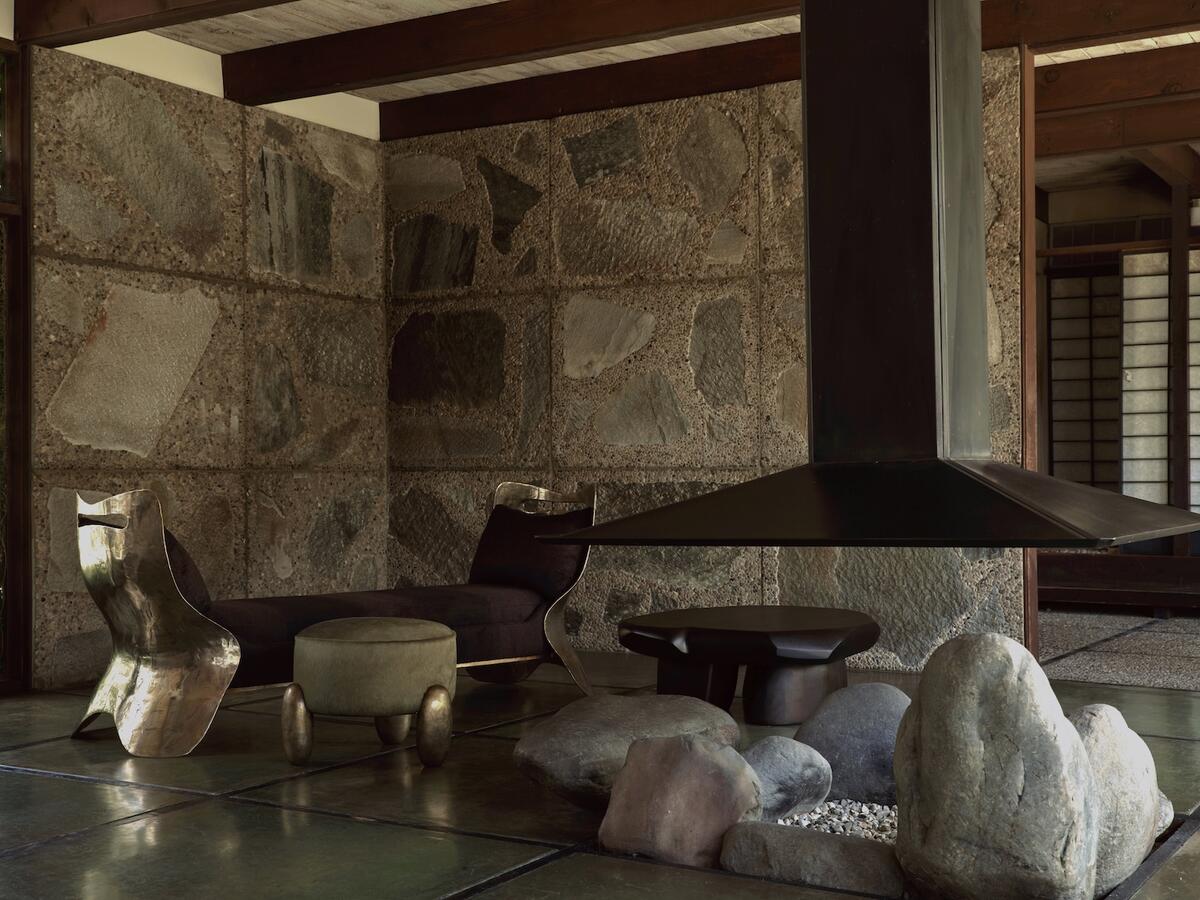
Thurman opened the doors to her namesake design studio in 2022, and immediately began percolating on the idea of crafting a furniture line that would draw on her experience in the custom furniture business as well as incorporate the talents of many of the artisans and makers she had come to admire. After sketching out a daybed, she called on Jack Marple of industrial design studio Orchestra to 3D-render the piece; she then made a plaster form that would serve as the lost-wax mold for the sculptural cast-bronze design. “I built the daybed with Tanner Boyes, who welded everything together and lent me his shop to hand-sand and polish the bronze,” she says.
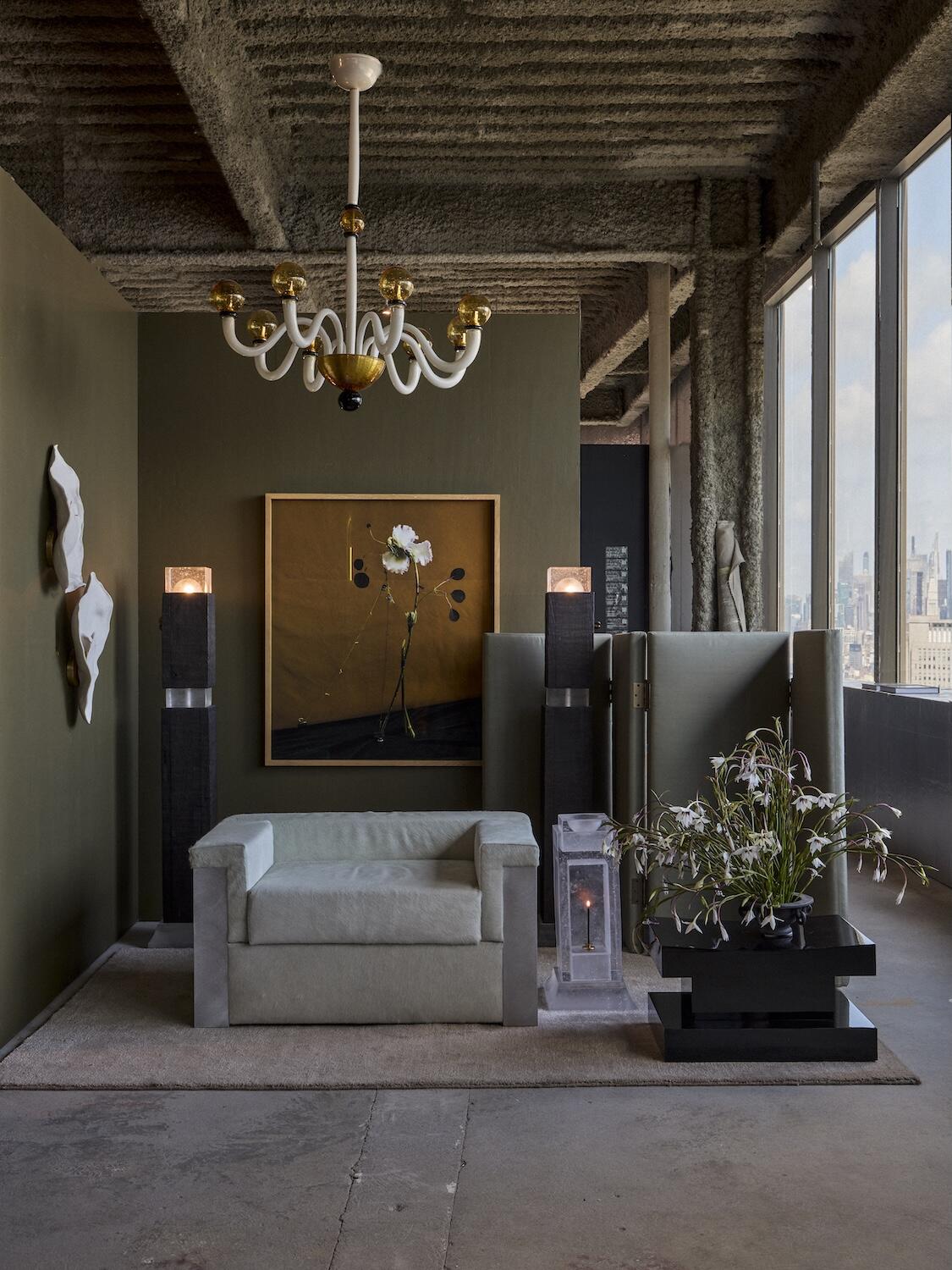
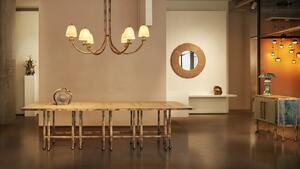
That daybed became the first of 14 pieces in Thurman’s Hundō collection, which debuted in full for the first time at NYCxDesign 2025 and includes the French oak and cast-glass Toteme standing lamp, designed with Alexis Mazin, and the ebonized cherry–topped Convivium, a stone dining table crafted in collaboration with StudioDanielK. “It was entirely self-funded, and showcased the full breadth of my work while highlighting my collaborative approach to design,” she says.
Some of Thurman’s designs are more demanding than others. The aforementioned daybed, for instance, requires more than 200 hours of welding, sanding and polishing. Her handblown cast-glass pieces, for which she creates cardboard prototypes and multiple molds, can take even longer to finish. “I often work directly on the piece, refining it with my fabrication partners until it feels right,” she says. “Every piece has evidence that it was made by a human.”
That meticulousness has paid off. In September, designer Michael Hilal showcased a selection of her works—alongside pieces by Mazin, Studioutte, Dana Arbib and Dominik Tarabański—in his booth at the Collectible fair in New York. Currently hard at work on a collection of porcelain furniture and lighting, Thurman plans to exhibit at PAD Paris in April. “After a decade of designing for others, it’s been liberating to create something purely my own,” she says, “and to discover my unique design language.”


 Withdraw Consent / Manage Privacy Preferences