











It’s been more than two years since Mitchell Gold + Bob Williams filed for Chapter 11 bankruptcy, ceasing operations at its nationwide retail locations and North Carolina–based manufacturing facilities. The company’s outlook changed quickly in the weeks that followed: A Delaware Court judge converted the case from Chapter 11 to Chapter 7 in October 2023, putting the company on track for liquidation in order to pay back creditors. Soon after that, fellow furnishings brand Surya acquired MG+BW’s intellectual property, manufacturing equipment and some of its inventory before relaunching the brand last summer. Despite that fresh start, proceedings related to the company’s Chapter 7 filing are still playing out—and now, a number of entities MG+BW did business with in the weeks leading up to its bankruptcy are in the crosshairs.
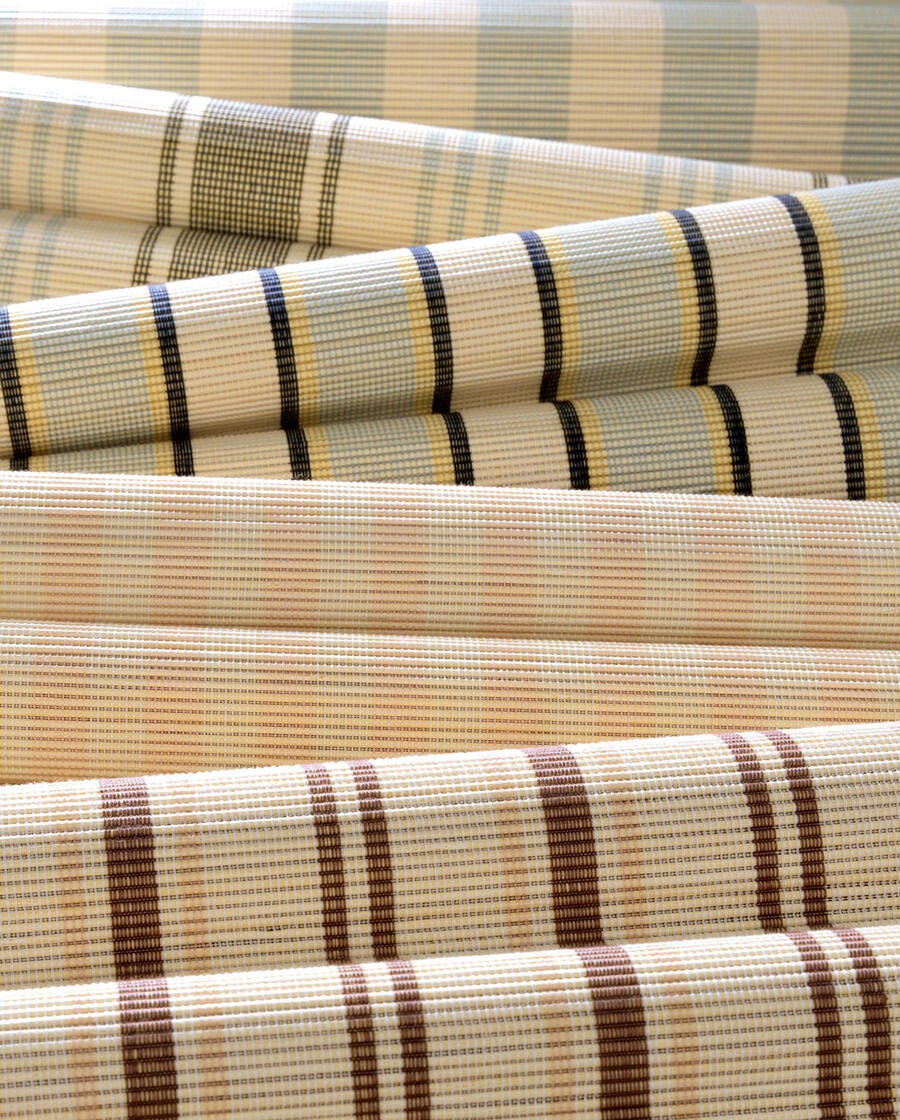
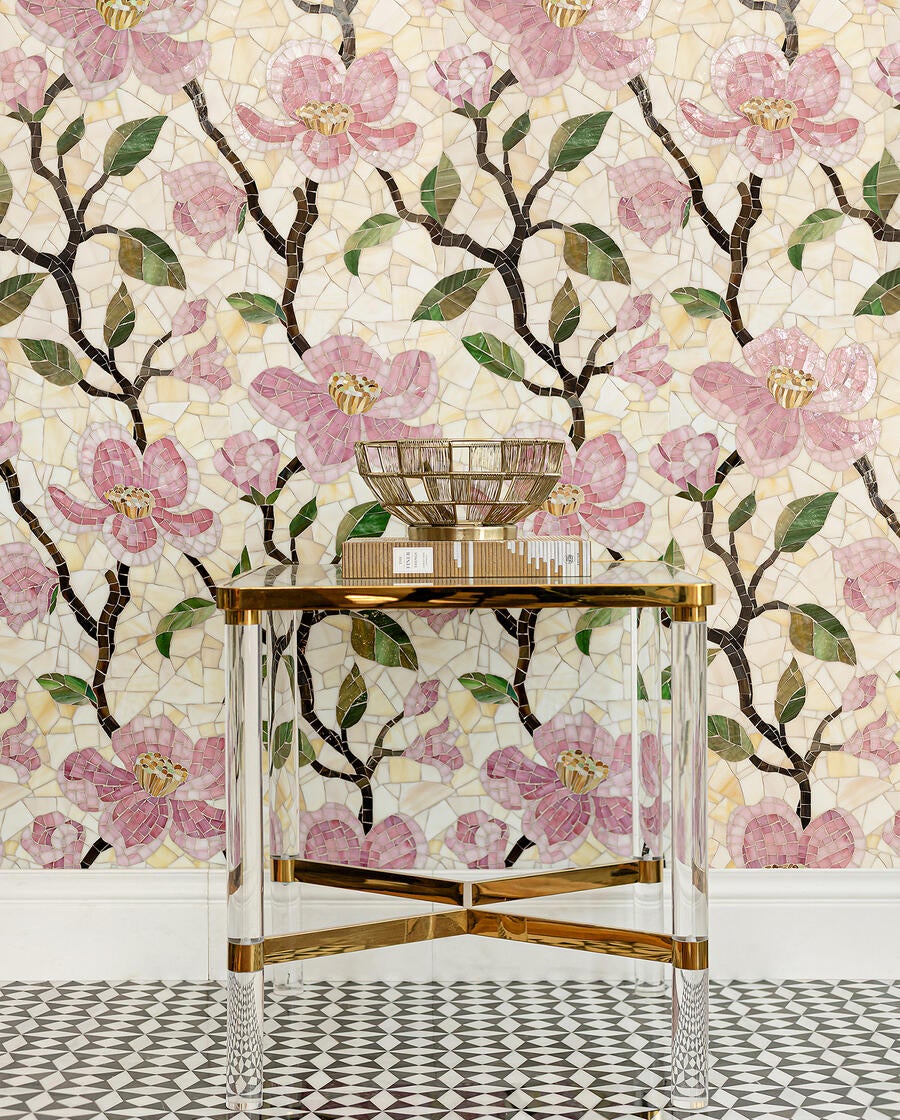
Eskayel is one of those brands. The company had partnered with Mitchell Gold + Bob Williams in 2022 to release a line of licensed wallcoverings. Even when MG+BW went under, Eskayel founder Shanan Campanaro felt compelled to fulfill orders that designers had already placed and paid for, even though her business never received the payment. “Since we provided wallpaper under our name—it was Eskayel for Mitchell Gold + Bob Williams—everybody who ordered wallpaper, [when MG+BW] folded and they couldn’t get in touch with anyone about their order, got in touch with us and said, ‘Hey, I placed this order with MG+BW. Now they’re closed. What can you do?’” recalls Campanaro. “So we fulfilled a bunch of orders that we never got paid for because our name was attached to it.”
Ultimately, Eskayel never received payment for roughly $8,000 in MG+BW orders—product the company chose to fulfill anyway so customers weren’t left in the lurch—in addition to royalties worth around $7,500 for the year. So it was all the more surprising when the company received notice in mid-October that the Chapter 7 trustee of MG+BW was suing them for the payments they had received for wallpaper in the months leading up to the bankruptcy filing.
How is that possible? Through the Chapter 7 process, the funds generated by the liquidation of the company’s assets are distributed among the bankrupt entity’s creditors. Those creditors also have another way to recoup funds—by going after what is classified as “preferential payments,” which is any payout made in the months leading up to the company’s collapse that gives the creditor more than they would have received through the bankruptcy process. Essentially, the idea is to prevent a distressed company from playing favorites when choosing which payments to make; the 90-day window implies that a company careening toward insolvency has chosen which debt to pay off while knowing that it would soon enter bankruptcy.
Not all payments made in those last three months are up for grabs—the law states that payments made in the ordinary course of business (recurring charges like rent or utility bills) are not preferential. But payments made to one supplier while another goes unpaid (which, crucially, allow that supplier to recover more than they would have following liquidation) are considered preferential, even if those suppliers were still left in the lurch with unpaid bills at the time of the Chapter 7 filing.
Eskayel is far from alone. A flurry of lawsuits hit industry brands last month, filed by George L. Miller in his capacity as the Chapter 7 trustee overseeing the MG+BW bankruptcy case. The filing names over 100 defendants—including familiar names like Perennials, Moore & Giles, Crypton Mills, and even Surya—in adversary proceedings, which seek to recover payments MG+BW made during the 90-day pre-bankruptcy period. (Business of Home’s parent company, Recurrent Ventures, is among the brands that have been served for payments made in the months leading up to MG+BW’s bankruptcy.)
According to the notice of hearing for the case, defendants are grouped into two categories: those whose total payments from MG+BW during that period were greater than $75,000, including Jaipur Living, Kravet and Pinterest; and those whose payments were less than or equal to $75,000, such as Crypton Mills, Four Hands and Perennials.
Individual filings between Miller and the defendants reveal the exact amounts the trustee seeks to recover, including $635,169 from Moore & Giles; $196,988 from Surya; $83,748 from Pinterest. It’s a tight timeline for some brands named as defendants, for whom the filing came as a surprise. And it can hit especially hard for smaller brands that already took a hit when outstanding payments from MG+BW never materialized amid the bankruptcy.
Anecdotally, lawyers say that most of these cases settle for a fraction of what the trustees are asking for in their suit. And especially for smaller sums, paying a fraction of the requested amount can be more cost-effective than fighting back. (Most brands reached by Business of Home declined to comment on the record.)
Still, some are pushing back: a process that involves retaining legal services and compiling documentation of dealings with MG+BW, including invoices and contracts for orders placed in the 90-day period, in hopes of proving that the company named as a defendant was not the recipient of preferential payments.
The case’s objection deadline was last week. Next up on the docket: A hearing date, set for November 20.










 Withdraw Consent / Manage Privacy Preferences