













Product Preview is a weekly series spotlighting the latest and greatest debuts in the marketplace. Check back every Friday for what’s new and notable.
Temperatures are slowly rising, and the race for spring’s biggest design trends is gaining speed. From table lamps with swirly pink glass shades to bio-based furniture finishes, here are some of our favorite launches this week.
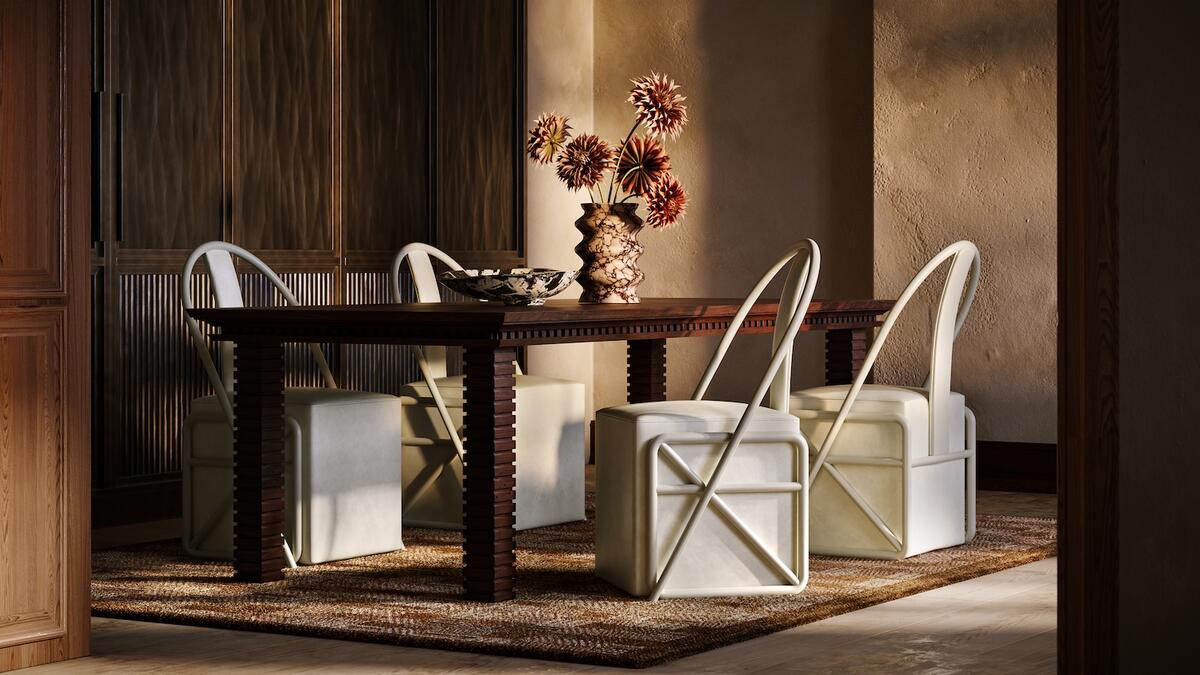
Abner Henry introduced 25 architectural designs into its Façade collaboration with The Metropolitan Museum of Art. Newcomers to the collection, which reimagines the exterior of the famed art museum as an assortment of Amish artisan–crafted furnishings, include the carved maple Cladding dining table, the arching Window chair and the red-oak Frame dining chair.
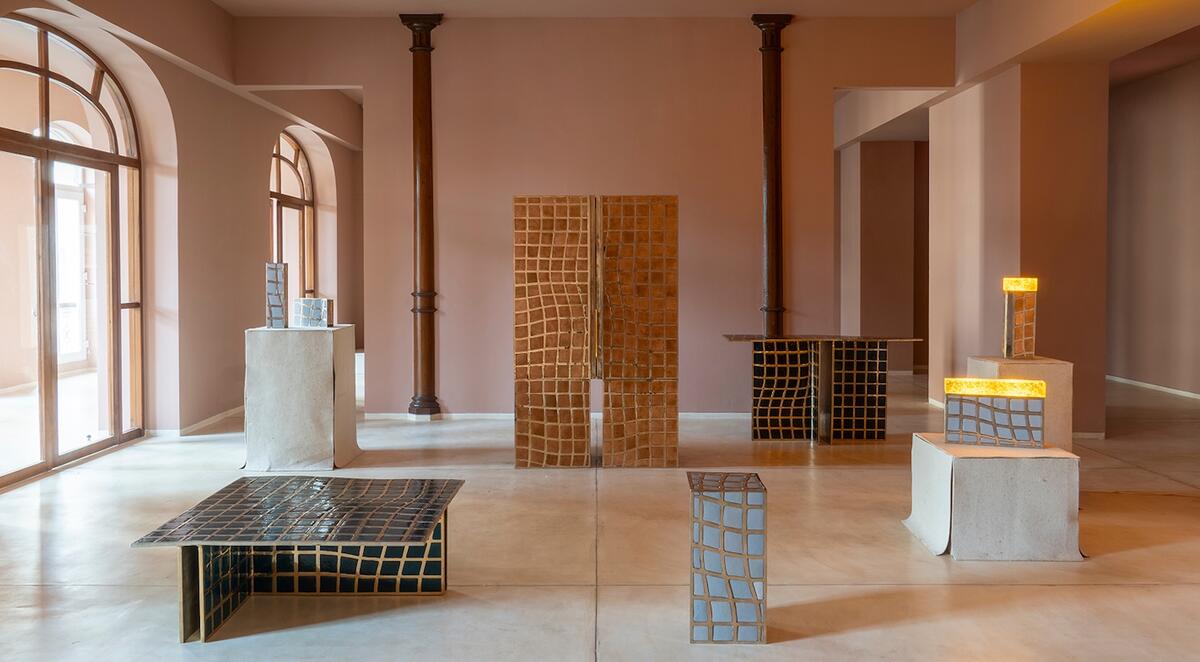
Kelly Wearstler released two artisan-made lines created in collaboration with Mumbai-based collectible design gallery Æquō. Lahar features 11 cast-bronze, grid-clad designs with hand-shaped enamel accents, including a bar cabinet, console, coffee table and floor light, while Tarang offers three burnt teak pieces—a bench, a chair and a stool—with arched silhouettes.
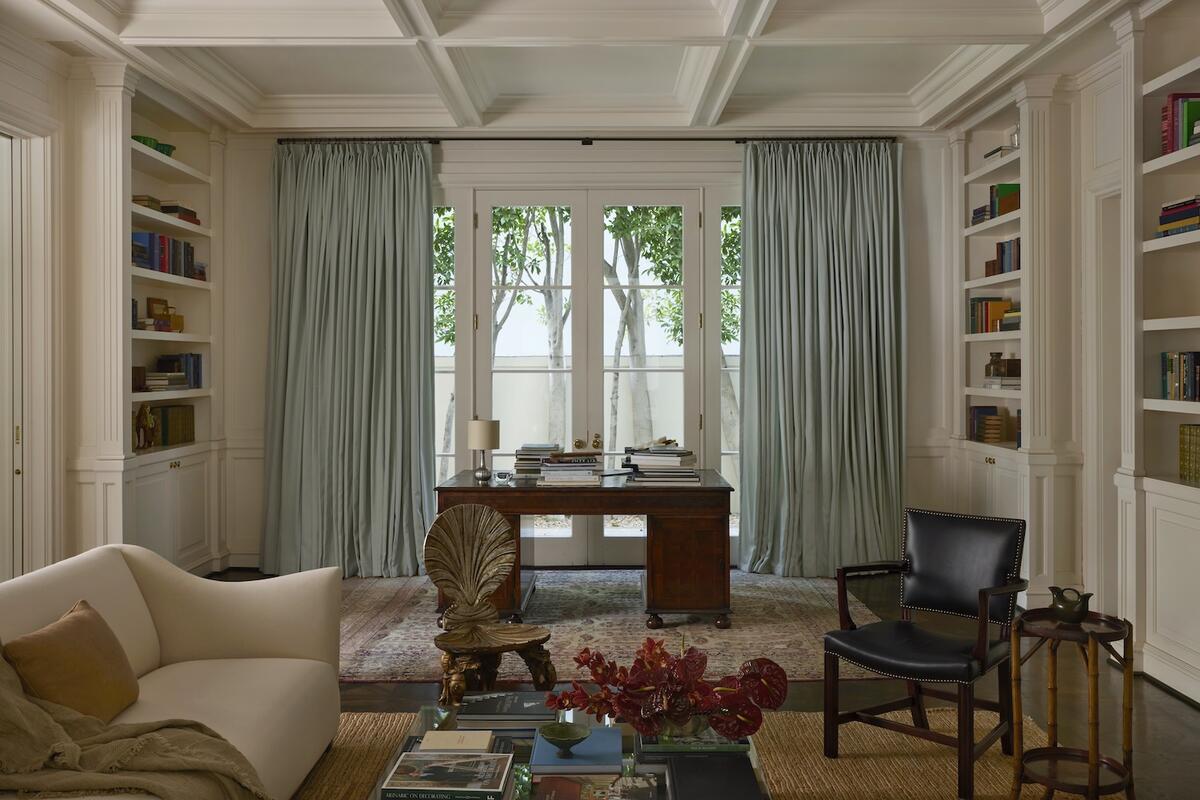
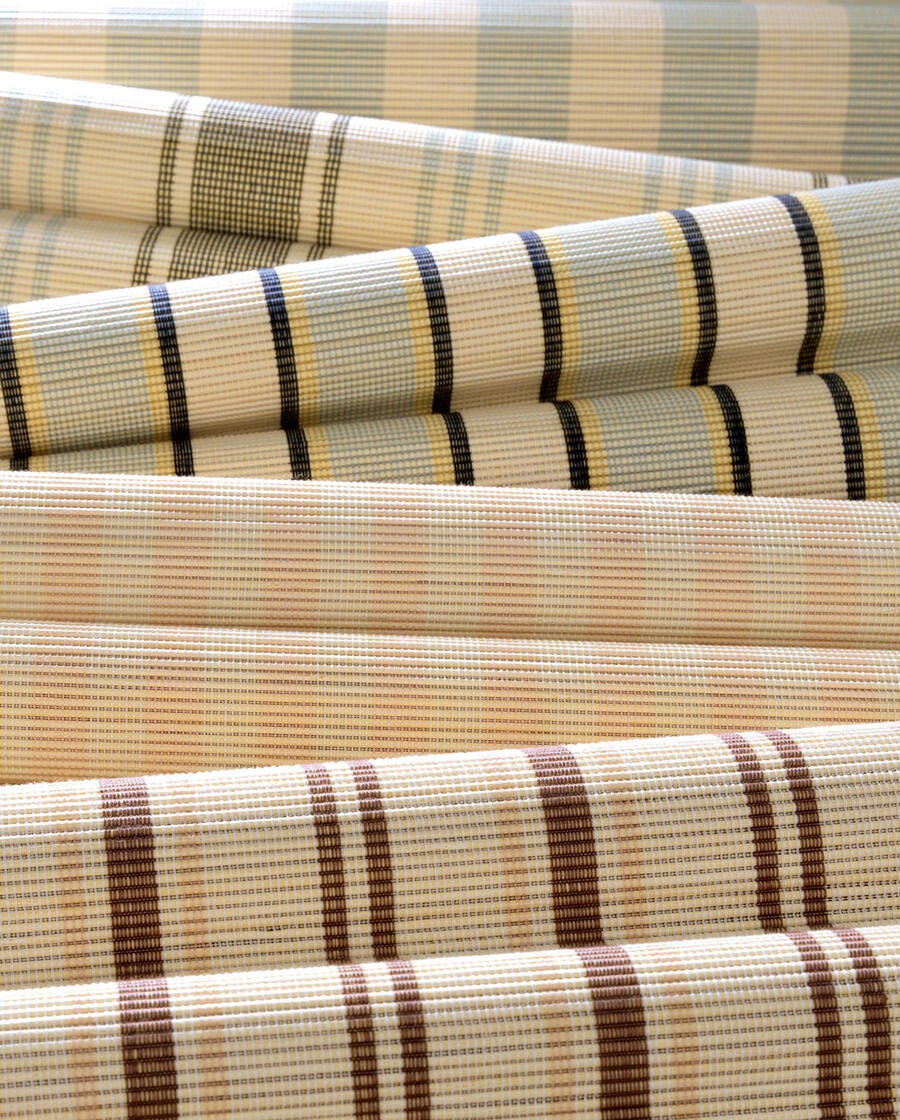
Everhem called on Jake Arnold for its latest collaboration. Offered in multiple materials and in hues such as warm citrine and seafoam blue, the made-to-measure line translates the Los Angeles designer’s tailored aesthetic into an assortment of customizable window treatments that range from Japanese sudare–style woven wood shades to pleated linen drapes and subtly striped sheer café curtains.
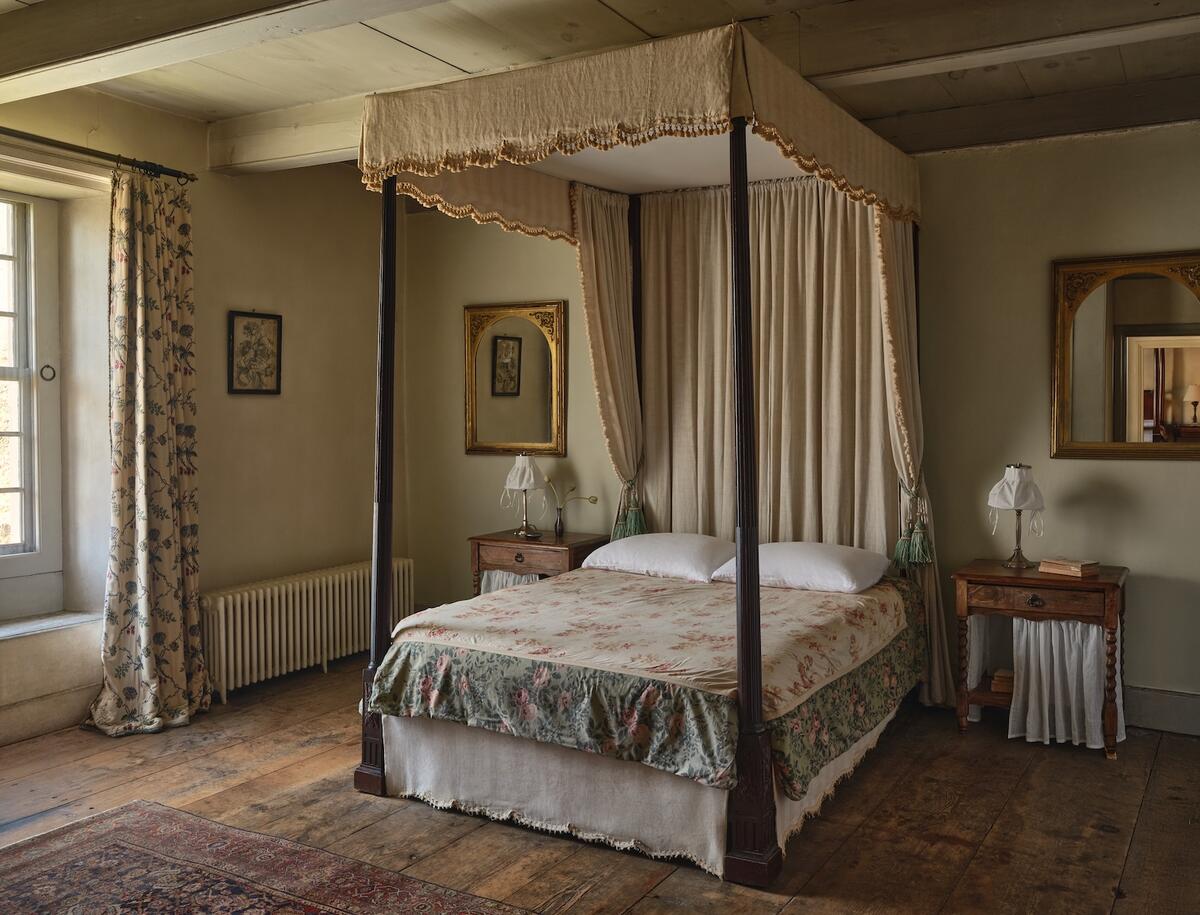
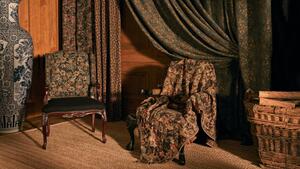
Los Angeles–based furniture brand Olive Ateliers unveiled the 29-piece Tetbury House collection. Highlights from the heirloom-worthy line, which draws inspiration from Northern European antiques, include the delft tile–inlaid Adlestrop dining table; the hand-carved solid oak Austen sideboard; and the Neverland nightstand, a hardwood charmer with twisted legs and a storage shelf hidden behind a removable cotton dobby curtain.
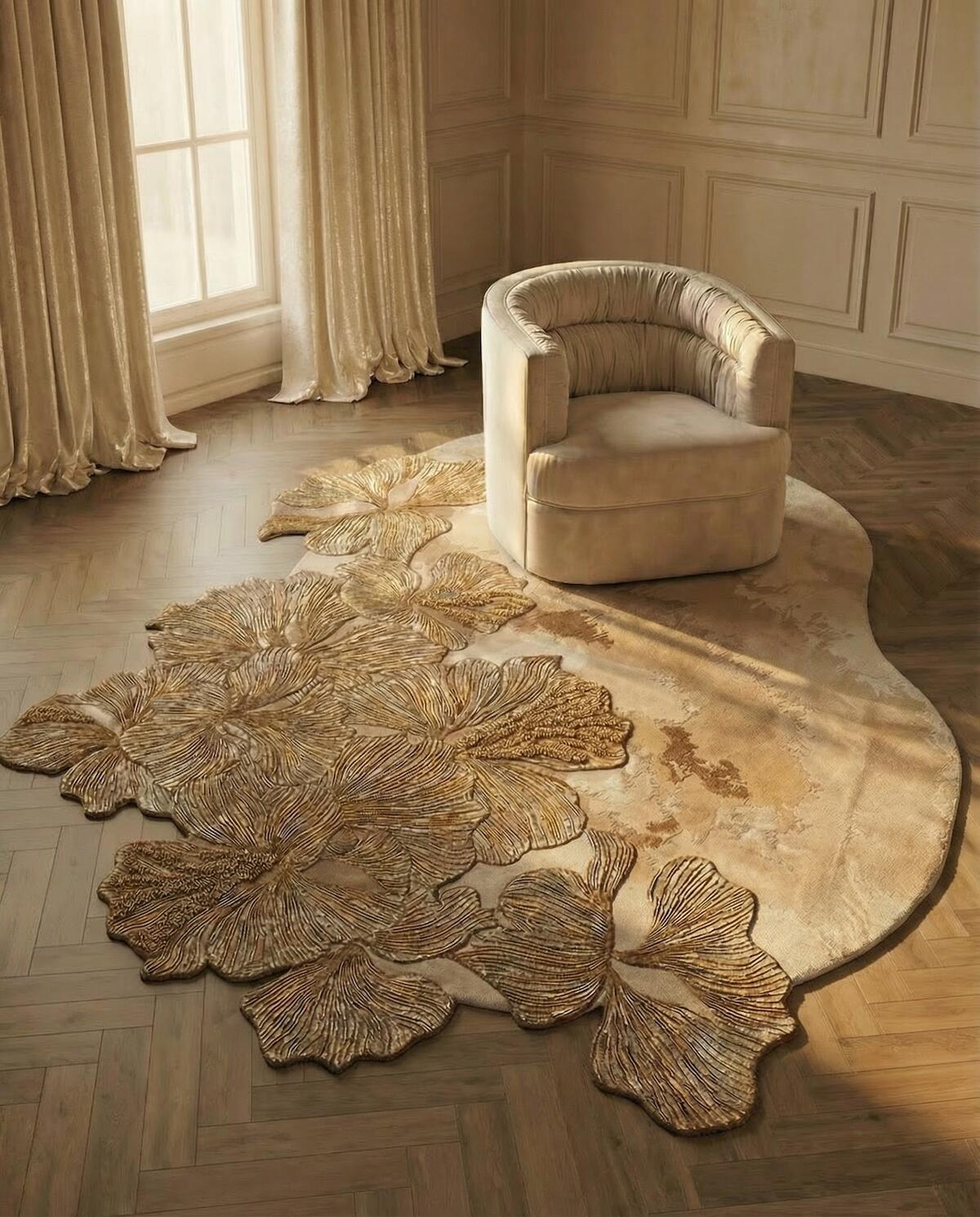
Furniture brand Koket rolled out Soft Pleasures, its first rug collection. Crafted in partnership with Milanese carpet company Sahrai, the debut showcases seven sumptuous wool designs with bamboo silk reliefs and shimmering Lurex threads, including the lush Flora; the rhythmic Serpenti; the blossoming Poppy; the undulating Orchid; the graphic Ophidia; the botanical Terra; and Hibiscus, available in oval and rectangle styles with flowers that cascade off the edge.
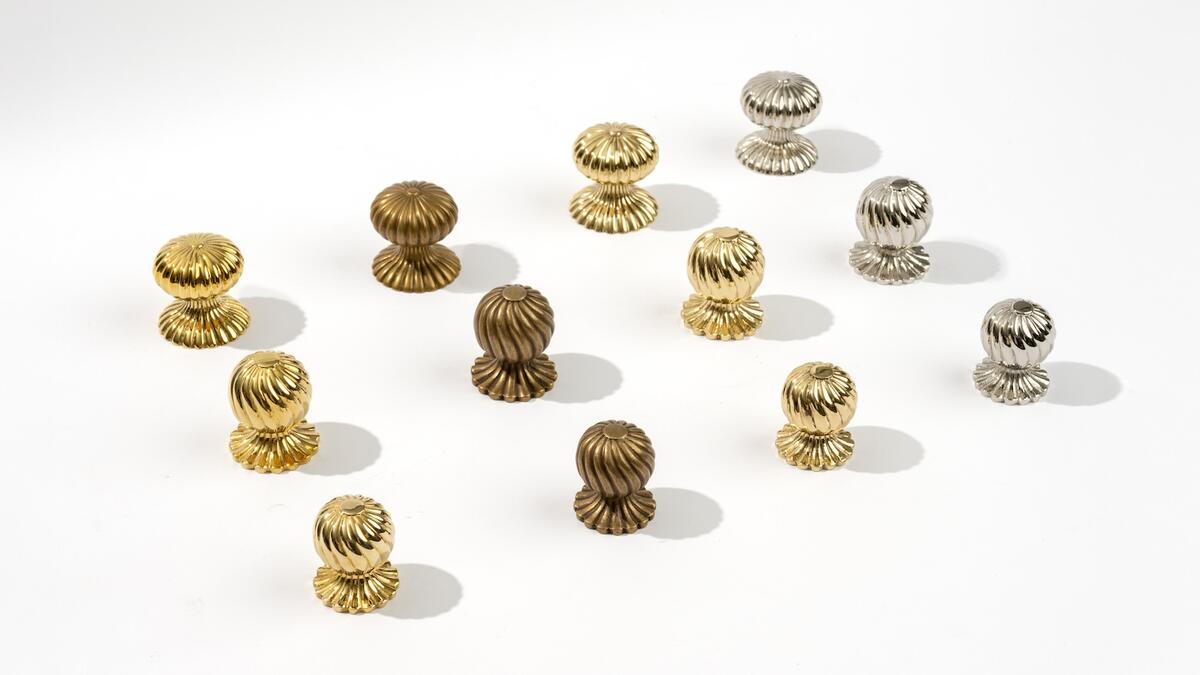
Art & Forge tapped Atlanta-based designer Jared Hughes for a hardware collaboration. The line marks the first in the brand’s new Forged By series of designer-made capsule collections and features two spiraling fluted brass styles, Devonshire and Argyle, each available in four hand-applied finishes: burnished brass, polished brass, polished nickel and unlacquered polished brass.
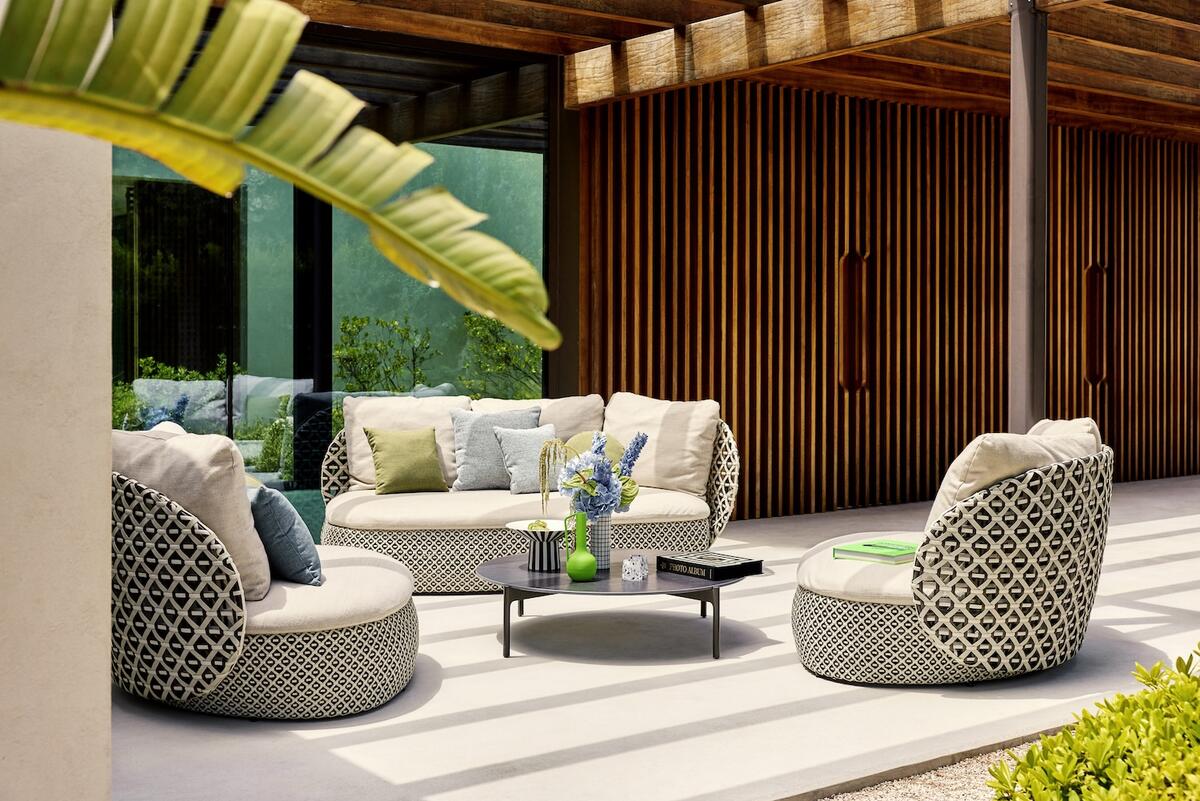
Dedon’s Mdear collection by German designer Sebastian Herkner is every bit as adaptable as it is easy on the eyes. The line boasts six gently rounded modular designs with two-tone frames woven from weather-resistant fibers, including two styles of lounge chairs, two loveseats, a coffee table with a teak top, and a cushioned footstool.
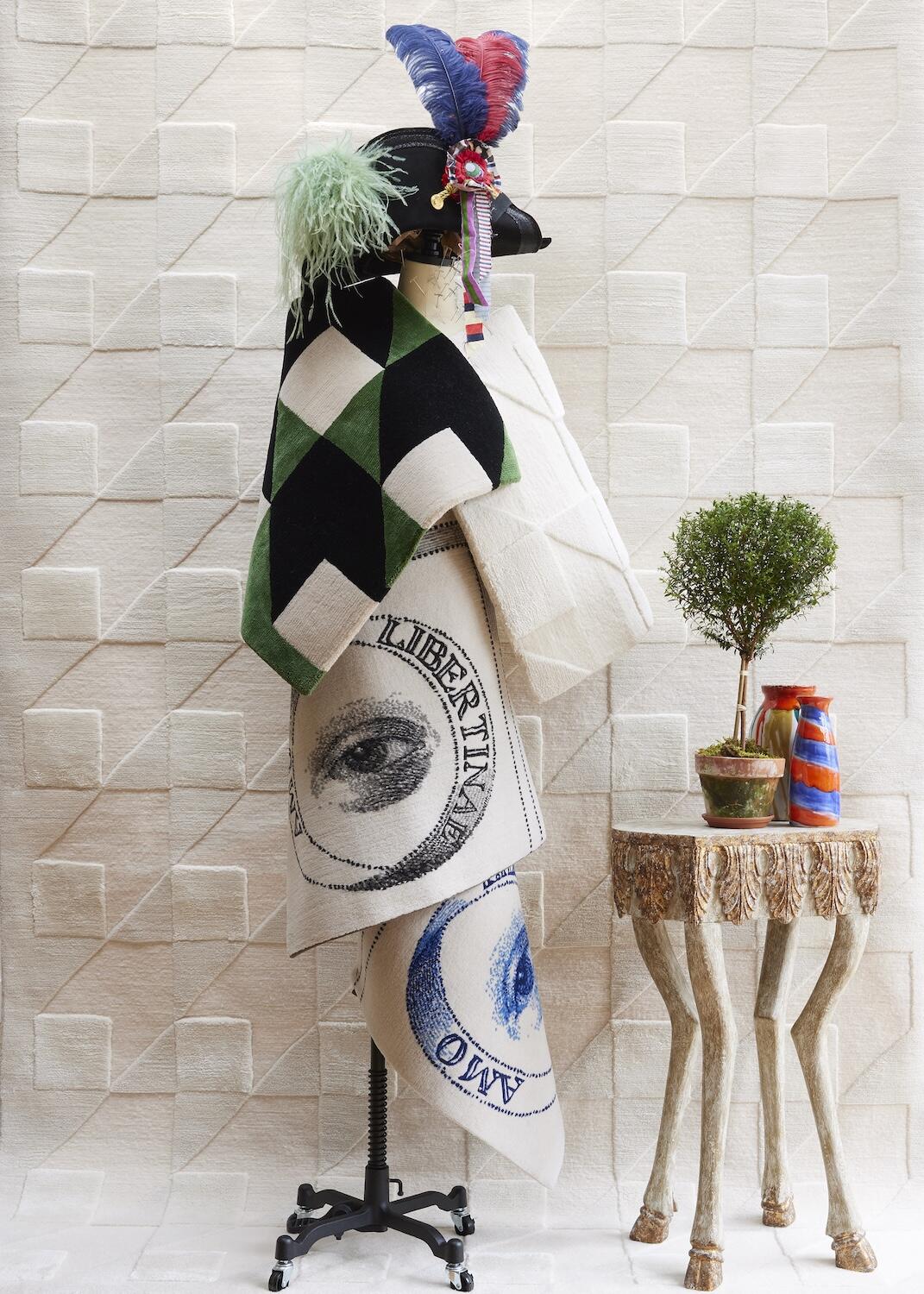
Los Angeles–based designer Johnson Hartig, founder of cult fashion label Libertine, teamed up with Patterson Flynn on a characterful rug collection. Hand-knotted in wool and silk, intros include the 1970s op art–inspired Jupien; the surrealistic Mise en Place; the star-embellished Coral Gables; the block print–style Jilly; and Villa Trianon, an homage to vintage framed botanical illustrations.
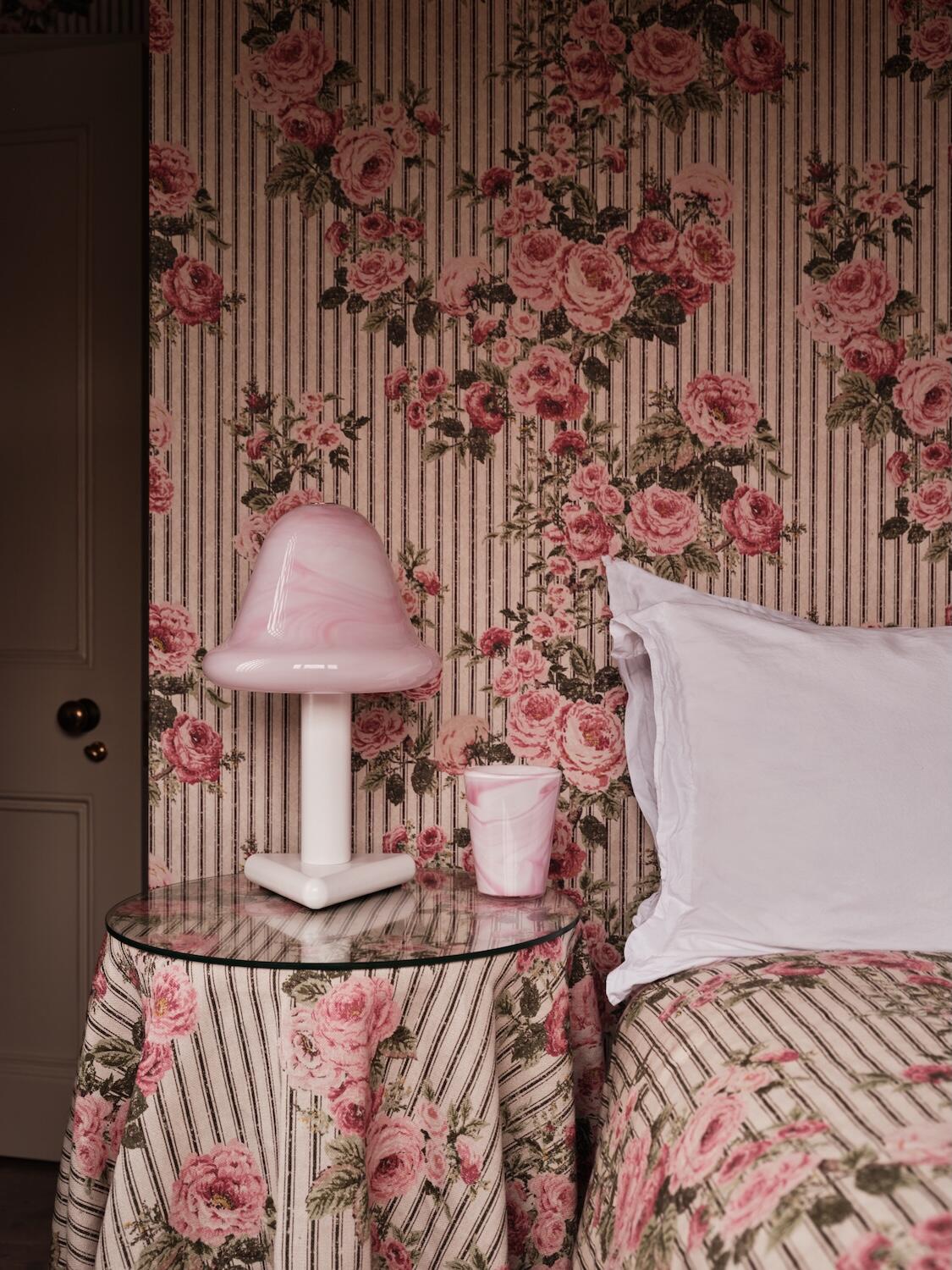
Buchanan Studio’s collaboration with British lighting brand Original BTC is an ode to traditional glassblowing techniques. The five-piece Neotenic collection features designs for ceilings, walls, tables and floors, available in three marbleized hues—pale pink Strawberry, dark brown Chocolate and ivory Vanilla—and bedecked with bullnose-shaped glass shades and triangular bases.
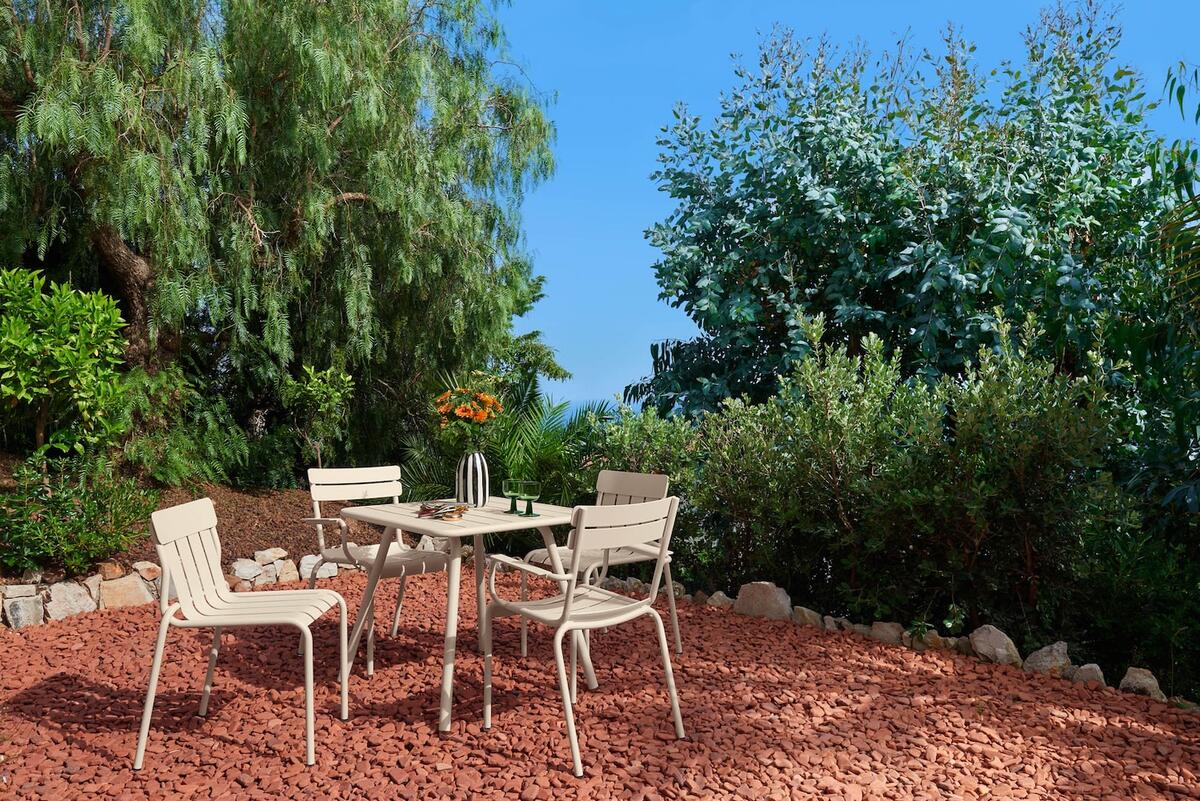
French outdoor furniture brand Fermob debuted Latte Beige, its first plant-based colorway. Developed in collaboration with American coating company Axalta, the powder-coated finish incorporates raw materials such as seed husks, hedge trimmings and shells to create a special formulation that produces 20 percent fewer carbon emissions than conventional paints.


 Withdraw Consent / Manage Privacy Preferences