















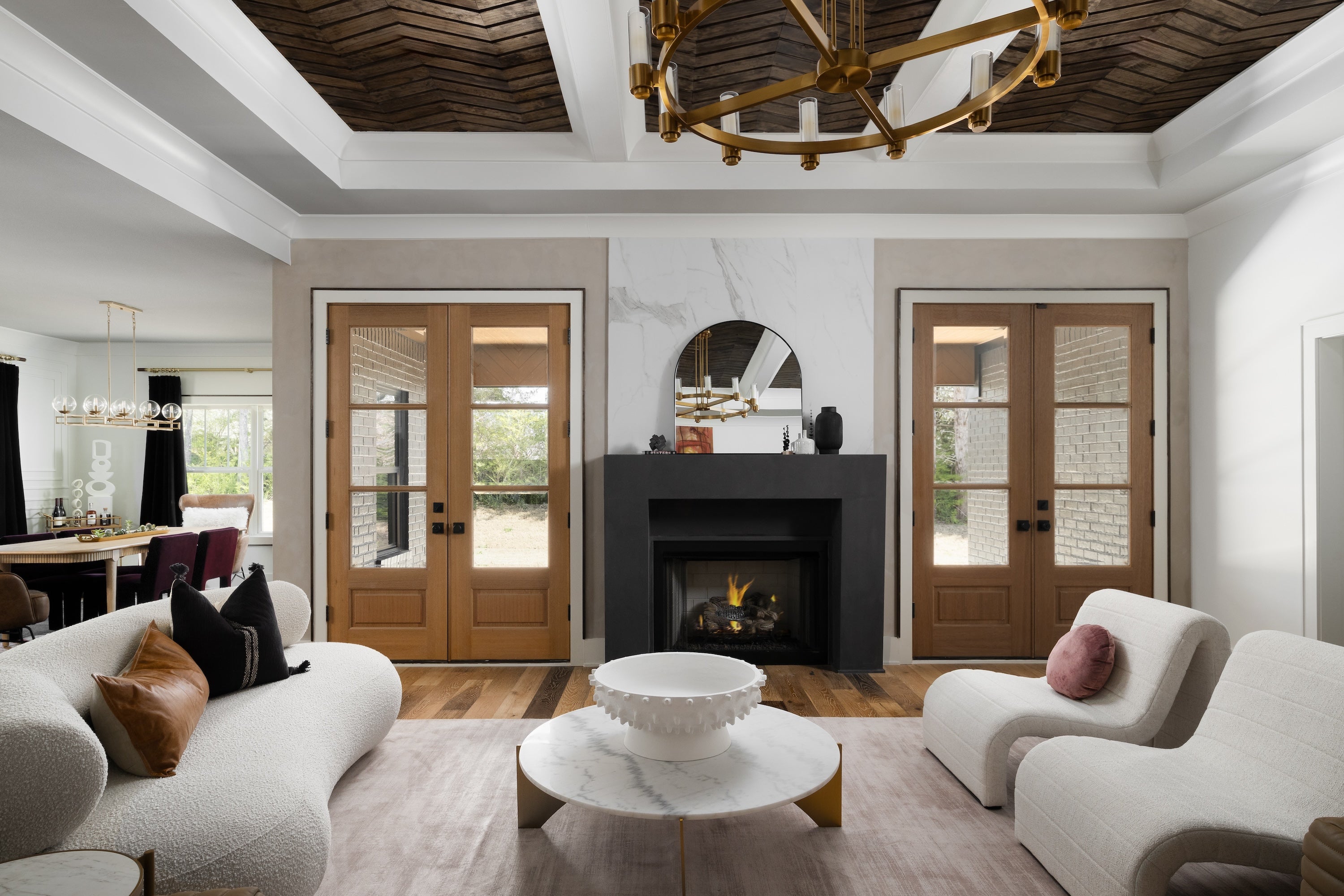

Knowing how to design a space is one thing, but figuring out how to consistently make money off of your time and effort is another. This week, we asked eight designers—Ania Agárdy, Mel Bean, Rachel Brown, Andrew Edwins, Swati Goorha, Daniele Mancinetti, Lauren Thomsen and Michelle Waugh—how they keep their firms profitable.

Trusted Systems
“With the discipline of a builder, the creativity of a designer, and the spreadsheet vigilance of someone who’s learned a thing or two in 22 years of making gorgeous homes actually function, we maintain profitability by doing the unsexy things exceptionally well—clear scopes, airtight processes, transparent fees, and saying no faster than we say yes when it’s not the right fit. Beautiful design is our passion, but boundaries, systems and solid margins are the reason we get to keep doing it.” —Rachel Brown, RB Interiors, Madison, Alabama

Quality Over Quantity
“We maintain profitability by focusing on fewer, larger projects that allow for deep creative engagement, [high customization] and exceptional client experience. Our boutique, concierge-style approach ensures personalized attention while optimizing resources and timelines. By designing most of our furniture, rugs and fixtures in-house, we control both quality and margins.” —Swati Goorha, Swati Goorha Designs, New Providence, New Jersey

Break It Down
“Maintaining healthy profitability is about structuring my business so that my time, expertise and creative output are treated as revenue-generating assets and not freebies. To accomplish this, I charge separately for design, procurement, sourcing, project management, site visits and final installation. My design fee is always a flat fee that includes my vision, curation and design ideas, and varies with the size and scope of the project. Procurement is one of the highest profit centers for a design firm, and one where transparency is of utmost importance. [For that,] I charge an hourly fee plus a commission, which varies according to the overall budget of the project. Sourcing and project management are strictly hourly, and site visits have a flat fee. Final installation that includes all the deliverables like furniture and other items is charged on a flat-rate basis as well. I outsource all of my rendering and architectural services, for which the client is billed directly. All this ensures that I am properly compensated for my time and design ideas. Additionally, I keep my overhead to a minimum by working from a home office and partnering with other designers on larger projects. This means no payroll, which translates to no headaches.” —Ania Agárdy, Luxury Living by Ania Agárdy, Miami

Know Your Scope
“Profitability comes from structure. We start every project with a clear scope, a realistic budget and a timeline we actively manage throughout the process. Most profit loss in interior design comes from scope creep, unclear approvals and slow decision-making, so we work hard to eliminate those gaps. I also believe in pricing for value, not hours. Designers underestimate how much expertise and risk they absorb. When fees reflect the true scope of responsibility, profitability becomes sustainable. Another key factor is working with reliable partners. A solid contractor or supplier doesn’t just deliver quality—they protect your margins by preventing delays, remakes and costly mistakes. And finally, I stay very close to the numbers. We track progress weekly, review procurement in real time and communicate constantly with clients so nothing drifts. Creative freedom is important, but financial discipline is what keeps a studio healthy.” —Daniele Mancinetti, Ibiza Design Collective, Ibiza, Spain

Transparency First
“For us, profitability comes from two things: charging appropriately for our time and being transparent about product markups. We’ve built our trade relationships over many years, and those deeper discounts should benefit both the firm and the client rather than a middleman. What matters is that clients see the value. Profitability also allows me to take care of my team. They’re experts who bring enormous skill to every project, and offering meaningful benefits is part of honoring that. Profitability isn’t about squeezing margins—it’s about honoring the value of our expertise and the relationships we’ve built.” —Mel Bean, Mel Bean Interiors, Tulsa

Plan Ahead
“Very carefully! We keep our eyes on the market and changes that we can see coming. We are constantly looking six months to a year out at our workload to identify where we have an opportunity to balance work from heavier months to leaner ones while keeping projects on schedule. It is a very delicate dance, but one that ensures that our staff is working at a relatively consistent level each month. The one thing that is certain is that no matter what our plan is, it will change, so any forecasting is always matched with a healthy dose of flexibility so we can pivot when needed.” —Andrew Edwins, PKA Architecture, Minneapolis

Change in Billing
“We’ve transitioned to billing hourly and on a monthly basis, and this approach has significantly strengthened our ability to maintain steady income and consistent profitability. It’s allowed us to better manage workload, align expectations, and ensure we’re dedicating the right amount of time and attention to each project.” —Lauren Thomsen, Lauren Thomsen Design, Philadelphia

Lead With Integrity
“Profitability comes from clarity and intention and running the studio with the same precision that goes into our design work. Every project begins with a strong framework: transparent communication, well-defined scope and thoughtful forecasting. One practice I rely on is detailed project budgeting with tiered vendor options. From the start, we map out costs for materials, labor and finishes and build in flexibility for client-driven changes. I also prioritize strong relationships with artisans and trade partners, which allow for better pricing, timelines and quality control. By combining financial planning with trusted collaborators, I can maintain design integrity and profitability without compromising the client experience.” —Michelle Waugh, Michelle Waugh Interiors, Greenwich, Connecticut







 Withdraw Consent / Manage Privacy Preferences